The Role of Mangoes in Indian Literature and Poetry
“Sprays of full-blown mango blossoms – his sharp arrows, / Honey-bees in rows – the humming bowstring” – an anonymous Sanskrit poet once wrote, capturing the essence of how mangoes have enchanted Indian literary imagination for millennia.
Mangoes in Indian literature and poetry represent far more than India’s beloved “king of fruits.” This exploration of mango symbolism in Indian classical poetry reveals how ancient and modern writers have woven mango trees, blossoms, and golden fruit into the very fabric of Indian literary traditions. From Sanskrit epics to regional folk verses, the mango serves as a powerful metaphor for love, desire, prosperity, and the sublime beauty of nature itself.
Key Symbolic Meanings of Mangoes in Indian Poetry
Before diving deeper, here are the primary symbolic associations mangoes carry in Indian literary traditions:
- Love and Desire – Mango blossoms as arrows of Kamadeva, the god of love
- Spring and Renewal – Heralds of the Vasanta (spring) season in classical poetry
- Prosperity and Abundance – Symbol of earthly wealth and divine blessings
- Sensuality and Pleasure – Featured prominently in the Kamasutra and romantic poetry
- Nostalgia and Homeland – Evokes memories of place and belonging in modern literature
- Spiritual Transformation – Metaphor for inner sweetness in Tamil Siddha traditions
How Did Ancient Sanskrit Poets View the Mango?
The celebrated Sanskrit poet Kalidasa (4th-5th century CE) elevated the mango tree in Sanskrit literature to unprecedented literary prominence. In his masterpiece Meghaduta (The Cloud Messenger), mango blossoms appear as symbols of desire and romantic longing. His Raghuvamsha features the Amra Shala (mango groves) as enchanted settings where lovers experience tender joy and quiet contemplation.
“In Kalidasa’s imagination, the mango became a sign of what begins to bloom in the air before it ripens in the heart”
Kalidasa’s personal artistry transformed the mango fruit in literature from botanical reality into philosophical contemplation. He understood that the mango’s journey from blossom to ripe fruit mirrored the maturation of human emotion—from the first stirrings of attraction to the fullness of realized love.
The Tamil Sangam Poetry Tradition
Why are mangoes important in Indian poetry across different regions? In Tamil Sangam literature (circa 300 BCE to 300 CE), mangoes emerge prominently in poems from the Akananuru and Kuruntokai collections, offering a distinctly South Indian perspective.
These ancient verses depict lovers meeting under mango trees in lush pastoral landscapes, where the fruit symbolizes maturity, fertility, and fleeting joy. Unlike the more abstract Sanskrit tradition, Tamil poetry grounded mango symbolism in realistic agricultural settings, celebrating both the tree’s practical value and its romantic associations.
The mango tree became integral to Tamil poetic landscape, representing the transient nature of human happiness—much like the fruit’s brief season teaches us about impermanence and the wisdom of savoring present moments.
Mango Blossoms as Arrows of Love
Perhaps the most evocative use of mango blossom symbolism in Indian literary traditions involves their association with Kamadeva, the Hindu god of love. Ancient Sanskrit poetry celebrated mango flowers as “arsenal vital for seduction,” describing how Kamadeva tips his five flower-arrows with fragrant blooms, one being the intoxicating mango blossom.
This classical verse captures the imagery perfectly:
“Sprays of full-blown mango blossoms – his sharp arrows,
Honey-bees in rows – the humming bowstring:
Warrior-Spring set to break the hearts
of Love’s devotees, is now approaching, my love”
This metaphor brilliantly connected spring’s arrival, mango blooms, and the inevitable stirring of passion—creating a sensory experience that engaged sight, scent, and emotion simultaneously.
Mangoes in Epic and Religious Literature
The Ramayana, one of Hinduism’s great epics, depicts mango trees as integral elements of Lanka’s magnificent gardens. These trees symbolized exotic beauty, prosperity, and wealth, reflecting the opulent lifestyle of Ravana’s kingdom while also suggesting that even evil can be cloaked in earthly paradise.
Ancient Vedic texts portrayed mangoes as symbols of pleasure and abundance, closely linked to Indra, the deity responsible for rainfall and agricultural prosperity. The Kamasutra referenced mangoes as symbols of sensuality, incorporating them into descriptions of pleasure and refined living.
Regional Poetry: Bengali, Hindi, and Beyond
How does mango tree in Sanskrit literature compare to regional language traditions? Regional Indian poetry showcases the mango in its full glory—flower, fruit, leaf, and bark all appear in verses celebrating different aspects of this remarkable tree.
Malayalam tradition: G. Sankara Kurup, the first Jnanpith Award winner, wrote nostalgically about “the honey-mango tree that always tempts the hand / to carve a toy boat from its trunk,” connecting childhood memory with natural abundance.
Urdu-Persian legacy: The 19th-century master Mirza Ghalib expressed India’s romance with the mango through verses that captured both its sensory appeal and metaphysical significance.
Bengali literature: Though less documented in classical sources, Bengali poets wove mangoes into narratives of rural life and monsoon anticipation, where the fruit represented the reward for patient waiting through harsh summers.
Regional languages from Dogri to Malayalam contain mango verses that “demolish the clichés shrouding their potency,” revealing fresh perspectives that keep this ancient symbol vibrant.
Colonial Era: Western Eyes on Indian Mango Poetry
British colonial writers and administrators encountered India’s rich tradition of mango poetry with fascination and bewilderment. While they appreciated the fruit itself, many struggled to understand why Indian poets elevated mangoes to such exalted literary status. This cultural gap revealed how deeply the mango was embedded in Indian consciousness—not just as food, but as a symbol carrying millennia of emotional and spiritual meaning that transcended simple colonial categorization.
The Mango as Metaphor in Modern Indian Writing
In contemporary Indian literature, mangoes continue serving as “succulent emblems of longings, yearnings and revelations, both physical and metaphysical”. Indira Ganesan’s 1997 novel Inheritance opens with mango trees creating an idyllic, revelatory landscape—”a place that lacked only a waterfall to make it a kind of paradise”.
The mango remains a powerful metaphor in South Asian writing, symbolizing homeland, nostalgia, fertility, and abundance. Modern writers use mango imagery to evoke themes of temptation, desire, and the eternal tension between earthly indulgence and spiritual purity.
Cultural Legacy: Why the Mango Endures in Poetry
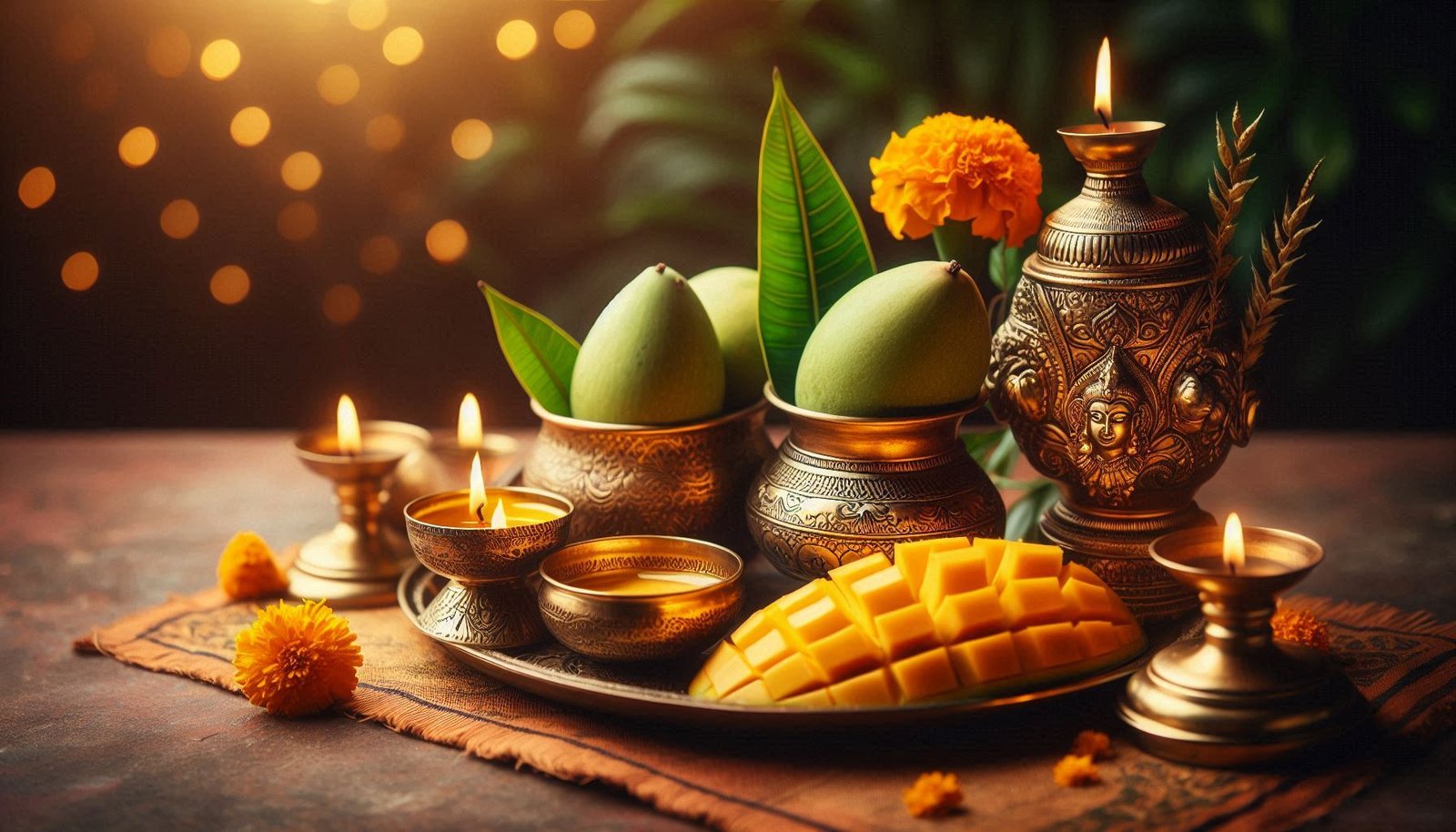
Beyond literary beauty, mangoes in Indian poetry reflect deep cultural beliefs about humanity’s harmonious relationship with nature. They appear in contexts of festivities, royal feasts, and spring celebrations, particularly during Vasantotsava (the spring festival).
The mango tree’s association with deities like Lakshmi (goddess of wealth) and Saraswati (goddess of knowledge) enriches its symbolic depth, making it simultaneously a marker of material prosperity and intellectual achievement.
Conclusion: The Eternal Mango
The mango’s journey through Indian literature and poetry reveals a fruit that transcends seasons and centuries. From Kalidasa’s romantic verses to regional folk poetry, from ancient epics to modern fiction, the mango has remained a constant presence in India’s literary imagination. Its blossoms evoke desire, its fruit represents abundance, and its shade offers refuge for lovers and philosophers alike.
As both symbol and subject, the mango continues inspiring writers, connecting contemporary readers to millennia of poetic tradition while remaining as fresh and relevant as the fruit itself. Whether you’re savoring a ripe Alphonso or reading ancient Sanskrit verses, the mango invites us to taste both earthly pleasure and timeless beauty.
What’s your favorite memory of mangoes? Share how this golden fruit connects you to India’s rich literary heritage in the comments below.
Frequently Asked Questions
Which Indian poet wrote most extensively about mangoes?
Kalidasa, the 4th-5th century Sanskrit poet, is considered the master of mango imagery in classical Indian literature. His works Meghaduta and Raghuvamsha feature extensive mango symbolism representing love, desire, and the passage of seasons.
What do mango blossoms symbolize in Indian classical poetry?
Mango blossoms primarily symbolize desire, spring’s arrival, and romantic love. They’re famously associated with Kamadeva’s arrows—the god of love uses mango blossoms to pierce hearts and awaken passion.
How are mangoes used differently in North vs South Indian literary traditions?
Sanskrit (North Indian) poetry tends toward abstract, philosophical mango symbolism focused on desire and aesthetics, while Tamil Sangam literature (South Indian) grounds mangoes in realistic pastoral settings, emphasizing fertility, agricultural cycles, and earthly abundance.