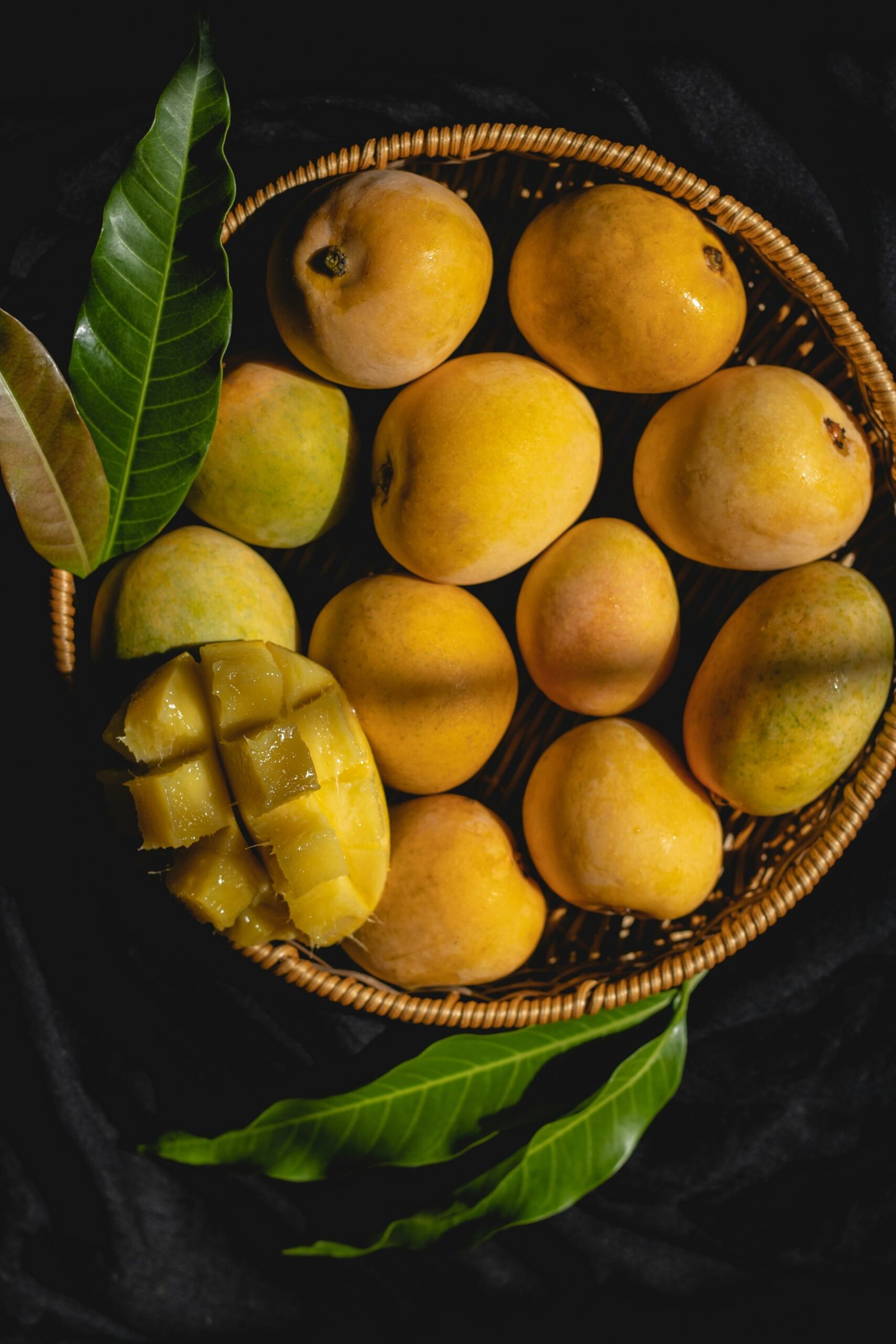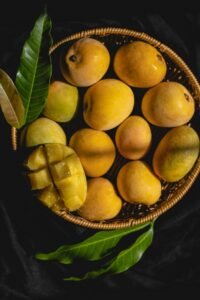
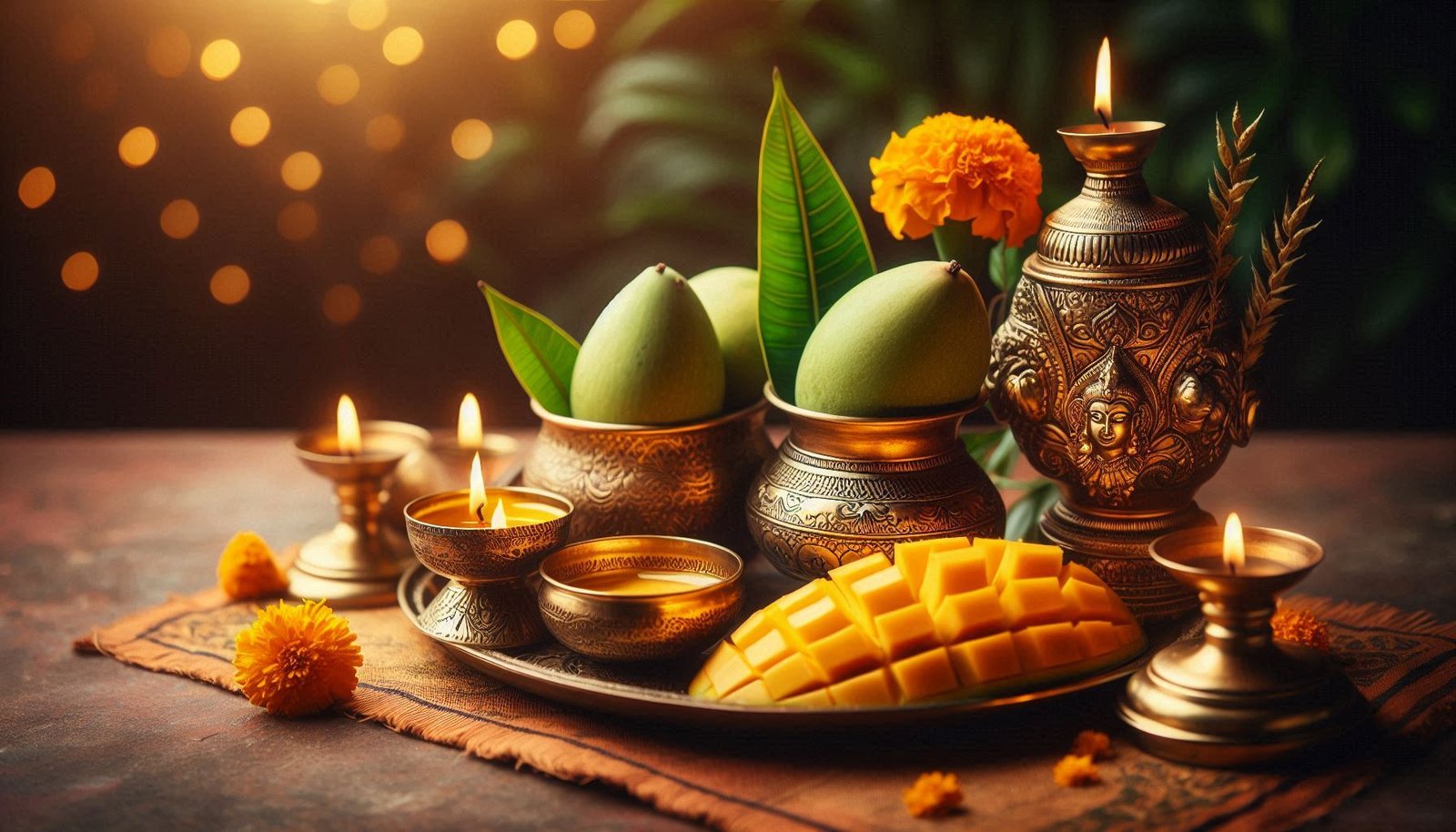
In India, the mango is far more than a seasonal delicacy—it is a symbol woven into the very fabric of the nation’s cultural, spiritual, and social life. Revered as the “King of Fruits,” the mango has graced ancient scriptures, royal courts, folk songs, and family celebrations for over 4,000 years. From wedding ceremonies in Tamil Nadu to religious offerings in Bengal, this golden fruit holds a sacred place that transcends regional boundaries and connects millions through shared traditions.
Mangoes in Hindu Mythology and Sacred Texts
The cultural significance of mangoes in India begins with its deep roots in Hindu mythology. Ancient texts like the Ramayana and Mahabharata reference mango groves as places of meditation and divine encounters. Lord Buddha himself is said to have received the gift of a mango grove from a devoted follower, where he spent time in contemplation.
Mango leaves, known as “pallav,” hold particular spiritual importance. During auspicious occasions like weddings, housewarmings, and festivals, doorways across India are adorned with torans made from fresh mango leaves strung together. These vibrant green decorations symbolize prosperity, fertility, and the welcoming of positive energy. The five-leafed mango sprig represents Panchaprana—the five vital life forces in Hindu philosophy.
The mango tree itself is considered sacred. In many villages, particularly in Maharashtra and Karnataka, community gatherings and village councils historically took place under the shade of ancient mango trees. These trees became witnesses to generations of decisions, celebrations, and shared stories.
Mangoes in Indian Weddings and Celebrations
No traditional Indian wedding is complete without the presence of mangoes in various forms. In South Indian weddings, mango leaves decorate the kalyanamandapam (wedding altar), while raw mangoes are used in pre-wedding rituals. The practice of hanging mango leaf torans at the bride’s entrance symbolizes a fruitful and prosperous married life ahead.
During the Tamil festival of Pongal, fresh mango leaves are tied to sugarcane stalks as offerings of gratitude for the harvest. Similarly, in Bengali households during Pohela Boishakh (Bengali New Year), mango motifs appear in rangoli designs and decorative elements, celebrating the arrival of the mango season alongside the new year.
The tradition extends to naming ceremonies and housewarming rituals, where mango leaves purify the space and invite divine blessings. In Gujarati culture, the “aamras ceremony” during weddings involves serving fresh mango pulp to guests—a gesture that signifies sweetness in relationships.
Regional Traditions Celebrating the Mango
Different regions of India have developed unique cultural practices around mangoes. In the Konkan belt, the first harvest is offered to local deities through ceremonies called “Aamba Puja” before any commercial sale begins. This practice, maintained by farming families for generations, reflects gratitude to nature and the divine for a successful season.
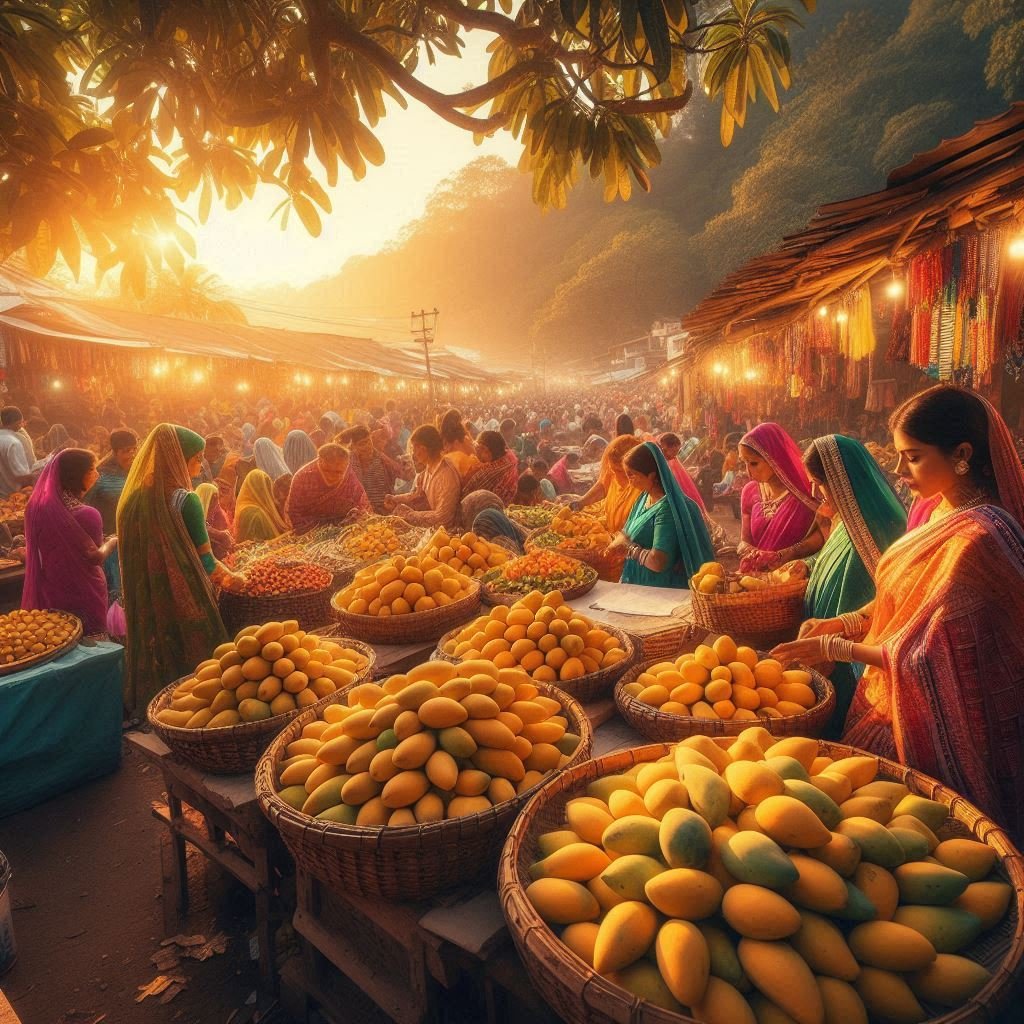
West Bengal celebrates “Aam Aadmi Din” during peak mango season, when communities organize mango-tasting festivals featuring dozens of local varieties. The tradition brings together people from all socio-economic backgrounds—hence the name “common man’s day”—unified by their love for the fruit.
In Uttar Pradesh and Bihar, the folk tradition of “Aam ki bahar” involves songs and dances celebrating the mango blossom season. These cultural expressions, passed down through oral traditions, capture the emotional connection rural communities have with their orchards.
Mangoes in Art, Literature, and Royal Heritage
The Mughal emperors’ obsession with mangoes shaped Indian horticultural history. Emperor Akbar planted over 100,000 mango trees in Darbhanga, creating the famous Lakhi Bagh. His fascination wasn’t merely agricultural—it was cultural. Mughal miniature paintings frequently depicted royal courts enjoying mangoes, establishing the fruit as a symbol of refined taste and luxury.
Classical Indian poetry across languages—from Kalidasa’s Sanskrit verses to Rabindranath Tagore’s Bengali compositions—uses mango imagery to evoke sensuality, sweetness, and the beauty of Indian summers. The mango became a metaphor for desire, prosperity, and the richness of life itself.
Folk art forms like Madhubani paintings from Bihar and Warli art from Maharashtra regularly feature stylized mango motifs, connecting artistic expression with agricultural abundance and cultural identity.
The Social Role of Mango Gifting
In Indian culture, gifting mangoes carries significant social meaning. During the mango season, it’s customary to send baskets of carefully selected mangoes to relatives, teachers, and respected elders—a gesture that expresses affection, respect, and goodwill. The quality and variety chosen reflect the depth of the relationship.
This tradition of mango gifting strengthens community bonds. Neighbors exchange different varieties, creating informal networks of sharing that transcend economic barriers. In many joint families, the ritual of collectively eating aamras—sitting together, sharing stories while savoring the pulp—creates cherished memories that bind generations.
Modern Celebrations of Mango Heritage
Today, India’s mango culture continues to evolve while honoring tradition. Annual mango festivals in Delhi, Mumbai, and Hyderabad attract thousands, showcasing over 500 varieties and celebrating the fruit’s cultural legacy. These events blend traditional knowledge with modern agricultural science, ensuring younger generations appreciate their mango heritage.
Social media has amplified mango culture, with hashtags like #MangoSeason trending annually. Yet beneath the digital celebration lies the same emotional core—a nation’s collective joy at the return of its beloved fruit, a connection to the land, and the continuation of traditions that have sweetened Indian life for millennia.
A Fruit That Unites a Nation
The cultural significance of mangoes in Indian traditions extends far beyond taste. It encompasses spirituality, social bonding, artistic expression, and agricultural pride. Whether adorning a temple deity, sweetening a wedding celebration, or simply shared between friends on a summer afternoon, the mango remains an enduring symbol of India’s rich cultural tapestry—a golden thread connecting past, present, and future.