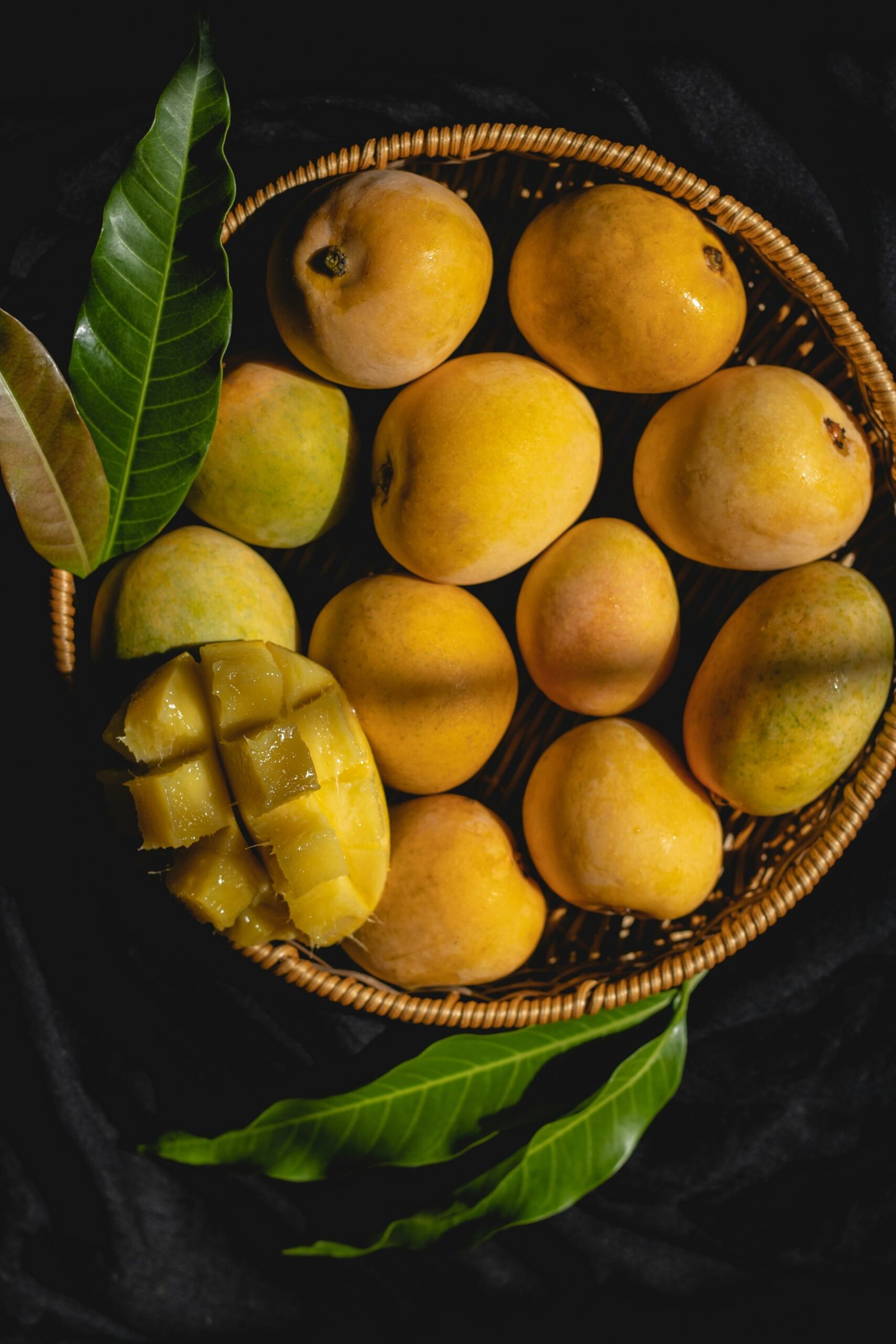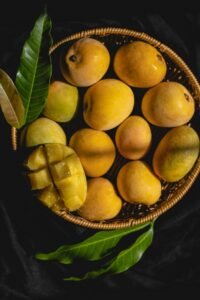
Ask most people to name an Indian mango and they will say Alphonso without a moment’s hesitation. The Hapus mango deserves every gram of its fame — but in claiming the entire spotlight, it has cast a long shadow over dozens of equally extraordinary Konkani mango varieties that are quietly disappearing from orchards, markets, and memory. These forgotten varieties are not inferior alternatives. They are distinct characters with unique flavors, seasonal personalities, and cultural histories that deserve to be rediscovered.
Why Konkan Is a Mango Biodiversity Hotspot
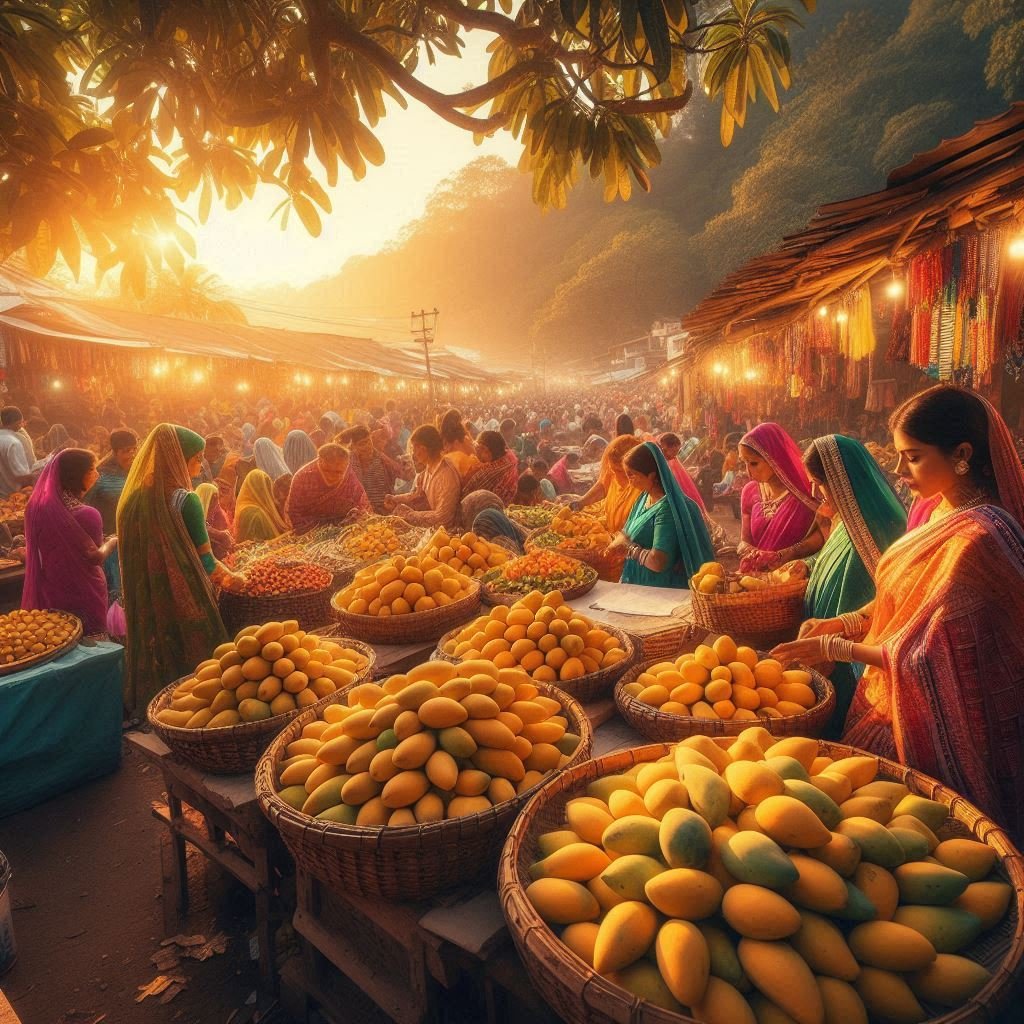
The Konkan belt — spanning the coastal districts of Palghar, Thane, Raigad, Ratnagiri, and Sindhudurg in Maharashtra — sits at the convergence of the Western Ghats and the Arabian Sea, creating a microclimate that is exceptionally favorable for mango cultivation. For centuries, this geography nurtured not one but dozens of indigenous mango cultivars, each adapted to the specific soil, elevation, and rainfall patterns of its village. The Dr. Balasaheb Sawant Konkan Krishi Vidyapeeth (BSKKV) in Dapoli has officially released seven mango varieties from this region alone — Alphonso, Ratna, Sindhu, Konkan Ruchi, Suvarna, Konkan Raja, and Konkan Samrat. Yet even beyond these, numerous folk varieties exist in old village orchards that have never entered a government registry or a supermarket shelf.
Pairi: The First Mango of the Season
If the Alphonso is a king, the Pairi is the adventurous herald who arrives before the court assembles. One of Konkan’s most beloved but increasingly overlooked varieties, the Pairi mango ripens earlier than Alphonso — usually arriving in the second half of May — making it the true first mango of the Konkan summer.
The Pairi is notably juicy with a thin yellow-red skin and a flavor profile that blends the sweetness of apricot with the brightness of peach and a whisper of tang. Unlike Alphonso, it is not engineered for shelf life or export — it must be consumed almost immediately after ripening, which is precisely why the market ignored it and why mango purists adore it. Grown across Ratnagiri, Raigad, Devgad, and Pawas, the Pairi is perfect for fresh aamras, mango shrikhand, and lassi — and its extraordinary aroma rivals even that of Hapus on a warm May evening.
Mankurad: The Treasure of the South Konkan Coast
Step across the border from Maharashtra into Goa, or visit the orchards of Vengurla and Malvan in Sindhudurg, and you enter Mankurad country. The Mankurad — also called Malcorado, Mancurad, or Kurad — is a mango variety with a devoted following among those who have tasted it, and almost no recognition among those who have not.
Weighing between 200–250 grams, the Mankurad has uniform golden-yellow skin, an exceptionally small and flat seed, and a pulp-to-seed ratio that makes it one of the most flesh-generous mangoes in the Konkan region. Its flavor is a rich, balanced sweetness with no fiber — smooth, intensely aromatic, and deeply satisfying. So prized is the Mankurad in Goa that in 2023 it became the first mango variety from Goa to receive a GI tag, exclusively protecting mangoes grown within the region. In Konkan villages, having a Mankurad tree in the courtyard is traditionally considered a mark of household prestige.
Ratna: The Hybrid Gem Born in Konkan
Developed in 1981 by BSKKV Dapoli through the cross-breeding of the Neelum and Alphonso varieties, the Ratna mango is one of the finest fruits that most people outside Maharashtra have never tasted. Released specifically for Konkan conditions, Ratna combines the productivity and adaptability of Neelum with the rich sweetness and texture of Alphonso — producing a fruit that is larger, fiber-free, deep orange in flesh, and completely free from spongy tissue, a common defect that affects many mango varieties.
The Ratna has a cluster-bearing habit, meaning it produces fruit in bunches rather than singly, giving an orchard in peak season an almost theatrical visual abundance. Its flavor profile is tropical and citrus-forward — sweet, juicy, and complex — with a fragrance that fills the room the moment you cut it open. Yet despite these qualities, commercial demand for Ratna remains modest simply because growers and buyers default to the Alphonso name. This is a variety that deserves far more than the seasonal farmers’ market stall it currently occupies.
Konkan Ruchi: The Processor’s Secret
The name translates simply as “Konkan Taste,” and that unpretentious label is part of why this variety flies under the radar. Konkan Ruchi was developed by BSKKV Dapoli through the crossing of Neelum and Alphonso — similar parentage to Ratna, but with a different flavor outcome and agricultural character. Konkan Ruchi is a regular bearer producing large fruits with thick skin, an acidic flavor profile, and an exceptional yield.
What makes Konkan Ruchi remarkable is its suitability for food processing. While fresh table consumption favors varieties with high sweetness, the food industry requires mangoes with balanced acidity for pulp production, pickles, juices, and preserves. Konkan Ruchi delivers all of this at scale, making it an economically critical but commercially invisible variety. It is grown quietly in orchards across Ratnagiri and Sindhudurg, doing essential work behind the scenes of the mango economy without ever receiving any credit at the front of house.
Suvarna and Konkan Raja: The Overlooked Royal Guard
BSKKV Dapoli also released two other varieties — Suvarna and Konkan Raja — that represent the range of Konkan mango diversity. Konkan Raja, as the name boldly suggests, was bred to compete with Alphonso in quality while offering more agricultural reliability. These varieties demonstrate that Konkan’s mango innovation has never been limited to a single fruit — the region has always had the agricultural intelligence to produce multiple varieties of distinction. The tragedy is that market forces compressed consumer preference into a single name, leaving the rest of the royal court forgotten in its own kingdom.
Why These Varieties Must Be Remembered
The loss of biodiversity in any agricultural system is irreversible. When an indigenous mango variety disappears from cultivation, it takes with it unique genetic material, cultural memory, and flavor experiences that cannot be reconstructed. Every forgotten Konkani mango variety represents a distinct relationship between a piece of land and a fruit that evolved together across decades — sometimes centuries.
Seeking out these varieties, supporting the farmers who still grow them, and choosing them over the commercially dominant Alphonso when they are in season is not just a culinary adventure. It is an act of cultural conservation — a way of ensuring that Konkan’s extraordinary mango heritage survives long enough to be passed on to the next generation of both growers and tasters.