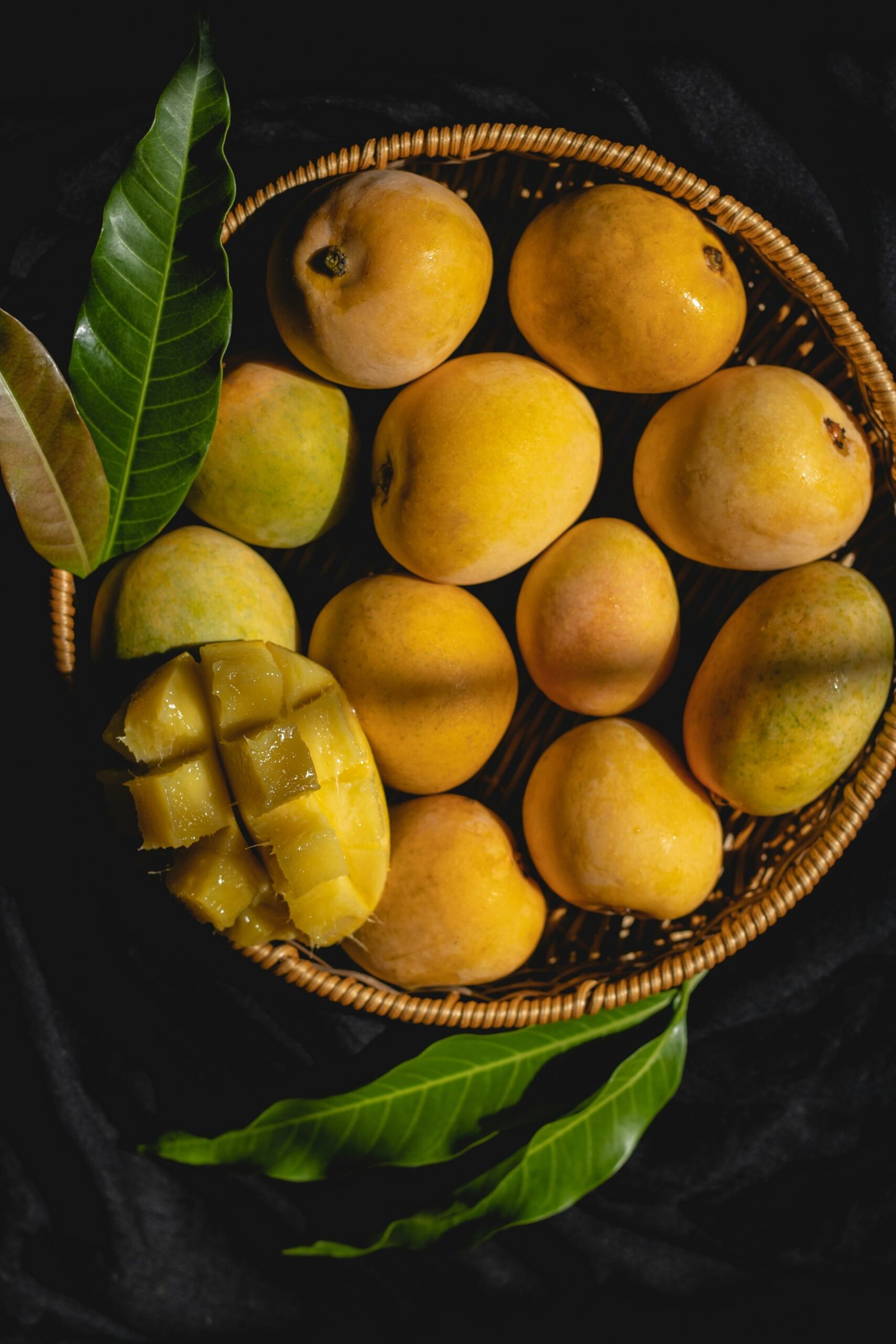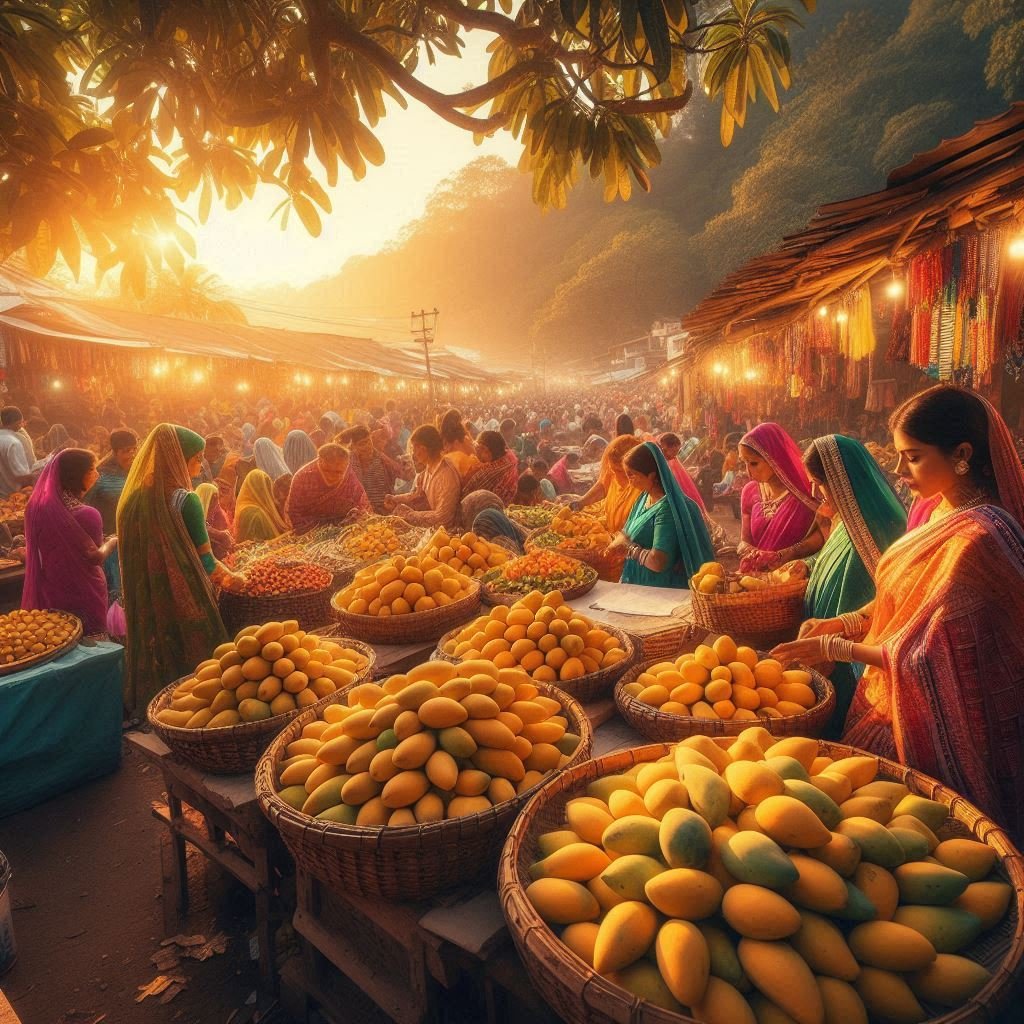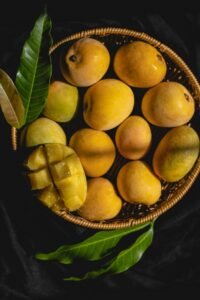
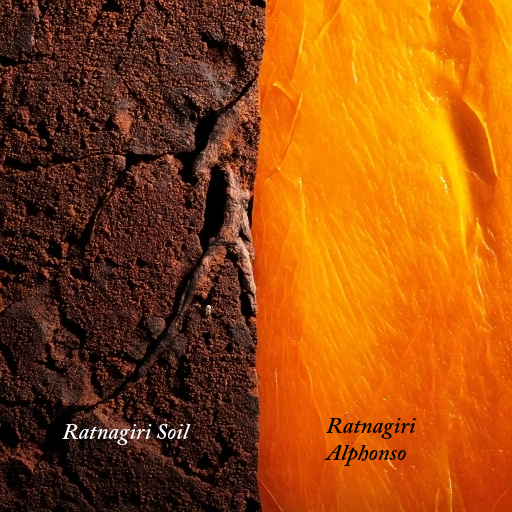
Bite into a Ratnagiri Alphonso mango and something happens that is difficult to explain — a flavor so layered, so perfectly balanced between sweetness and tang, so intensely aromatic that it feels less like eating fruit and more like tasting a specific place. That place is Ratnagiri, and the secret to what makes its mangoes unlike anything grown anywhere else on earth lies not in the sky or the sea — though both play their part — but primarily beneath the surface, in the ancient, mineral-rich laterite soil that has been quietly shaping this fruit’s extraordinary character for centuries.
Laterite: The Unlikely Foundation of Extraordinary Flavor
At first glance, Ratnagiri’s soil is not impressive. The land is dominated by laterite — a dense, iron-rich, reddish rock formed through the long-term weathering of volcanic basalt under alternating wet and dry tropical conditions. Laterite has poor water retention, low organic matter, and limited macro-nutrient content. Agricultural textbooks frequently list it among the least desirable soils for farming. And yet, on this supposedly barren foundation, the world’s most celebrated mango thrives.
The explanation is geological rather than agronomic. Beneath Ratnagiri’s laterite surface lies a layer of partially weathered basalt — rich in zeolite minerals and an extraordinary array of trace elements including iron, manganese, calcium, potassium, magnesium, zinc, copper, and chromium. As mango tree roots push deep through cracks in the laterite to access moisture and nutrients, they draw upon this geological mineral library — a complex, slow-releasing chemical profile that expresses itself directly in the biochemistry of the developing fruit.
This is Ratnagiri’s soil secret: not fertility in the conventional sense, but geological complexity — a mineral richness that no fertilizer program can fully replicate, because it is the product of millions of years of volcanic formation and tropical weathering working together in this specific piece of the earth.
Iron, Manganese, and the Chemistry of Aroma
The hydrated oxides of iron and manganese in Ratnagiri’s laterite soil are not merely geological footnotes — they are active participants in the chemistry of the Alphonso mango’s signature aroma. Research has established that Ratnagiri Alphonso mangoes contain exceptionally high levels of myrcene — a terpenoid compound responsible for the fruit’s intense, room-filling fragrance that mango lovers find so intoxicating. The synthesis of myrcene and other aromatic terpenoids in the mango fruit is directly influenced by the mineral profile available to the tree through its root system.
Iron and manganese, present in bioavailable forms in Ratnagiri’s weathered laterite and underlying basalt, act as co-factors in the enzymatic processes that produce these aromatic compounds during fruit development. In simpler terms: the iron and manganese in Ratnagiri’s soil switch on the biological machinery inside the mango that creates its perfume. Alphonso trees grown in iron-poor alluvial or clay soils — even with identical grafting stock and climate — simply do not produce the same aromatic intensity, because they lack the raw mineral material to drive the process.
The Sugar-Acid Balance: A Soil Story
What most mango lovers describe as the “perfect” flavor of a Ratnagiri Alphonso is technically a precisely calibrated sugar-to-acid ratio — a sweetness that is rich without being flat, undercut by just enough natural acidity to keep the palate engaged. This balance is not an accident of genetics. It is, in significant part, a function of soil chemistry.
Scientific studies on Alphonso mango orchards across Ratnagiri district have tracked the relationship between soil nutrient levels — specifically potassium, phosphorus, and nitrogen — at different stages of fruit development, from flowering through harvest. Their findings confirm that the availability of potassium in the soil during the fruit-ripening phase directly influences the accumulation of sugars in the mango pulp, while phosphorus levels affect the fruit’s acid metabolism. Ratnagiri’s laterite soil, while low in some macronutrients, provides these specific elements in a seasonal rhythm that naturally aligns with the Alphonso’s fruiting cycle — a coincidence of geology and biology so precise it could have been designed.
Drainage That Concentrates Flavor
Laterite’s most criticized property — its inability to retain water — is, paradoxically, one of its greatest contributions to mango flavor. Because Ratnagiri’s soil drains rapidly, mango trees experience a naturally regulated water stress during the critical pre-harvest period. Controlled moisture stress during fruit development is a well-documented mechanism for concentrating sugars, intensifying color, and increasing the density of aromatic compounds in the mango pulp.
Orchards grown in heavy, moisture-retentive clay or alluvial soils receive too much residual water during ripening — the fruit swells, dilutes its sugars, and develops a watery, less complex flavor. Ratnagiri’s fast-draining laterite provides no such luxury. Every Alphonso mango that ripens here is a concentrated expression of what the tree absorbed from the soil — no dilution, no shortcuts, no compromise.
Proximity to the Sea: Salt Air and Soil Interaction
Ratnagiri’s coastal position adds one more dimension to its soil story. Orchards within 30 kilometres of the Arabian Sea coastline receive salt-laden sea breezes that deposit trace quantities of marine minerals — particularly sodium and chloride — onto the orchard floor and into the shallow soil horizon. These marine micro-deposits interact with the existing laterite mineral profile, adding yet another layer to the soil chemistry that roots absorb and fruit metabolizes.
Experienced Ratnagiri farmers have long observed that trees growing closest to the coast consistently produce mangoes with the most intense aroma and the deepest orange pulp color. Science is now beginning to confirm what these growers knew intuitively for generations — that the sea and the soil of Ratnagiri are not separate influences but a single, integrated system, working together to create a fruit that no other geography can reproduce.
Why No Other Soil Tells the Same Story
The concept of terroir — a French term from winemaking that describes how geography, geology, and climate imprint themselves onto the flavor of a product — applies to the Ratnagiri Alphonso mango with more precision than it does to almost any other food in the world. The laterite rock, the zeolite basalt minerals, the fast-draining sandy texture, the iron and manganese oxides, the sea air deposits — each element of Ratnagiri’s soil contributes a specific, measurable influence on the chemistry of the Alphonso mango’s flavor, aroma, and texture.
This is why genuine Ratnagiri Alphonso mangoes carry a GI tag — not as a marketing designation but as a scientific acknowledgment that this fruit’s flavor is inseparable from this soil. You can plant an Alphonso graft in any soil in the world. But you cannot plant Ratnagiri’s geology anywhere else. The soil is the story, and the mango is how you taste it.