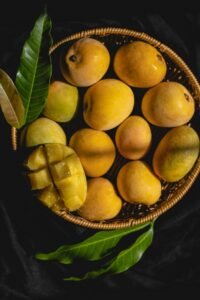
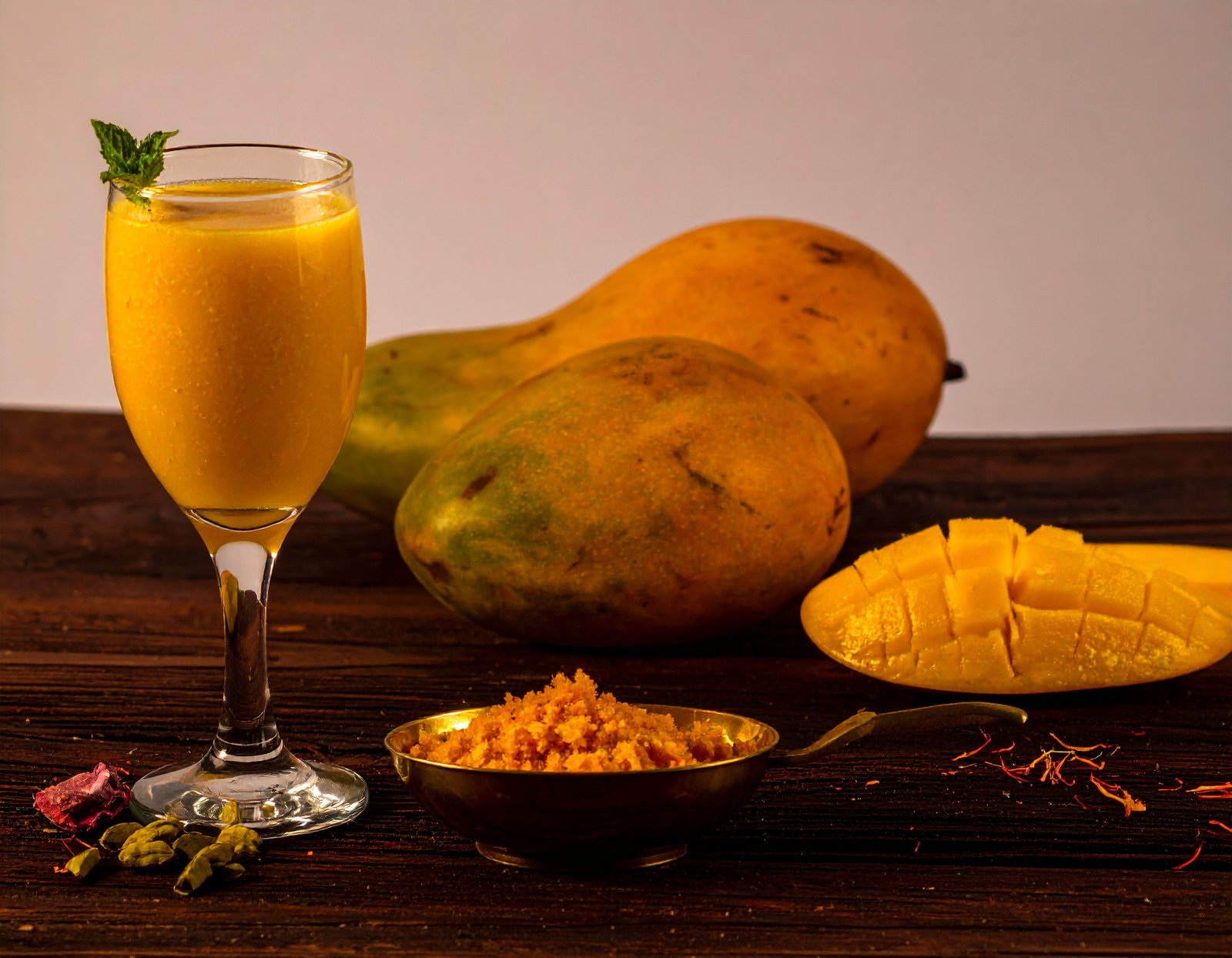
Every Konkan summer has a taste — and long before a single Alphonso mango ripens on the tree, it is the sharp, vivid brightness of the raw kairi that announces the season has arrived. In Konkan households, the appearance of the first raw green mango on the branches means one thing: it is time to make aam panna. Known locally as kairi panha, this is not simply a summer drink. It is a ritual — a cooling, fragrant, deeply satisfying preparation that has been passed down through Konkan kitchens for generations, made with raw mango, jaggery, and a handful of warming spices that together create the most refreshing thing you will drink all summer.
What Makes the Konkan Aam Panna Different
Aam panna is made across India, but the Konkani version — kairi panha — has its own distinct identity. While northern Indian recipes rely heavily on black salt, roasted cumin, and fresh mint for a sharp, savory-sweet flavor, the traditional Konkani aam panna uses jaggery instead of refined sugar and adds cardamom and a few strands of saffron as its primary aromatics — producing a drink that is gentler, more floral, and deeply rooted in the Konkan flavor vocabulary. The use of jaggery is not just a matter of taste — it adds iron, minerals, and a complex, slightly smoky sweetness that refined sugar simply cannot replicate.
The raw mango variety traditionally used in Konkan is the Rajapuri kairi or the locally available raw ghot ambo — thick-skinned, intensely sour green mangoes that yield a fibre-rich pulp bursting with natural acidity and vitamin C. These are not the same premium Alphonso fruits destined for the export market — they are the raw, pre-ripened mangoes that Konkan households have always used for pickles, chutneys, and the beloved summer panha.
Ingredients for Traditional Konkan Aam Panna
(Makes a concentrate for 6 to 8 servings)
- 2 large raw green mangoes (Rajapuri or any firm, sour variety)
- 1 cup jaggery, coarsely grated (adjust to taste)
- ½ teaspoon cardamom powder (velchi powder)
- 4 to 5 saffron strands, dissolved in 2 tablespoons of warm water
- A pinch of salt
- Chilled water and ice cubes for serving
- Fresh mint leaves for garnish (optional)
Step-by-Step Method
Step 1: Cooking the Raw Mango
Wash the raw mangoes thoroughly. Do not peel them — the skin adds natural pectin and a slightly bitter complexity to the pulp that enhances the drink’s character. Place the whole mangoes in a pressure cooker with 2 cups of water and cook on medium heat for 2 whistles. Allow the pressure to release naturally before opening. The mangoes should be completely soft, with the skin beginning to separate from the pulp.
Step 2: Extracting the Pulp
Allow the cooked mangoes to cool completely before handling. Once cooled, peel away the skin — it will slide off easily — and squeeze the pulp away from the seed using your hands. This hand-squeezing technique, traditional to Konkan kitchens, retains the natural fibrous texture of the pulp better than blending and gives the final panha a slightly rustic, full-bodied character. Discard the seed and skin.
Step 3: Making the Concentrate
To the raw mango pulp, add the grated jaggery and mix vigorously by hand until the jaggery dissolves completely into the pulp. If the jaggery is slow to dissolve, heat the pulp gently on the stove for two to three minutes on low flame while stirring — do not boil. Remove from heat, add the cardamom powder and saffron water, and mix well. Taste the concentrate and adjust jaggery for sweetness — the concentrate should be intensely sour-sweet, since it will be diluted when served. Pass the concentrate through a sieve to remove any remaining fibres. Your Konkan kairi panha concentrate is ready.
Step 4: Storing the Concentrate
This is one of the great practical advantages of the traditional kairi panha — the concentrate stores beautifully. Transfer it to a clean airtight glass jar and refrigerate. It will keep for up to 3 months, allowing you to extend the flavors of raw mango season well beyond the weeks when fresh kairi is available. Every glass of aam panna you pour in July carries within it the sourness and fragrance of a raw mango picked in March — that is the genius of the concentrate.
Step 5: Serving
To serve, place 2 to 3 tablespoons of concentrate in a tall glass, add 1 cup of chilled water, and stir well until fully combined. Add ice cubes generously. Taste and adjust the ratio — more concentrate for a stronger flavor, more water for a milder, more cooling version. Garnish with a few fresh mint leaves if desired. Serve immediately, while the glass is cold and the saffron’s fragrance is at its most vivid.
The Health Wisdom Behind the Recipe
Traditional Konkan kairi panha is not just delicious — it is functional. Raw mango is one of the richest natural sources of Vitamin C in the Indian fruit calendar, with a single medium raw mango providing nearly 100% of an adult’s daily Vitamin C requirement. The combination of raw mango’s malic and citric acids with jaggery’s mineral content creates a drink that actively replenishes electrolytes lost through summer heat and perspiration — making it one of the most effective traditional heat-stroke prevention remedies in South Asian culinary medicine.
The cardamom aids digestion, the saffron lifts mood and soothes the nervous system, and the mango’s natural pectin supports gut health — every ingredient in the traditional Konkani recipe does something purposeful. This is not a coincidence. It is the accumulated wisdom of generations of Konkan women who understood that the best food heals as much as it nourishes.
A Drink That Tastes Like Summer in Konkan
There is something irreplaceable about a glass of freshly made kairi panha on a hot April afternoon in Konkan — the sourness that makes your eyes water for a split second before the jaggery’s sweetness follows and the cardamom and saffron settle gently behind both. It is a flavor that is simultaneously simple and complex, refreshing and deeply comforting, local and yet familiar to every palate that has ever tasted summer in India.
Make this recipe once and you will understand why Konkan households have been making it every mango season for as long as anyone can remember — and why no packaged mango drink, no matter how cleverly marketed, has ever come close.