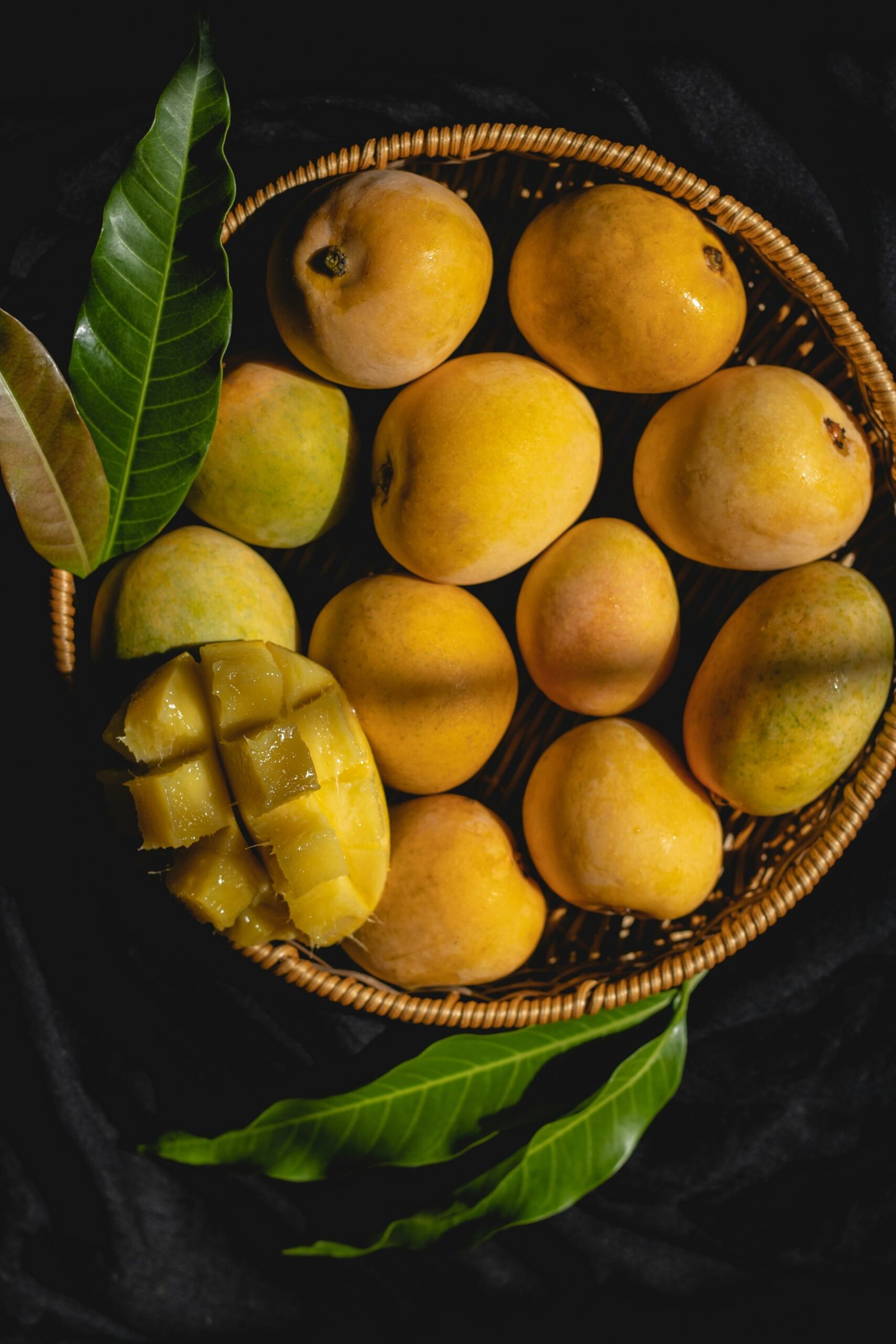
Every time you buy a mango from a local Konkan farmer — whether directly through a brand like Kokan Samrat or through a community farm order — you are making a decision that extends far beyond the fruit in your hand. You are participating in an economic chain that sustains farming families, preserves agricultural traditions, protects a landscape, and keeps alive a standard of quality that industrial supply chains have never been able to replicate. In an era when food buying is increasingly abstracted — a few taps on a phone, a box at the door, no questions asked — choosing to support a local mango producer is a small act with consequences that ripple outward in ways most people never fully see.
You Get a Better Mango — Full Stop
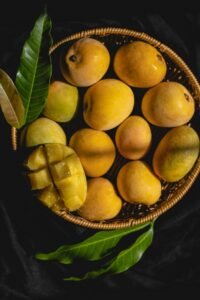
The first and most immediate benefit of buying from a local mango producer is the simplest one to experience: the mango tastes better. Not marginally better — categorically better. When a Ratnagiri Alphonso is grown by a farmer who monitors individual trees, harvests at the precise right moment, packs the same morning, and dispatches the same day, the fruit that arrives at your door carries the full sensory profile of the orchard it came from.
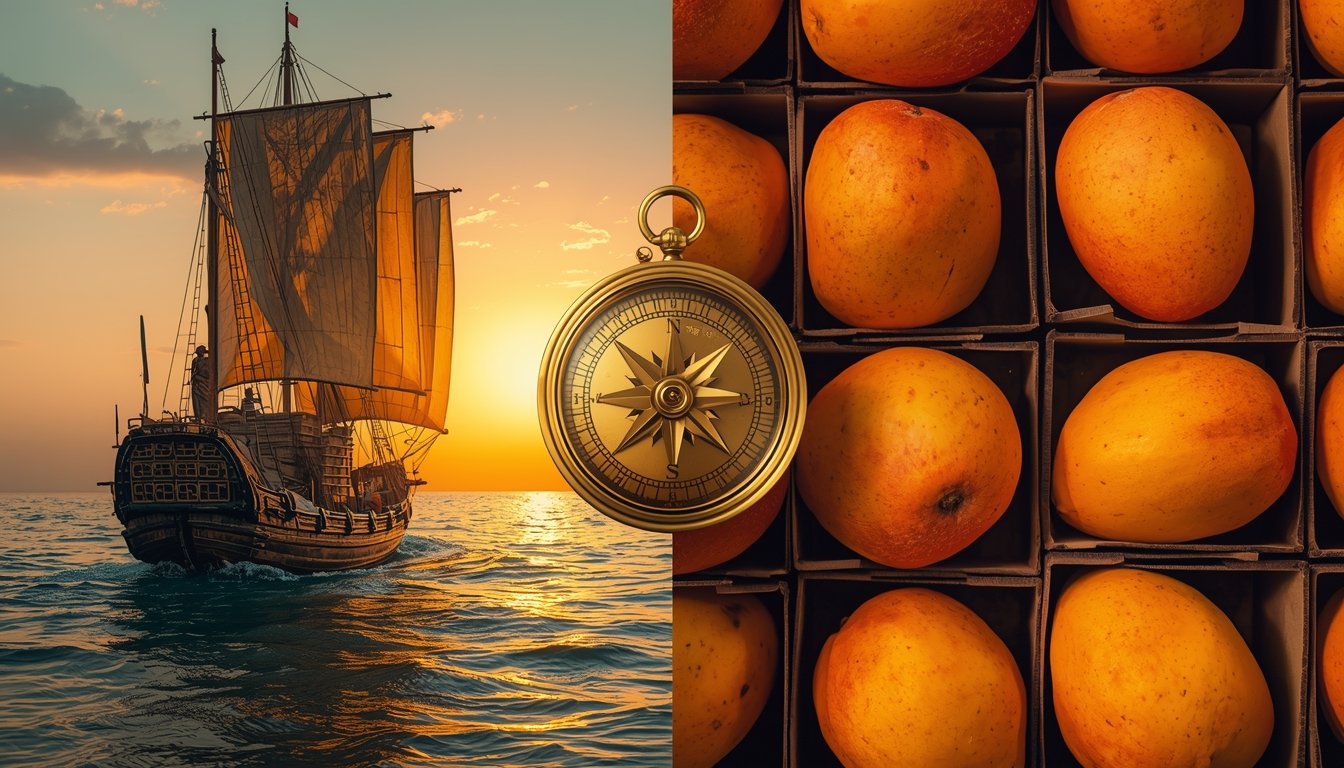
By contrast, mangoes that travel through the wholesale mandi system pass through multiple handlers — from farmer to aggregator to wholesaler to retailer — each step adding time, heat exposure, and handling pressure that degrades flavor, bruises skin, and forces premature harvesting to accommodate the longer supply chain timeline. The average mango you buy from a commercial retailer was harvested days before it needed to be, ripened artificially with calcium carbide in transit, and handled by four or five intermediaries before it reached you. The local farm-direct mango was on the tree 48 hours ago. The difference is not a marketing claim. It is a measurable reality in every bite.
You Put Fair Money in the Right Hands
The conventional mango supply chain is structured in a way that systematically undercompensates the one person who did all the work — the farmer. A Ratnagiri Alphonso mango sold at ₹800 per dozen in a Mumbai retail store typically returns ₹180 to ₹250 to the farmer who grew it. The remaining ₹550 to ₹620 is distributed across a chain of aggregators, transporters, wholesale traders, and retailers — none of whom planted a tree, monitored a flowering, or made a single decision that affected the fruit’s quality.
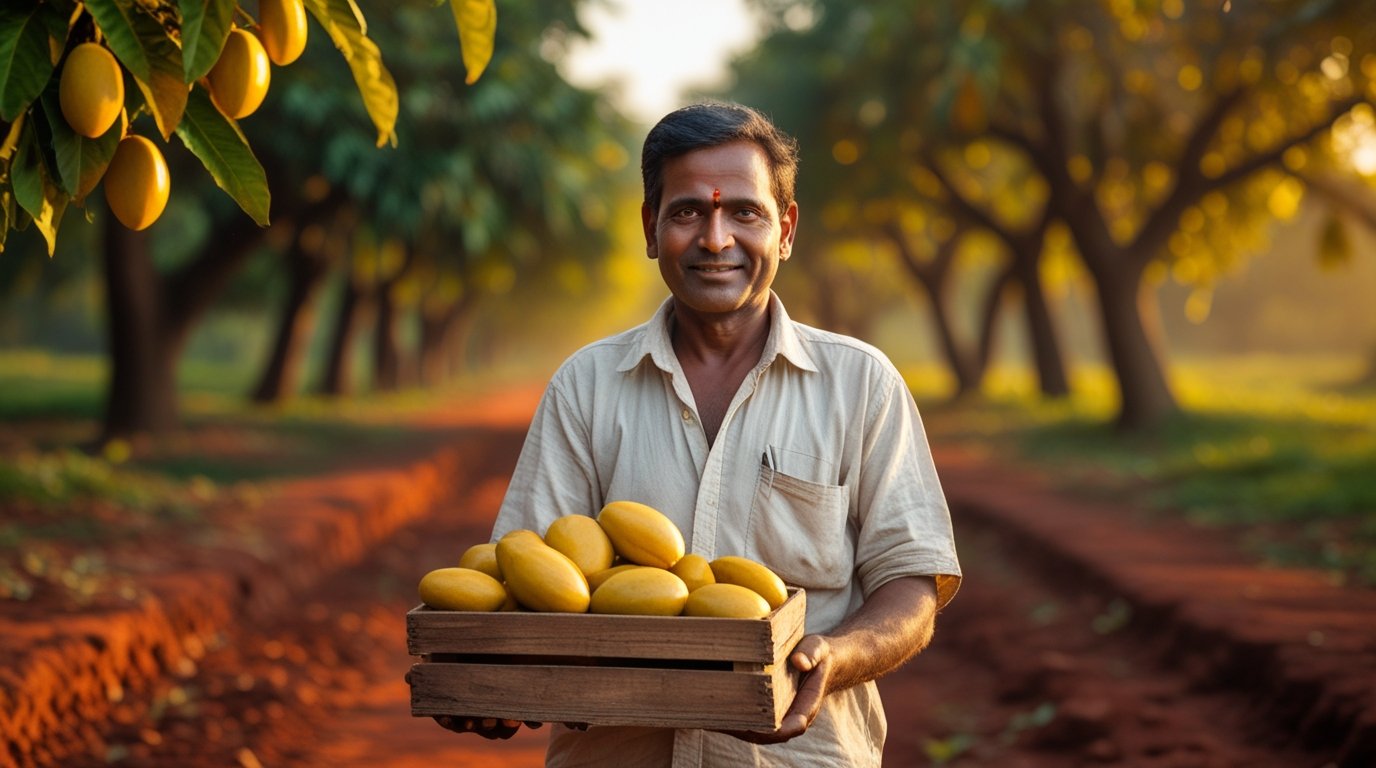
When you buy directly from a local mango producer like Kokan Samrat, this equation changes fundamentally. Eliminating intermediaries means a significantly higher proportion of the purchase price reaches the farming family that earned it. The practical impact of this is substantial: 130 smallholder Alphonso farmers in the Ratnagiri and Konkan region who participated in Farm Gate 2.0 — a sustainable direct procurement program — saw their revenues increase by 15 percent simply through improved market access and reduced intermediary dependency. That 15 percent represents school fees paid on time, equipment repaired, seeds purchased for the next season, and a farming family with slightly more security than they had the year before.
You Sustain a Farming Community That Cannot Easily Pivot
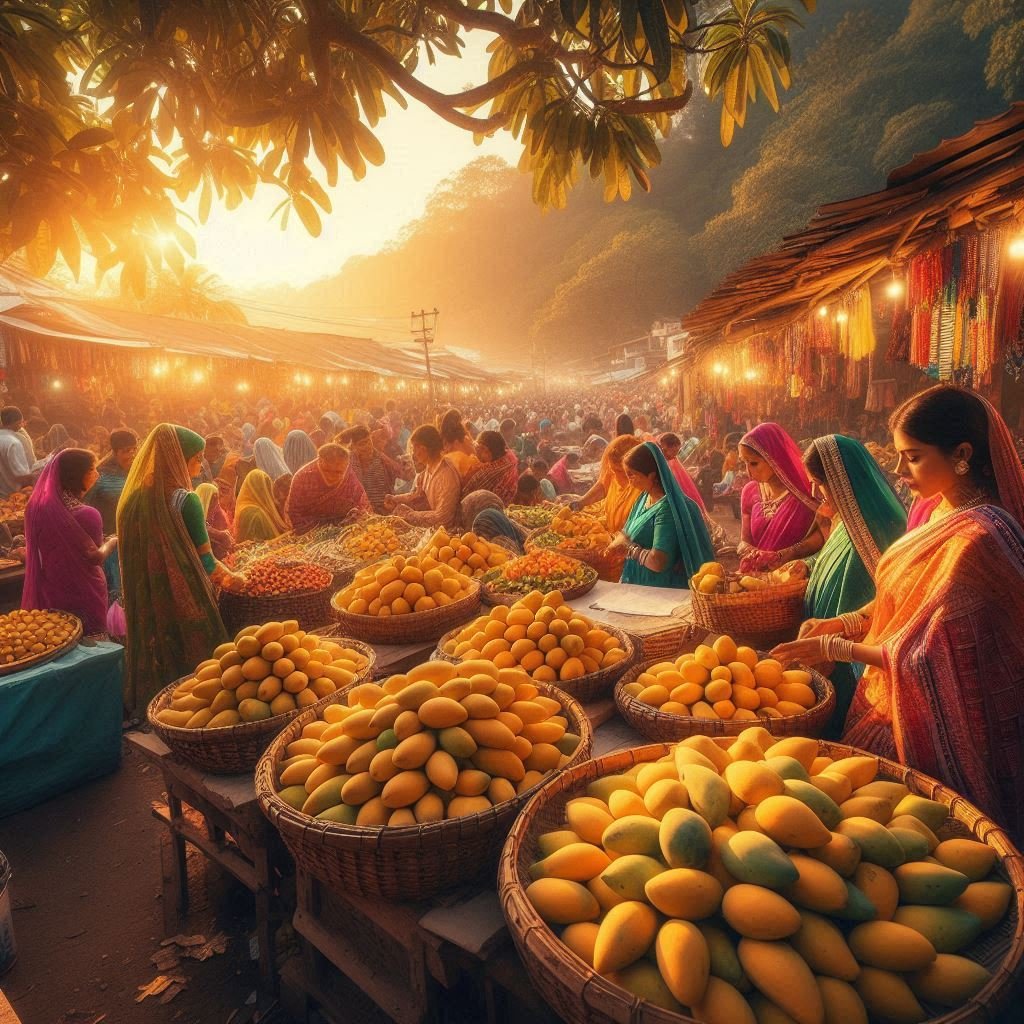
Mango farming in Konkan is not a diversified agricultural operation. For tens of thousands of farming families across Ratnagiri, Devgad, Sindhudurg, and surrounding districts, the Alphonso mango is the primary — and often the only — commercial crop. Their entire annual income arrives in a ten-to-twelve-week window between March and June. There is no second crop, no safety net, and no alternative revenue stream that can absorb a season of poor sales. When urban consumers choose cheaper, imported, or artificially ripened mangoes over the local farm-direct alternative, the financial impact on these families is not absorbed by a corporate supply chain — it is absorbed by a single household budget that was already stretched by climate uncertainty, input costs, and the relentless pressure of an increasingly unpredictable season.
Supporting a local mango producer during peak season is, in the most direct possible sense, income protection for a rural family that has no other source of it. The weeks between April and June are not just the best time to eat a Ratnagiri Alphonso. They are the only weeks in the year when buying one makes a meaningful, immediate difference to the person who grew it.
You Protect a Living Agricultural Tradition
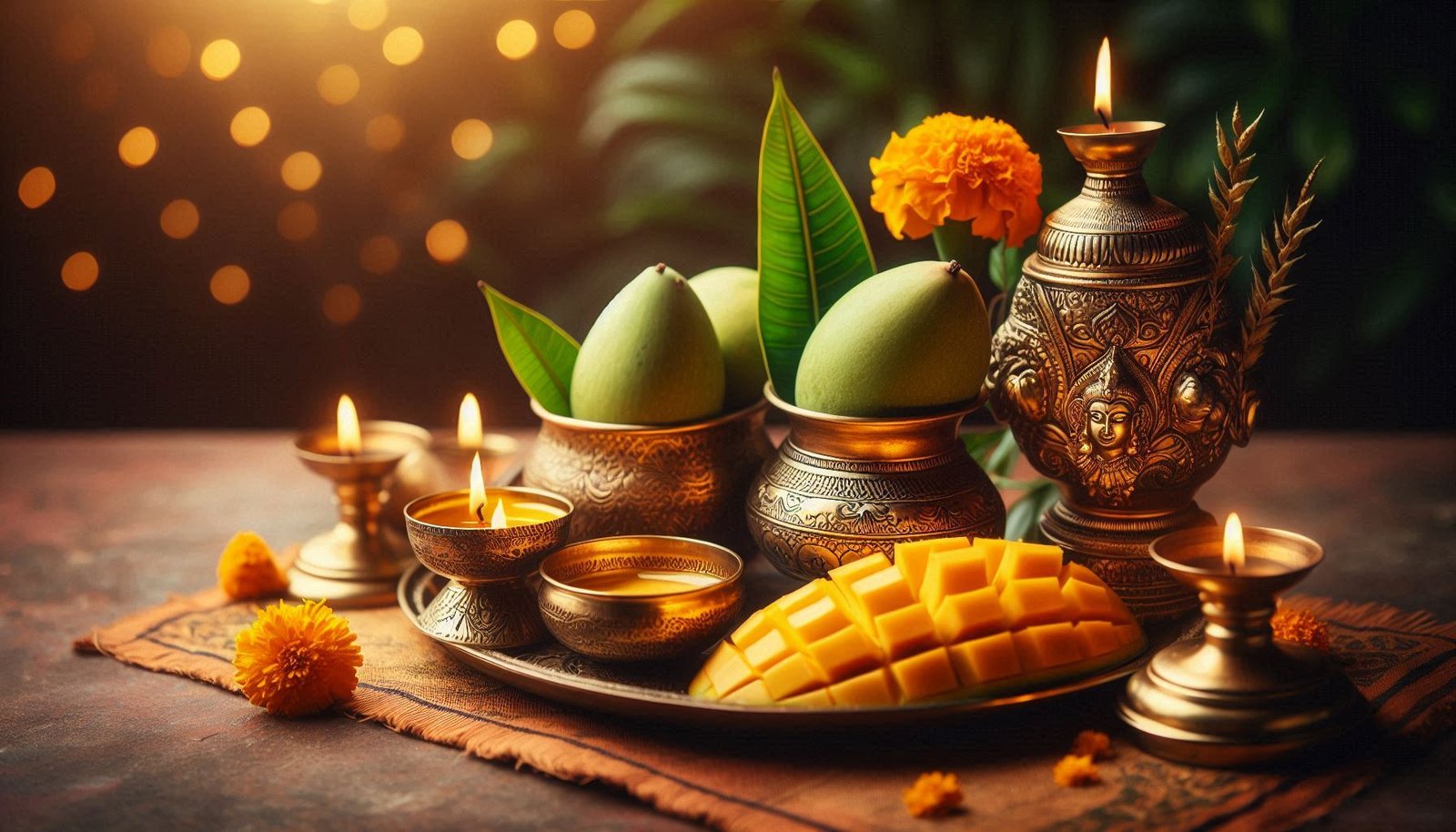
The Ratnagiri Alphonso mango’s extraordinary quality is not maintained by a recipe or a formula. It is maintained by a community of farmers who carry generations of orchard knowledge — when to prune, how to read a tree’s flowering, which microclimate within the orchard produces the most aromatic fruit, how to manage the specific pest pressures of a laterite hillside. This knowledge is not written down in any manual. It lives in practice, passed from farmer to farmer and from parent to child, and it survives only as long as mango farming remains economically viable enough to be worth inheriting.
When the economics of local mango farming collapse — when prices fall below the cost of production, when young people in farming families see no future in an orchard their grandparents planted — this knowledge disappears with the generation that held it. No agricultural university or government scheme has ever successfully codified the intuitive, accumulated expertise of a thirty-year Konkan mango farmer. The only way to preserve it is to keep the farmers who carry it farming.
You Vote for a Food System Worth Having
At a broader level, every local farm-direct mango purchase is a vote for a food system that values quality over standardization, community over convenience, and transparency over abstraction. India produces over 60 percent of the world’s mangoes — and the vast majority of that production comes from smallholder farmers working plots of less than two hectares, without the economies of scale, the market access, or the price negotiating power of large agricultural corporations.
These are the producers who maintain India’s extraordinary mango biodiversity. They are the custodians of the Alphonso, the Sindhu, the Ratna, the Pairi — each variety a living expression of a specific soil, a specific climate, and a specific tradition of care. Supporting them is not nostalgia. It is the pragmatic recognition that the food systems most worth preserving are those built not on scale and standardization, but on knowledge, place, and the irreplaceable quality that only a skilled farmer with deep roots in a specific piece of land can consistently produce.
The mango you buy from Kokan Samrat is not just a fruit. It is a relationship — between your table and Darshan’s orchard, between your choice as a consumer and the economic reality of a farming family in Ratnagiri. That relationship is worth choosing, every season.