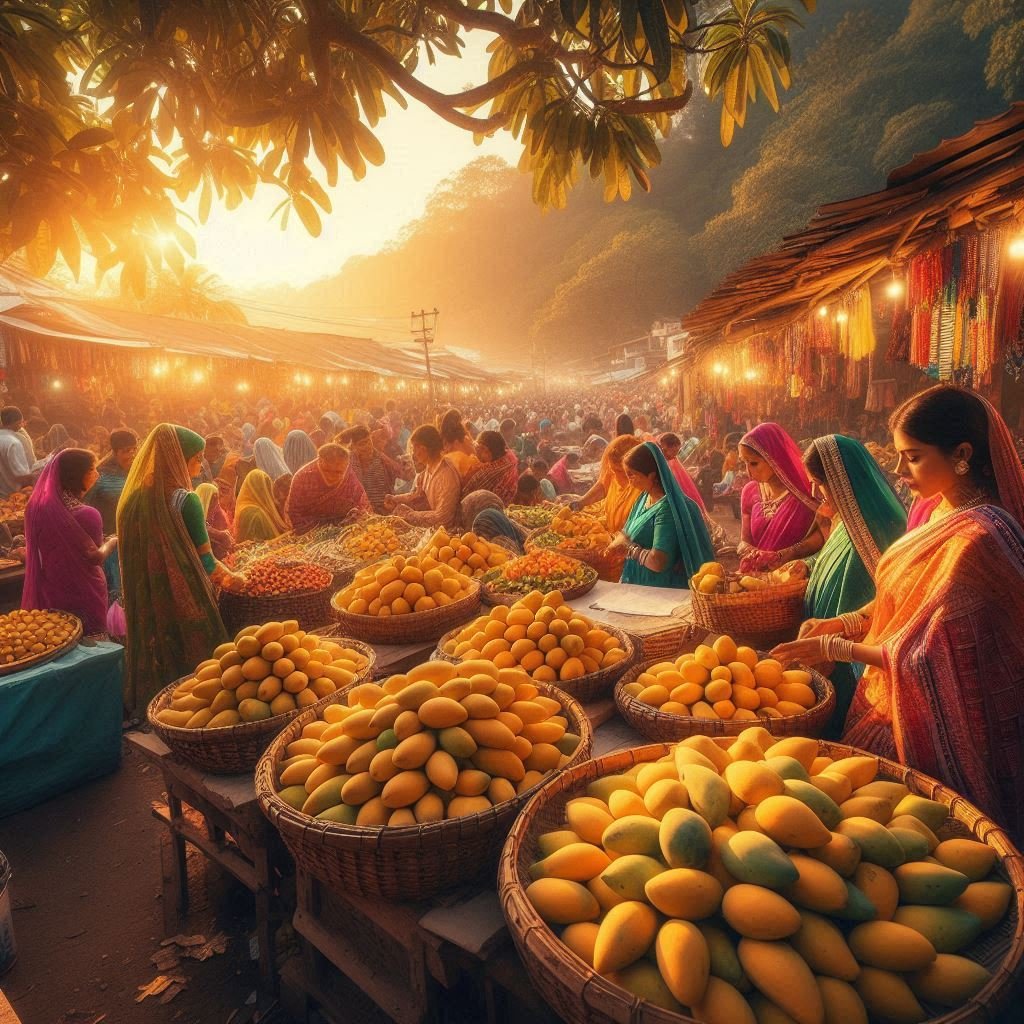
Walk through any mango stall or browse any online fruit store during the season, and you will notice the same consumer instinct playing out again and again: hands reaching past the smaller fruits, eyes drawn to the largest, most impressive-looking mango in the box. It feels logical. Bigger fruit means more value, more pulp, more mango. In most contexts — furniture, apartments, television screens — size is a reliable proxy for quality. In the mango world, it is one of the most persistently misleading signals a buyer can use — and this article is here to explain exactly why.
The Alphonso Is Designed to Be Small
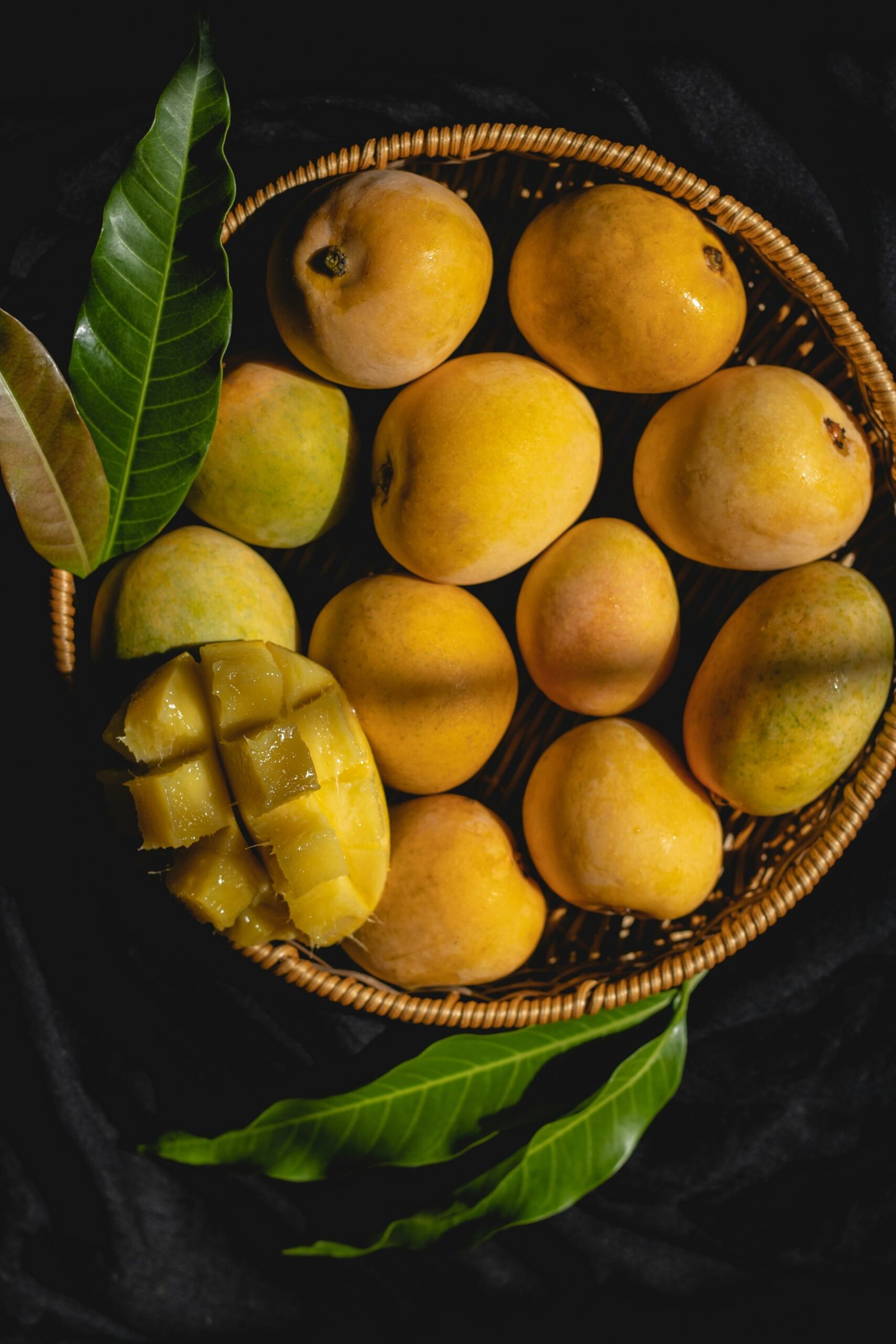
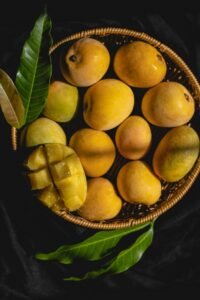
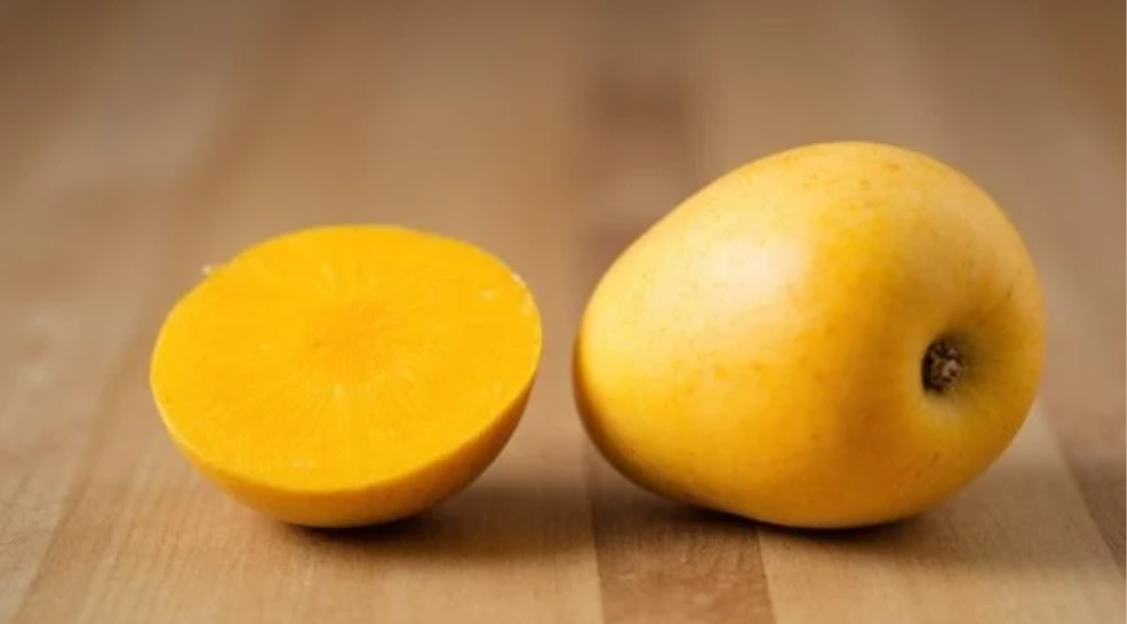
One of the most important facts about the Ratnagiri Alphonso mango that most consumers do not know is that the variety is, by its natural biological design, a small to medium-sized fruit. The genuine Alphonso — particularly the Ratnagiri Hapus grown on laterite soil in the Konkan region — typically weighs between 150 and 250 grams and presents as a slightly oval, compact fruit with a characteristic rounded base. This is not a deficiency. It is the physical expression of a tree that has channeled its energy into sugar concentration, aromatic compound production, and pulp development rather than cell expansion and water volume.
A consumer who bypasses a 180-gram Alphonso in favor of a 350-gram mango from the same stall is almost certainly choosing the wrong fruit. The larger fruit in that scenario is more likely to be a different variety entirely, a fruit grown in alluvial or irrigated soil that supports greater cell expansion but not greater flavor density, or a mango that achieved its size at the direct expense of the Brix levels and aromatic terpenoid concentrations that define quality.
The Science of Sugar Concentration: Why Smaller Can Mean Sweeter
The relationship between mango size and sweetness is not intuitive — but it is well-documented. Brix, the measurement used to quantify dissolved sugar content in fruit juice, is directly affected by the dilution effect of cell water volume. A mango that grows large primarily through cell expansion — driven by excessive irrigation, high-nitrogen soil, or favorable growing conditions that produce abundant water uptake — distributes its fixed amount of photosynthetically generated sugars across a larger volume of pulp. The Brix level per 100 grams of juice falls as volume increases. The mango is bigger, but proportionally less sweet.
A smaller mango growing on the same tree, in the same season, under lower water availability and on the mineral-complex but moisture-restricted laterite soil of Ratnagiri, concentrates its sugars into a smaller volume. The Brix level per 100 grams of juice rises. Premium Alphonso mangoes consistently record Brix levels between 18 and 22 degrees — among the highest of any commercially grown mango variety in the world. These readings are consistently associated with smaller, denser fruits rather than the largest fruits in any given harvest batch.
The Aroma Argument: Fragrance Lives in Density, Not Volume
The Alphonso mango’s most celebrated attribute — its room-filling, honeyed, floral aroma — is produced by a family of volatile aromatic compounds called terpenoids, with myrcene as the primary contributor. These compounds are synthesized in the fruit’s skin and outermost pulp layer during natural ripening and are directly correlated with the mineral profile the tree accessed through its root system during fruit development.
A smaller, denser Alphonso has a higher ratio of aromatic skin-to-pulp than a large one. This means more aromatic compounds per gram of fruit consumed — a more intense fragrance both before cutting and during eating. When an experienced Konkan farmer or a knowledgeable buyer smells the stem end of a small, dense Alphonso and a large, watery one from the same variety, the fragrance difference is immediate, unmistakable, and always in favor of the smaller fruit.
What Large Mango Size Usually Signals
If a small Alphonso is typically the better-quality fruit, what does a large Alphonso actually signal? In most cases, one or more of the following:
Excessive irrigation during the fruit development phase, which inflates cell size through water uptake at the expense of sugar concentration. Heavy fertilizer application, particularly nitrogen-rich inputs that stimulate cell division and growth at the cost of flavor chemistry. A different variety entirely — many traders label larger, lower-quality mangoes as Alphonso for premium pricing, relying on the consumer’s misplaced size preference to make the deception effective. Late-season fruit from the second or third flowering, which tends to be larger but consistently lower in Brix and aroma than first-flush harvest fruit.
None of these factors improve the eating experience. All of them tend to produce a fruit that looks impressive in the hand and disappoints at the table — the exact reverse of what a genuine, carefully grown Alphonso delivers.
What You Should Actually Look For Instead
If size is not the right indicator, what is? The reliable quality markers for a premium Alphonso mango — in order of importance — are:
Aroma first. Smell the stem end before anything else. A genuinely ripe, quality Alphonso produces a powerful, sweet, honeyed fragrance that needs no cutting to detect. If there is no smell, there is no quality — regardless of size.
Skin color character. Look for the natural, uneven golden-yellow skin with green near the stem and a faint reddish blush on the sun-exposed side — the uneven color pattern that reflects genuine tree-ripened development.
Density in the hand. A quality Alphonso feels dense and heavy relative to its size — not light or hollow. Press gently: the give should be uniform across the surface, not soft in patches.
Pulp-to-seed ratio. The best Alphonso fruits have a small, flat seed relative to their total weight — maximizing the pulp you receive. This ratio is a varietal characteristic, not a size characteristic, and a small Alphonso with a tiny seed delivers more edible pulp per gram than a large mango with a proportionally bigger seed.
Closing: Trust Your Nose, Not Your Eyes
The mango buying habit that serves you best is the one most people have to consciously learn, because it runs counter to the visual instincts that work everywhere else in life. The next time you are choosing Alphonso mangoes, set the largest ones aside and pick up the most fragrant one — the small, dense, deeply golden fruit that smells of a Konkan summer before you have even brought it to your face. That is the quality signal that never lies.
Size is a surface impression. Aroma is the truth of the fruit. At Kokan Samrat, we grade every mango on fragrance, density, and Brix — not weight — because we know what the science says, and we know what genuinely excellent mango tastes like. The best ones rarely make it into the largest-size box.