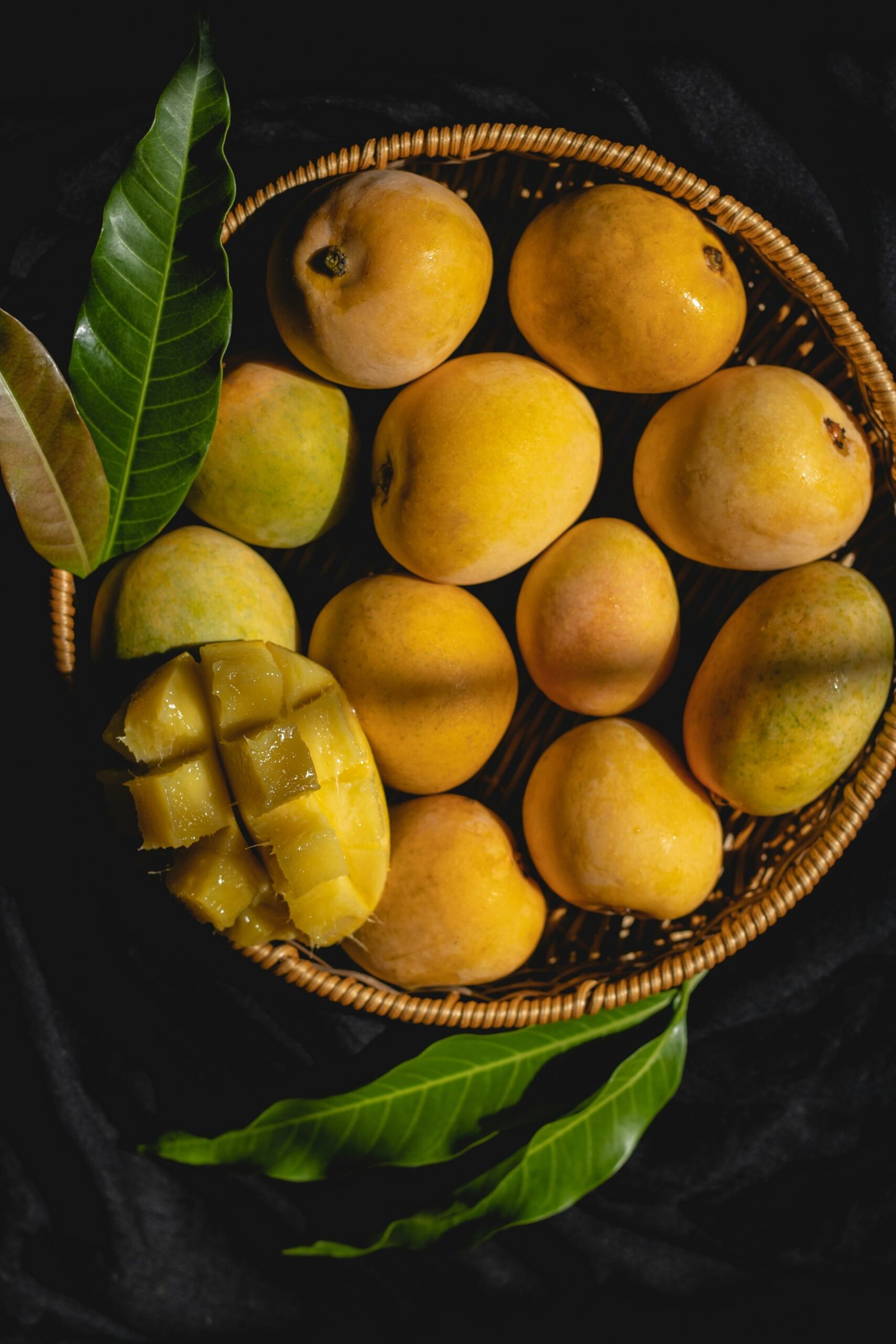
India produces over 1,500 named mango varieties — and exactly one of them commands a premium so powerful that counterfeit versions of it flood urban markets every single season. The Konkan-grown Alphonso — known as Hapus in Maharashtra — is the most impersonated fruit in the country. Mangoes from Karnataka, Andhra Pradesh, Gujarat, and even Uttar Pradesh are regularly sold in Mumbai, Pune, Delhi, and Bengaluru under the Ratnagiri or Devgad Hapus label, sometimes repackaged into branded boxes, sometimes fitted with stickers, and sometimes sold purely on the shopkeeper’s verbal claim. The consumer pays a premium price, takes the fruit home, and wonders why it does not taste the way they remember from last year.
The gap between what is sold as Konkan Hapus and what actually is Konkan Hapus is not a minor market imperfection. It is a systematic deception that defrauds consumers, undercuts genuine Konkan farmers, and dilutes the reputation of one of India’s most protected agricultural products. Here is exactly how to tell the real thing from the imitation — using your eyes, your nose, your hands, and the paper trail that only a genuine Konkan mango can produce.
The GI Tag: The Only Official Proof of Origin
The Alphonso mango holds a Geographical Indication (GI) tag — an intellectual property certification granted under Indian law that guarantees a product’s specific geographic origin and the quality standards associated with it. The GI tag for Alphonso mango covers mangoes grown in Ratnagiri, Sindhudurg, Raigad, Thane, and Palghar districts of Maharashtra. A mango grown outside these regions cannot legally be called an Alphonso — regardless of variety, regardless of how it looks, and regardless of what any sticker on the box says.
When buying from a retailer, seller, or online platform, ask explicitly for GI certification documentation — not just a verbal claim or a logo printed on a box. Genuine sellers from Kokan Samrat and other certified farms carry documented GI traceability. The Devgad Taluka Mango Growers’ Cooperative Society has gone further still — implementing a patented tamper-proof sticker system specifically because barcodes and QR codes were being replicated by fraudulent traders. If a seller cannot provide documented proof of GI-certified origin, the burden of proof shifts entirely to the sensory tests below.
Shape and Size: The Geometry of Authenticity
The genuine Ratnagiri Alphonso has a precise and recognizable silhouette that experienced buyers learn to identify instantly. It is oval-shaped with a slightly curved, rounded top — not elongated, not perfectly round, and not angular. The Devgad Hapus specifically has a gentle curve at the apex that distinguishes it from Ratnagiri and from Karnataka varieties.
The size, as discussed in our previous article, is small to medium — typically between 150 and 250 grams. A mango sold as Hapus that is noticeably large and round is almost certainly not from Ratnagiri or Devgad. The Konkan laterite soil and the climatic conditions of the coastal Sahyadri foothills naturally produce compact, dense fruit — not the inflated, water-heavy fruit that alluvial plains or heavily irrigated orchards yield. Shape and size alone will not confirm authenticity, but they eliminate a large number of impostors immediately.
Skin Color: Read the Gradient, Not the Shade
Both genuine and counterfeit Hapus mangoes turn yellow when ripe — which is why color alone is not a sufficient test. What you need to read is the character of the color, not simply its presence.
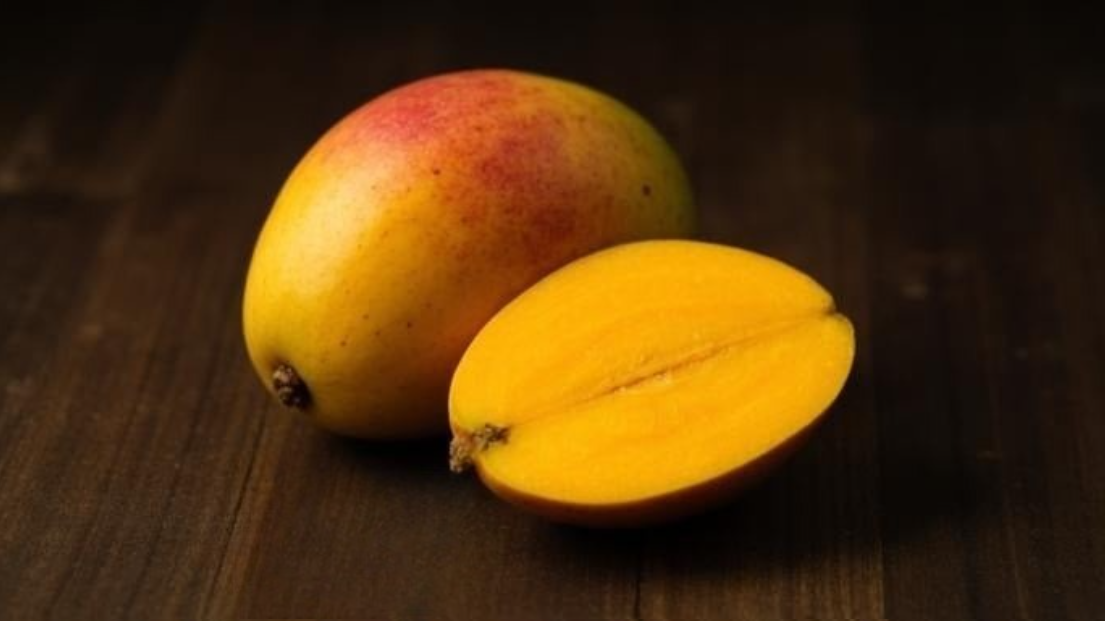
A genuine Konkan Alphonso at the correct ripeness stage displays a golden-yellow skin with a warm saffron-orange tint and a distinctive reddish blush on the shoulder or upper cheek — the sun-exposed side of the fruit as it hung from the tree. The color is not uniform. It graduates naturally from deeper gold at the base to slightly greener near the stem end, with the red blush present on one side only — reflecting the actual direction of sunlight in the orchard.
A Karnataka mango or an UP variety sold as Hapus typically has either a uniformly flat yellow color with no color gradient and no red blush, or an unnaturally bright, plasticky yellow that signals carbide treatment. The Ratnagiri Alphonso’s skin is also notably thin — thinner than most other varieties, with a slight translucent quality at peak ripeness that you can see when the fruit is held toward light. A thick, waxy, opaque skin on a mango sold as Hapus is a reliable red flag.
The Aroma Test: The Non-Negotiable Standard
If there is one test that no imitation mango has ever passed, it is the aroma test. The genuine Konkan Alphonso produces a powerful, sweet, honeyed, and floral fragrance that is detectable from a short distance — sometimes even through sealed packaging. This fragrance is produced by a specific combination of aromatic terpenoids — particularly myrcene and ocimene — that are synthesized only when the fruit ripens naturally on a tree growing in the specific mineral-rich laterite soil of the Konkan belt.
Hold the mango close and smell the stem end — the concentration of aromatic compounds is highest at this point. A genuine Alphonso from Ratnagiri or Devgad will hit you with fragrance immediately — full, complex, unmistakably tropical. A Karnataka mango, a Gujarat Kesar mislabeled as Hapus, or an artificially ripened imitation will either produce no fragrance, a faint generic sweetness, or a faintly chemical smell near the stem. The aroma is the single most reliable authentication test available to the consumer without laboratory equipment — and it takes three seconds.
The Pulp Test: What Cutting Open Reveals
A genuine Konkan Alphonso, cut open, shows deep, uniformly golden-orange pulp that is completely free of fiber, smooth in texture, and glistening with natural juice. The pulp-to-seed ratio is high — the flat, relatively small seed occupies a minimal proportion of the fruit’s interior. The flesh near the skin is the same color as the flesh near the seed — no pale patches, no whitish areas, and no dry or chalky sections.
A mango falsely sold as Konkan Hapus will typically reveal itself immediately at this stage: fibrous strings visible in the pulp, pale or uneven coloring deeper into the flesh, a larger seed relative to total fruit size, and a taste that is either flat-sweet, bland, or faintly bitter at the finish. The genuine Alphonso has a taste profile that is layered — an initial burst of honeyed sweetness followed by a gentle tang that resolves cleanly, with no aftertaste and no bitterness.
Buy Right: The Source Is the Safest Test of All
Every sensory test in this article becomes unnecessary when you buy directly from a verified, documented, farm-origin source. At Kokan Samrat, every mango is grown in the GI-certified Konkan region, harvested by hand at the correct ripeness stage, and dispatched directly to the customer the same day — with complete traceability from orchard to doorstep.
The Konkan Alphonso’s extraordinary quality is inseparable from its specific origin. The laterite soil, the salt-laden coastal air, the precise elevation and microclimate of the Sahyadri foothills — none of these can be replicated in Karnataka or Uttar Pradesh, regardless of how a mango is labeled. When you buy genuinely, you are not just getting a better mango. You are getting the only mango that the name Hapus was ever meant to describe.