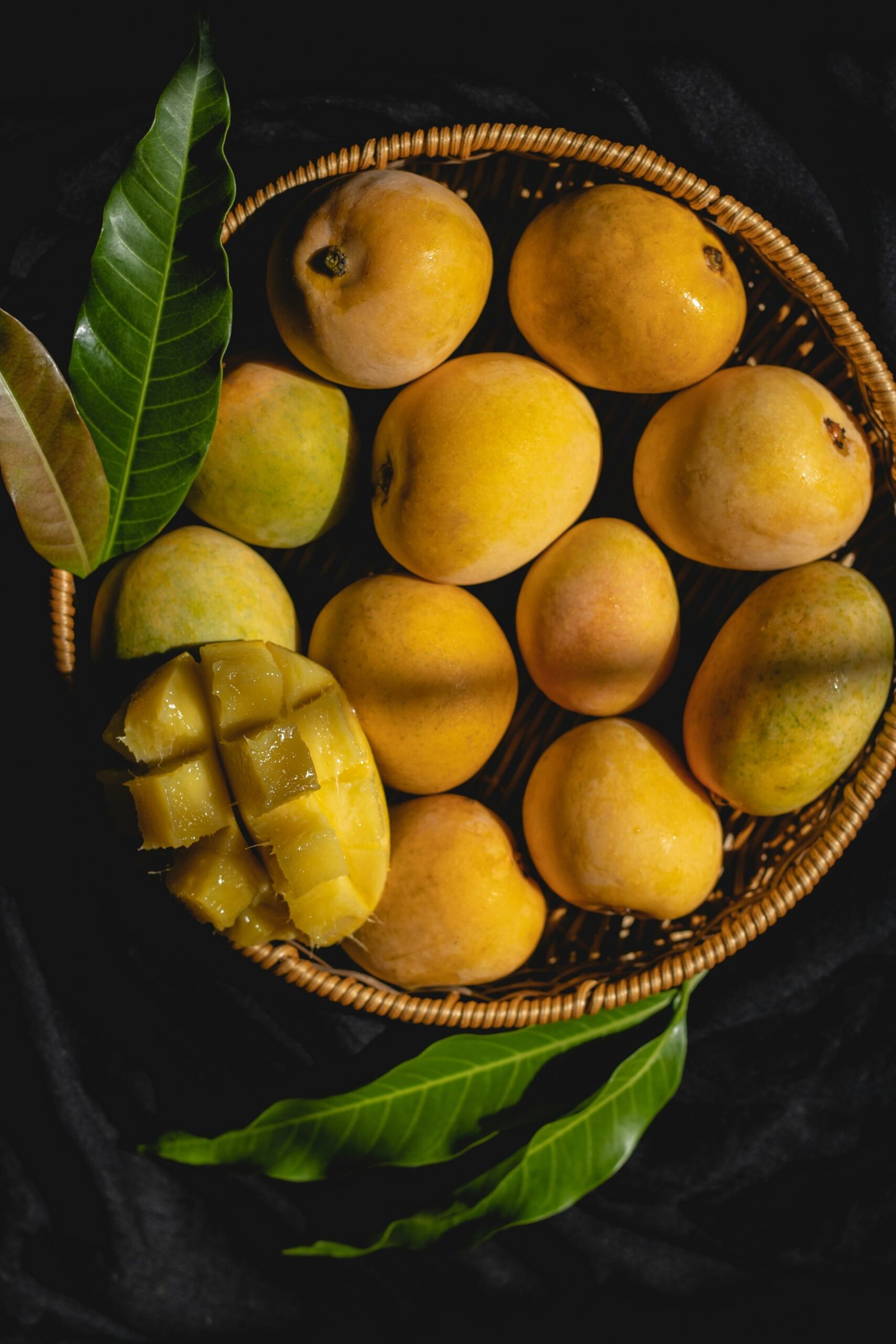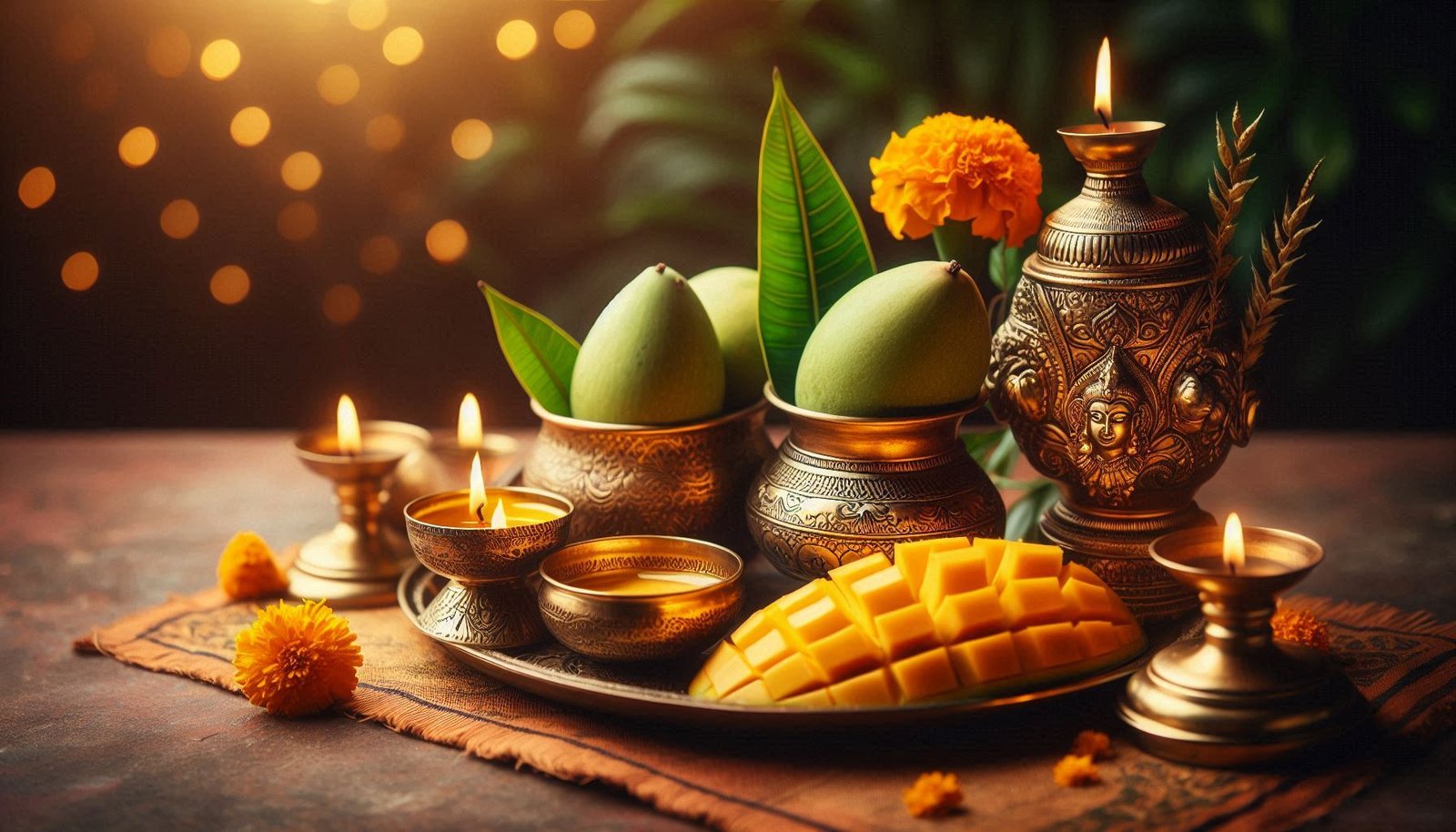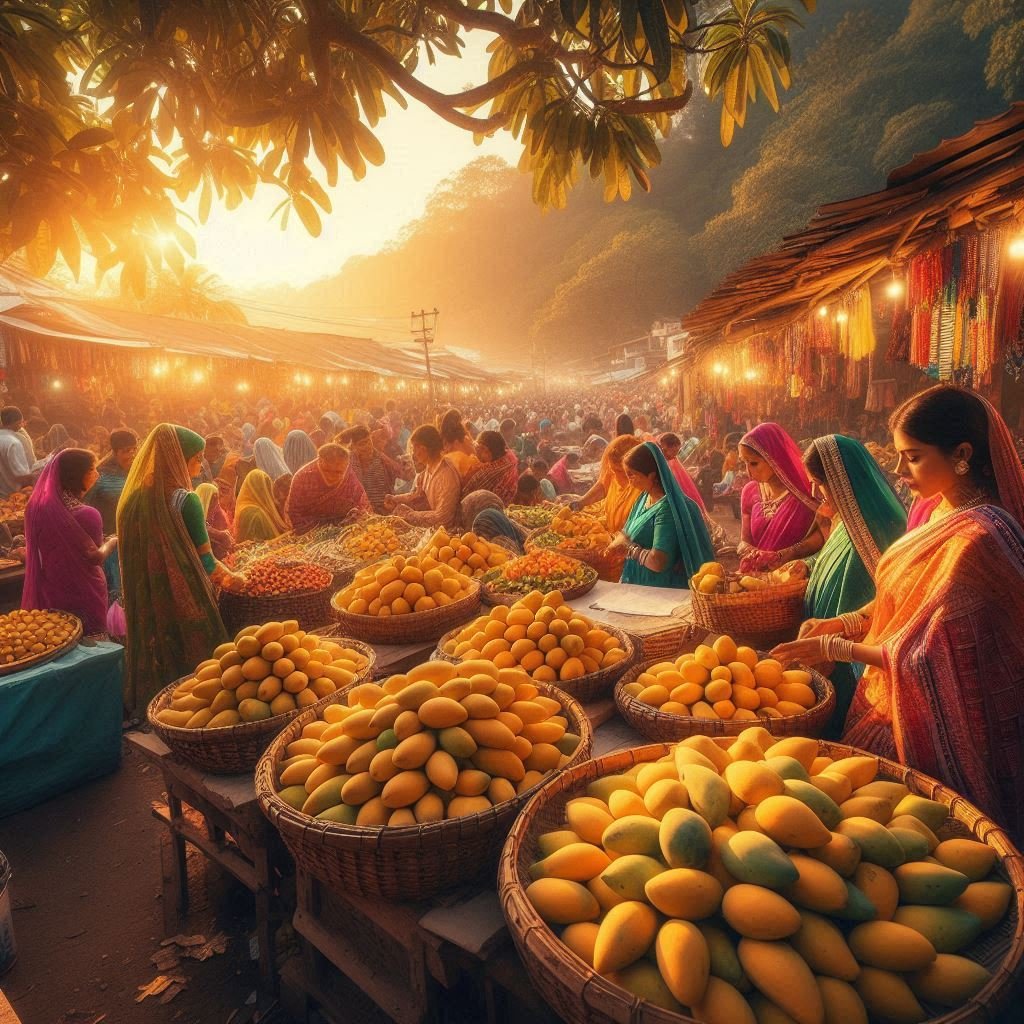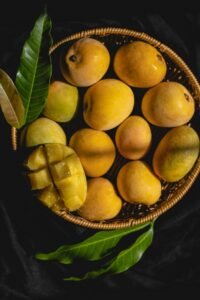
In most parts of India, summer is something to be survived — endured through cooler rooms, chilled water, and the impatient wait for the first rains. In Konkan, summer is something to be lived. Not despite the heat, but because of what the heat brings with it: the mango season. From March through June, the entire rhythm of life along the Maharashtra coast — social, economic, culinary, and emotional — reorganizes itself around the Alphonso mango. Meals change. Schedules change. Houses smell different. Conversations are different. No single fruit anywhere in India exerts this kind of seasonal gravitational pull on an entire region’s way of living, and understanding it requires more than a recipe or a harvest statistic. It requires spending a Konkan summer with your eyes open.
The Morning Ritual: Aamras Before Everything Else
The Konkan summer morning has a specific sequence that thousands of households follow as naturally as they breathe. Before the heat peaks, before the day’s work begins in earnest, the kitchen fills with the sound of mangoes being pressed. Aamras — the thick, silky, hand-pressed pulp of the Alphonso — is not a dessert in Konkan. It is breakfast, it is celebration, and it is the most direct expression of what the season means.
The preparation itself is a ritual. Alphonso mangoes are set out in a shallow basket the evening before — not refrigerated, never refrigerated — allowed to ripen to the precise point where the pulp has liquefied just enough to press cleanly from the seed by hand, without cutting. Grandmothers in Konkan households are universally acknowledged as the authority on this judgment: the exact softness, the particular fragrance at the stem end, the way the mango yields to a gentle press around the equator. The aamras they produce from mangoes at this precise stage has a color, consistency, and depth of flavor that no blender, no shortcut, and no earlier ripeness stage can replicate.
Aamras puri — the thick golden pulp served alongside hot, freshly fried puffed bread — is the meal that Konkan families serve at summer weddings, at family reunions, and on the afternoon that the season’s first box arrives at the doorstep. It is a dish that exists outside the category of everyday food; it belongs to the category of seasonal ceremony.
The Kitchen as a Preservation Workshop
The Alphonso’s season is generous but brief — ten to twelve weeks at most — and the Konkan kitchen responds to this constraint with a quiet, practiced urgency that begins the moment the mangoes arrive in volume. Summer in Konkan is also the season of making things that will last the year: nonche — the fierce, spice-packed Konkani mango pickle — pressed and jarred in batches during April and May and opened on the first cold monsoon evening in July when fresh mangoes are a memory.
Aamba poli — a thin, sweet, dried mango sheet made by spreading aamras pulp on plates and leaving it in the sun for six to seven days until it sets into a translucent, intensely flavored candy — is prepared in quantities large enough to last months. Aamba naral vadi — mango and coconut sweet — is made in the narrow window between the mangoes reaching peak ripeness and the onset of the monsoon humidity that would prevent it from setting correctly. Every one of these preparations carries a specific urgency: it must be made now, from this season’s fruit, while the conditions are right, because next year’s batch is twelve months away.
This preservation impulse is not merely practical. It is the physical expression of how deeply the mango season is embedded in Konkan identity — the need to extend the season’s presence into the months that follow it, to open a jar of pickle in February and taste March again.
The Social Economy of the Mango Box
In Konkan, the mango box is a social currency of considerable value. Families who own or have access to mango orchards — including those tended by Darshan and farmers like him across Ratnagiri — are expected to send boxes to relatives in Mumbai, Pune, Nashik, and beyond as a seasonal gesture of connection and generosity. The arrival of a mango box from a Konkan family member is not simply a fruit delivery. It is a relationship being maintained, a place being remembered, an affiliation being honored.
Urban Konkan families — the second and third generations who grew up in Mumbai apartments rather than laterite-soil farmhouses — organize their entire April and May social calendar around the mango season. Weekend visits to Konkan during the harvest window are planned months in advance. Conversations about which orchard produced the best Alphonso this year, whose aamras was the thickest, and which pickle recipe was the most authentic are conducted with the seriousness and specificity that wine enthusiasts reserve for vintage comparisons.
Mango Tourism: A Season That Draws People Home
The mango season has in recent years become a formal economic driver of agro-tourism across the Konkan belt — a development that reflects how broadly the fruit’s cultural gravity is felt. Farms across Ratnagiri and Sindhudurg now offer mango-season homestays — mango farmstay experiences where visitors live on working orchards, join the morning harvest, eat every meal with mango as the anchor, and participate in the preservation activities that define the season.
Ganesh Ranade’s 40-acre Ratnagiri farmstay — one of dozens now operating across the region — draws guests who spend days learning to identify ripeness by fragrance alone, pressing their own aamras, watching the morning harvest, and eating what he describes simply as meals where “mango is the hero”. The commercial success of this model reflects something that Konkan families have always known intuitively: the mango season is an experience, not just a product. People travel for it, plan around it, and carry memories of it for years.
The Quiet End: When the Monsoon Arrives
The Konkan mango season ends not with a formal conclusion but with a natural displacement. When the monsoon arrives in June — the air thickening, the first heavy drops hitting the hot laterite soil and releasing that particular petrichor that is the other great sensory signature of Konkan summer — the mango trees begin to shed their remaining fruit and the kitchen shifts its focus from pressing and pickling to rice and fish. The boxes stop arriving. The morning aamras sessions cease. The last jar of nonche is sealed.
But the season is never fully over in a Konkan household. It lives in the pickle jars lined up on the shelf, in the aamba poli stored carefully in tin boxes, in the memory of the first mango of the season pressed by hand on a March morning when the fragrance filled the kitchen before the pulp even left the skin. The mango does not simply influence Konkan summer lifestyle — it is the Konkan summer lifestyle, so completely and so anciently that the two are no longer separable. Without the mango, Konkan summer is just heat. With it, it is one of the most alive seasons anywhere on the Indian coast.