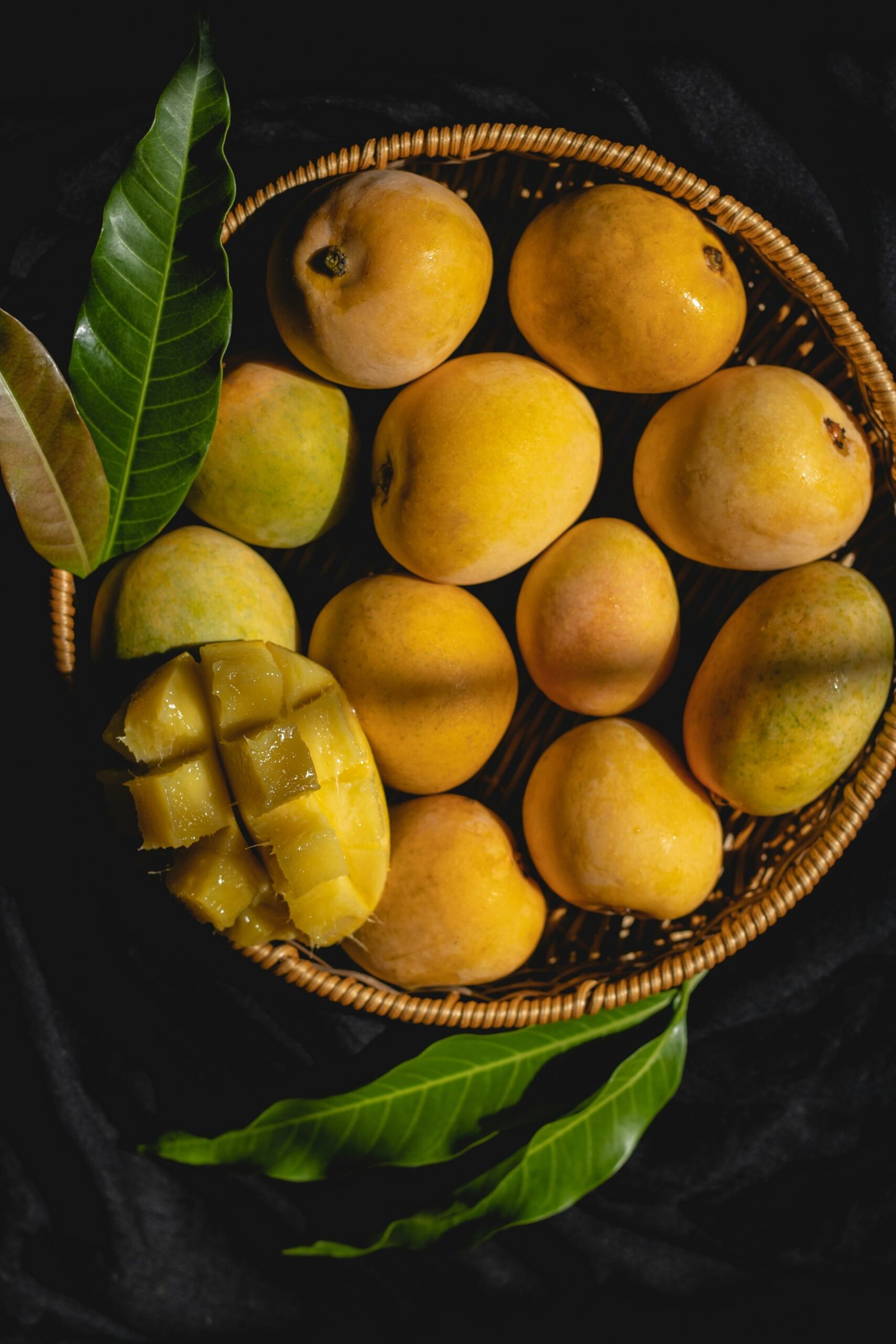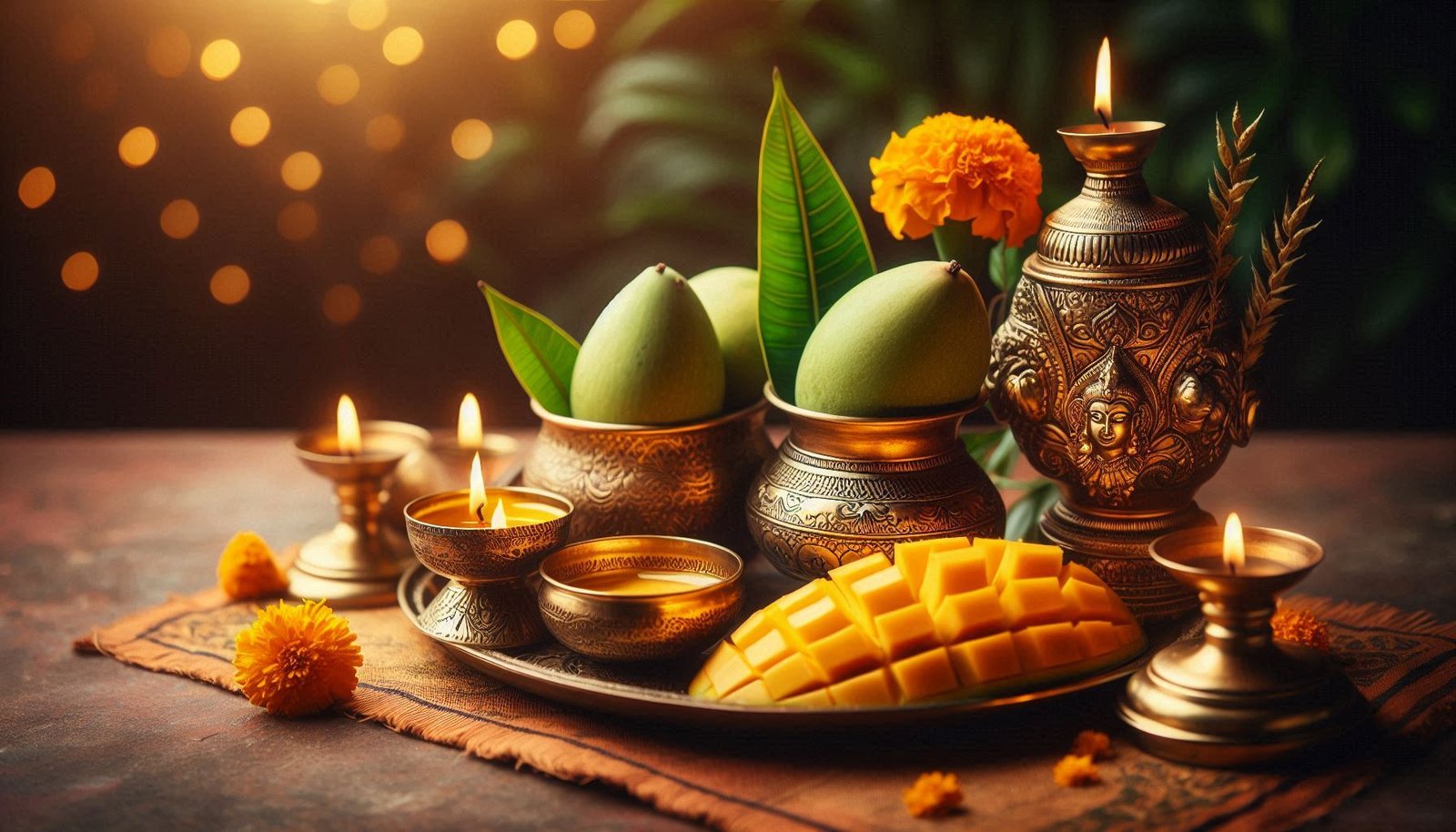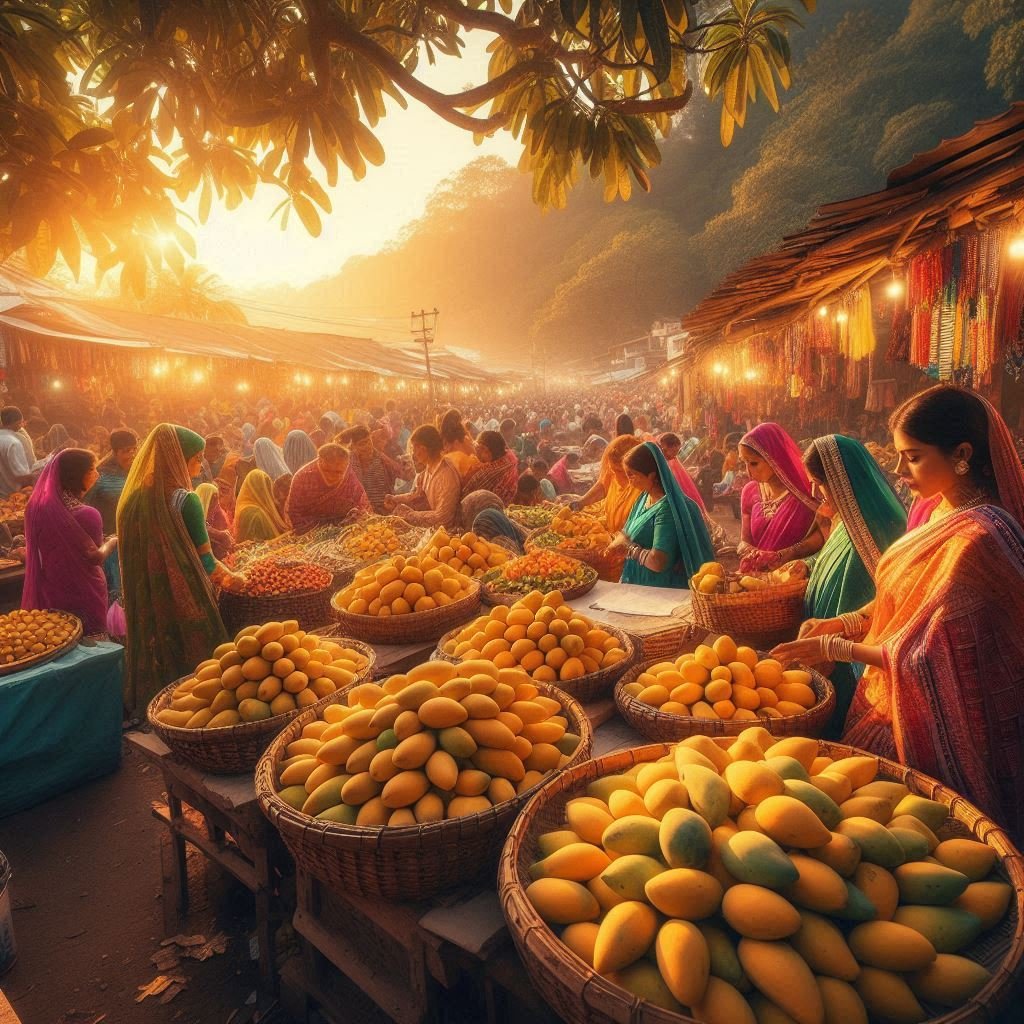
Every region of India has a dessert tradition. Maharashtra has its puran poli, Bengal its mishti doi, Tamil Nadu its payasam. But no regional dessert tradition in the country is as comprehensively, exclusively, and joyfully built around a single fruit as the Konkan belt’s mango sweet repertoire. From March through June, the Konkan kitchen abandons almost every other sweetener and every other flavoring agent in favor of one thing: the Alphonso. What emerges from this seasonal devotion is a collection of mango-based desserts that exist nowhere else in India in quite the same form — recipes shaped by generations of Konkan cooks who understood the Alphonso’s flavor at a level of intimacy that no other culinary tradition has ever replicated.
These are not simple preparations dressed up in regional names. Each one reflects a specific philosophy about how the mango’s sweetness, acidity, and fragrance should be treated — when to concentrate it, when to dilute it, when to pair it with fat, when to let it stand completely alone. This is the Konkan mango dessert canon.
Aamras Puri — The One That Started Everything
Aamras is the oldest and most foundational mango preparation in Konkan cuisine — and calling it simply a dessert is an understatement. In the Konkan household, aamras is the meal itself: thick, silky, hand-pressed Alphonso pulp seasoned with a whisper of cardamom and sometimes the faintest thread of saffron, served alongside hot, freshly fried puri that puffs from the oil in the exact moment it is needed.
The preparation requires no blender and no sugar. Ripe Alphonso mangoes — pressed to the precise softness that Konkan grandmothers judge with one hand around the fruit — are de-stemmed, the skin squeezed inside-out to extract every strand of pulp, the seed pressed dry. The pulp is collected into a bowl, stirred, and cardamom folded in last. The result has a texture that no mechanical process produces — slightly uneven, warm from the pressing, carrying the temperature of the fruit itself. Served with puri, it is the most celebrated meal of the Konkan summer calendar — the dish that defines the season more than any other.
Aamba Poli — The Sun-Dried Sheet
Aamba poli — known in Hindi-speaking regions as aam papad — is the Konkan kitchen’s most ingenious act of mango preservation, and its version is distinctly its own. Alphonso pulp is cooked gently with a small quantity of sugar until it thickens — the heat concentrating the flavor while reducing the water content — then spread in a thin, perfectly even layer on greased plates and set in direct sunlight for five to seven days.
What emerges after this patient solar drying is a translucent, pliable, intensely flavored mango sheet with a deep amber-orange color and a concentrated sweetness that carries the fragrance of a whole Alphonso in every small square. The Konkan aamba poli is drier and more intensely flavored than commercial aam papad — because the Alphonso’s natural Brix level is higher than most varieties used industrially, and because the process uses sunlight rather than dehydrators, giving the final sheet a texture that is simultaneously chewy and melt-soft in a way that electric drying never replicates. Families make it in large batches during the peak harvest, storing it between sheets of butter paper in tin boxes that last well into the monsoon months and beyond.
Ambyache Sandan — Konkan’s Steamed Mango Cake
Ambyache sandan — or ambyache sandam — is perhaps the least known of Konkan’s mango desserts outside the region, and among the most extraordinary. It is a traditional steamed sweet — made from a base of semolina or rice flour combined with Alphonso pulp, coconut cream, jaggery or sugar, cardamom, and sometimes a small amount of baking powder for lift — poured into a greased vessel and steamed until it sets into a dense, moist, fragrant cake with a golden interior and a clean, pure mango flavor.
The dessert has an entirely different character from anything baked. Steaming produces a soft, almost pudding-like interior — denser than a sponge cake but lighter than a halwa — and the coconut cream weaves through the mango flavor in a way that is distinctly coastal Konkan: the fruit of the tree and the fruit of the palm, inseparable in the same dish. Sandan is the dessert most closely associated with Konkan family celebrations during the mango season — weddings, naming ceremonies, and the informal family gatherings that the season generates in abundance.
Aamrakhand — The Curd Meets the Alphonso
Aamrakhand is Maharashtra’s answer to the question of what happens when the Alphonso meets hung curd — and the answer is extraordinary. Thick, strained yogurt — chakka — from which almost all whey has been pressed is combined with fresh Alphonso pulp, sugar, saffron dissolved in warm milk, and cardamom powder, then stirred until smooth and chilled for at least two hours before serving.
The result is a dessert with the richness of a cream cheese preparation but the clean, vivid flavor of fresh mango — neither the yogurt’s acidity nor the mango’s sweetness dominates, but the two balance in a way that is more refreshing than either element alone. In Konkan, aamrakhand is almost always made with Alphonso rather than the Kesar used in Gujarat and Rajasthan — and the flavor difference is substantial. The Alphonso’s floral, honeyed aromatic profile creates an aamrakhand that is noticeably more complex and fragrant than any other mango variety produces in the same recipe.
Aamba Puran Poli — The Festive Sweet Bread
Aamba puran poli is the mango season’s contribution to Maharashtra’s most beloved festive bread — the puran poli — elevated by replacing the conventional chana dal and jaggery filling with a slow-cooked mixture of chana dal, Alphonso pulp, sugar, ginger, nutmeg, and cardamom. The dough — made from refined flour or wheat flour with turmeric — is rolled thin, the mango-dal filling placed at the center, and the entire parcel sealed and rolled flat before being cooked on a griddle with generous ghee on both sides.
The puran poli is already a celebration food in Maharashtra — served at Holi, Akshaya Tritiya, and weddings throughout the year. The aamba version narrows it to a specific eight-week window when the Alphonso is available, giving it the same precious, seasonal quality that makes every Konkan mango preparation something to be anticipated rather than simply consumed. The moment you can make aamba puran poli is the moment summer in Konkan has properly arrived.
The Thread That Runs Through All of Them
What connects every dessert in this list is not simply the use of mango — it is the use of a specific mango at a specific moment, prepared with a specific understanding of what that mango’s flavor is doing and how it should be treated. The Konkan mango dessert tradition does not use the Alphonso as a flavoring agent added to an existing recipe. It builds the recipe around the Alphonso’s specific sensory character — its fiber-free pulp, its honeyed fragrance, its precise balance of sweetness and acidity — allowing the fruit to be both the ingredient and the point.
That is the standard Darshan and every Konkan farmer meets when they tend their orchards through the long months between one harvest and the next. And it is the standard you taste in every spoonful — of aamras, of sandan, of aamrakhand — that a genuine Konkan summer produces.