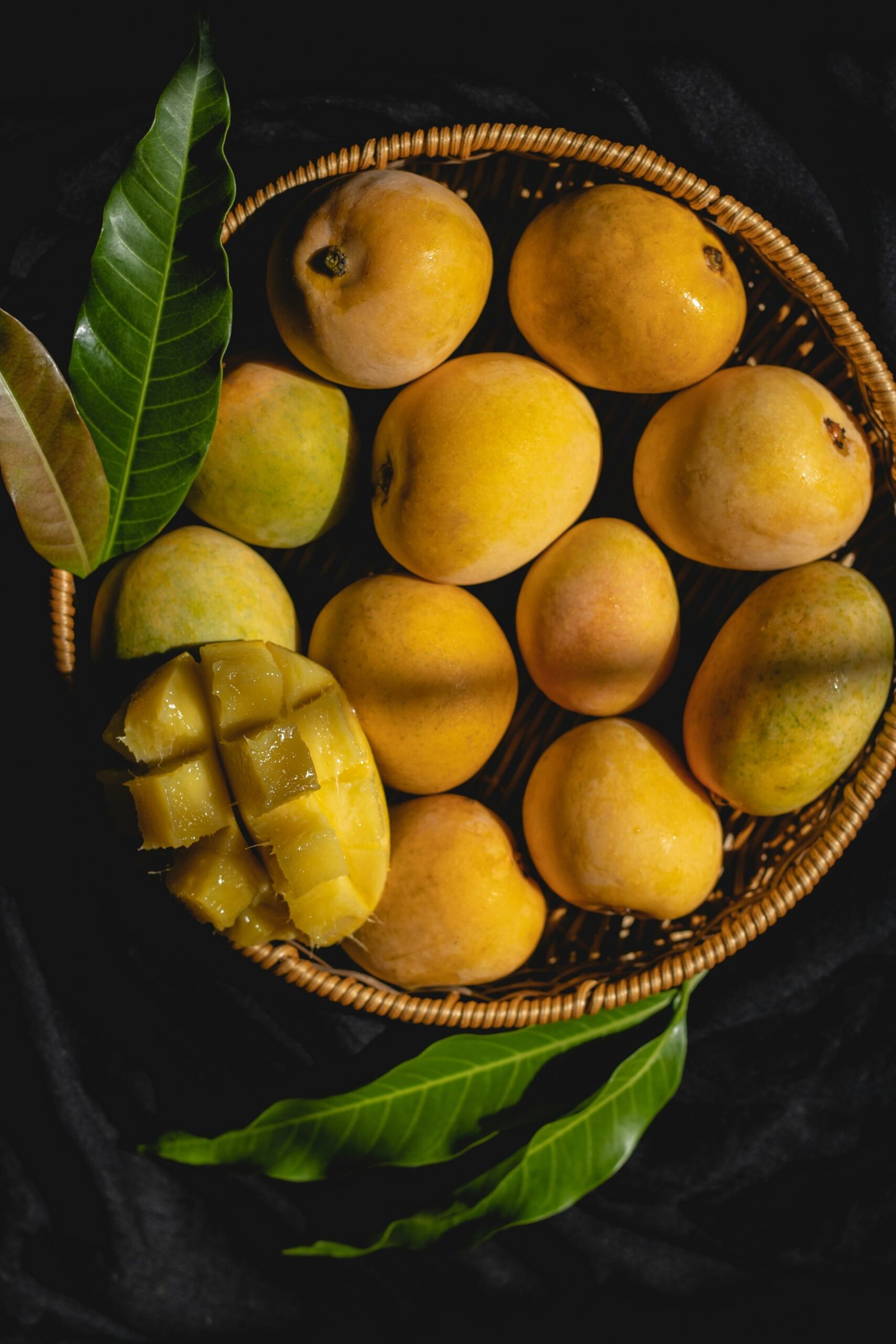
Every mango season, the same conversation happens in kitchens and WhatsApp groups across India. Someone reaches for a second helping of aamras, and someone else offers a caution: be careful, mangoes are fattening. The warning is delivered with conviction, often by people who have not eaten a mango in three years because of it. The belief that mangoes cause weight gain is one of the most widespread and most stubbornly persistent nutritional myths in India — and like most nutritional myths, it survives not because it is true but because it contains just enough surface logic to seem credible. Yes, mangoes contain sugar. Yes, sugar can contribute to weight gain if consumed in excess. But the leap from those two facts to the conclusion that mangoes make you fat is a leap that the science simply does not support.
What the Numbers Actually Say
Before the myths can be dismantled, the numbers need to be established honestly. One hundred grams of fresh Alphonso mango contains approximately 60 kilocalories, 15 grams of carbohydrates, 0.4 grams of fat, 0.8 grams of protein, and 1.6 grams of dietary fiber. A medium-sized Alphonso mango — the fruit most commonly eaten in one sitting — weighs approximately 200 to 250 grams of edible pulp, contributing roughly 120 to 150 calories per fruit.
To put this in context: a medium banana contains approximately 90 calories, a bowl of white rice contains 200 calories, and a single serving of most packaged snacks contains 150 to 300 calories with a fraction of the nutritional content of the mango. The idea that the Alphonso is uniquely calorie-dense compared to other staple foods in the Indian diet is not supported by any comparative nutritional data. The mango’s caloric profile is entirely reasonable for a fruit of its size, sweetness, and nutritional density.
The Glycemic Index Myth: Why Sugar in Fruit Is Not the Same
The most common scientific-sounding argument made against mangoes is the glycemic index — the measurement of how quickly a food raises blood sugar levels on a scale of 0 to 100. Critics cite the mango’s sugar content as proof that it causes insulin spikes that promote fat storage. The facts, however, are considerably more nuanced.
The glycemic index of fresh mango is 51 — classified as low GI. The glycemic load — which accounts for both GI and the actual quantity of carbohydrate in a realistic serving — is 8.4 per 100 grams, classified as low GL. These are the two numbers that actually matter for metabolic impact, and both of them place the mango firmly in the category of foods that are safe for stable blood sugar management in most healthy individuals.
More importantly, the sugar in a whole mango behaves entirely differently in the body than the added sugar in a processed snack — because it arrives packaged with fiber, water, vitamins, polyphenols, and mangiferin (a unique bioactive compound specific to mango) that slow its absorption, stabilize the blood glucose response, and engage metabolic pathways that refined sugar completely bypasses. A 2025 clinical trial published in a peer-reviewed journal found that daily mango consumption over 24 weeks improved glycemic control, insulin sensitivity, and body composition in adults with prediabetes — with participants in the mango group showing a reduction in body fat percentage compared to a calorie-matched processed snack control group. The mango, despite containing more natural sugar than the snack it replaced, produced more favorable metabolic outcomes across every measured parameter.
Fiber: The Weight Management Mechanism Nobody Talks About
The most underappreciated dimension of the mango’s relationship with weight is not its sugar content but its fiber content — specifically its soluble fiber, which forms a gel in the digestive tract that slows gastric emptying, prolongs satiety, stabilizes blood sugar by buffering carbohydrate absorption, and binds dietary fat and cholesterol before they are absorbed into the bloodstream. A registered dietitian at OhioHealth described this mechanism directly: “Mango specifically has soluble fiber, which can be really good because it forms a gel in our digestive tract and can actually bind the fat and cholesterol and pull it out of your body before it gets absorbed.”
Published research confirms this mechanism at a population level. A large peer-reviewed study found that mango consumers had significantly higher daily intakes of dietary fiber, magnesium, potassium, folate, vitamin A, vitamin C, and vitamin E — and significantly lower intakes of added sugar and cholesterol — compared to non-consumers. In other words, people who eat mangoes regularly tend to have overall better diets, less added sugar consumption, and better micronutrient profiles than those who do not. The mango is not undermining weight management. It is supporting it.
The Context Principle: Why No Single Food Causes Weight Gain
The most important truth in this entire discussion is the one that applies to every food in every diet: weight gain is caused by a sustained caloric surplus — consistently consuming more energy than the body expends — not by any individual food. A person who eats two Alphonso mangoes a day as part of a balanced, calorie-appropriate diet will not gain weight from those mangoes. A person who adds two mangoes per day to an already excessive caloric intake will gain weight — but the mangoes are the marginal contributor, not the cause.
The nutritional villain of the Indian summer diet is not the Alphonso mango. It is the aamras consumed alongside four puris fried in excess oil, followed by rice and curry, with the mango as the scapegoat for a total caloric intake that exceeded requirements long before the fruit arrived at the table. The mango does not cause this. The context causes it.
What the Science Recommends
The evidence-based guidance from nutrition research on mango consumption is consistent and clear: one to two medium mangoes per day, consumed as part of a balanced diet, contributes positively to nutrient intake, diet quality, satiety, and metabolic health in most healthy adults. People with Type 2 diabetes or pre-diabetes should consult their healthcare provider — but emerging Indian clinical trial data suggests that controlled mango consumption, replacing equivalent carbohydrate portions rather than adding to them, may actually improve blood sugar markers rather than worsen them.
The Alphonso mango — 60 calories per 100 grams, low GI, high in fiber, vitamins A and C, polyphenols, and mangiferin — is not a dietary risk. It is, by any objective nutritional standard, one of the most health-supportive foods the Indian summer offers. The myth that it causes weight gain has cost people three months of genuine seasonal pleasure every year for no reason that the science can justify.
Eat the mango. Eat it at room temperature, pressed by hand, in the company of people you care about. The only thing it will expand is your appreciation for what a genuinely good food tastes like.
Truth vs Myth: Does Mango Cause Weight Gain?
Every mango season, the same conversation happens in kitchens and WhatsApp groups across India. Someone reaches for a second helping of aamras, and someone else offers a caution: be careful, mangoes are fattening. The warning is delivered with conviction, often by people who have not eaten a mango in three years because of it. The belief that mangoes cause weight gain is one of the most widespread and most stubbornly persistent nutritional myths in India — and like most nutritional myths, it survives not because it is true but because it contains just enough surface logic to seem credible. Yes, mangoes contain sugar. Yes, sugar can contribute to weight gain if consumed in excess. But the leap from those two facts to the conclusion that mangoes make you fat is a leap that the science simply does not support.
What the Numbers Actually Say
Before the myths can be dismantled, the numbers need to be established honestly. One hundred grams of fresh Alphonso mango contains approximately 60 kilocalories, 15 grams of carbohydrates, 0.4 grams of fat, 0.8 grams of protein, and 1.6 grams of dietary fiber. A medium-sized Alphonso mango — the fruit most commonly eaten in one sitting — weighs approximately 200 to 250 grams of edible pulp, contributing roughly 120 to 150 calories per fruit.
To put this in context: a medium banana contains approximately 90 calories, a bowl of white rice contains 200 calories, and a single serving of most packaged snacks contains 150 to 300 calories with a fraction of the nutritional content of the mango. The idea that the Alphonso is uniquely calorie-dense compared to other staple foods in the Indian diet is not supported by any comparative nutritional data. The mango’s caloric profile is entirely reasonable for a fruit of its size, sweetness, and nutritional density.
The Glycemic Index Myth: Why Sugar in Fruit Is Not the Same
The most common scientific-sounding argument made against mangoes is the glycemic index — the measurement of how quickly a food raises blood sugar levels on a scale of 0 to 100. Critics cite the mango’s sugar content as proof that it causes insulin spikes that promote fat storage. The facts, however, are considerably more nuanced.
The glycemic index of fresh mango is 51 — classified as low GI. The glycemic load — which accounts for both GI and the actual quantity of carbohydrate in a realistic serving — is 8.4 per 100 grams, classified as low GL. These are the two numbers that actually matter for metabolic impact, and both of them place the mango firmly in the category of foods that are safe for stable blood sugar management in most healthy individuals.
More importantly, the sugar in a whole mango behaves entirely differently in the body than the added sugar in a processed snack — because it arrives packaged with fiber, water, vitamins, polyphenols, and mangiferin (a unique bioactive compound specific to mango) that slow its absorption, stabilize the blood glucose response, and engage metabolic pathways that refined sugar completely bypasses. A 2025 clinical trial published in a peer-reviewed journal found that daily mango consumption over 24 weeks improved glycemic control, insulin sensitivity, and body composition in adults with prediabetes — with participants in the mango group showing a reduction in body fat percentage compared to a calorie-matched processed snack control group. The mango, despite containing more natural sugar than the snack it replaced, produced more favorable metabolic outcomes across every measured parameter.
Fiber: The Weight Management Mechanism Nobody Talks About
The most underappreciated dimension of the mango’s relationship with weight is not its sugar content but its fiber content — specifically its soluble fiber, which forms a gel in the digestive tract that slows gastric emptying, prolongs satiety, stabilizes blood sugar by buffering carbohydrate absorption, and binds dietary fat and cholesterol before they are absorbed into the bloodstream. A registered dietitian at OhioHealth described this mechanism directly: “Mango specifically has soluble fiber, which can be really good because it forms a gel in our digestive tract and can actually bind the fat and cholesterol and pull it out of your body before it gets absorbed.”
Published research confirms this mechanism at a population level. A large peer-reviewed study found that mango consumers had significantly higher daily intakes of dietary fiber, magnesium, potassium, folate, vitamin A, vitamin C, and vitamin E — and significantly lower intakes of added sugar and cholesterol — compared to non-consumers. In other words, people who eat mangoes regularly tend to have overall better diets, less added sugar consumption, and better micronutrient profiles than those who do not. The mango is not undermining weight management. It is supporting it.
The Context Principle: Why No Single Food Causes Weight Gain
The most important truth in this entire discussion is the one that applies to every food in every diet: weight gain is caused by a sustained caloric surplus — consistently consuming more energy than the body expends — not by any individual food. A person who eats two Alphonso mangoes a day as part of a balanced, calorie-appropriate diet will not gain weight from those mangoes. A person who adds two mangoes per day to an already excessive caloric intake will gain weight — but the mangoes are the marginal contributor, not the cause.
The nutritional villain of the Indian summer diet is not the Alphonso mango. It is the aamras consumed alongside four puris fried in excess oil, followed by rice and curry, with the mango as the scapegoat for a total caloric intake that exceeded requirements long before the fruit arrived at the table. The mango does not cause this. The context causes it.
What the Science Recommends
The evidence-based guidance from nutrition research on mango consumption is consistent and clear: one to two medium mangoes per day, consumed as part of a balanced diet, contributes positively to nutrient intake, diet quality, satiety, and metabolic health in most healthy adults. People with Type 2 diabetes or pre-diabetes should consult their healthcare provider — but emerging Indian clinical trial data suggests that controlled mango consumption, replacing equivalent carbohydrate portions rather than adding to them, may actually improve blood sugar markers rather than worsen them.
The Alphonso mango — 60 calories per 100 grams, low GI, high in fiber, vitamins A and C, polyphenols, and mangiferin — is not a dietary risk. It is, by any objective nutritional standard, one of the most health-supportive foods the Indian summer offers. The myth that it causes weight gain has cost people three months of genuine seasonal pleasure every year for no reason that the science can justify.
Eat the mango. Eat it at room temperature, pressed by hand, in the company of people you care about. The only thing it will expand is your appreciation for what a genuinely good food tastes like.