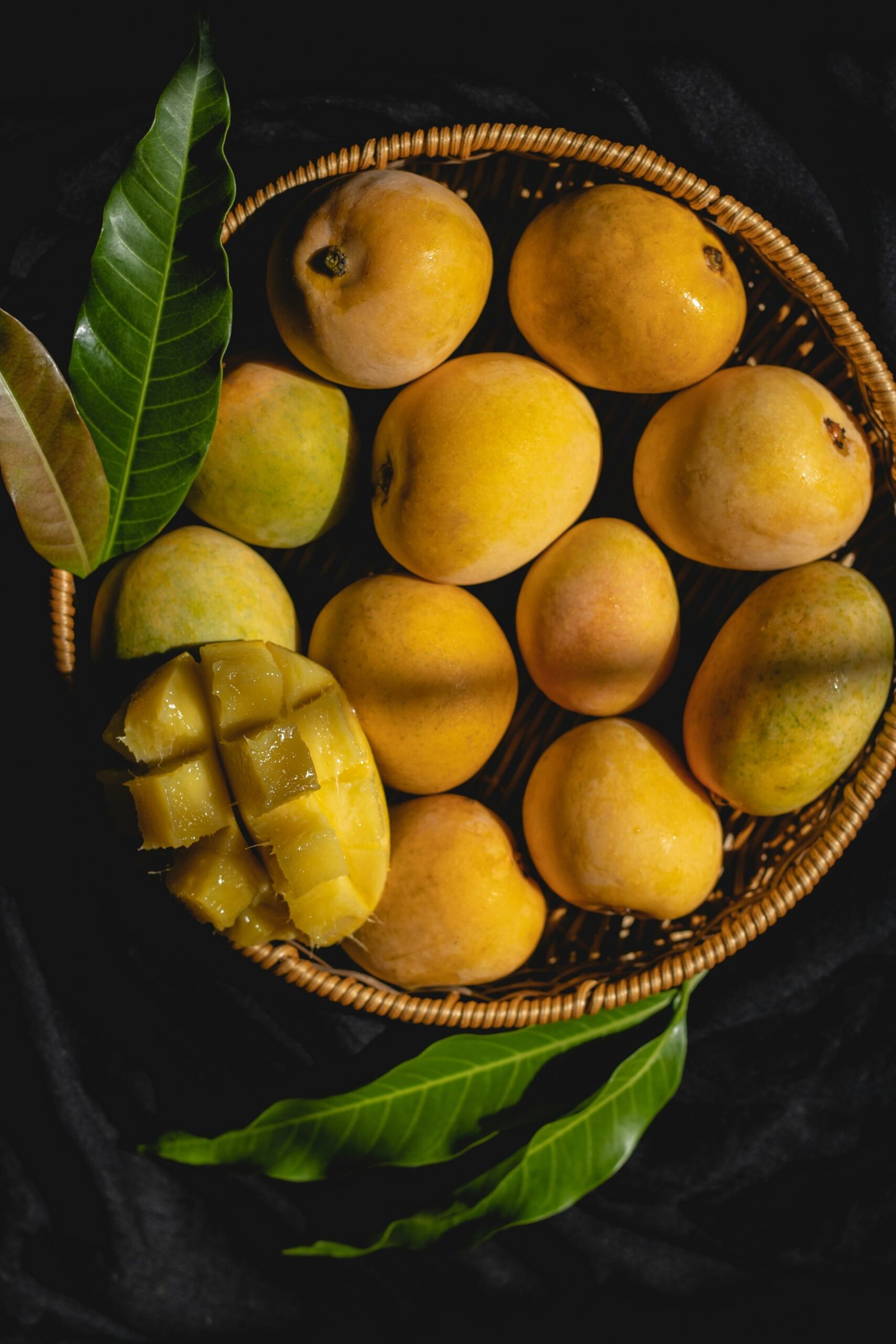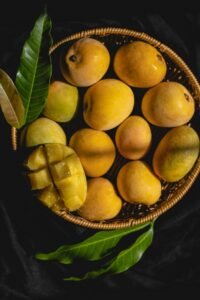
It is the kind of question that sounds simple until you start answering it properly. Both begin with mango. Both are cold, both are blended, and in a Konkan summer, both are consumed with a frequency that suggests they are meeting a need that goes well beyond thirst. But the moment you look at what else goes into each — the full-fat milk, the added sugar, the ice cream in one version versus the yogurt, seeds, and greens in the other — the two drinks reveal themselves as nutritionally distinct choices that point in opposite directions. One is a dessert with a fruit in it. The other is a meal with a mango as its core. Knowing which is which — and under what circumstances each one serves you better — is the difference between enjoying the Alphonso season intelligently and spending it in a caloric fog.
Defining the Terms First
The confusion between milkshakes and smoothies begins with loose definitions, so let us establish them clearly. A mango milkshake, in the Indian household context, is typically Alphonso pulp blended with full-fat milk, two to four tablespoons of sugar, and sometimes a scoop of vanilla ice cream or condensed milk — producing a thick, cold, dessert-grade drink. A mango smoothie, in its nutritionally intentional form, is Alphonso pulp blended with a base of yogurt, plant-based milk, or low-fat curd, without added sugar, and often with additional functional ingredients — chia seeds, spinach, flaxseed, protein powder — that build the drink toward meal completeness.
The mango is the same in both. Everything else is the variable — and those variables account for a caloric and nutritional gap that is far larger than most people expect.
The Calorie Comparison: The Numbers That Matter
A standard 250 ml glass of a traditional Indian mango milkshake — made with one medium mango, one cup of full-fat milk, two tablespoons of sugar, and a scoop of ice cream — delivers approximately 500 to 550 calories, with 37 to 45 grams of sugar, 6 to 8 grams of fat, and only 0.4 grams of fiber. Stripped down to mango, full-fat milk, and no added sugar — the lightest honest milkshake — the count falls to approximately 170 to 270 calories, but the added sugar and ice cream versions are by far the most commonly prepared forms.
A nutritionally optimized mango smoothie — the same medium mango, 150 grams of low-fat curd, one tablespoon of chia seeds, and no added sugar — delivers approximately 200 to 230 calories, 6 to 8 grams of protein, 4 to 5 grams of fiber, and a glycemic response that is measurably lower than the milkshake version, because the protein and fiber in the curd and chia seeds buffer the natural sugar absorption from the mango.
The nutritional gap between a worst-case milkshake (550 calories, 45g sugar, 0.4g fiber) and an optimized smoothie (220 calories, 7g protein, 4g fiber) is not a marginal difference. It is the difference between a dessert that casually exceeds the caloric value of a full meal and a genuinely functional, nutritionally complete summer drink.
Where the Milkshake Goes Wrong
The core nutritional problem with the traditional mango milkshake is not the mango, the milk, or even the fat — it is the added sugar layered on top of the mango’s already significant natural sugar content. Tarladalal’s nutritional analysis describes the added sugar in the standard milkshake recipe directly: “Sugar used in the recipe is also called white poison. It is a simple carbohydrate with zero nutritional value. On intake, sugar will cause inflammation of the body which will last for many hours. It will spike your blood sugar level and shut down the fat burning process.”
The issue is structural: the Alphonso already delivers 15 grams of natural sugar per 100 grams of pulp — sweetness that needs no supplementation for most palates. Adding two to four tablespoons of refined sugar to a drink built on naturally sweet Alphonso pulp is nutritional redundancy with real metabolic consequences, particularly for anyone managing blood sugar, insulin sensitivity, or caloric intake.
The ice cream addition compounds this further — adding 100 to 200 calories of saturated fat and more sugar to a drink that was already nutritionally complete without either.
Where the Smoothie Gets It Right
The mango smoothie’s nutritional advantage operates through three simultaneous mechanisms. First, the protein from yogurt or low-fat curd (6 to 8 grams per serving) slows gastric emptying and buffers the mango’s natural sugar absorption, producing a more stable blood glucose response than the milkshake generates. Second, the fiber from the mango itself — preserved in a smoothie, where the whole fruit is blended — combined with chia or flaxseed additions (2 to 3 additional grams of fiber per tablespoon) extends satiety significantly beyond what the milkshake achieves. Third, the absence of added sugar means the drink’s glycemic load remains within a manageable range, even for blood sugar-conscious individuals who would need to avoid the milkshake entirely.
A 2018 peer-reviewed study on satiety effects of fruit smoothies versus equivalent fresh fruit found that the smoothie format — whole fruit blended with a protein or dairy component — produced comparable satiety to eating the fruit solid, with better sustained fullness than fruit juice and significantly lower post-consumption energy intake compared to calorie-matched high-sugar drinks. The smoothie format preserves the Alphonso’s nutritional profile while adding functional value. The milkshake format partially displaces it with caloric additions that serve palatability rather than nutrition.
The Verdict by Use Case
The honest answer to which is healthier is not a single answer — it depends on what you are using the drink for. Here is the evidence-based breakdown:
| Use Case | Better Choice | Reason |
|---|---|---|
| Post-workout recovery | Mango smoothie with yogurt + banana | Protein for muscle repair, natural carbohydrates for glycogen replenishment |
| Weight management | Mango smoothie, no added sugar | Lower calories, higher fiber, better satiety per calorie |
| Blood sugar management | Mango smoothie with curd + chia | Protein and fiber buffer glycemic response |
| Growing children | Light milkshake, no ice cream, no added sugar | Calcium from milk, vitamins from mango, moderate calories |
| Post-illness recovery | Milkshake with full-fat milk, no sugar | Easy-to-digest calories, calcium, and Vitamins A and C for immune recovery |
| Occasional summer dessert | Milkshake — enjoy it fully | It is a treat, not a daily meal. Enjoy it for what it is |
The Smarter Mango Milkshake: Closing the Gap
The good news is that the gap between these two drinks is almost entirely in the recipe rather than in the format. Remove the added sugar from a standard mango milkshake and replace the full-fat milk with low-fat milk or unsweetened almond milk, and the caloric and glycemic profile drops dramatically — bringing it within range of the smoothie’s nutritional territory while preserving the creamier texture that makes the milkshake satisfying in a different way. Add a tablespoon of hung curd to a mango milkshake for protein, skip the ice cream, and use a perfectly ripe Alphonso that needs no sugar to sweeten it — because a genuine Konkan Alphonso at peak ripeness is already the sweetest thing any blender will ever see.
The Alphonso mango is extraordinary enough to anchor either drink. The question is simply how much else you add around it — and whether those additions are working for your health or against it.