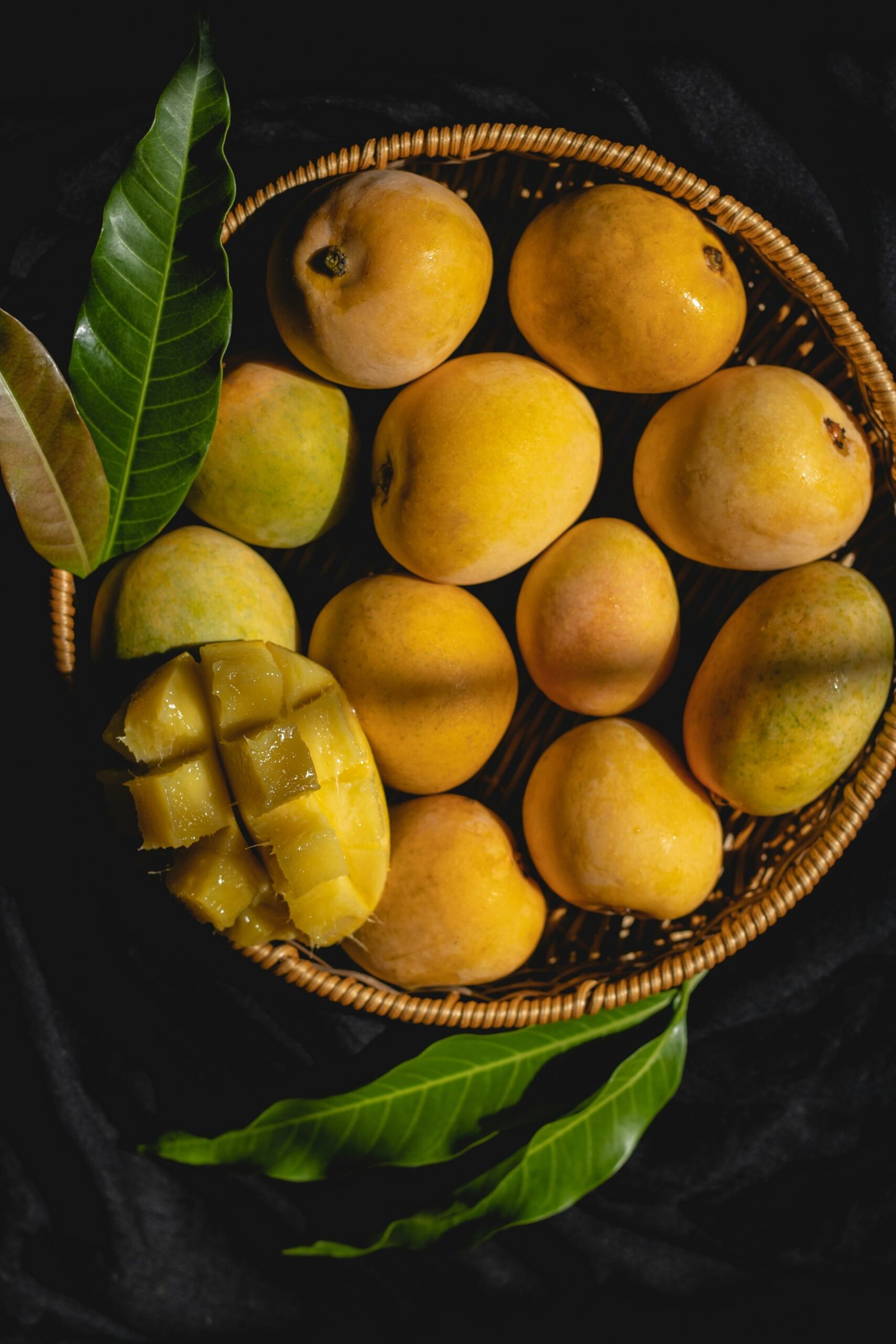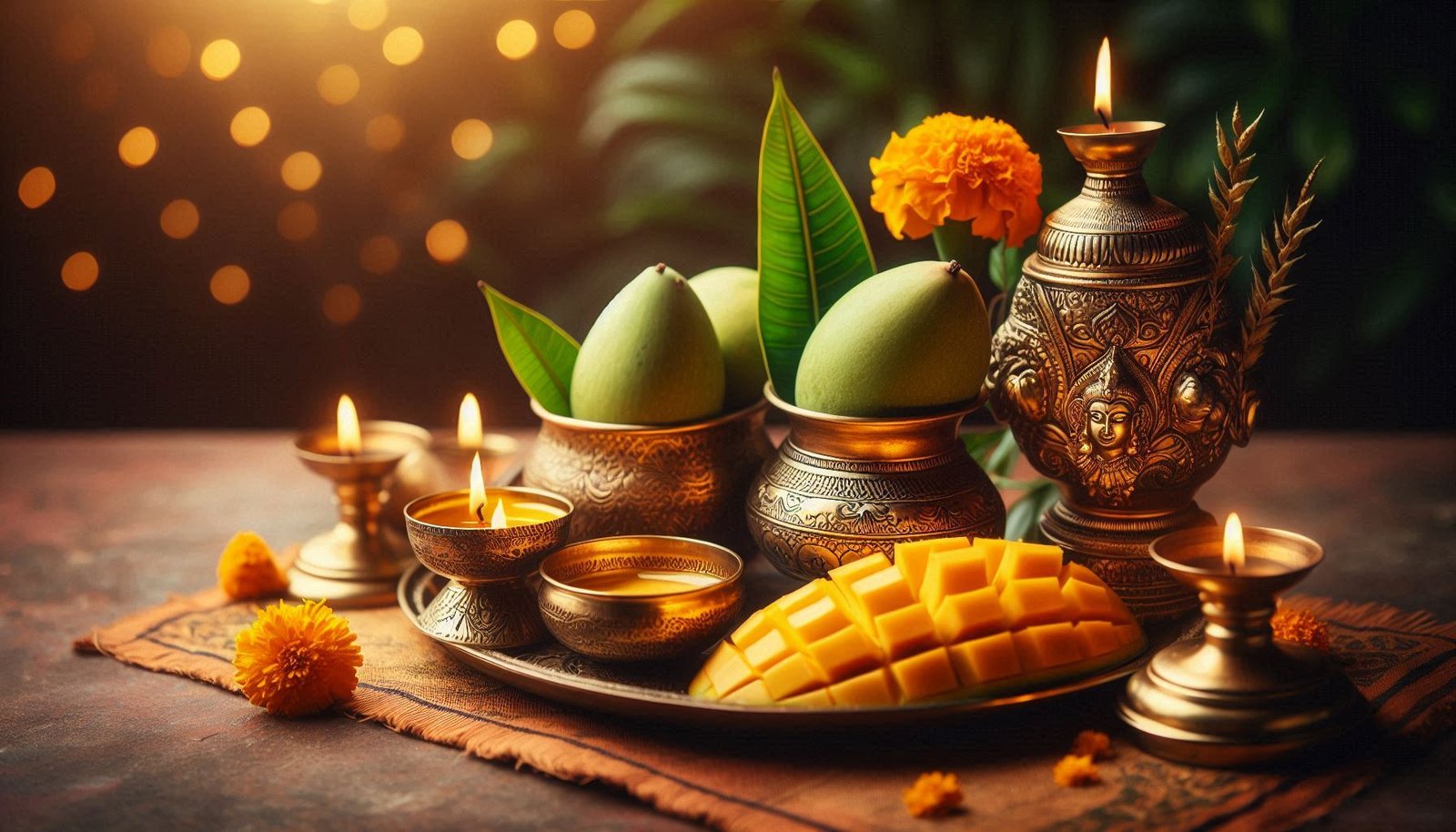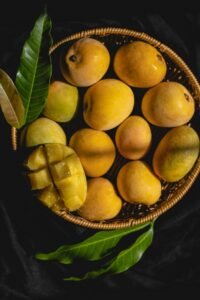
There is a persistent assumption in Indian cooking — that the mango’s greatest expressions require dairy. Aamras needs curd alongside it. Aamrakhand is built on hung curd. Mango basundi is unimaginable without thickened milk. This is not wrong, but it is incomplete. The Alphonso mango is so biochemically complete — so rich in natural fat-soluble vitamins, natural sugars, and a pulp that behaves like a cream in its texture and mouthfeel — that it asks very little of the kitchen around it to produce extraordinary food. When you pair it with coconut milk, cashew cream, sago, or jaggery instead of dairy, what you discover is not a compromise. It is a different, equally valid, and often more nuanced expression of the same extraordinary fruit. Here are six mango-based vegan recipes that honor the Alphonso without a single gram of dairy.
1. Mango Sago with Coconut Cream
Among all the vegan preparations that the Alphonso suits naturally, mango sago with coconut cream may be the most quietly extraordinary — because the combination produces a dessert whose richness and depth rivals any dairy-based preparation, and the mango is doing most of the work.
How to make it: Soak 3 tablespoons of tapioca pearls (sago) in cold water for 30 minutes, then cook in boiling water until translucent — approximately 10 to 12 minutes — drain and rinse. Blend 2 ripe Alphonso mangoes to a smooth, thick pulp. In a serving bowl, whisk 200 ml full-fat coconut milk with 100 ml coconut cream until combined. Fold the mango pulp into the coconut milk mixture — do not blend; the pulp should marble through the coconut milk in visible golden streaks. Add the cooked sago, stir once gently, and refrigerate for two hours. Serve chilled, garnished with thinly sliced fresh mango.
The coconut cream’s fat mirrors the fat-rich mouthfeel that full dairy cream would provide, while the mango’s natural acidity cuts through the richness with a clarity that the dairy version cannot replicate.
2. Raw Mango and Coconut Curry
This recipe uses the green kairi — the unripe mango that arrives in markets from January through March before the Alphonso season peaks — and it produces a Konkan-style curry that is simultaneously the region’s most traditional and most accidentally vegan preparation.
How to make it: Peel and cut one raw mango into long strips. Toss with quarter teaspoon turmeric, half teaspoon salt, and set aside for 15 minutes. In a heavy pan, heat coconut oil and add mustard seeds and two whole dried red chillies until the mustard crackles. Add the seasoned raw mango pieces and thin coconut milk — two cups made at a 1:4 coconut-to-water ratio — and cook on medium heat for 10 minutes until the mango softens. Add half a cup of thick coconut milk, stir, cook for a further 5 minutes, and remove from heat. Serve with steamed rice.
The raw mango’s sharp acidity, the coconut milk’s sweetness, and the mustard’s pungency create a flavor triangle that is quintessentially Konkani — and entirely plant-based by origin.
3. Alphonso Mango Upside-Down Cake (Vegan)
The vegan Alphonso upside-down cake has become one of the most-replicated plant-based baking achievements of the Indian mango season — and with good reason. The Alphonso’s pulp, when it caramelizes against hot sugar and vegan butter in the base of the cake tin, produces a layer of such intense, concentrated mango flavor that the cake’s crumb almost plays a supporting role.
How to make it: In a cake tin lined with parchment, melt 5 tablespoons of caster sugar with half a cup of vegan butter until it turns amber. Arrange thin strips of two Alphonso mangoes over this caramel base. For the batter, sift 200 grams of all-purpose flour with one teaspoon baking powder and half a teaspoon baking soda. Whisk together one cup vegan yogurt, half a cup neutral oil, three tablespoons sugar, and one teaspoon vanilla extract. Fold in the dry ingredients until just combined — do not over-mix — and pour over the mango layer. Bake at 160°C for 45 to 50 minutes until a skewer comes out clean. Cool for 10 minutes, flip onto a flat serving plate, and lift the tin slowly to reveal the caramelized Alphonso layer. Serve at room temperature.
4. Cashew-Mango Pudding
The combination of soaked cashews and Alphonso pulp produces a dessert that requires neither cooking nor setting agents — its texture comes entirely from the cashew’s natural fat content and the mango’s pectin.
How to make it: Soak 150 grams of raw cashews in cold water for four hours, then drain. Blend the soaked cashews with 200 grams of Alphonso pulp, two tablespoons of coconut sugar, a pinch of cardamom powder, and three tablespoons of coconut cream until completely smooth — at least three minutes in a high-speed blender. The mixture should be thick, pale orange, and silky with no visible grain. Pour into small serving glasses and refrigerate for a minimum of two hours until set to a soft-pudding consistency. Serve topped with fresh mango slices, a scattering of pumpkin seeds, and a few toasted almonds.
The cashew provides the protein and fat structure that gives this pudding its body; the Alphonso provides everything else.
5. Coconut Raw Mango Chaas (Vegan Buttermilk)
Chaas — the diluted, spiced buttermilk that is the standard cooling drink of the Indian summer — loses nothing in its vegan translation when coconut milk replaces dairy and raw mango replaces curd’s acidity.
How to make it: Blend fresh coconut with water and strain twice to extract 400 ml of fresh coconut milk. Peel and chop one third of a raw mango and blend with a handful of fresh mint leaves, half a teaspoon rock salt, and half a teaspoon roasted cumin powder to a smooth paste. Whisk this paste into the coconut milk, add cold water to thin to a drinkable consistency, refrigerate, and serve over ice.
The raw mango’s tartness mimics curd’s acidity with remarkable precision. The coconut milk provides the body that dairy buttermilk would. The result is a cooling drink that is distinctly Konkani in flavor — earthy, tart, fragrant — and entirely plant-based.
6. Vegan Mango Lassi with Coconut Yogurt
The standard mango lassi needs only one substitution to become fully vegan — dairy yogurt replaced with almond milk yogurt or coconut yogurt — and the result, when made with Alphonso pulp, is a drink whose fragrance and flavor surpass most dairy versions simply because the Alphonso is doing most of the sensory work.
How to make it: Blend one cup of unsweetened coconut or almond milk yogurt with 200 grams of Alphonso pulp, a quarter teaspoon of cardamom powder, a pinch of saffron dissolved in one tablespoon of warm water, and maple syrup or jaggery syrup to taste (the ripe Alphonso will typically need very little added sweetener). Blend until smooth and slightly frothy. Pour over ice and garnish with crushed pistachios and a few dried rose petals for the aesthetics that no one at the table will object to.
The Ingredient Principle That Connects All Six
What every recipe in this list demonstrates is the same thing: the Alphonso mango is a culinary complete ingredient — it provides sweetness, acidity, colour, fragrance, body, and a natural pectin structure — and when you build a vegan recipe around it rather than into it, you get a preparation that requires nothing from dairy to feel rich, satisfying, or deeply flavored. Coconut milk provides the fat. Cashews provide the protein structure. The mango provides everything that makes the dish worth making.
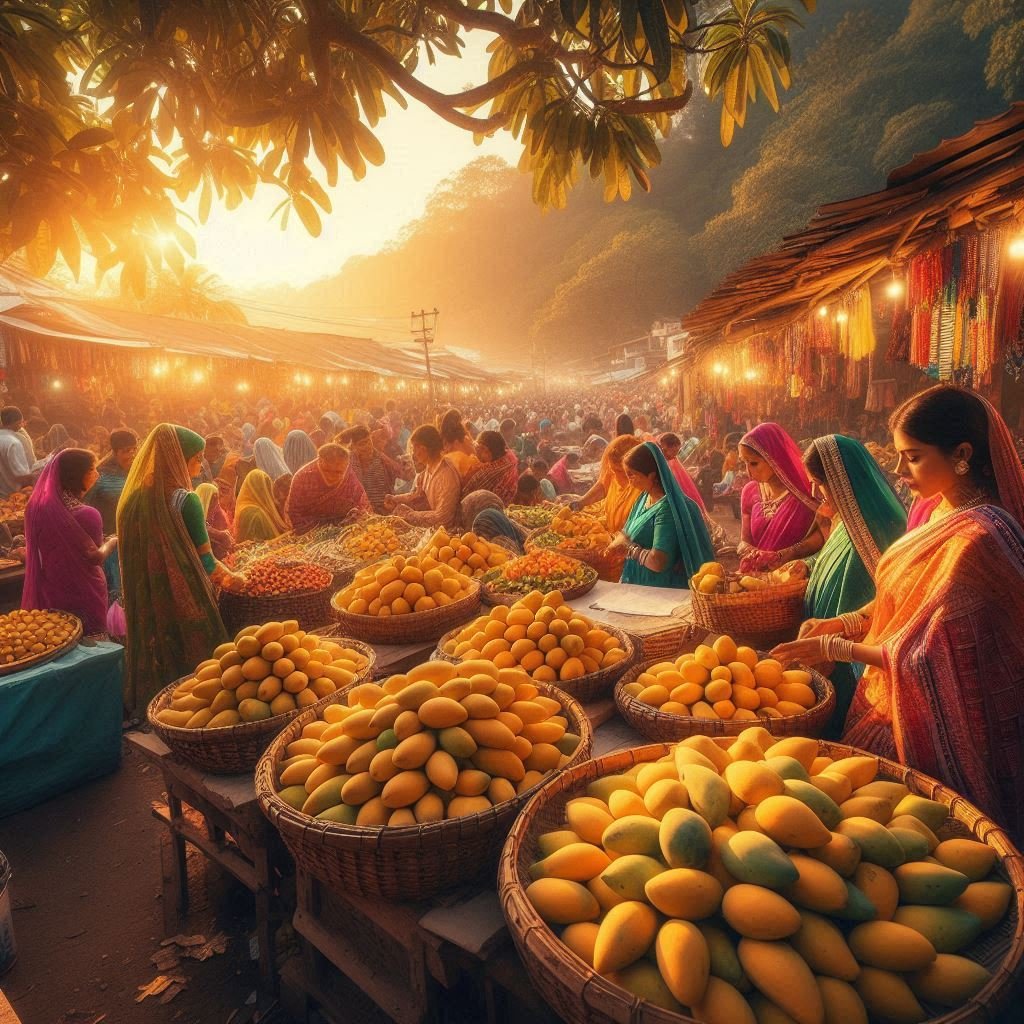
For Konkan’s Alphonso season — the ten weeks between March and June when the best fruit in the world is available directly from the orchard — these six preparations represent six excellent reasons not to wait.