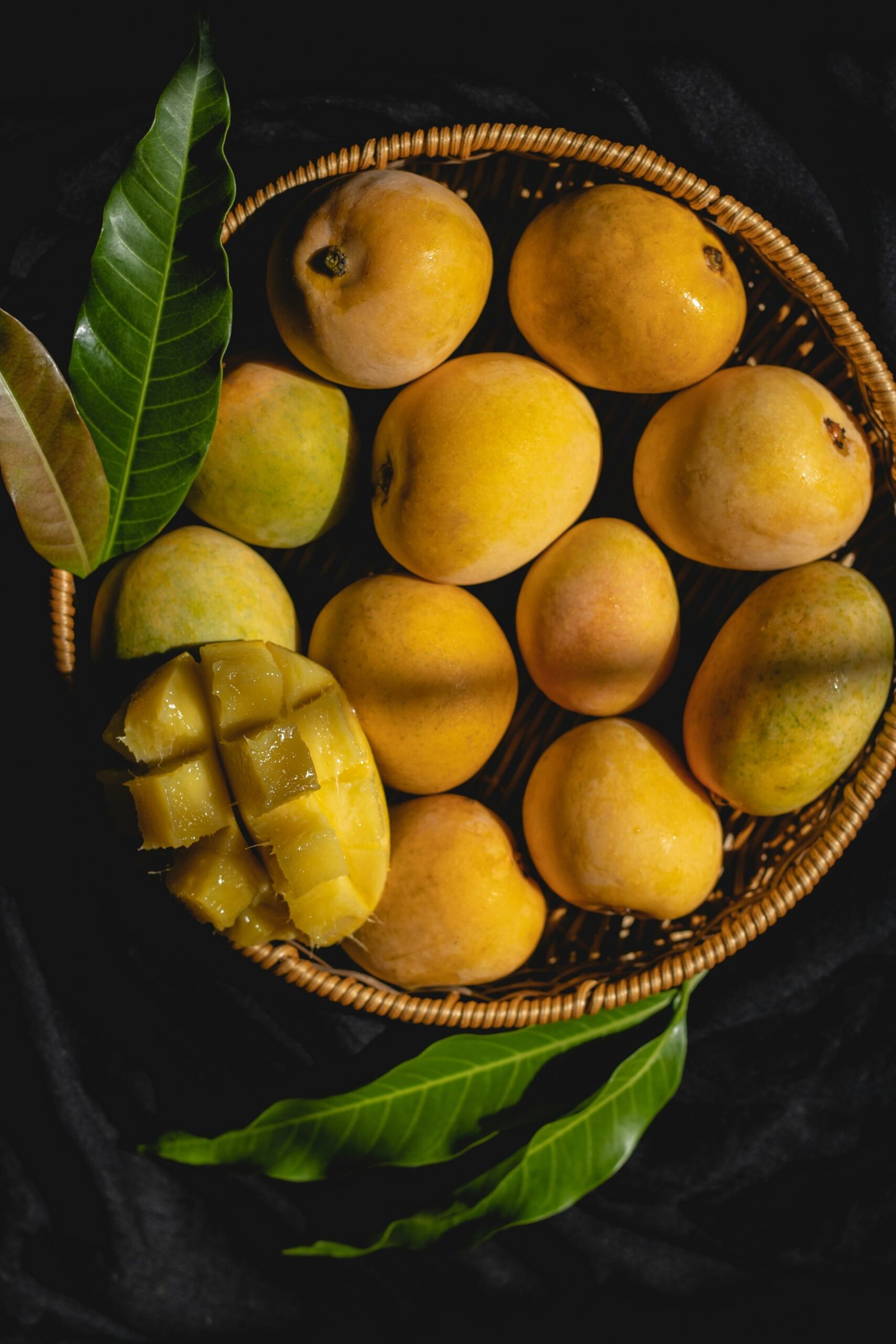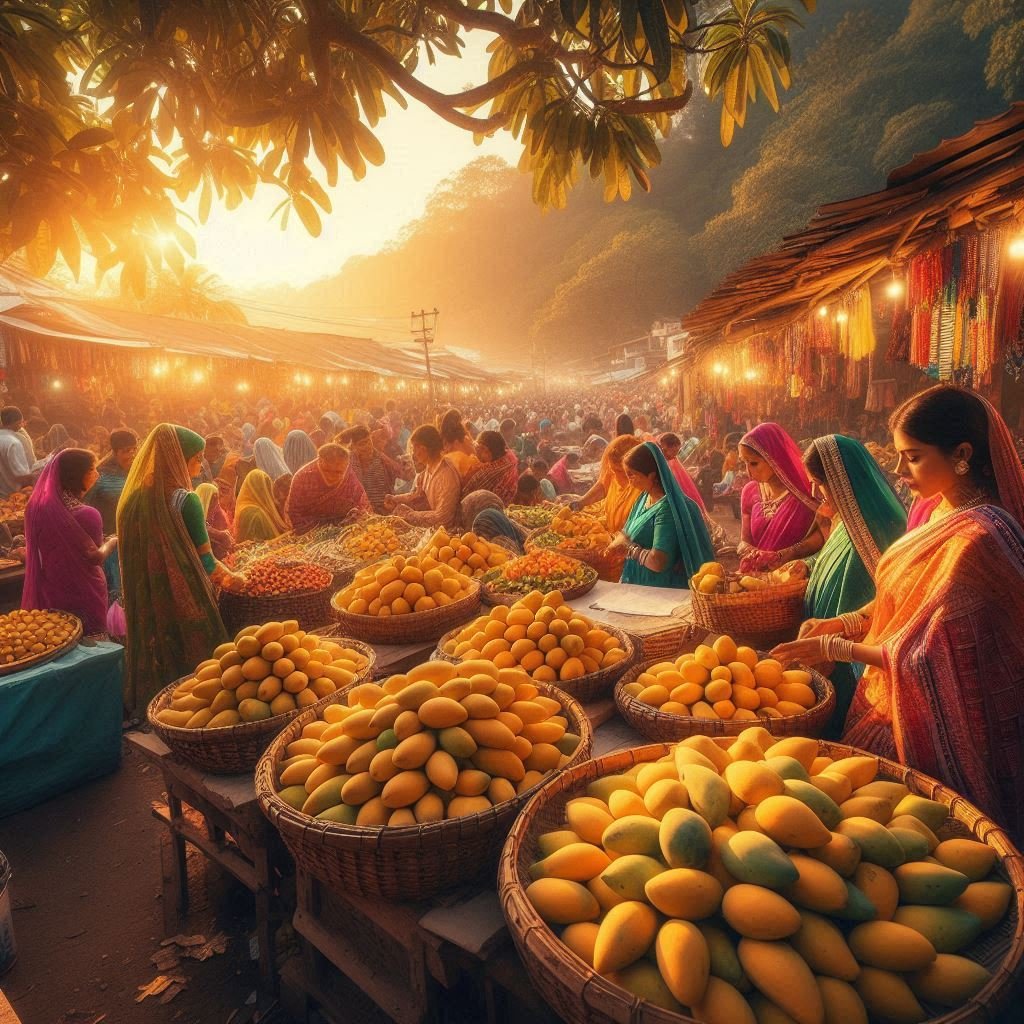
At Kokan Samrat, farming is never just about the harvest. It’s about the soil beneath the trees, the rain that fills the rivers, the bees that carry pollen from blossom to blossom, and the generations of farmers whose hands have shaped these orchards for centuries. Rooted in the lush, laterite-rich landscape of Ratnagiri, Kokan Samrat has built its identity not just on producing premium Alphonso mangoes — but on doing so in a way that respects the land, nourishes the ecosystem, and ensures the orchards remain productive and vibrant for decades to come. Sustainable mango farming isn’t a trend here. It’s a deeply held commitment.
Farming in Harmony with Konkan’s Ecosystem
The Konkan coast is one of India’s most ecologically rich regions — home to the Western Ghats biodiversity hotspot, seasonal rivers, laterite plateaus, and a coastal microclimate that creates the perfect conditions for growing the world’s finest Alphonso mangoes. At Kokan Samrat, every farming decision is made with this fragile, precious ecosystem in mind.
Rather than clearing surrounding vegetation for maximum orchard space, the farm maintains natural hedgerows, wild shrubs, and native tree borders around the mango groves. These green buffers serve multiple purposes — they prevent soil erosion during Konkan’s intense monsoon rains, provide habitat for birds and beneficial insects, and act as natural windbreaks that protect flowering mango trees during unseasonal storms.
This is not accidental. It is intentional ecological design.
Saying No to Harmful Chemicals
One of the most defining sustainable practices at Kokan Samrat is the deliberate shift away from synthetic pesticides and chemical fertilisers. Conventional chemical farming may boost short-term yields, but it progressively degrades soil health, contaminates groundwater, and eliminates the beneficial microorganisms that keep orchards naturally resilient.
Kokan Samrat uses neem-based organic sprays to manage common pests like mango hoppers and fruit flies — effective, biodegradable, and safe for the surrounding environment. Sticky traps and pheromone lures are deployed for targeted pest monitoring without broad-spectrum chemical exposure.
For soil nutrition, the farm relies on:
- Farm-made compost using mango leaf litter, fruit waste, and organic kitchen scraps
- Vermicompost produced on-site using earthworms that naturally enrich soil structure
- Green manure crops planted between rows during the off-season to fix nitrogen and improve soil porosity
- Jeevamrut — a traditional Indian liquid bio-fertiliser made from cow dung, cow urine, jaggery, and pulse flour — applied directly to the root zone
These inputs don’t just feed the trees. They rebuild the soil food web, improve water retention, and increase the natural disease resistance of every mango tree on the farm.
Water Conservation in Every Season
Water is precious in any farming context, but in Konkan, where the monsoon delivers months of rainfall followed by a dry growing season, managing water intelligently is critical. Kokan Samrat employs several water conservation strategies to ensure the orchard stays hydrated without depleting local water sources.
Drip irrigation delivers water directly to the root zone of each tree, reducing wastage by up to 60% compared to flood irrigation. During the dry months of March through June — coincidentally the peak mango ripening season — this precision watering ensures fruit development isn’t compromised by moisture stress.
Rainwater harvesting structures across the farm collect and store monsoon runoff in farm ponds and check dams. This stored water supplements irrigation needs through the dry season, reducing dependence on borewells and protecting the local water table.
Cover cropping and mulching around tree bases further reduce evaporation, keeping soil moisture locked in even during Maharashtra’s intense summer heat.
Protecting Soil Health for Future Harvests
Healthy soil is the invisible foundation of every great mango. At Kokan Samrat, soil health is monitored and actively maintained rather than taken for granted. The farm avoids deep mechanical tilling, which disrupts soil structure and kills beneficial fungi and earthworm populations. Instead, shallow surface loosening is done manually where needed, preserving the underground ecosystem that keeps trees naturally nourished.
Seasonal soil testing guides every input decision — ensuring that nutrients are added only where deficient, preventing the over-application that leads to chemical runoff and river contamination. This data-driven, low-intervention approach keeps Kokan Samrat’s orchards productive without the escalating input costs that burden conventional farms.
Supporting Local Farmers and Rural Communities
Sustainability at Kokan Samrat extends beyond environmental practice — it encompasses social responsibility. The farm prioritises employment for local farming families from Ratnagiri and surrounding villages, ensuring that the economic value of premium Alphonso mangoes flows directly back into the community that grows them.
Traditional farming knowledge — passed down through oral history, seasonal observation, and hands-on experience — is respected and integrated alongside modern sustainable agriculture techniques. This cultural continuity strengthens both the farming practice and the community identity that makes Konkan’s mango heritage so unique.
A Farm Built for the Long Game
Every spray avoided, every litre of water conserved, every handful of compost returned to the soil at Kokan Samrat is an act of long-term thinking. The premium quality of Alphonso mangoes grown here — their intense saffron colour, intoxicating aroma, and fibre-free sweetness — is not accidental. It is the direct result of farming practices that prioritise soil vitality, ecological balance, and patient, respectful stewardship of the land.
When you choose Kokan Samrat, you’re not just buying a mango. You’re supporting a way of farming that believes the best harvests come from the healthiest land — and that the land is always worth protecting.