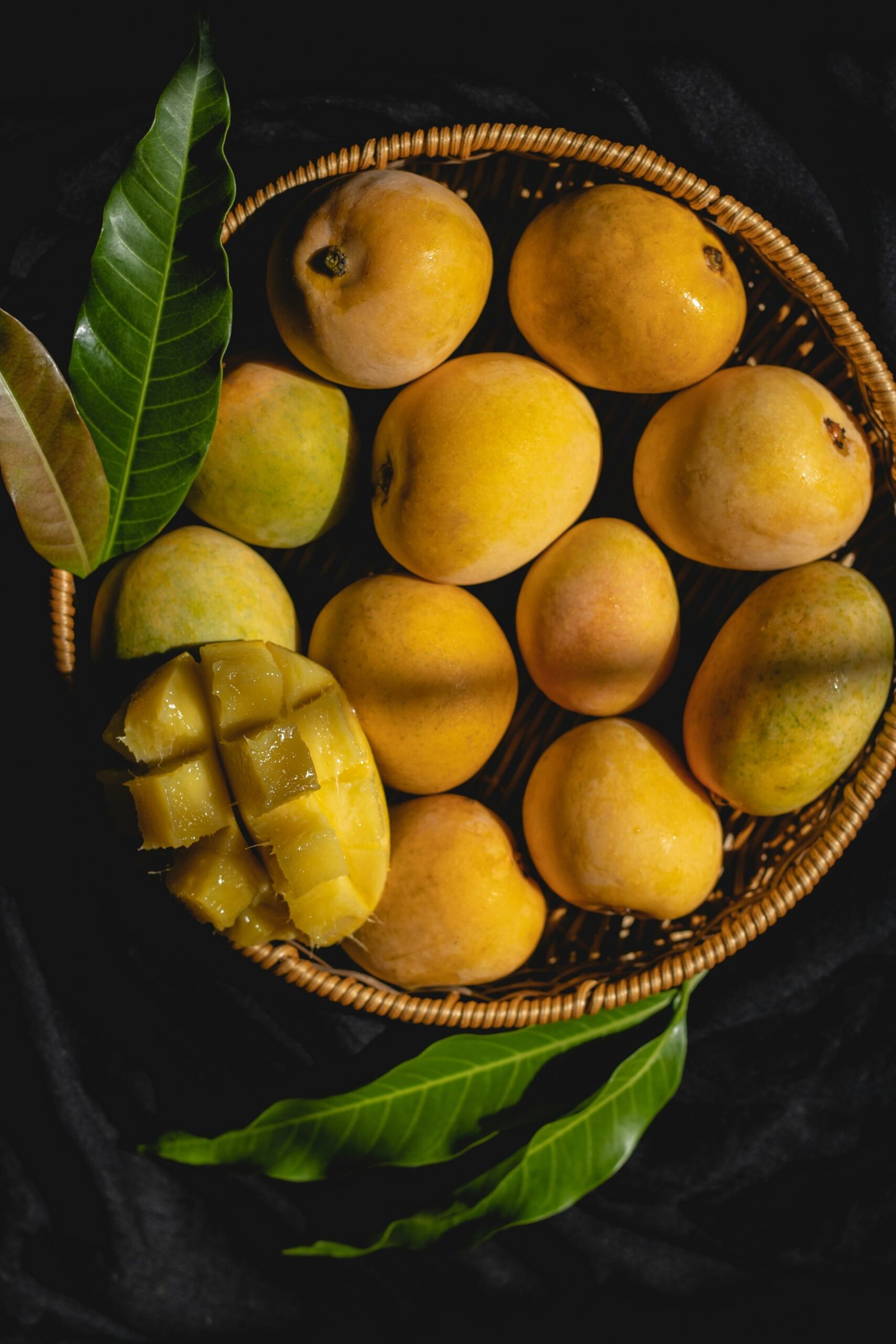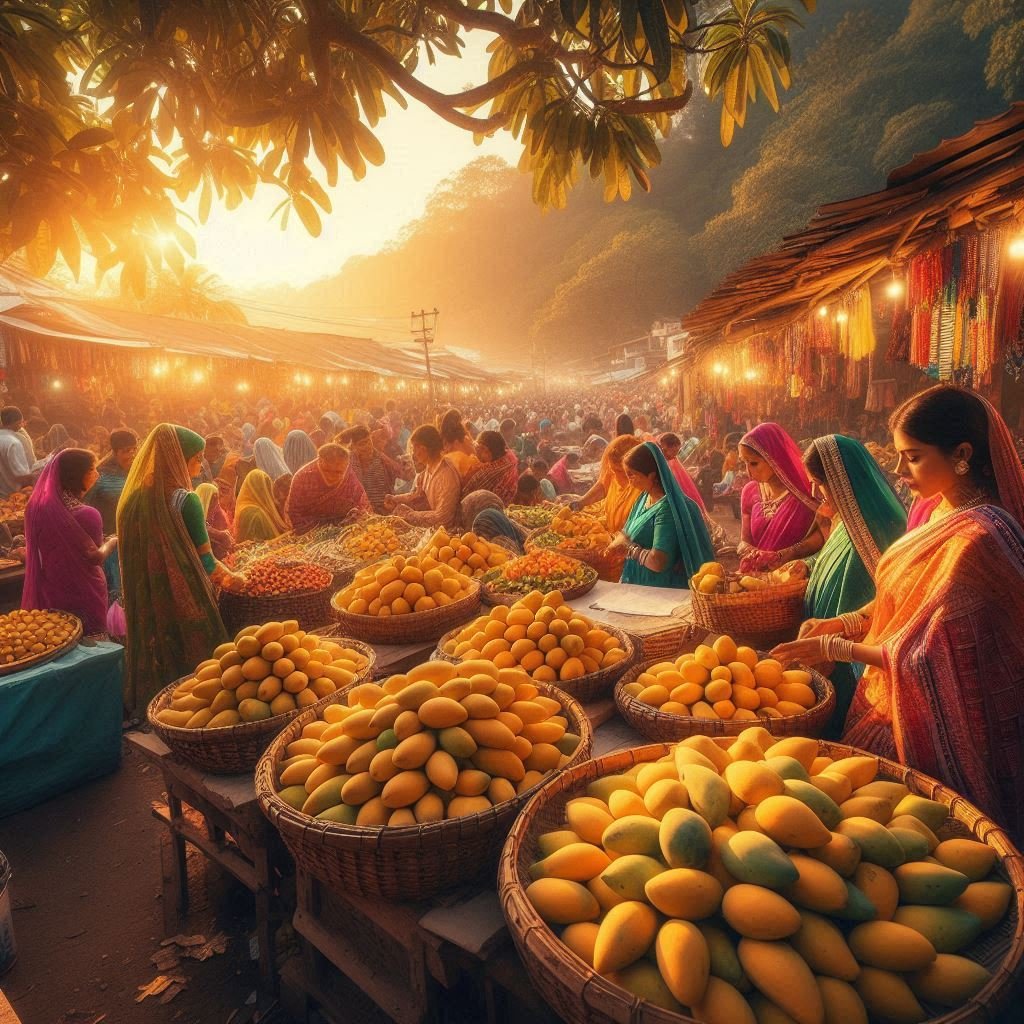
Children who grow up understanding where their food comes from develop a relationship with nature that no classroom textbook can fully replicate. And what better crop to begin that education with than the mango — India’s most beloved fruit, a tree that is generous, patient, and alive with lessons about soil, seasons, science, and culture. Teaching children about mango cultivation isn’t just an agricultural exercise. It’s an invitation to curiosity, responsibility, and a lifelong appreciation for the natural world that sustains us all.
Why Mango Cultivation Is the Perfect Educational Starting Point
The mango tree is uniquely suited for children’s agricultural education for several compelling reasons. It’s familiar — almost every Indian child has eaten a mango and carries an emotional connection to the fruit. It’s visual — the transformation from flower to fruit is dramatic and observable over weeks. And it’s multi-layered — mango cultivation naturally introduces concepts spanning biology, ecology, geography, nutrition, economics, and even history.
From the moment a seed is planted to the day a ripe Alphonso is harvested, children encounter real-world applications of science and life skills at every stage. Patience, observation, care, and problem-solving are not taught abstractly — they are lived through the experience of tending a growing tree.
Start With the Story of the Mango
Before getting hands in the soil, begin with storytelling. Children are natural story listeners, and the mango has an extraordinarily rich cultural narrative that captivates young minds immediately.
Share these compelling mango facts with children:
- Mangoes have been cultivated in India for over 4,000 years — older than most civilisations children learn about in school
- The Mughal Emperor Akbar famously planted an orchard of 100,000 mango trees in Darbhanga, Bihar
- India grows over 1,000 varieties of mangoes — from tiny Alphonso to enormous Mallika
- The mango is India’s national fruit and features in ancient Sanskrit poetry, temple carvings, and royal art
- Konkan’s Alphonso mango is so prized that it is exported to over 40 countries worldwide
These facts don’t just inform — they spark wonder. A child who understands the mango’s cultural heritage approaches cultivation with reverence and enthusiasm rather than indifference.
Hands-On Activities That Make Learning Come Alive
The most effective agricultural education for children is experiential. Here are structured, age-appropriate activities that bring mango cultivation lessons to life:
Seed Germination Experiment
Give each child a cleaned mango seed and a small pot filled with well-draining soil. Have them plant the seed, water it regularly, and observe germination over 2–3 weeks. Maintain a simple journal where children sketch their observations and record growth measurements daily. This activity teaches patience, scientific observation, and the miracle of plant life from a single seed.
Soil Exploration Session
Take children to a garden or farm and let them examine soil samples with magnifying glasses. Introduce them to earthworms, explain what compost is, and demonstrate the difference between healthy dark soil and depleted pale soil. Understanding that soil is a living ecosystem — not just dirt — is one of the most transformative environmental lessons a child can receive.
Pollination and Bees Discovery Walk
During mango flowering season, take children on an orchard walk and point out bees, flies, and butterflies visiting mango flowers. Explain pollination in simple, vivid language — “the bee is carrying the flower’s baby-making powder from one flower to another so the fruit can grow.” This demystifies a complex biological process while building respect for insects and biodiversity.
Mango Variety Tasting Activity
Organise a guided tasting session featuring four or five different mango varieties — Alphonso, Kesar, Dasheri, Totapuri, and Payri. Ask children to describe each variety’s colour, smell, texture, and taste, and vote for their favourite. This sensory activity develops observational vocabulary, comparative thinking, and genuine appreciation for agricultural diversity.
Farm-to-Table Cooking Session
Have children participate in making a simple mango-based dish — aamras, mango lassi, or a fresh mango salad. Walking through the process of washing, peeling, and preparing a mango they have learned about — and ideally watched grow — creates a profound farm-to-table connection that stays with children for life.
Incorporating Mango Education Into School Curricula
Teachers and school administrators have a genuine opportunity to weave mango cultivation into existing subject frameworks:
- Science: Plant biology, photosynthesis, pollination, soil ecosystems, and the water cycle all find natural illustration through mango cultivation
- Geography: Map Konkan’s mango belt, explore India’s mango-growing regions, and discuss how climate influences crop quality
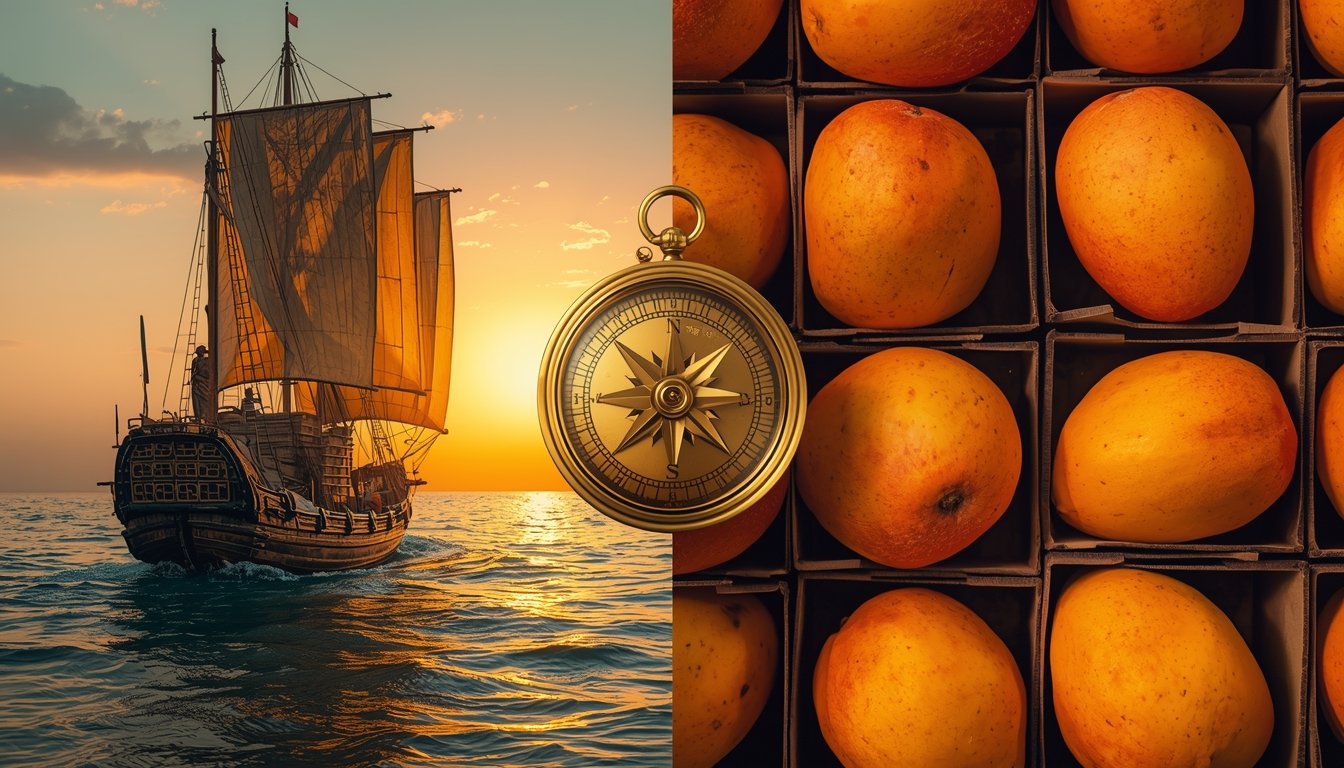
- History and culture: Trace the mango’s journey through Indian history, Mughal art, colonial trade, and global export
- Mathematics: Calculate germination rates, measure tree growth, track harvest quantities, and explore simple farm economics
- Environmental studies: Discuss biodiversity, companion planting, organic farming, and the impact of pesticide use on ecosystems
Schools in Ratnagiri and across the Konkan region are particularly well-positioned to adopt mango-based environmental education programmes, given their proximity to working orchards and farming communities whose knowledge is deep, living, and freely shared.
The Role of Farmers as Teachers
Some of the most powerful mango education children can receive comes not from a textbook but from a farmer standing in their own orchard. Organising school visits to working mango farms — where children can speak directly with growers, touch the bark of century-old trees, smell freshly cut mango wood, and watch the careful process of hand-harvesting — creates memories and understanding that no classroom lesson can match.
Platforms like Kokan Samrat in Ratnagiri offer an extraordinary opportunity for agri-education tourism — connecting urban children with the authentic world of Alphonso mango cultivation, traditional farming wisdom, and the living landscape of Konkan’s orchards.
Growing the Next Generation of Conscious Farmers and Consumers
Educating children about mango cultivation plants seeds that grow far beyond the orchard. A child who understands how a mango grows becomes an adult who values sustainable farming, supports local farmers, makes conscious food choices, and carries a respect for the natural world into every dimension of their life.
The mango is not just a fruit. In the hands of an engaged, curious child — it is a teacher. And the orchard is the most magnificent classroom nature has ever built.