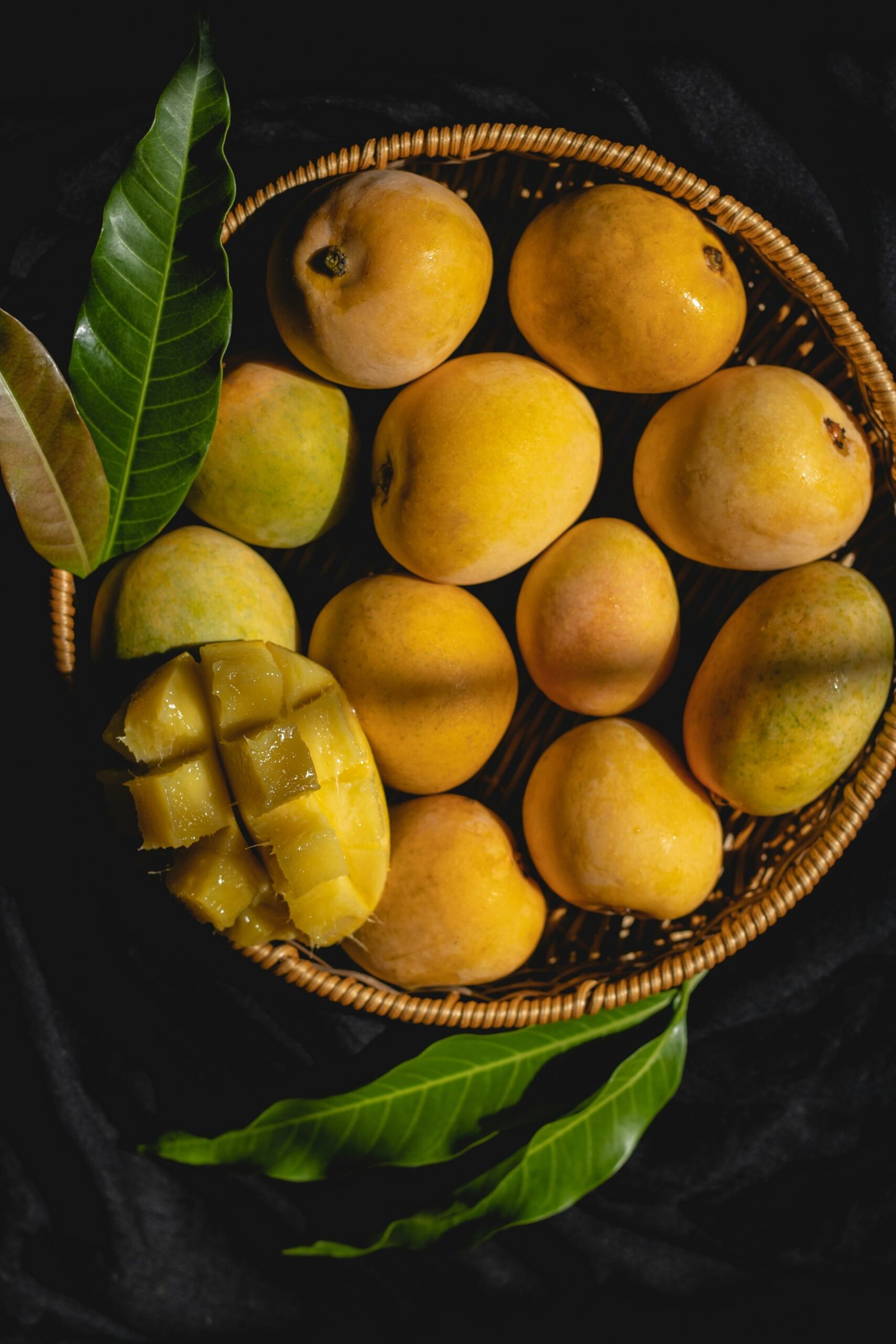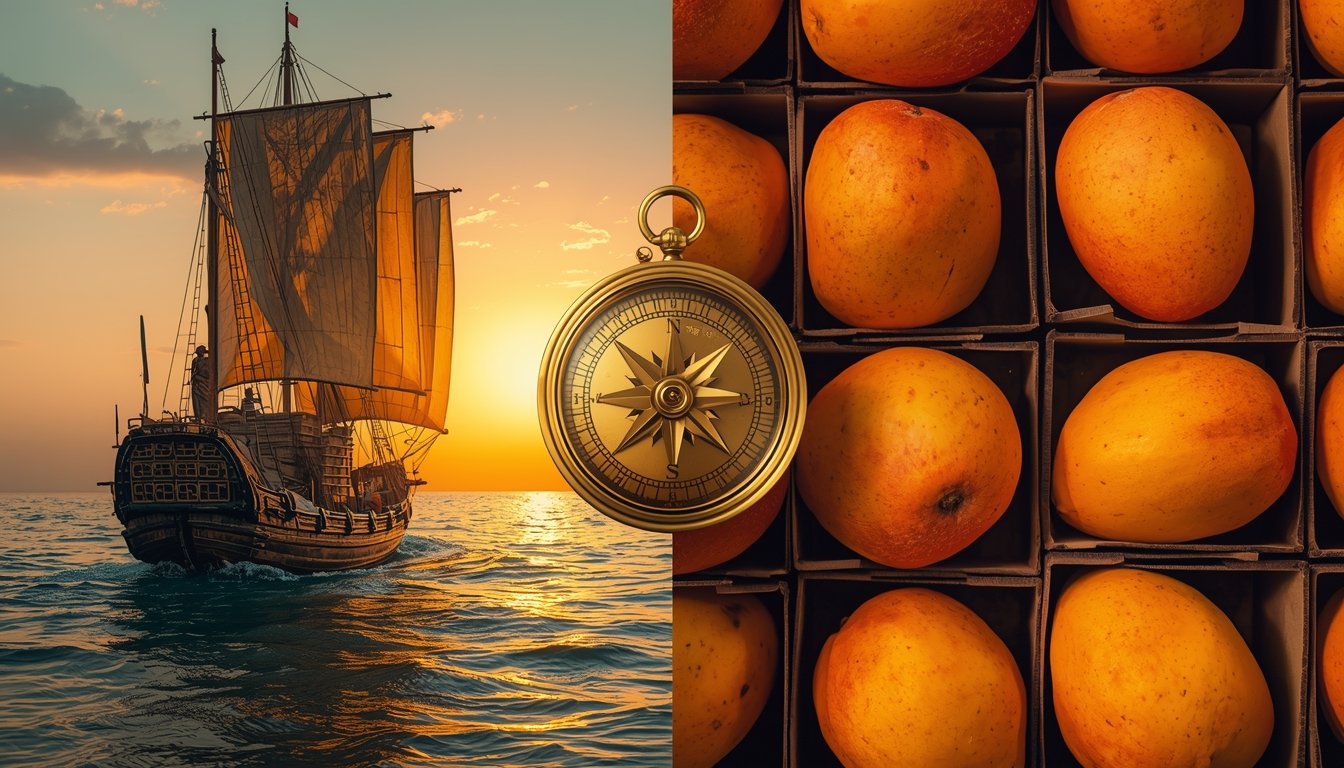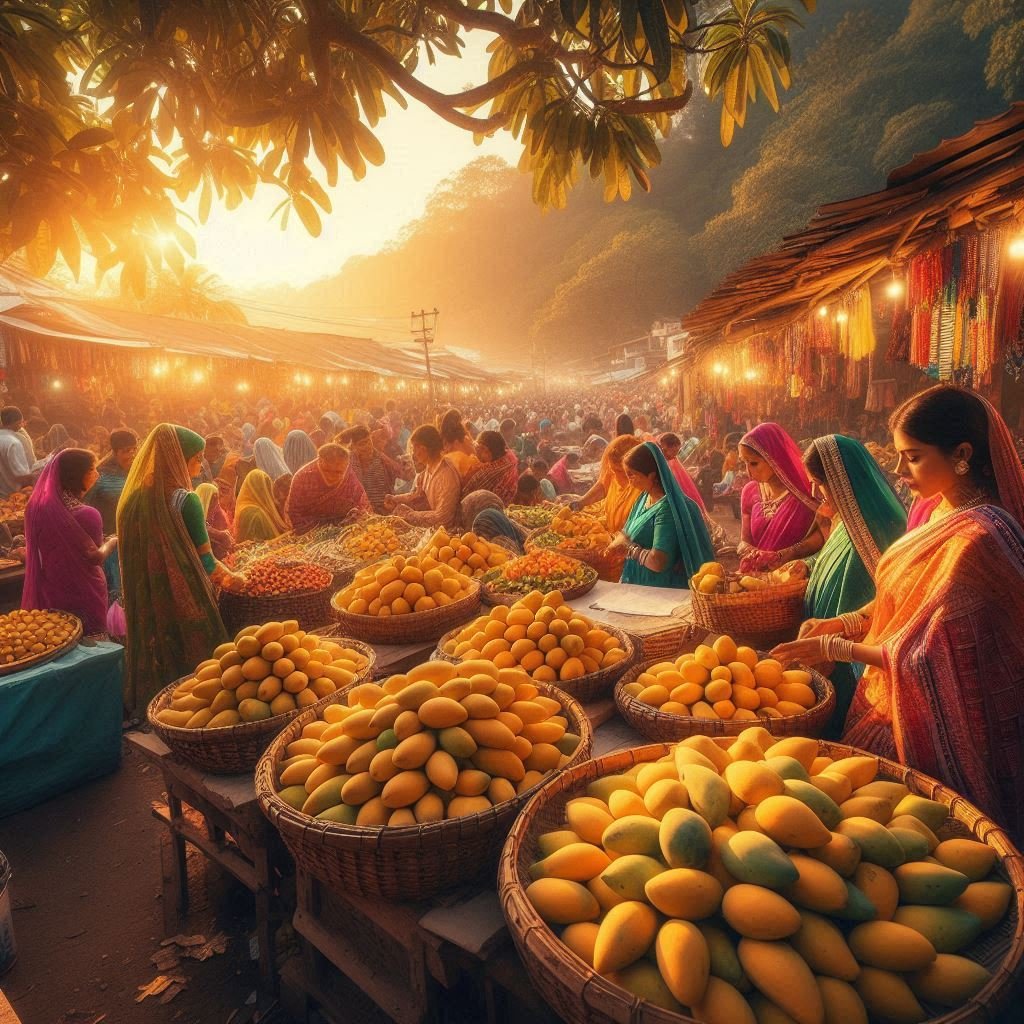
Behind every box of Alphonso mangoes that arrives at your doorstep lies a story that most consumers never fully see — a story of seasonal risk, patient investment, skilled labour, and the kind of farming economics that make mango cultivation one of the most complex agricultural businesses in India. At Kokan Samrat, transparency is a core value. Understanding the true economics of mango farming — what it actually costs to grow a premium Alphonso, what threatens profitability, and how sustainable farming creates long-term financial resilience — is something every conscious mango consumer deserves to know.
The Investment Timeline: Why Mango Farming Demands Patience
Mango farming is not a business for those seeking quick returns. An Alphonso mango tree planted from a grafted sapling takes five to seven years to produce its first commercially viable harvest. During this entire establishment period, the farmer invests in irrigation, fertilisation, pest management, and labour — with zero income from the orchard itself.
Even after trees begin bearing fruit, yields fluctuate significantly during the first few productive years before the orchard reaches full maturity at approximately ten to fifteen years of age. A fully mature Alphonso orchard in Ratnagiri can remain productive for forty to sixty years or more — but reaching that stage requires sustained investment, patience, and a generational commitment to the land that few other agricultural enterprises demand.
This long investment horizon fundamentally shapes the economics of every Alphonso mango sold. The price of a premium Hapus is not simply the cost of one season’s harvest — it is the amortised return on years of cultivation before a single profitable fruit was produced.
The Real Cost of Growing Premium Alphonso Mangoes
Breaking down the true cost structure of Alphonso mango farming at Kokan Samrat reveals why premium pricing is not only justified — it is essential for farm survival.
Labour Costs
Mango farming is intensely labour-dependent at every critical stage — pruning and canopy management after harvest, flower panicle care during January and February, hand-pollination support, pest monitoring, and the delicate hand-harvesting process during April and May. Unlike commodity crops that can be mechanically harvested, Alphonso mangoes must be individually hand-picked with careful handling to prevent bruising — a process that demands skilled, experienced workers whose knowledge directly impacts fruit quality.
Labour typically represents 35–45% of total annual farm operating costs for premium Alphonso orchards in Konkan.
Organic Input Costs
At Kokan Samrat, the transition away from synthetic chemicals toward vermicompost, jeevamrut, neem-based sprays, and biological pest controls represents a significant ongoing investment. While organic inputs reduce long-term soil degradation costs, they often carry higher upfront costs than synthetic alternatives — particularly during the transition phase when soil health is being actively rebuilt.
Irrigation Infrastructure
Drip irrigation systems, rainwater harvesting structures, farm ponds, and check dams represent substantial capital investments that must be maintained and periodically upgraded. In Konkan’s laterite terrain, establishing reliable year-round water access requires engineering solutions tailored to the specific geography of each orchard.
Packaging and Cold Chain
Premium Alphonso mangoes destined for domestic and export markets require careful grading, individual wrapping, and thermocol or cardboard box packaging that protects fruit integrity during transport. Cold chain infrastructure — refrigerated vehicles and storage facilities — adds further cost for farms serving distant markets or international buyers.
Revenue Drivers: What Determines Alphonso Mango Profitability
Understanding what drives mango farm revenue is equally important as managing costs. Several key factors determine whether a season is financially rewarding or economically painful:
Yield Per Tree
A mature, well-managed Alphonso tree in Ratnagiri produces between 40 to 120 kilograms of fruit per season depending on tree age, variety clone, farming practices, and the critical influence of seasonal weather. Alternate bearing — the natural tendency of mango trees to produce heavily one year and lightly the next — creates inherent year-to-year revenue volatility that farmers must financially plan around.
Grade Distribution
Premium Grade A Alphonso mangoes — large, blemish-free, uniformly coloured, and of maximum fragrance — command prices three to five times higher than Grade B or Grade C fruit of the same variety. The percentage of a harvest that achieves Grade A classification directly determines a season’s profitability. Quality-focused farming practices, careful pest management, and skilled harvesting all increase Grade A yield percentage.
Market Access and Direct Sales
Farms that sell exclusively through traditional middlemen and commission agents typically receive 30–40% less revenue than the consumer-facing price. Direct-to-consumer channels — branded online sales, subscription boxes, farm-gate purchases, and agri-tourism experiences — eliminate intermediary margins and significantly improve farm-level profitability.
Kokan Samrat’s investment in direct brand building, online sales infrastructure, and consumer trust through transparent farming practices represents a strategic economic decision — one that rewards quality-focused farming with pricing power that the commodity market never provides.
Climate Risk: The Variable No Farmer Controls
The single greatest economic threat to Alphonso mango farming in Konkan is climate unpredictability. Pre-monsoon weather during the critical January to March flowering period determines yield outcomes more powerfully than any farming input. Unseasonal rain during flowering washes away pollen and triggers fungal infections that devastate panicles. Excessive heat during fruit development causes premature dropping. Cyclonic activity approaching the Konkan coast during harvest months can eliminate an entire season’s crop within hours.
These climate risks are intensifying with each passing decade. Kokan Samrat manages climate exposure through variety diversification, staggered flowering management, crop insurance participation, and the financial buffer that premium direct-sales pricing provides — but no strategy eliminates the fundamental vulnerability that every mango farmer in Konkan lives with each season.
The Economics of Choosing Quality
The insights from Kokan Samrat’s farming economics carry a clear message for every mango consumer making a purchase decision — the price of a genuinely premium, naturally grown, ethically farmed Alphonso mango reflects reality, not inflation.
It reflects the seven years before the first harvest. The skilled hands that pick each fruit individually. The organic inputs that rebuild rather than deplete the soil. The direct investment in quality that delivers Grade A fruit season after season. And the generational commitment to an orchard and a community that produces one of the world’s most extraordinary agricultural products.
When you choose Kokan Samrat, you are not paying a premium for a brand name. You are paying the true, honest price of a mango grown with integrity — and every rupee of that price flows directly back into the soil, the farmer, and the future of Konkan’s irreplaceable mango heritage.