In every Ratnagiri household worth its salt — quite literally — there exists a ceramic jar, a heavy stone pot, or a glass vessel sitting quietly in a cool corner of the kitchen, doing something extraordinary. It is transforming raw, unripe mango into one of the most flavourful, complex, and culturally significant condiments in Indian culinary tradition. Mango pickling in Ratnagiri is not a recipe. It is a ritual. Passed down through generations of Konkan women who measured spices by instinct and adjusted salt by taste, these traditional mango pickle recipes carry within them the accumulated wisdom of centuries — and a flavour that no factory-produced jar has ever successfully replicated.
Why Ratnagiri’s Mango Pickles Are in a Class of Their Own
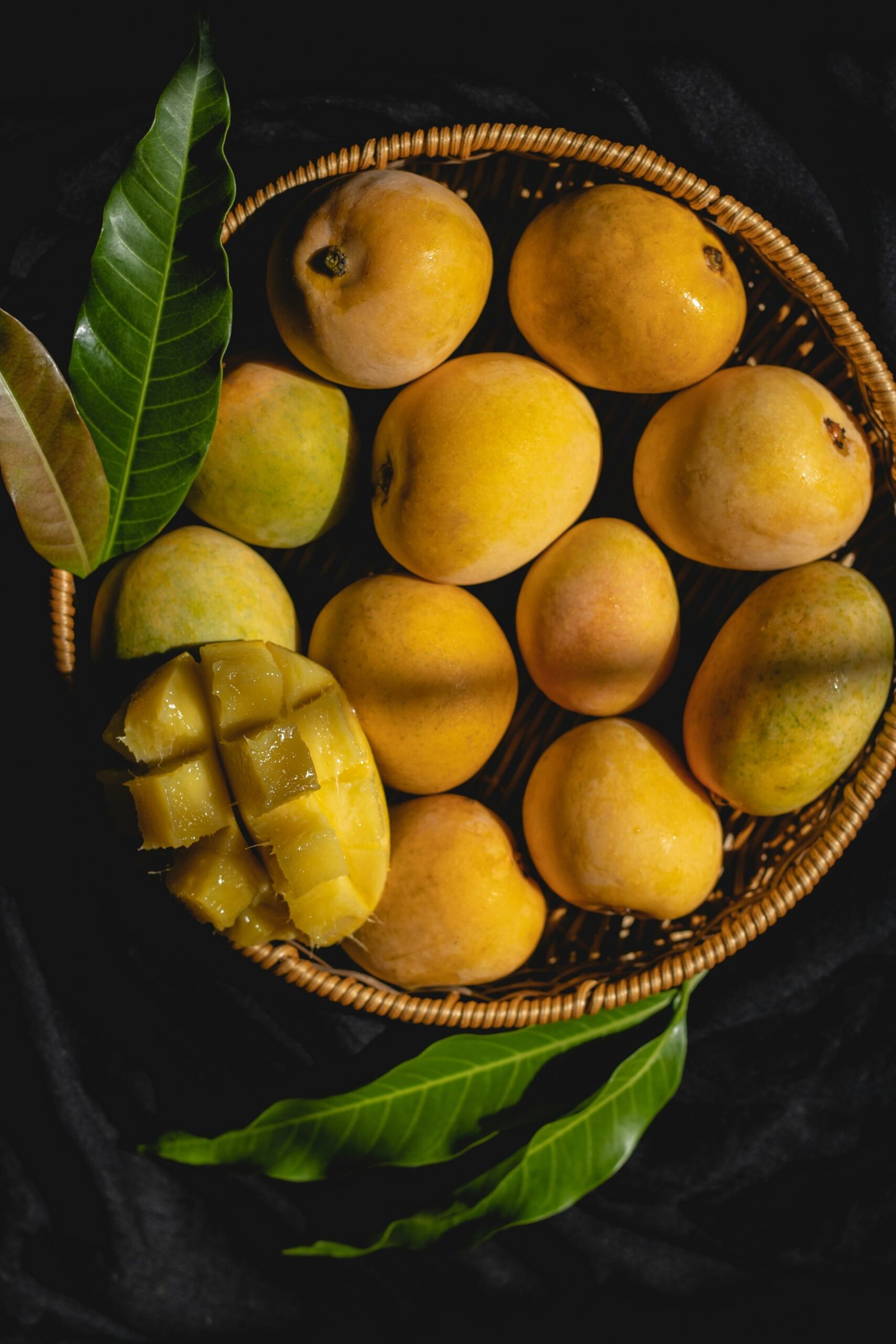
The quality of any mango pickle begins and ends with the raw mango used to make it. Ratnagiri’s unripe Alphonso and Payri mangoes — firm, tart, and intensely aromatic even before ripening — provide a pickling base of exceptional character. Their high natural acidity creates the ideal environment for the fermentation and preservation process, while their thick flesh holds its structure beautifully through months of marinating without turning mushy.
Ratnagiri’s coastal climate contributes further — the salted, spiced pickle jars traditionally sun-cured on rooftops during the intense pre-monsoon months of April and May benefit from the specific combination of Konkan heat and sea air that accelerates flavour development in ways that artificial curing simply cannot match. This is terroir applied to pickle-making — the place itself shapes the final flavour.
The Spice Philosophy Behind Konkan Mango Pickle
Understanding the spice foundation of traditional Ratnagiri mango pickle helps appreciate why these recipes produce such distinctly bold, layered flavours.
The essential spice architecture includes:
- Red chilli powder — Konkan pickles are unapologetically spicy; the chilli is not a background note but a primary flavour driver
- Mustard seeds — whole and ground, providing both texture and the sharp, pungent backbone that defines Indian pickle character
- Fenugreek seeds — slightly bitter, aromatic, and essential for developing the pickle’s distinctive depth over time
- Turmeric — anti-microbial, colour-enhancing, and foundational to preservation
- Asafoetida (hing) — a small amount delivers enormous flavour complexity and digestive benefit
- Salt — non-iodised rock salt or sea salt is mandatory; iodised salt disrupts fermentation and compromises preservation
- Mustard oil or sesame oil — the fat medium that carries spice flavours and creates the pickle’s characteristic oily richness
The proportion of these ingredients, and the sequence in which they are added, is where family recipes diverge — and where generations of Ratnagiri grandmothers have guarded their particular formulas with affectionate secrecy.
Recipe 1: Ratnagiri Kairichi Loncha — Classic Raw Mango Pickle
This is the foundational Konkan mango pickle — sharp, spicy, oily, and absolutely irresistible alongside hot bhakri, dal, or plain rice.
Ingredients:
- 500g firm raw mangoes — washed, dried completely, and cut into 2cm cubes with skin intact
- 3 tablespoons non-iodised salt
- 2 tablespoons red chilli powder — preferably Kashmiri for colour and Bedgi for heat
- 1 tablespoon mustard seeds — coarsely ground
- 1 teaspoon fenugreek seeds — dry roasted and coarsely ground
- ½ teaspoon turmeric powder
- ¼ teaspoon asafoetida
- 4 tablespoons mustard oil — heated to smoking point and cooled completely
Method:
- Ensure raw mango pieces are completely moisture-free — any residual water causes spoilage
- In a large dry bowl, combine mango pieces with salt and turmeric; mix thoroughly and set aside for 2 hours to draw out moisture
- Drain the drawn-out liquid completely and pat mango pieces dry with a clean cloth
- Mix red chilli powder, ground mustard, fenugreek, and asafoetida together in a separate bowl
- Combine the spice mixture with the salted mango pieces and mix thoroughly ensuring every piece is evenly coated
- Pour cooled mustard oil over the mixture and fold gently until well combined
- Transfer to a sterilised, completely dry glass or ceramic jar, pressing down firmly to eliminate air pockets
- Seal and place in direct sunlight for 5–7 days, bringing indoors each evening
The pickle is ready to eat within a week but reaches its most complex, fully developed flavour after 3–4 weeks of continued maturing.
Recipe 2: Methamba — Sweet and Spicy Mango Relish
Methamba is the gentler, more nuanced cousin of the classic loncha — a semi-pickle relish that balances raw mango tartness with jaggery sweetness. It is a staple of traditional Maharashtrian meals, served as a palate-awakening starter alongside the main course.
Ingredients:
- 2 medium raw mangoes — peeled and grated
- 3 tablespoons jaggery — grated or crumbled
- 1 teaspoon mustard seeds
- ½ teaspoon red chilli powder
- ¼ teaspoon turmeric
- A pinch of asafoetida
- 1 tablespoon sesame or coconut oil
- Salt to taste
Method:
- Heat oil in a pan; add mustard seeds and allow to splutter
- Add asafoetida and turmeric; stir for 15 seconds
- Add grated raw mango and mix well; cook on medium flame for 3–4 minutes
- Add jaggery, red chilli powder, and salt; stir until jaggery dissolves completely and the mixture comes together into a glossy, semi-thick relish
- Cool completely before storing in a sterilised jar
Methamba keeps refrigerated for up to 10 days and is best served at room temperature alongside freshly made puris or as a condiment with dal and rice.
Recipe 3: Amsul-Infused Mango Pickle — The Coastal Signature
This distinctly Konkan variation incorporates dried kokum (amsul) — the region’s signature souring agent — alongside raw mango for a pickle with a uniquely deep, complex tartness that is unlike any other regional mango pickle in India.
Ingredients:
- 400g raw mango — cubed
- 6–8 pieces dried kokum (amsul)
- 2 tablespoons salt
- 1½ tablespoons red chilli powder
- 1 teaspoon mustard seeds — ground
- ½ teaspoon fenugreek — ground
- 3 tablespoons warm sesame oil
- ¼ teaspoon turmeric
Method:
- Soak dried kokum in two tablespoons of warm water for 20 minutes until softened; reserve the soaking liquid
- Combine mango pieces with salt and turmeric; rest for 90 minutes then drain thoroughly
- Mix all spices together and coat mango pieces evenly
- Add softened kokum pieces and the concentrated soaking liquid to the spiced mango
- Pour warm sesame oil over the mixture and combine gently
- Jar, seal, and sun-cure for 5 days
The kokum’s tartness melds with the raw mango’s acidity over time creating a pickle of extraordinary layered flavour — sour, spicy, and deeply aromatic in a way that is unmistakably, irreducibly Konkan.
Essential Tips for Perfect Mango Pickling
The difference between a great traditional pickle and a disappointing one often comes down to these non-negotiable principles:
- Absolute dryness is mandatory — every utensil, jar, and mango piece must be completely free of moisture before pickling begins
- Use only non-iodised salt — iodine interferes with the natural fermentation process and can cause the pickle to spoil prematurely
- Always sterilise jars — wash with hot water, dry completely in sunlight, and never introduce wet spoons into a stored pickle
- Sun-curing is not optional — the heat activates spice oils and accelerates flavour development in ways that room temperature storage cannot replicate
- Patience delivers complexity — a three-week-old pickle is dramatically more developed in flavour than a three-day-old one; resist the temptation to consume immediately
A Jar Full of Konkan Memory
Mango pickling in Ratnagiri is ultimately an act of love — love for the fruit, love for the season, and love for the people who will eat the pickle long after mango season has passed. Every jar of traditionally made Konkan mango pickle is a time capsule — a concentrated, spiced, preserved moment of April’s harvest that can be opened in the middle of August and transport you instantly back to the fragrant orchards of Ratnagiri.
At Kokan Samrat, this tradition is honoured with the same seriousness and pride as the Alphonso mango itself. Because in Konkan, the mango is never just a fruit. Even preserved, salted, and spiced beyond recognition — it remains the heart of the kitchen, the soul of the meal, and the taste of home.