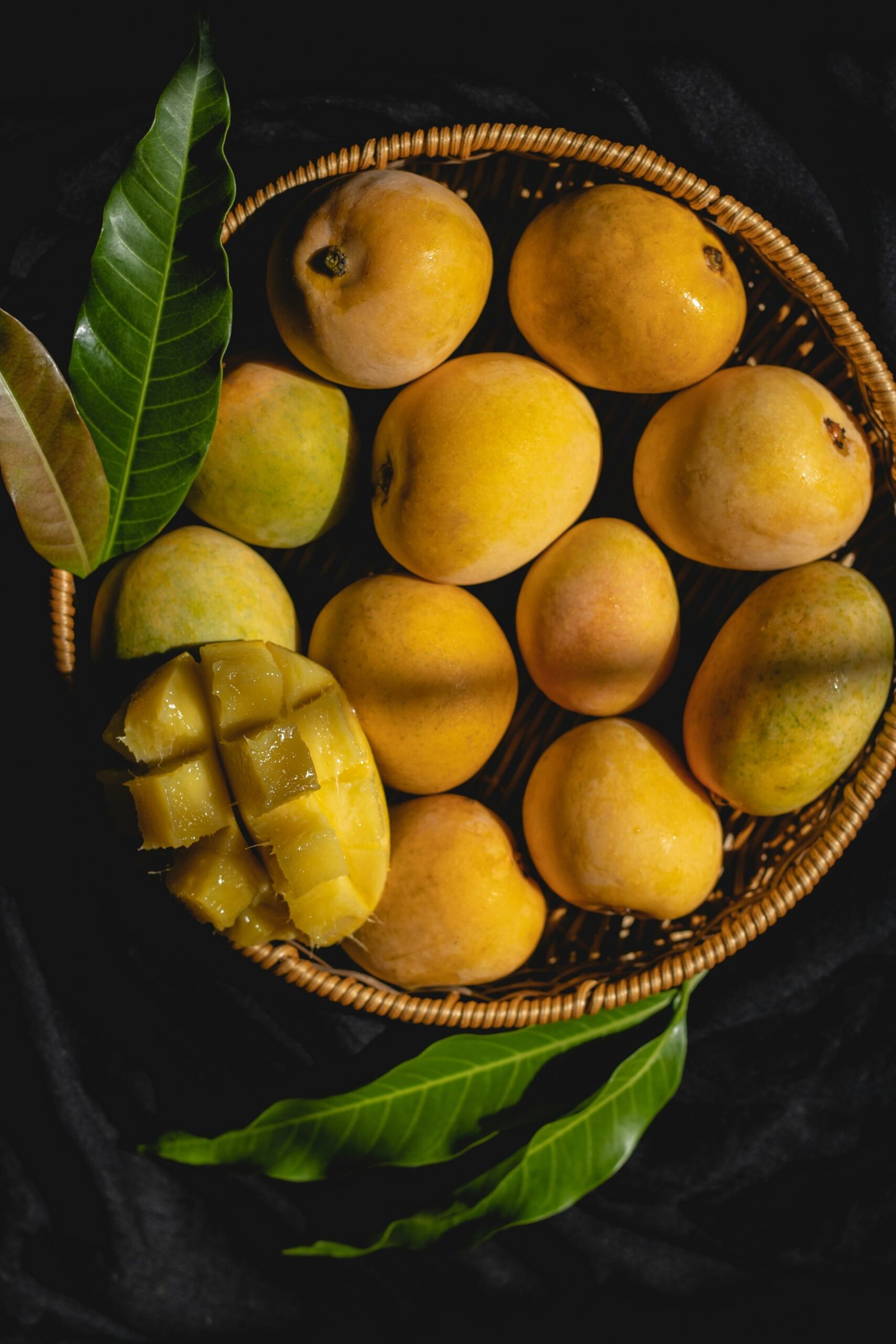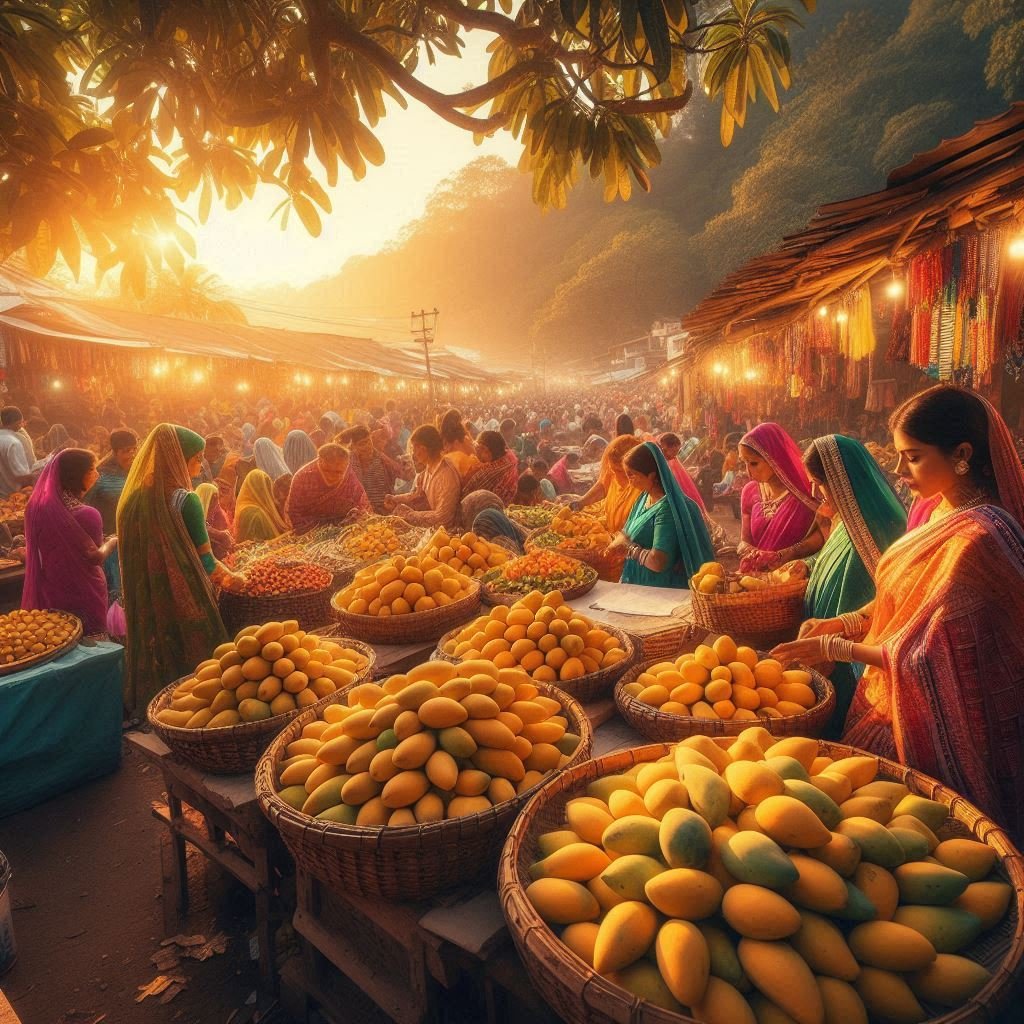
There is a quiet but powerful shift happening across India’s mango orchards. Farmers who once relied on synthetic fertilisers and chemical pesticides to maximise short-term yields are increasingly recognising a truth that their grandparents instinctively understood — the healthiest mango grows in the healthiest soil, tended by the most respectful hands, without shortcuts that cost the land more than they save the farmer. Organic farming for mango production is not a trend borrowed from Western food culture. It is a return to agricultural wisdom that the Konkan coast, Ratnagiri’s laterite orchards, and generations of dedicated Alphonso mango farmers have always embodied at their best.
What Organic Mango Farming Actually Means
Organic mango farming is a holistic production system that avoids synthetic pesticides, chemical fertilisers, genetically modified inputs, and artificial ripening agents — relying instead on natural biological processes, traditional agricultural knowledge, and ecologically sound practices to maintain soil health, manage pests, and produce fruit of genuine quality.
It is critically important to distinguish between genuinely organic farming and farming that simply uses fewer chemicals. True organic mango production requires:
- Complete elimination of synthetic pesticide and herbicide application
- Soil nutrition managed exclusively through compost, vermicompost, green manure, and bio-fertilisers
- Pest management through biological controls, companion planting, and mechanical interventions
- Documentation and third-party certification verifying compliance with organic standards over a minimum transition period
- A farming philosophy that views the orchard as a living ecosystem rather than a production unit
This distinction matters because the consumer paying a premium for organic Alphonso mangoes deserves the assurance that the certification reflects genuine practice — not a marketing label applied loosely to conventionally farmed fruit.
How Synthetic Chemicals Damage Mango Orchards Over Time
The short-term appeal of synthetic inputs in mango farming is understandable — chemical fertilisers deliver rapid nutrient availability, and broad-spectrum pesticides provide immediate pest knockdown. But the long-term consequences of chemical-dependent mango farming are severe, cumulative, and increasingly difficult to reverse.
Soil Degradation
Repeated synthetic fertiliser application disrupts the delicate balance of soil microbial communities that are the foundation of natural fertility. Beneficial fungi, nitrogen-fixing bacteria, and earthworm populations decline progressively — leaving soil increasingly dependent on chemical inputs to produce the same yields. What begins as a productivity tool becomes a dependency that deepens with every season.
Pesticide Resistance
Mango pests exposed to repeated chemical treatments develop resistance over successive generations — requiring progressively stronger formulations at higher frequencies to achieve the same control. This escalating chemical treadmill increases input costs, environmental contamination, and the collateral destruction of beneficial insects including the pollinators that mango trees depend on for fruit set.
Groundwater Contamination
Chemical fertiliser runoff and pesticide leaching into Konkan’s rivers, coastal waterways, and underground aquifers represents an environmental cost that extends far beyond the individual farm — affecting fishing communities, drinking water quality, and the broader coastal ecosystem that defines the region’s ecological identity.
Residue on Fruit
Perhaps most directly relevant to consumers — chemical residues on and within conventionally farmed mangoes represent a genuine health concern. International export markets have tightened maximum residue limits (MRLs) for mango imports significantly, and Indian exporters have faced shipment rejections due to pesticide residue violations. The consumer’s growing awareness of food safety is not unfounded — and organic certification provides the only reliable assurance of residue-free fruit.
The Benefits of Organic Farming for Mango Production
Superior Fruit Quality
Mangoes grown organically in genuinely healthy, biologically active soil consistently demonstrate superior flavour complexity, more intense aroma, and higher concentrations of Vitamin C, beta-carotene, and beneficial polyphenols compared to their chemically farmed equivalents. The soil’s nutritional balance directly influences the fruit’s nutritional and flavour profile — a relationship that no synthetic fertiliser programme fully replicates.
Long-Term Soil Fertility
Organic farming practices — composting, vermicomposting, green manuring, and minimal tillage — actively rebuild soil fertility season after season rather than depleting it. An organically managed Alphonso orchard in its twentieth year of organic practice is measurably more fertile, more biologically active, and more productive than the same orchard managed conventionally — a compounding return on ecological investment.
Biodiversity Restoration
Organic mango orchards support significantly greater biodiversity than conventionally managed ones — more pollinator species, more beneficial predatory insects, richer soil microbial communities, and more diverse plant life in surrounding areas. This biodiversity directly improves orchard resilience, reducing the vulnerability to single-pest or single-disease outbreaks that devastate monoculture chemical farms.
Premium Market Access and Price
Certified organic Alphonso mangoes command 30–60% price premiums in domestic premium markets and significantly higher margins in international export destinations including the United Kingdom, European Union, United States, and the Gulf. Organic certification opens doors to conscientious consumers, premium retail channels, and export buyers who actively seek verified clean-farming credentials.
Environmental Legacy
Every organically farmed mango orchard is a net positive contributor to its surrounding environment — sequestering carbon in healthy soil, supporting pollinator populations, protecting water quality, and maintaining the ecological integrity of the landscape. For Konkan’s farmers, who live within and depend upon this environment, organic farming is ultimately an act of self-preservation as much as agricultural philosophy.
Organic Farming at Kokan Samrat: A Living Commitment
At Kokan Samrat’s Ratnagiri orchards, the transition toward fully organic mango production is not a sudden commercial decision — it is the natural deepening of a farming identity that has always prioritised the health of the land over the convenience of shortcuts. The farm’s progressive elimination of synthetic inputs, investment in vermicompost and bio-fertiliser production, adoption of companion planting strategies, and commitment to the organic certification pathway reflects a clear-eyed understanding of where premium mango farming must go.
The Alphonso mango’s global reputation rests on two pillars — the unique terroir of Konkan’s laterite-rich coastal geography, and the quality of the farming practices that translate that terroir into fruit. Synthetic chemistry erodes both. Organic farming amplifies both. The choice, viewed with any long-term perspective, is unambiguous.
Growing Forward, Rooted in Responsibility
The importance of organic farming for mango production extends beyond any single orchard, any single season, or any single brand. It is a statement about what kind of food system we want to sustain — one where the finest fruit comes from the healthiest land, where farmers are rewarded for ecological stewardship rather than penalised for it, and where every mango that reaches a consumer’s table carries within it the integrity of its entire growing journey.
Choose organic mango. Support farmers who farm with conscience. And recognise that the price difference between a certified organic Alphonso and a conventionally produced alternative reflects not just better farming — but a better future for the land, the farmer, and every person fortunate enough to eat what that land produces.