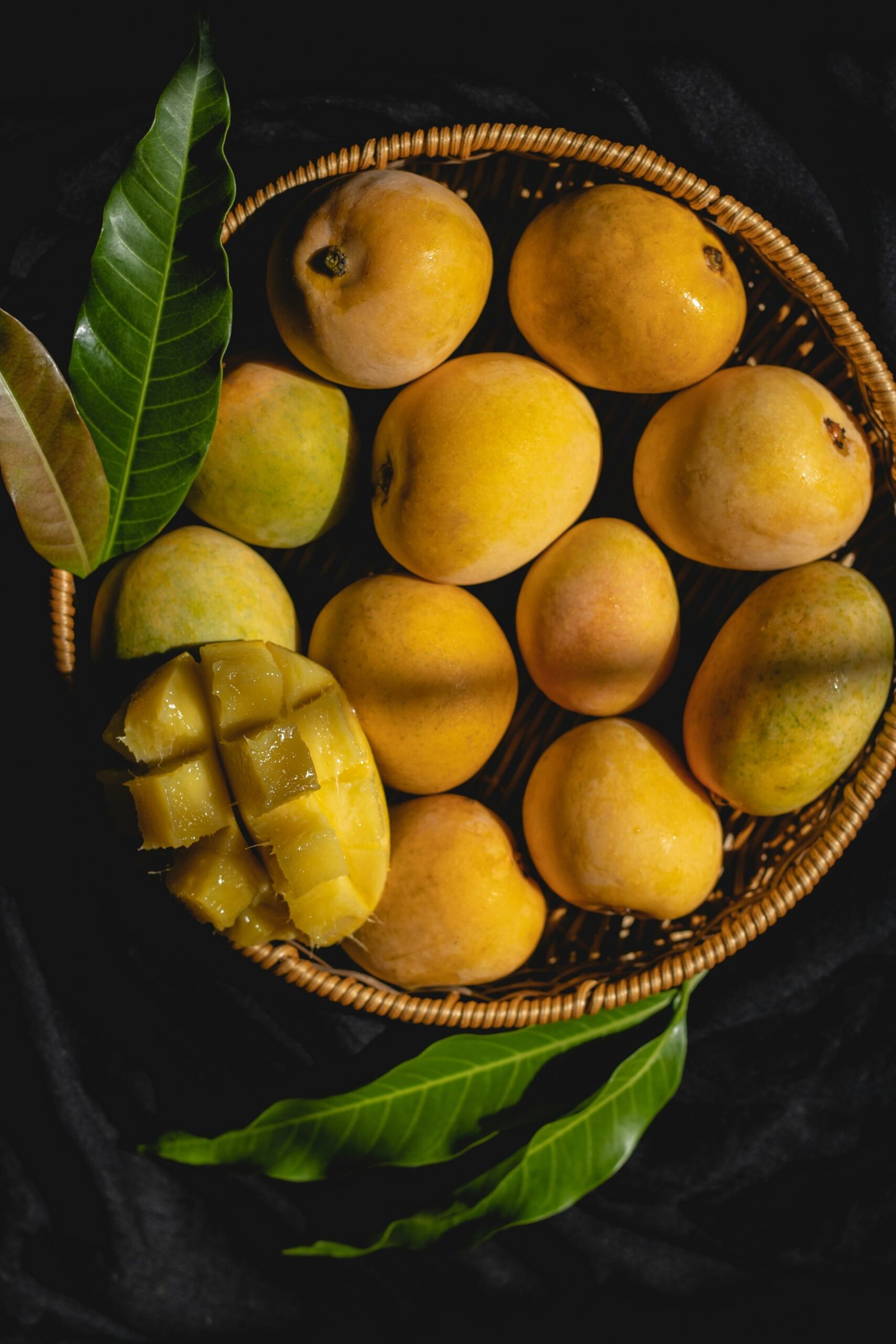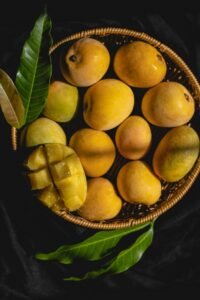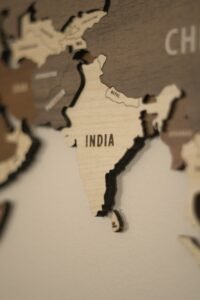
Ratnagiri mangoes don’t just grow — they are crafted by nature. The legendary Alphonso mango, known the world over as the King of Mangoes, owes its unrivaled sweetness, saffron-golden hue, and buttery texture to a very specific combination of soil, sea breeze, and seasonal weather. At the heart of that story is one powerful seasonal force: the monsoon. Understanding how the monsoon influences mango quality in Ratnagiri is not just agricultural science — it is the secret behind every unforgettable bite of a Hapus mango.
Ratnagiri: Where Geography Meets Greatness
Ratnagiri sits along the Konkan coast of Maharashtra, cradled between the Western Ghats and the Arabian Sea. This geography creates a microclimate unlike any other in India — laterite-rich red soils, consistent coastal humidity, and a monsoon that arrives with full force between June and September. The Alphonso mango grown here holds a prestigious Geographical Indication (GI) tag, a recognition that its extraordinary quality is inseparable from this land and this climate.
The annual rainfall in Ratnagiri typically ranges between 2,000 and 2,500 mm — far above the national average — and this is precisely what makes the region both a paradise and a challenge for mango cultivation.
The Mango Calendar: When Monsoon Matters Most
To understand the monsoon’s influence, you first need to understand the mango’s annual growth cycle. Mango trees in Ratnagiri flower between November and February, fruit setting occurs through March and April, and harvesting begins from March-end to May, ending just before the monsoon arrives.
This means the monsoon doesn’t just affect one stage — it shapes the entire preceding year. How well the tree was hydrated during the last monsoon season, how completely it dried out before flowering, and how cleanly the fruits were harvested before the next monsoon begins all determine the quality of every Alphonso mango that reaches your table.
How Monsoon Rainfall Builds the Foundation for Quality
A healthy, well-timed monsoon is the foundation of a great Alphonso season. The monsoon months allow mango trees to recover from the previous harvest, build root strength, accumulate nutrients, and prepare for the critical flowering phase. Adequate monsoon rainfall ensures the laterite soil of Ratnagiri retains sufficient moisture to support deep root development without waterlogging.
The ideal annual rainfall for mango cultivation is considered to be between 890 and 1,015 mm, though mango trees in Ratnagiri thrive at higher levels because of their well-draining laterite terrain. The key is not just the volume of rainfall but its timing and distribution — steady, well-spaced monsoon showers are far healthier for the tree than sudden, intense downpours.
Excess Monsoon Rainfall: The Silent Destroyer
When the monsoon overstays its welcome, the consequences for Alphonso quality can be severe. In 2020, Ratnagiri experienced monsoon rainfall exceeding 5,000 mm — nearly double the normal levels — and the monsoon extended all the way into November, weeks beyond its usual exit. The result was catastrophic: delayed flowering, poor fruit setting, and a 50–60% dip in production that sent wholesale prices soaring to ₹6,000–9,000 per case.
Excessive moisture creates the ideal breeding ground for fungal diseases like anthracnose and powdery mildew, both of which attack the fruit skin, reduce shelf life, and compromise the aroma and taste that define a premium Alphonso. Waterlogged soil leads to root rot, weakening trees to the point where they may not flower at all in the following season.
Insufficient Rainfall: Small Fruits, Shallow Flavor
The opposite extreme is equally damaging. When monsoon rainfall falls below optimum levels, mango trees enter the flowering phase under water stress. The result is a crop of smaller, lighter fruits with reduced sugar content, diminished aroma, and a lower total soluble solids (TSS) count — a key marker of Alphonso quality and sweetness.
Insufficient hydration during the tree’s recovery phase also means fewer healthy flower clusters in the next season, directly reducing yield. For Ratnagiri farmers who depend on a single annual harvest, even a partially below-average monsoon can mean financial loss compounded by lower fruit quality and depressed market prices.
The Critical “Dry Window” Before Flowering
One of the most fascinating aspects of Alphonso mango cultivation is the mandatory dry period required before flowering. Mango trees need a clear, dry, and slightly cool period between October and December to trigger the floral hormone response that initiates bud formation. Rain during this window — even a few unseasonal showers — disrupts the hormonal process and leads to erratic or sparse flowering.
This is why a timely monsoon exit is just as important as a timely arrival. Farmers in Ratnagiri watch the October sky with as much anxiety as they watch the June horizon. A lingering monsoon that refuses to retreat means the dry window shrinks, flowering is delayed or patchy, and the harvest season shortens dramatically.
Rain During Flowering: The Worst-Case Scenario
If monsoon rainfall is the foundation and the dry window is the gateway, then unseasonal rain during flowering (November–February) is the single most destructive event in the Alphonso calendar. Rain during flowering washes away pollen, prevents bee pollination, promotes fungal infection of flower clusters, and dramatically reduces fruit set.
In recent years, climate change has increased the frequency of unseasonal rainfall events in the Konkan region. Alphonso farmers report that unpredictable February showers — once rare — are now a near-annual concern, and they have driven prices in major markets like Pune up from ₹500–700 per dozen in 2022 to ₹700–1,000 per dozen by 2023.
Climate Change: A Growing Threat to Ratnagiri’s Legacy
Beyond seasonal variation, the broader pattern of climate change is reshaping the monsoon’s behavior in Ratnagiri. Research shows that minimum temperatures in the region have been rising by approximately 0.05°C per year, and a 1°C rise in minimum temperature correlates with a drop of about 12.3 mm in annual rainfall — a subtle but cumulative shift.
These changes don’t just affect one bad season — they gradually alter the soil microbiome, stress tree physiology, shift pollinator activity, and ultimately threaten the very terroir that gives Ratnagiri Alphonso its GI-protected identity. Without proactive climate-adaptive farming practices, the world’s most celebrated mango may become increasingly rare — and increasingly expensive.
What Farmers Are Doing About It
Ratnagiri’s mango growers are not passive observers. Many are adopting weather advisories issued by horticulture experts, shifting to micro-irrigation systems to buffer against rainfall variability, and using organic fungicide treatments to combat monsoon-triggered disease without compromising fruit purity. The Maharashtra Horticulture Board continues to develop region-specific guidance to help farmers navigate an increasingly unpredictable monsoon.
The goal is clear: protect the legacy of the Alphonso mango by working with the monsoon, not against it.
The Monsoon Is the Mango
In Ratnagiri, the monsoon is not just a season — it is a co-author of every Alphonso mango that earns its name. Too much rain drowns the dream. Too little leaves it parched. But when the monsoon arrives on time, departs with grace, and leaves behind well-hydrated, well-rested trees ready to flower, the result is the golden, aromatic, melt-in-your-mouth Hapus that has made Ratnagiri legendary across the world.
The next time you peel a Ratnagiri Alphonso and inhale that intoxicating saffron fragrance, remember — you’re tasting not just the fruit, but an entire season of rain, restraint, and nature’s extraordinary precision.