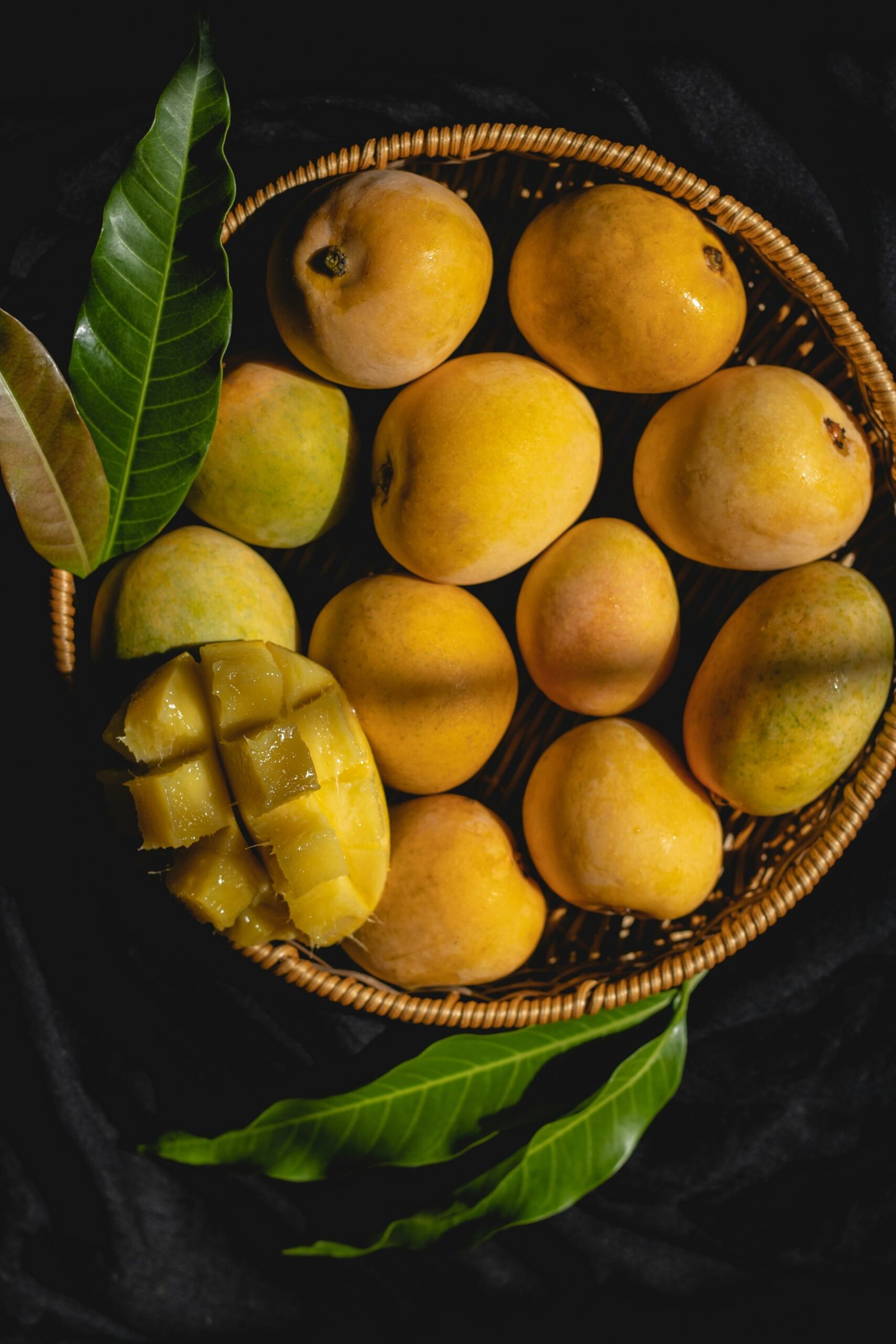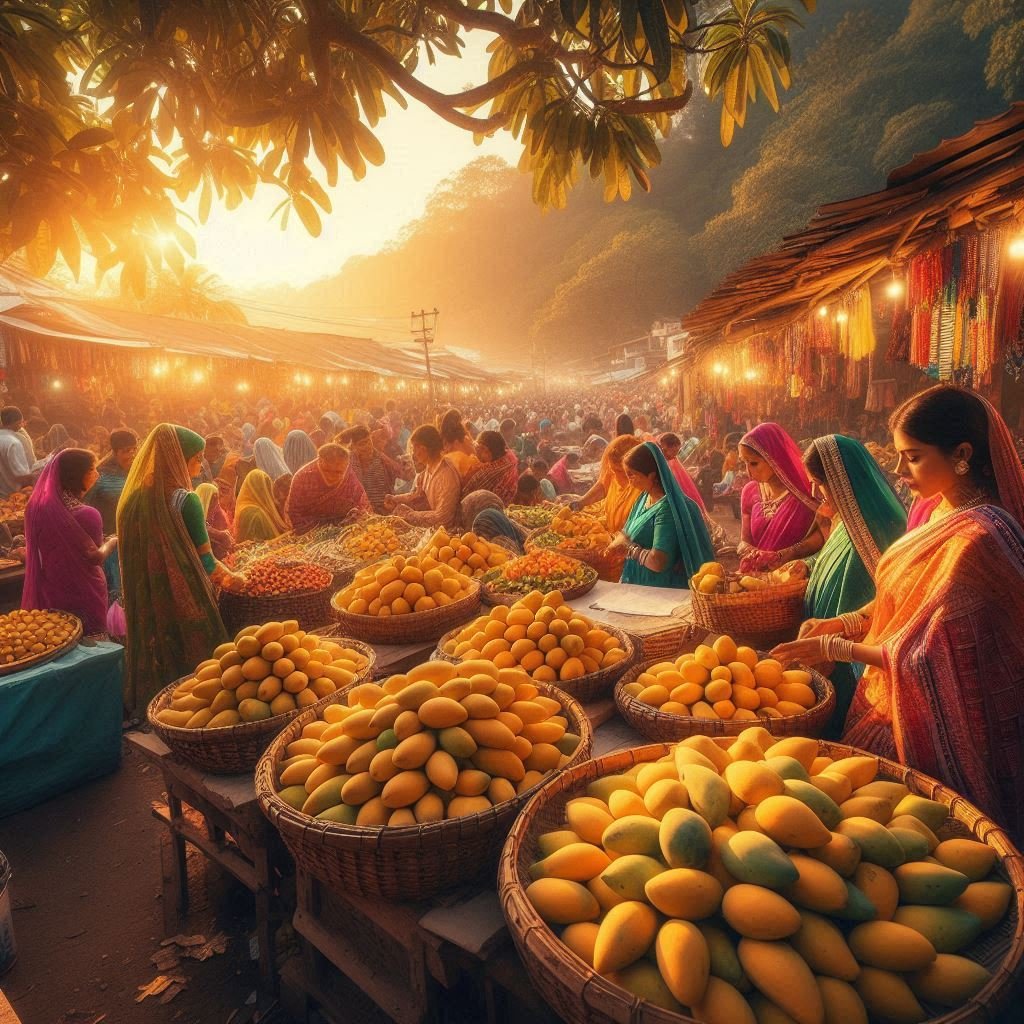
India doesn’t just grow mangoes — it defines them. Home to over 1,000 unique mango varieties and producing nearly 40% of the world’s total mango supply, India has held the throne of global mango production for decades. But what’s happening today is far more exciting than just volume: the global appetite for Indian mangoes is evolving, accelerating, and expanding into markets that barely knew what an Alphonso was just ten years ago. From London supermarkets to New York ethnic grocery chains to Gulf luxury fruit shops, the King of Fruits is commanding unprecedented global attention — and serious economic value.
India’s Mango Industry: The Numbers That Tell the Story
The scale of India’s mango industry is staggering. In FY 2023, India produced 20.77 million tonnes of fresh mangoes, and production is projected to grow at a 4.4% CAGR to reach 23.31 million tonnes by 2030. In value terms, the India mango market reached USD 2.9 billion in 2025 and is forecast to climb to USD 3.97 billion by 2030, growing at a CAGR of 6.5%.
On the export front, India shipped 22,963 metric tonnes of fresh mangoes in FY 2022–23, earning ₹378.49 crore (approximately USD 48.53 million) from fresh mango exports alone. When processed mango products — pulp, purees, juices, freeze-dried slices — are factored in, the total export footprint becomes even more significant. The global mango market as a whole is projected to grow at a CAGR of 8% from 2021 to 2031, making this a high-growth segment in international agri-trade.
Where in the World Is Indian Mango Going?
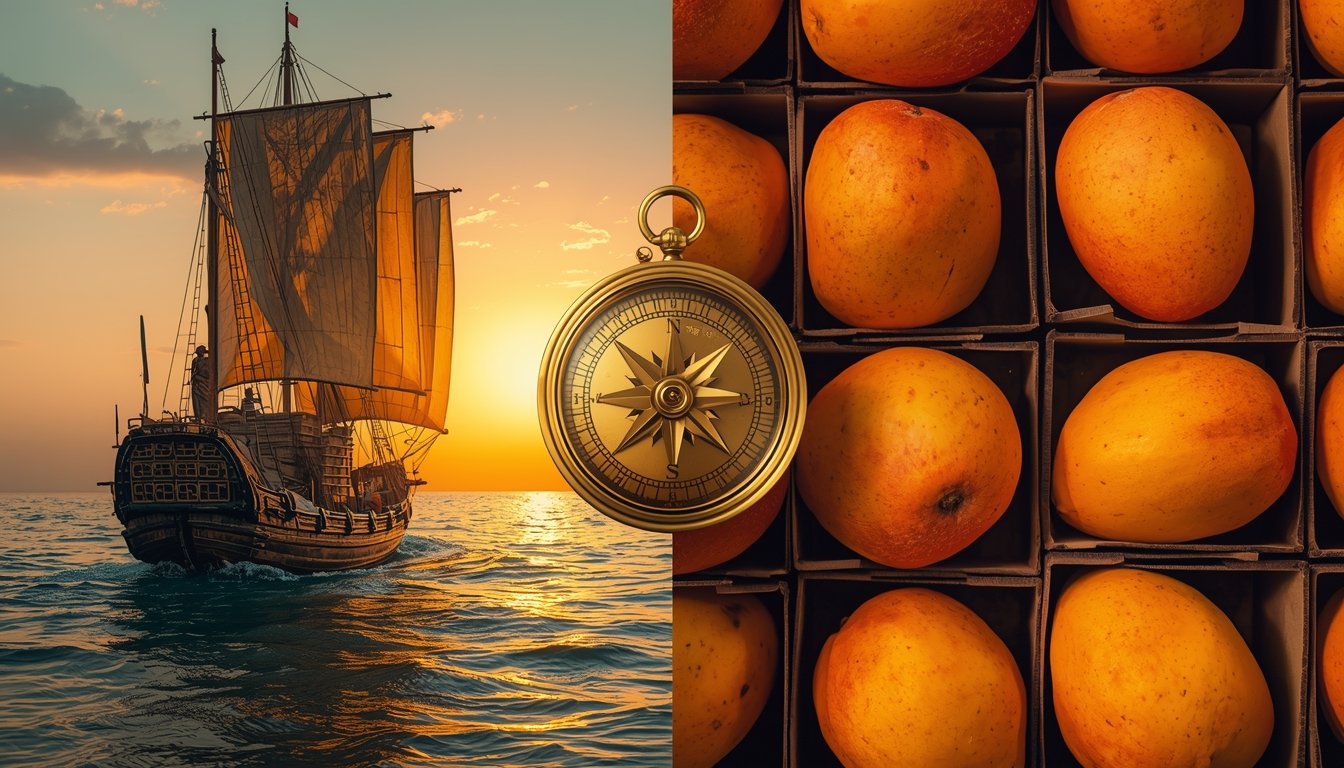
The geography of Indian mango exports has expanded dramatically. In FY 2023–24, the UAE, United Kingdom, United States, Kuwait, and Qatar emerged as the five largest export destinations for fresh Indian mangoes. But the reach now extends far beyond these traditional markets.
In 2023, India successfully expanded its export presence to 41 new countries, including Mauritius and Nigeria, signaling a meaningful diversification beyond the Indian diaspora-driven markets of the West. The Hapus (Alphonso) variety alone has seen export growth of more than 14% to Europe and the Middle East, while domestic consumption of the same variety grew 12% simultaneously — an extraordinary double pressure on supply.
At Chhatrapati Shivaji Maharaj International Airport (CSMIA) — India’s top air cargo hub for mango exports — exports during April and May 2025 alone reached 3,624 metric tonnes, registering a 9% year-on-year growth. London held the position of the top international destination for Indian mango air exports, followed by Toronto and New York. These numbers reveal a clear trend: Indian mangoes are no longer a niche diaspora product — they are entering mainstream premium fruit retail in Western markets.
The Varieties Driving Global Export Revenue
Not all mangoes are equal in the eyes of international buyers. Alphonso (Hapus) remains the undisputed export champion, with India exporting $11.94 million worth of fresh Alphonso mangoes in FY 2024–25. Hot on its heels is the Kesar variety, which generated $15.67 million in export revenue in the same period — surpassing Alphonso in raw export value, reflecting its broader acceptance across international markets due to its slightly longer shelf life.
Other varieties — Dasheri, Langra, Banganapalli (Safeda), and Totapuri — are gaining international traction as Indian food culture continues its global expansion. The United States, in particular, has seen surging demand for Alphonso, Banganapalli, and Langra varieties, driven by a growing Indian-American community that accounts for a significant portion of fresh mango import demand.
What’s Fueling the Surge in Global Demand?
Several powerful forces are converging to accelerate the demand for Indian mangoes worldwide.
The clean-label and natural sweetener trend is a major driver. International consumers and food manufacturers are actively replacing refined sugar with natural fruit-based sweeteners in beverages, frozen desserts, and ready-to-eat products. Mango puree and mango pulp are among the preferred choices, and India is the dominant supplier. Retailers are promoting mango as a premium, low-processed ingredient — a positioning that commands higher prices and builds long-term brand loyalty for Indian varieties.
The Indian diaspora effect continues to open new markets. With Indian communities established across the USA, UK, Canada, the Gulf, Australia, and Southeast Asia, there is a built-in global demand base that grows every year. Premium Alphonso mangoes from Ratnagiri and Devgad carry deep emotional and cultural significance for millions of Indian families abroad, making them willing to pay significant price premiums over locally available mango varieties.
Government initiatives are amplifying momentum. APEDA’s Mango Mania 2025 campaign, improved vapor-heat treatment and irradiation centers that meet strict US and EU phytosanitary requirements, and expanded cold chain infrastructure are all reducing rejection rates and opening new premium export channels. These structural improvements are helping Indian exporters overcome the compliance barriers that historically limited market access to the United States and European Union.
Challenges That Could Cap the Growth Curve
Despite the momentum, the Indian mango export industry faces real and growing challenges. Post-harvest losses remain severe — an estimated 25–30% of mangoes are lost before they ever reach an export facility, largely due to inadequate cold storage in rural growing regions. Climate change is compounding the problem, with unseasonal rainfall and rising temperatures threatening flowering windows and reducing yield in key producing regions like Ratnagiri and Devgad.
International phytosanitary standards are stringent and evolving. Compliance with pest control, irradiation, and packaging requirements demands consistent investment from both growers and exporters. For small and medium-scale mango farmers — who form the majority of India’s mango producer base — meeting these standards independently is often financially prohibitive without cooperative or government support.
The Road Ahead: Premium, Processed, and Global
India’s mango export future lies at the intersection of premiumization and processing. Fresh Alphonso and Kesar will continue to command top-tier prices in developed markets, but the real scale opportunity lies in value-added mango products: organic mango pulp, mango-infused beverages, freeze-dried mango slices, and mango-based condiments that have year-round shelf lives and global logistics compatibility.
The Indian government’s push to establish dedicated mango processing clusters in Maharashtra, Andhra Pradesh, and Uttar Pradesh is designed precisely to capture this opportunity. Brands that can consistently deliver GI-certified, traceable, premium Indian mango products to international shelves — with authentic origin stories — are uniquely positioned to lead the next decade of mango trade.
India’s Mango Moment Is Now
The global demand for Indian mangoes is no longer just a seasonal story about summer cravings — it is a year-round, billion-dollar economic opportunity rooted in genuine quality, cultural authenticity, and a growing international appetite for natural, premium food experiences. With production rising, export destinations multiplying, government infrastructure improving, and international consumer awareness at an all-time high, Indian mangoes are stepping confidently into their global moment.
The world is not just discovering Indian mangoes — it is falling in love with them. And for a fruit that has been celebrated in this country for over 4,000 years, that recognition is long overdue.