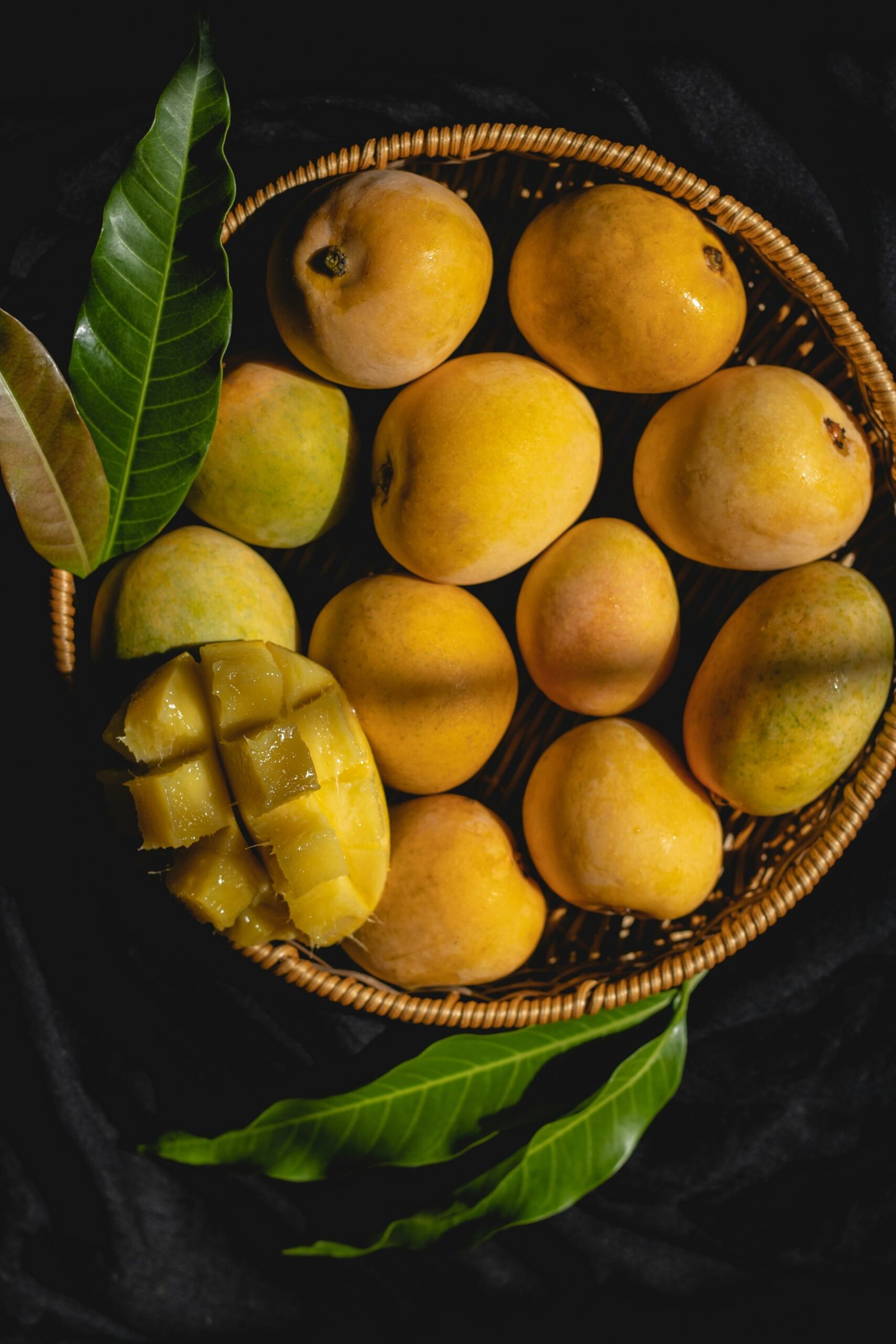
Every mango that reaches your hands has traveled through one of nature’s most intricate and fascinating journeys. From a single dormant bud on a sun-drenched branch to the golden, aromatic fruit that makes the whole season worth waiting for — the life cycle of a mango is a story of precise timing, ecological partnership, and extraordinary botanical patience. Understanding this journey doesn’t just deepen your appreciation for every bite — it reveals why great mangoes are so rare, so regional, and so irreplaceable.
Stage 1: The Resting Tree — Gathering Strength in Silence
Before a mango tree can produce a single flower, it must first rest. Following the conclusion of one harvest season, the mango tree enters a period of vegetative recovery — rebuilding its root system, replenishing its nutrient reserves, and preparing the physiological foundation for the next cycle.
Each complete mango growing cycle lasts approximately one and a half years, with the vegetative growth phase alone spanning about nine months during which one to four vegetative flushes occur. These flushes — bursts of new leaf and shoot growth — are how the tree builds the canopy infrastructure it will later use to support flowers and fruit. In the Ratnagiri and Konkan belt, this vegetative activity peaks during the post-monsoon months of July through October, when rainfall is generous and temperatures are warm.
The tree is not idle during these months — it is quietly engineering its own future harvest.
Stage 2: Flower Initiation — The Trigger That Starts Everything
The shift from vegetative growth to flowering is one of the most climate-sensitive transitions in the entire plant kingdom. Mango trees require a distinct dry, cool period — typically temperatures between 15–20°C during the day and 10–15°C at night — to trigger the hormonal signal that initiates flower bud formation. In most of India, this window opens between October and December, when the monsoon has retreated and the first cool winter air settles over the orchards.
Any disruption to this dry window — unseasonal rain, extended humidity, or above-normal temperatures — can delay or entirely suppress flowering. This is why a clean monsoon exit in October is so critical for mango farmers in Maharashtra and Gujarat. The tree is essentially waiting for the weather to give it permission to bloom — and it will not proceed without receiving that cue.
Mango trees grown from grafted rootstock begin bearing flowers as early as 4 years after planting, while seedling-grown trees may take 5 to 8 years to reach flowering maturity.
Stage 3: Budding and Panicle Development — The Blossom Unfolds
Once flower initiation is triggered, the mango tree begins one of its most visually spectacular phases. Dormant buds at the tips of branches swell and elongate into panicles — branched flower clusters that can carry hundreds to thousands of individual flowers. In most Indian varieties, flowering occurs between December and February, though northern Indian varieties like Dasheri may begin as early as December, while coastal varieties in Maharashtra typically flower in January and February.
Each panicle carries two types of flowers: hermaphrodite (bisexual) flowers, which contain both male stamens and a functional pistil capable of producing fruit, and staminate (male-only) flowers, which produce pollen but cannot set fruit. The ratio of hermaphrodite to male flowers varies significantly by variety, environmental conditions, and the tree’s age — and this ratio directly determines the potential yield of any given season. Varieties with higher ratios of hermaphrodite flowers are considered more productive.
The entire flowering period spans two to three months, and remarkably, not all branches of a single tree flower simultaneously — different panicles exist in different stages of development at the same time.
Stage 4: Pollination — The Bees, the Flies, and the Wind
Here is where the mango’s fate is decided. Pollination in mango is primarily carried out by insects — particularly small flies, midges, and honeybees — that transfer pollen from male flowers to the receptive stigmas of hermaphrodite flowers. Wind plays a minor supplementary role, but insect activity is the primary driver of successful fruit set.
This is why weather during the flowering window is so consequential. Rain washes pollen away, clouds reduce bee activity, and high humidity encourages fungal diseases on the flower clusters themselves. A single week of overcast, rainy weather during peak flowering can dramatically reduce pollination efficiency and fruit set for the entire season — a reality that mango farmers across the Konkan watch with intense anxiety every February.
In varieties like Dasheri, which are self-incompatible, cross-pollination from a different variety is required for any fruit to set at all. Most commercial orchards plant complementary varieties in proximity precisely for this reason.
Stage 5: Fruit Set — From Fallen Flowers to Baby Mangoes
After successful pollination, the fertilized flowers begin to transform. The petals fall away, and tiny green proto-fruits — no larger than a pea at first — emerge where the flowers once bloomed. This stage, called fruit set, marks the formal beginning of the mango fruit’s development.
Not every pollinated flower survives to become a mature mango. The tree itself performs a natural thinning process, shedding excess developing fruits to concentrate its resources on those with the best positional and structural advantage. Farmers often supplement this natural thinning with manual intervention to prevent overloading — a tree carrying too many fruits will produce smaller, lower-quality mangoes across the board.
Stage 6: Fruit Development — The Long, Slow Transformation
From fruit set to harvest, a mango requires three to five months of careful, steady development. During this period, the fruit grows from a marble-sized green nub to its full mature size — typically 8 to 12 centimetres in length depending on the variety.
Inside the developing fruit, sugars accumulate, acids balance, and aromatic compounds build toward the complex flavor profile that defines each variety. For Alphonso mangoes in Ratnagiri, this internal transformation is shaped by the unique laterite soil, coastal breeze, and warm maritime climate of the Konkan — conditions that no other region can replicate, and which are the scientific basis for the Alphonso’s celebrated GI (Geographical Indication) protection.
The fruit changes color during this period — from deep green through light green to the characteristic saffron-yellow blush that signals ripeness in Alphonso. The shoulder of the fruit outgrowing the stem — a key visual maturity indicator — tells experienced farmers when the fruit has reached the optimum harvest window.
Stage 7: Harvest — The Culmination of a Year’s Work
In Ratnagiri, Alphonso mangoes are harvested primarily between April and May, timed to coincide with the fruit reaching green maturity before the onset of the next monsoon. Harvesting at the correct maturity stage is critical — too early and the mango will not ripen properly; too late and it becomes vulnerable to bacterial and fungal infection during transit.
Mature fruits are harvested with the stalk intact to prevent sap burn on the skin, then allowed to ripen naturally at room temperature over five to seven days. The full cycle — from the first cool breeze that triggers flower initiation to the moment a ripe Alphonso is placed in a box for export — spans an extraordinary six to eight months of active growth, built on a full year of vegetative preparation.
A Cycle Worth Celebrating
The life cycle of a mango is far more than a botanical process — it is a calendar of care, climate dependency, and cumulative craftsmanship. Every Alphonso, every Kesar, every Dasheri that reaches your hand has navigated frost risks, pollinator dependence, post-harvest losses, and months of unpredictable weather to arrive at its peak. Understanding this journey transforms how you experience the fruit — and deepens your respect for every farmer, every orchard, and every season that made it possible.