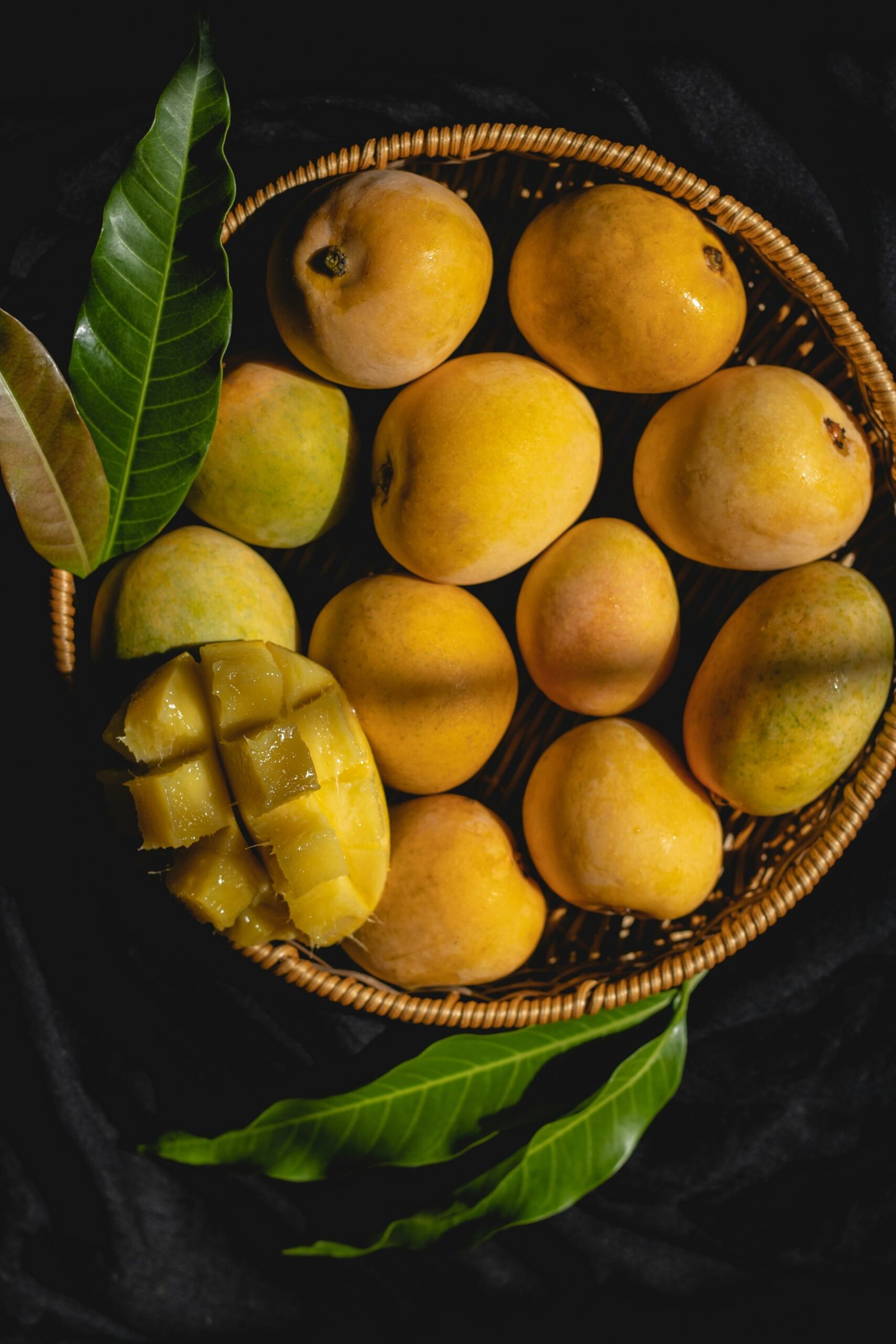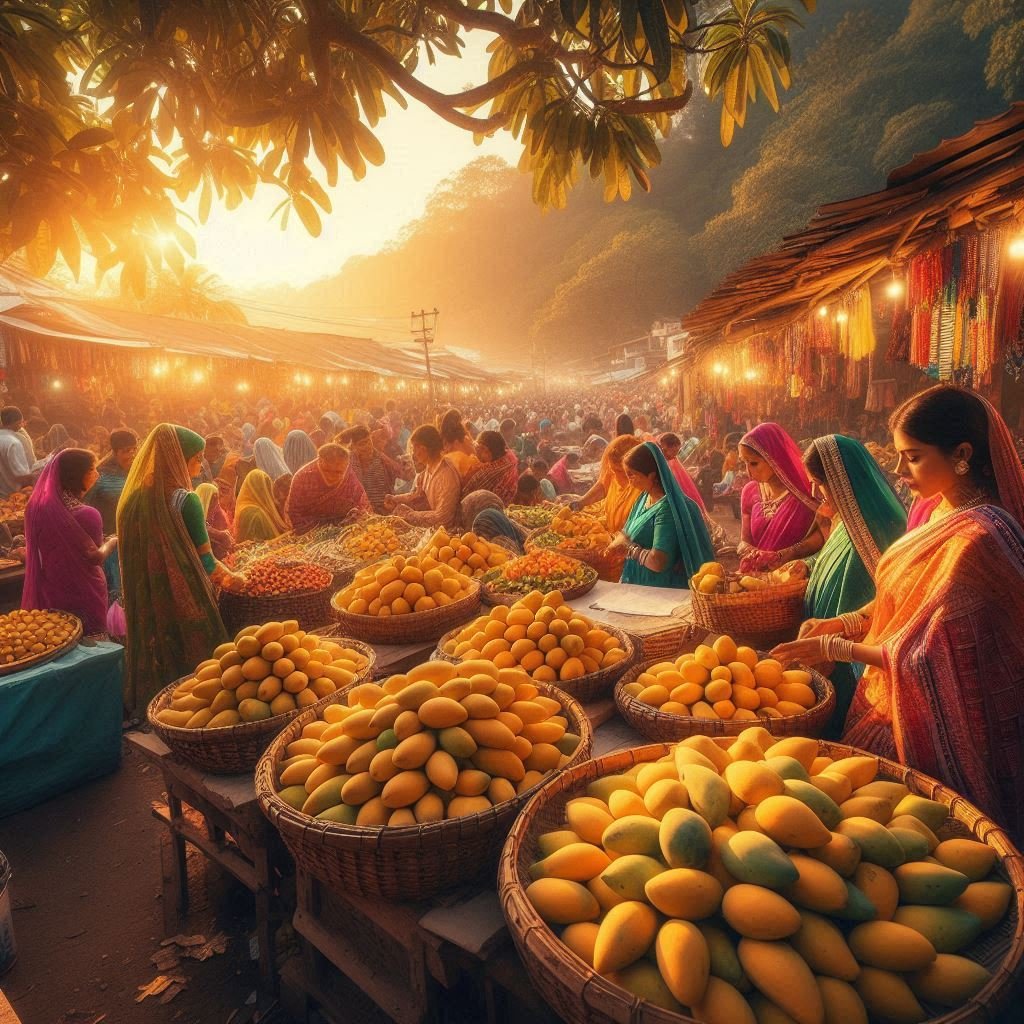
Mango season in India is not just a time of year — it is a feeling. From the first Alphonso boxes arriving in Ratnagiri markets in late March to the last Langras of June, the season is brief, brilliant, and entirely unforgiving to those who don’t know how to make the most of it. Whether you’re a casual mango enthusiast or the kind of person who marks the calendar for mango season every year, this guide gives you the strategies, storage hacks, recipe ideas, and buying wisdom you need to live your best mango life — from the very first crate to the very last bite.
Know Your Season: When to Buy Which Variety
The first step to making the most of mango season is understanding that “mango season” is not a single moment — it’s a rolling calendar of variety-specific windows. In India, the season typically unfolds as follows:
- March–April: Alphonso (Hapus) from Ratnagiri and Devgad — the earliest and most prized; buy now before supplies peak and prices soften
- April–May: Kesar from Junagadh, Gujarat — slightly firmer, longer shelf life, outstanding for smoothies and desserts
- May–June: Dasheri and Langra from Uttar Pradesh — wonderfully fibrous with a distinct floral sweetness
- June–July: Himsagar from West Bengal and Banganapalli from Andhra Pradesh — both deeply aromatic and ideal for fresh eating
Buying each variety at the height of its own season — rather than hoarding early or waiting too long — guarantees the best flavor, best price, and best nutritional value. Late-season Alphonso bought in June, for instance, rarely matches the perfection of one bought in April.
How to Buy the Right Mango Every Time
The Indian market — from roadside vendors to premium online fruit sellers — can be a minefield of chemically ripened, artificially colored, or genuinely substandard fruit. Here’s how to buy with confidence:
Smell first, always. A truly ripe, naturally matured mango has an unmistakable fragrance near the stem — floral, sweet, and deep. If you can’t smell it, don’t buy it. An odorless mango was almost certainly harvested too early or ripened artificially.
Check the shoulder, not the color. Many buyers judge ripeness by skin color, but color is unreliable and easily manipulated. Instead, look at the fruit’s shoulder — the area above the widest point. If the shoulder curves outward past the stem, the fruit has reached full maturity. Color varies by variety — a ripe Alphonso is golden-yellow, but a ripe Banganapalli remains largely green-yellow even at peak ripeness.
Feel for gentle give, not softness. A ripe mango should yield very slightly to thumb pressure — like a ripe avocado. Completely firm means unripe; mushy or sunken means overripe and likely damaged inside.
Buy directly from growers or certified sellers. Platforms that source directly from Ratnagiri or Devgad certified orchards offer GI-tagged Alphonso with full traceability — worth the premium price for guaranteed authenticity.
The Art of Ripening Mangoes at Home
Many of the best deals on mangoes involve buying firm, slightly unripe fruit in bulk and ripening them at home over several days — a cost-effective strategy that also gives you control over timing.
Room temperature is your default. Store unripe mangoes at room temperature, away from direct sunlight, in a cool, dry spot. Never refrigerate unripe mangoes — cold storage halts the enzymatic ripening process and permanently damages the fruit’s texture and flavor profile.
The paper bag trick works. If you want to accelerate ripening, place mangoes in a brown paper bag with an apple or banana. The ethylene gas naturally released by the apple or banana speeds up the mango’s own ripening enzymes, cutting ripening time by one to two days.
Once ripe, refrigerate promptly. Ripe mangoes left at room temperature begin to overripen quickly — especially in India’s summer heat. Transfer ripe mangoes to the refrigerator where they will stay at their best for 5–7 days. Bring them back to room temperature for 15–20 minutes before eating to restore full aroma and flavor.
How to Preserve Mangoes Beyond the Season
The most strategic thing a mango lover can do is extend the season through smart preservation. Here are the best methods to enjoy mango flavor well into the monsoon and beyond:
Freeze mango cubes or puree. Peel and dice ripe mangoes, spread in a single layer on a parchment-lined tray, freeze for 2–4 hours until solid, then transfer to airtight freezer bags. Frozen mango cubes last up to six months and are perfect for smoothies, milkshakes, and frozen desserts without any loss in sweetness.
Make and freeze mango puree. Blend ripe pulp until smooth and pour into ice cube trays. Once frozen, transfer the cubes to labelled freezer bags. Each cube is roughly one tablespoon of mango goodness — ideal for adding to yogurt, beverages, or sauces on demand.
Sun-dry or dehydrate mango slices. Thinly sliced mangoes dried in a food dehydrator — or in an oven at the lowest heat setting — become chewy, intensely flavored aam papad-style strips that store in airtight containers for several months. These make exceptional travel snacks, lunchbox additions, or trail mix ingredients.
Make traditional mango pickle (achar). Raw, firm mangoes mixed with salt, mustard seeds, red chili powder, turmeric, and oil make a classic Indian mango pickle that matures beautifully over weeks and retains quality for 6–12 months when stored properly. This is the oldest and most time-honored form of mango preservation in Indian households.
Beyond Eating: Unexpected Ways to Use Mangoes This Season
Mango season is the perfect time to go beyond simple slicing and explore the full range of what this fruit can do in your kitchen.
- Mango chutney — a chunky, spiced condiment that pairs with everything from dal-rice to grilled paneer to cheese toasts
- Aamras — traditional Konkan-style pureed ripe mango with a touch of cardamom and saffron, served with puri or chapati
- Raw mango dal — add diced raw green mango to toor dal while cooking for a naturally tangy, tamarind-free dal with a summery character
- Mango salsa — diced ripe mango, red onion, green chili, lime juice, and fresh coriander; a vibrant accompaniment for everything from tacos to grilled fish
- Mango chia pudding — layers of overnight chia pudding and fresh mango puree make a nutritious, Instagram-worthy breakfast or dessert in minutes
The Mindset That Makes Mango Season Memorable
Mango season rewards those who are intentional, informed, and a little bit greedy in the best possible way. Buy early and often. Learn each variety’s window. Ripen carefully, preserve strategically, and cook creatively. Don’t wait for the perfect mango to arrive — go find it, at the height of its season, straight from the best source you can access.
Because mango season, like all the best things in life, doesn’t wait. And neither should you.