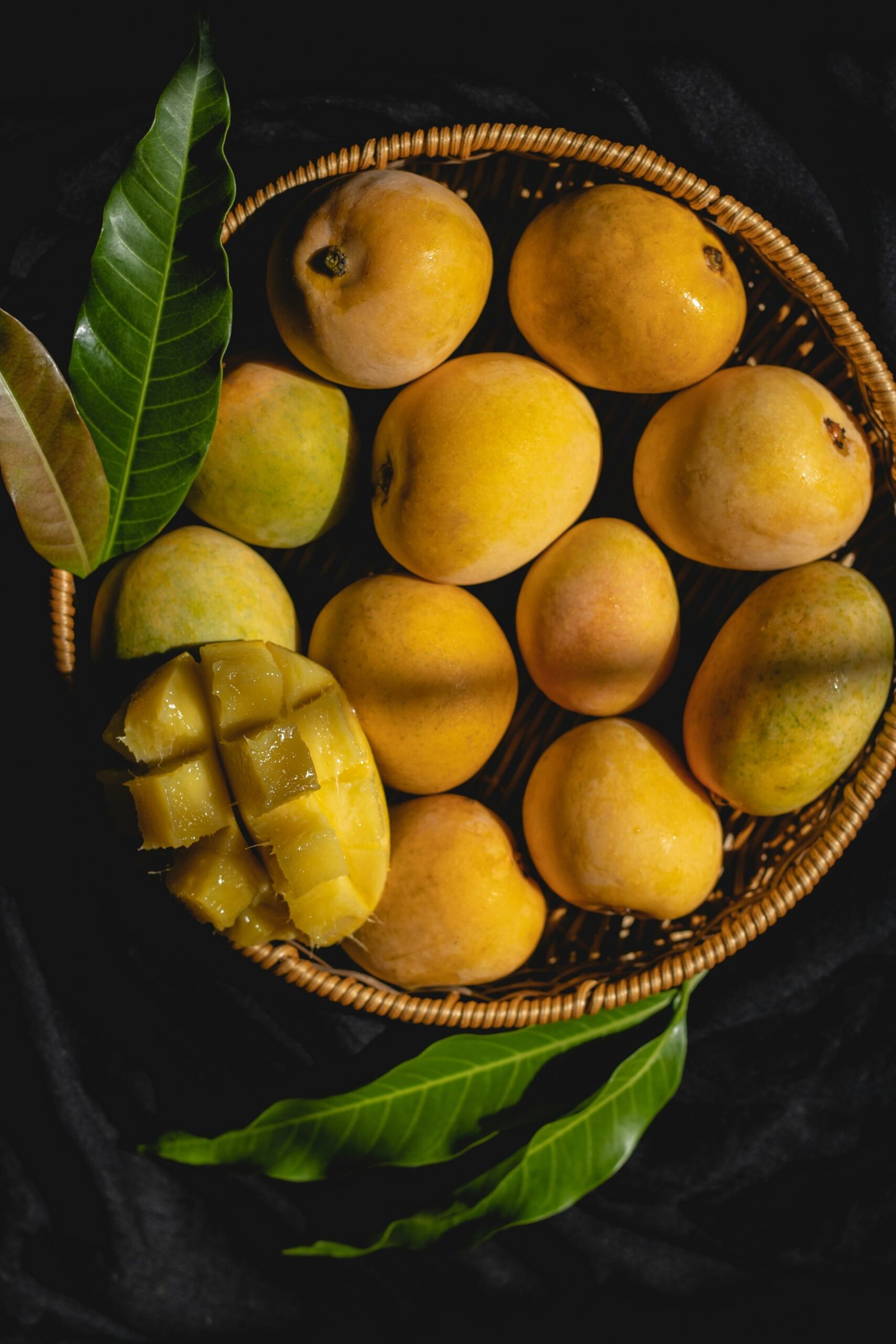
There is a precise moment when a mango transforms — when the hard, starchy, acidic flesh of an unripe fruit softens into that familiar golden sweetness, releasing the fragrant volatile compounds that make your senses stop and pay attention. That transformation isn’t magic. It is biochemistry — a sophisticated, gene-regulated biological event orchestrated by one of the most powerful natural hormones in the plant kingdom. Understanding the science behind mango ripening doesn’t just satisfy scientific curiosity — it directly shapes how you buy, store, ripen, and most importantly, trust the mango on your plate.
What Kind of Fruit Is a Mango? Understanding Climacteric Ripening
Before diving into the chemistry, it’s critical to understand one foundational fact: the mango is a climacteric fruit. This classification means that unlike strawberries or grapes — which must ripen entirely on the vine — a mango can be harvested at maturity while still firm and unripe, and will continue to ripen off the tree by producing its own internal ripening hormones.
The defining feature of climacteric fruits is a dramatic surge in respiration rate and ethylene production that marks the onset of ripening. This respiratory climacteric — a sudden spike in the fruit’s metabolic activity — triggers the cascade of biochemical reactions that turn a green, firm, starch-filled mango into a soft, sweet, aromatic one. It is the biological equivalent of a starting pistol, and ethylene is the athlete that fires it.
Ethylene: The Master Hormone of Mango Ripening
Ethylene (C₂H₄) is a simple gaseous plant hormone that acts as the master regulator of the mango ripening process. When a mango reaches physiological maturity — the stage at which its seed is fully developed and the fruit has accumulated maximum starch reserves — the fruit begins producing ethylene internally. This self-generated ethylene then binds to receptors in the fruit’s cells, triggering a coordinated cascade of gene expression changes that activate ripening-related enzymes.
The effects of this hormonal cascade are profound and simultaneous:
- Starch converts to sugars — amylase enzymes break down stored starch into glucose, fructose, and sucrose, dramatically increasing the fruit’s sweetness and Total Soluble Solids (TSS) content
- Acids decline — malic, citric, and oxalic acid concentrations fall as the fruit’s pH rises, reducing sourness and creating the balanced sweetness characteristic of a ripe Alphonso
- Cell walls soften — enzymes like polygalacturonase and pectinmethylesterase break down pectin and cell wall structures, transforming firm flesh into the buttery softness that defines premium mango varieties
- Aromatic volatiles are released — hundreds of volatile organic compounds — including terpenes, esters, and aldehydes — are synthesized and released, producing the characteristic mango fragrance that signals full ripeness
- Chlorophyll degrades — the green skin color fades as chlorophyll breaks down and carotenoid pigments (responsible for yellow and orange hues) accumulate, producing the visual ripeness cue we recognize immediately
This entire sequence — from firm green to golden ripe — takes 5 to 7 days at room temperature for naturally ripened mangoes.
Natural vs. Artificial Ripening: A Critical Difference
Understanding the science makes one thing unmistakably clear: natural ripening and artificial ripening produce fundamentally different fruits — in nutrition, in flavor, in safety, and in shelf life.
Natural Ethylene Ripening — What It Delivers
When a mango ripens naturally, its full biochemical program runs to completion. Fiber content develops fully, vitamins C and A reach their peak concentrations, antioxidants accumulate, and the complete aromatic profile builds gradually. Naturally ripened mangoes have been documented with moisture content of 80.21%, fiber of 3.57%, and protein of 3.05% — all at nutritionally optimum levels. Their shelf life is 6 days or more under ambient conditions, and their flavor complexity is vastly superior to artificially ripened alternatives.
Calcium Carbide — The Dangerous Shortcut
Industrial-grade calcium carbide — sold colloquially in India as “masala” — has been used by unscrupulous traders to artificially ripen mangoes in as little as 2 days. When calcium carbide contacts the moisture on the fruit’s surface, it generates acetylene gas, which mimics ethylene and triggers a superficial ripening response. However, this shortcut comes at a steep cost.
Research shows that calcium carbide-ripened mangoes have reduced fiber, protein, moisture, and carbohydrate content compared to naturally ripened fruit, while ash content — an indicator of inorganic mineral residue — increases significantly. More critically, industrial-grade calcium carbide contains traces of arsenic and phosphorus hydride, both of which are toxic compounds that pose real health risks to consumers. The use of calcium carbide for fruit ripening is banned in India under FSSAI regulations, yet enforcement remains inconsistent in unregulated markets.
Shelf life is another casualty — calcium carbide-ripened mangoes last only 3 days versus the 6-day shelf life of naturally ripened fruit, meaning consumers get less nutritious, less flavorful fruit that spoils faster.
Controlled Ethylene Application — The Responsible Middle Ground
The responsible commercial alternative to calcium carbide is externally applied food-grade ethylene gas, used in temperature-controlled ripening chambers by certified exporters and supermarket supply chains. Ethylene applied at 100–150 ppm in dedicated ripening rooms replicates the fruit’s own hormonal process at a controlled pace — producing uniform color development, proper softening, and acceptable flavor without the health risks of calcium carbide. Ethylene-ripened mangoes achieve a shelf life of approximately 5 days and retain significantly better nutritional profiles than calcium carbide alternatives.
How to Identify Naturally Ripened Mangoes: The Tests That Work
Armed with the science, you can now apply practical detection methods to protect yourself at the point of purchase.
The water float test. Drop a mango gently into a bucket of water. Naturally ripened mangoes — which have developed full internal density through genuine starch-to-sugar conversion — sink to the bottom. Artificially ripened mangoes, which have not undergone complete internal transformation, float on the surface. This simple test is one of the most reliable field-level checks available.
The smell test. A naturally ripened mango produces a deep, complex fragrance at the stem end — the result of hundreds of aromatic volatile compounds synthesized during proper ripening. Artificially ripened mangoes smell flat, chemical, or have almost no aroma — a direct consequence of the incomplete volatile synthesis that occurs when the biochemical program is short-circuited.
The texture test. Naturally ripened mangoes soften uniformly from inside out — press gently near the seed area using thumb pressure. Artificially ripened mangoes often feel soft on the skin surface while the flesh near the seed remains hard and unripe — a classic sign of outside-in ripening without full internal conversion.
The color uniformity test. Natural ripening produces gradual, uneven color changes that vary by position on the fruit. Artificially ripened mangoes, especially those treated with calcium carbide, often show unnaturally uniform, bright yellow skin with occasional patchy discoloration — cosmetically appealing but scientifically suspicious.
Why the Science Should Shape How You Shop
The biochemistry of mango ripening is not abstract laboratory knowledge — it is immediately applicable, consumer-empowering information. Every time you choose a naturally ripened Alphonso over a chemically accelerated substitute, you are choosing a fruit that has completed its full biological program — one with superior nutrition, authentic flavor, genuine aroma, and a longer window of edibility.
The science behind mango ripening ultimately tells a simple story: nature, when given enough time and the right conditions, produces something no chemical shortcut can replicate. That golden, fragrant, melt-in-the-mouth Ratnagiri Alphonso isn’t just a treat — it is the result of a flawlessly executed biological masterpiece, seven months in the making and five to seven days in the ripening. Respect the process. Buy accordingly.