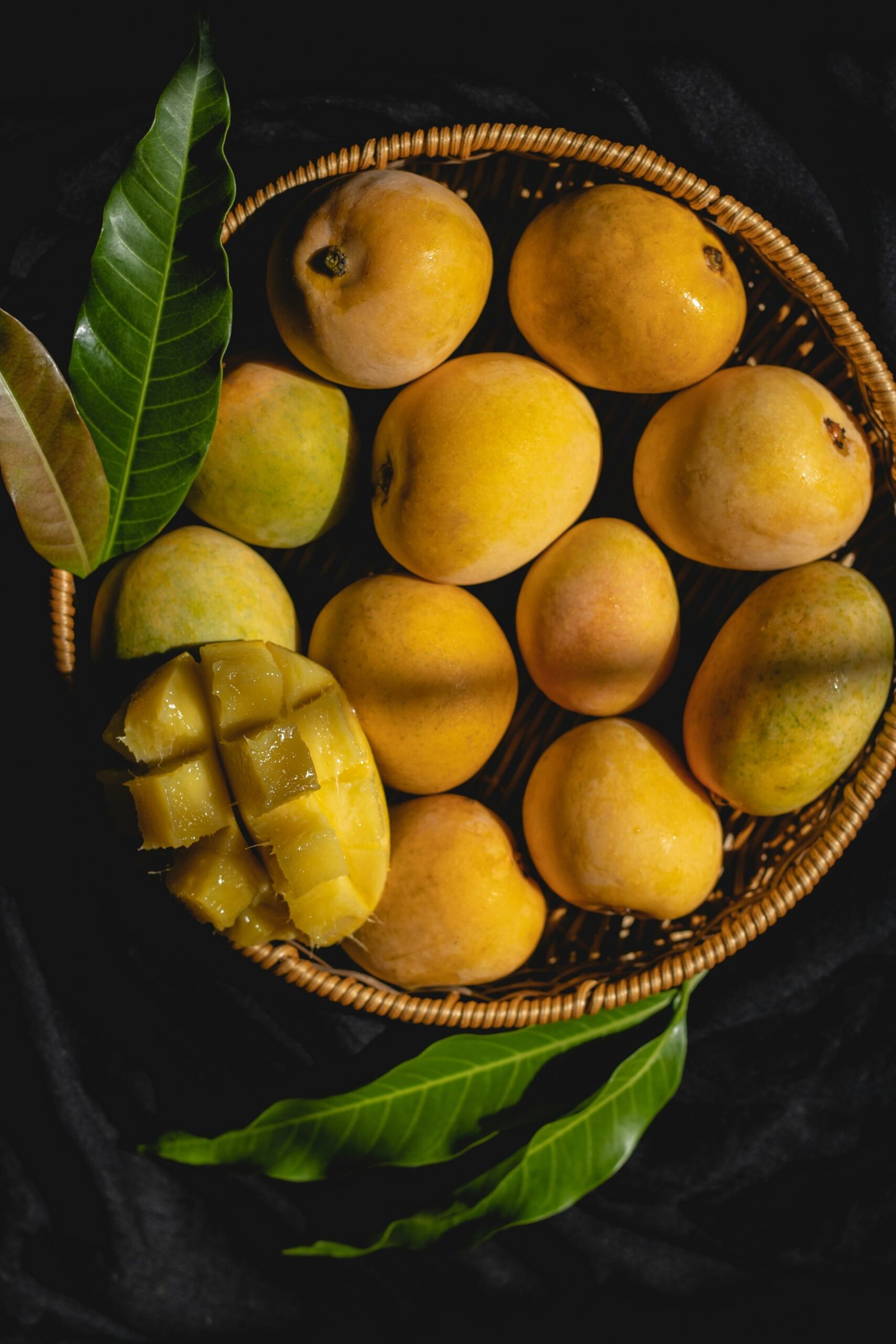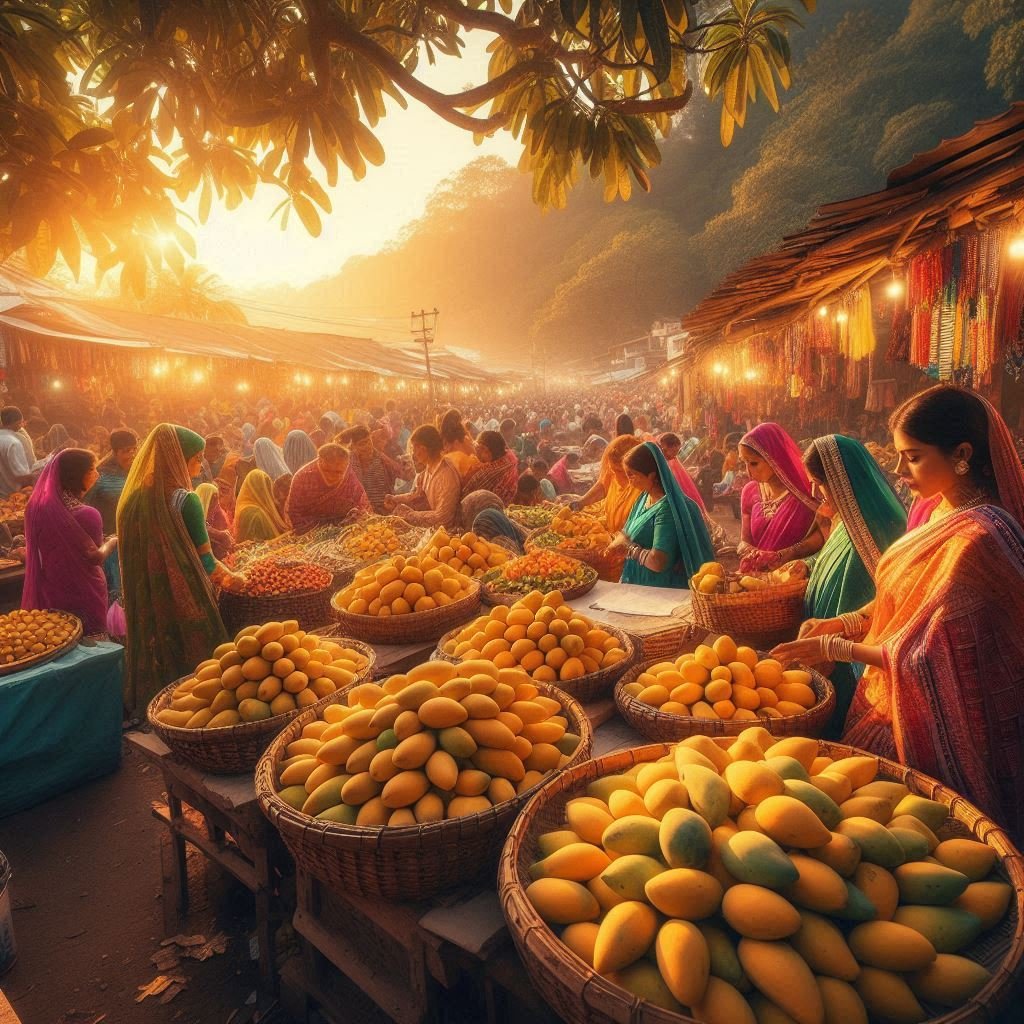
When we talk about mango orchards, the conversation almost always gravitates toward flavor, variety, economics, and harvest. What rarely gets discussed — and deserves far more attention — is the remarkable environmental work that mango trees quietly perform across millions of hectares of Indian and global farmland. Mango orchards are not just agricultural systems — they are living ecosystems that sequester carbon, stabilize soil, conserve water, regulate local climates, and sustain biodiversity across generations. The King of Fruits, it turns out, wears a second crown — as a guardian of the environment.
Carbon Sequestration: The Mango Tree as a Climate Asset
Perhaps the most scientifically significant environmental contribution of mango orchards is their measurable role in carbon sequestration — the process by which trees absorb atmospheric carbon dioxide and lock it into biomass, roots, and soil organic matter.
A landmark peer-reviewed study published in 2025 found that the annual carbon sequestration potential of an individual mango tree ranges from 30.78 to 78.30 kg of CO₂ per tree per year, with an average of 50.55 kg CO₂ per tree annually. Over its lifetime, a single mango tree can sequester between 660.98 and 3,838.96 kg of carbon dioxide — a carbon detention figure that rivals many forestry species traditionally associated with climate mitigation.
At the orchard scale, the numbers become even more compelling. Research using AI and satellite data found that mango orchards store an average of 40.6 tonnes of carbon per hectare, with high-density, mature orchards storing up to an extraordinary 218.6 tonnes per hectare depending on tree age, density, and management practices. Critically, carbon sequestration in mango orchards increases with tree age — older, well-managed orchards sequester progressively more carbon each decade, making long-rotation mango cultivation a genuinely strategic climate tool.
A 25-year study conducted by ICAR at Dehradun reinforced these findings, documenting that the Mallika mango cultivar accumulated a carbon stock of 40.02 Mg C ha⁻¹ with a sequestration rate of 1.60 Mg C ha⁻¹ per year on degraded land — demonstrating that mango cultivation can actively rehabilitate carbon-depleted soils while simultaneously producing food and income.
Soil Conservation: Deep Roots Holding the Land Together
The environmental services of a mango orchard begin underground. Mango trees develop extensive, deep root systems that perform a critical function in preventing soil erosion — one of the most severe forms of land degradation affecting Indian agricultural landscapes.
These root networks anchor the topsoil layer, dramatically reducing the risk of surface runoff during heavy monsoon rainfall, preventing landslides on sloped terrain, and preserving the fertile upper soil layers that contain the nutrients and microorganisms that sustain long-term agricultural productivity. In the laterite soils of Maharashtra’s Konkan coast — the home of Ratnagiri’s famous Alphonso orchards — the mango tree’s root architecture has helped stabilize slopes and hillsides for centuries, making what would otherwise be agriculturally precarious land both productive and environmentally stable.
A 20-year study published in Frontiers in Forests and Global Change found that mango-based land use systems contributed the maximum ecosystem services among all horticulture land uses studied, including superior performance across soil dehydrogenase activity, available nitrogen, phosphorus, potassium, and soil organic carbon — all indicators of a thriving, biologically active soil ecosystem. The study’s principal component analysis confirmed that conservation practices in mango orchards had a more positive influence on soil quality than any other land use category assessed.
Water Conservation: Every Mango Tree Is a Natural Watershed Manager
In an era of increasing water scarcity, the water conservation capacity of mango orchards deserves serious recognition. Mango trees function as natural watershed regulators — their dense canopies intercept rainfall, reducing its impact velocity on soil and allowing water to infiltrate gradually rather than running off the surface.
The same ICAR Dehradun study documented that well-managed mango orchards conserved 10.90 cm of moisture in the soil profile up to 1.20 metres in depth — a significant water storage contribution in a climate where dry season water availability is critical for surrounding ecosystems and smallholder farmers alike. The litter produced by mango trees — falling leaves, bark, and organic material — acts as a natural mulching layer that further reduces soil moisture evaporation, keeping root zones hydrated during the dry season without additional irrigation.
When orchard management practices like contour plowing, terracing, and organic mulching are combined with the mango tree’s natural water management capacity, the result is a farming system that actively builds hydrological resilience — protecting both the orchard and the surrounding landscape from the extremes of monsoon flooding and dry-season drought.
Biodiversity Support: An Orchard Is an Ecosystem
A well-managed mango orchard is far richer in biodiversity than monoculture annual crop systems. The structural complexity of a mature mango orchard — with its dense canopy, deep litter layer, diverse root architecture, and multi-layered microhabitats — supports a remarkable range of organisms.
Flowering mango panicles are critical seasonal food sources for bees, butterflies, birds, and small mammals, many of which serve as pollinators and seed dispersers for the surrounding landscape. The orchard floor, enriched by leaf litter decomposition and fungal networks, hosts communities of beneficial soil microorganisms — mycorrhizal fungi, nitrogen-fixing bacteria, and decomposer invertebrates — that collectively maintain the biological fertility of the soil.
Research confirms that incorporating mango orchards into agroforestry systems — integrating shade-tolerant crops, leguminous ground covers, and native plant species beneath the mango canopy — significantly boosts both above-ground and below-ground biodiversity while simultaneously enhancing soil organic carbon levels and ecosystem stability. These integrated systems reduce chemical input dependency, create habitat corridors for wildlife, and produce multiple income streams for farmers — a rare triple win for ecology, agriculture, and economics.
Microclimate Regulation: Keeping the Landscape Cool
Dense mango orchards have a measurable microclimate cooling effect on the landscapes they inhabit. The large leaf surface area of mature mango canopies generates significant evapotranspiration — the combined process of water evaporation from the soil and transpiration from the leaves — which actively cools the surrounding air temperature.
In urban and peri-urban settings, mango trees planted along roadsides and in community orchards provide substantial shade, reduce the urban heat island effect, and lower ambient temperatures by several degrees compared to open, treeless land. In rural agricultural landscapes, this cooling effect moderates the thermal stress experienced by intercropped plants and surrounding biodiversity, creating a more stable and productive microenvironment that benefits the entire local ecosystem.
The Carbon-Negative Footprint of Mango Cultivation
Perhaps the most striking environmental argument for mango orchards is the fruit’s carbon-negative lifecycle footprint. Research from Mexico — which is directly applicable to tropical mango production globally — found that mango trees sequester between 2.5 and 7 times the carbon emitted during the entire process of growing, harvesting, packing, and shipping the fruit to retail markets. This means mango cultivation is not merely carbon-neutral — it is actively carbon-negative, removing more greenhouse gas from the atmosphere over its production lifecycle than it generates.
This positions the mango orchard as one of the very few commercially cultivated food crops that simultaneously feeds people, generates rural livelihoods, and makes a net positive contribution to the planet’s carbon balance — a combination that no synthetic food system can replicate.
Growing More Mangoes Is Growing a Better Future
The environmental case for mango orchards is overwhelming — and increasingly backed by peer-reviewed science, satellite data, and long-term field studies. Every mango orchard planted is a carbon sink established, a hillside stabilized, a watershed protected, and a biodiversity corridor expanded. India’s Mango Tree Plantation Drive 2025, which specifically targets riverbanks and degraded land, recognizes this ecological value and represents a meaningful step toward leveraging the mango tree as a frontline tool in India’s climate adaptation strategy.
The King of Fruits does not merely feed us. It sustains the very land, water, and air that make it possible to grow anything at all. Understanding this dual legacy — culinary and ecological — is the first step toward protecting it for generations to come.