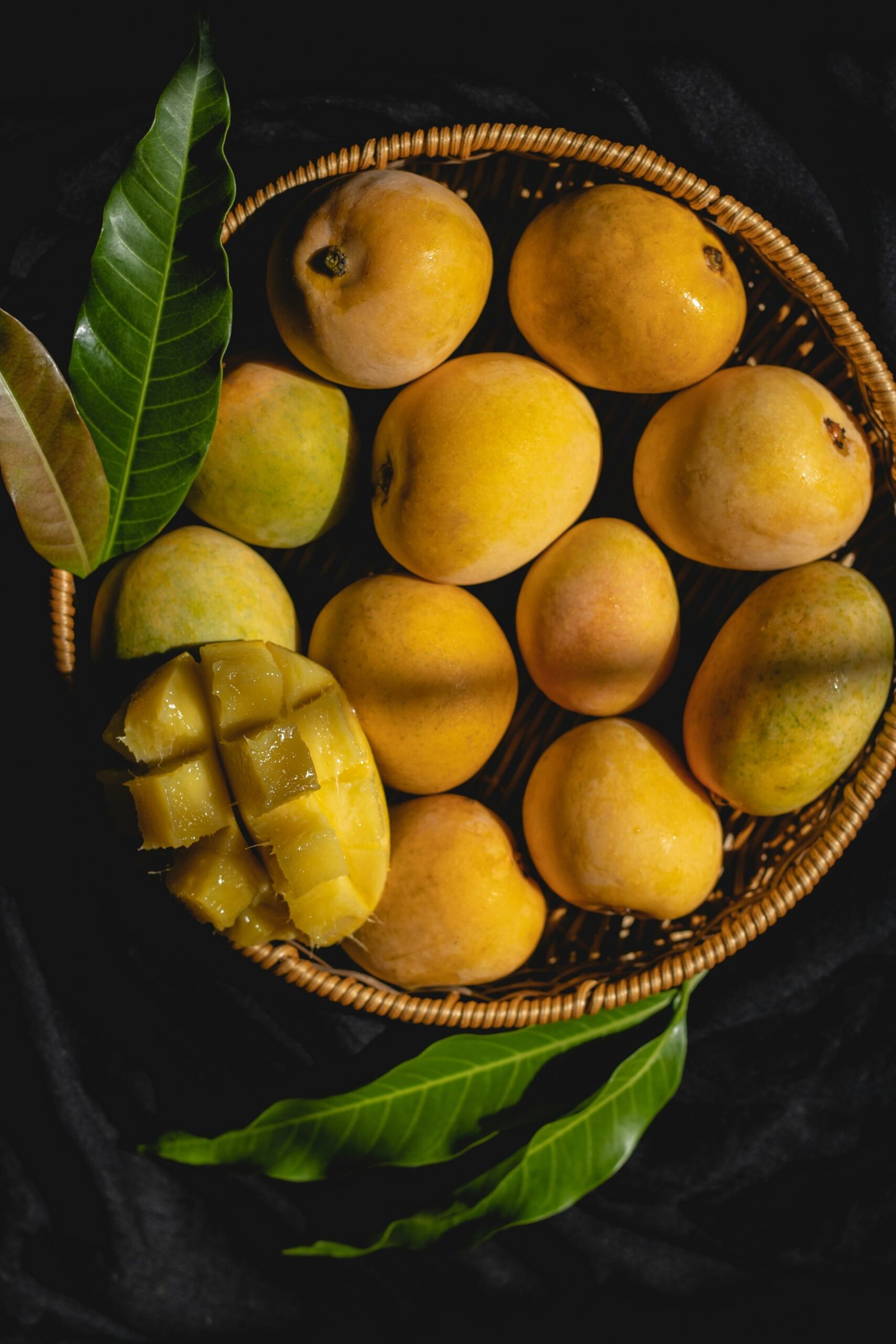
If you’ve ever bitten into a Ratnagiri Alphonso mango — also known as Hapus — you understand why chefs, home cooks, and food lovers across the world treat it differently from any other fruit. The deep saffron-gold pulp, the intoxicating fragrance, the buttery texture, the perfect balance of sweetness and acidity — these are not random characteristics. They are the result of a specific laterite soil, a precise coastal microclimate, and generations of farming knowledge that exist only in one place on earth: Ratnagiri, Maharashtra. This fruit deserves more than just being eaten over the sink. Here are the top 10 recipes that do full justice to its extraordinary character.
1. Classic Aamras with Puri — The Maharashtrian Ritual
Nothing defines Ratnagiri’s culinary identity more completely than Aamras — the silky, chilled puree of Alphonso mangoes that every Maharashtrian household waits for from March to May.
Peel 3–4 ripe Alphonso mangoes, extract the pulp, and blend until perfectly smooth. Add a pinch of cardamom powder, a whisper of saffron soaked in warm milk, and two tablespoons of chilled milk to achieve a flowing, spoonable consistency. Sweeten only if necessary — a true Ratnagiri Alphonso rarely needs sugar. Serve ice-cold in a bowl alongside crispy deep-fried puris. The ritual of alternating a hot, puffed puri with a cool spoonful of golden aamras is one of Maharashtra’s most beloved seasonal pleasures.
2. Aamrakhand (Mango Shrikhand) — Creamy, Festive, Unmissable
Aamrakhand is Maharashtra and Gujarat’s most celebrated mango dessert — and when made with Ratnagiri Alphonso, it achieves a depth of flavor that store-bought versions cannot approach.
Hang 500g of full-fat yogurt in a muslin cloth overnight until thick and creamy. Transfer to a bowl and whisk until smooth. Fold in the pulp of 3 ripe Alphonso mangoes, 4 tablespoons of powdered sugar, half a teaspoon of cardamom, and a generous pinch of saffron dissolved in warm milk. Chill for at least two hours before serving. The interplay between the yogurt’s natural tang and the Alphonso’s concentrated sweetness creates a dessert that is simultaneously light and deeply indulgent — a centerpiece for any festive meal.
3. Mango Mastani — Pune’s Legendary Street Dessert
The Mango Mastani is Pune’s most famous contribution to India’s dessert culture — a towering, impossibly indulgent thick milkshake made with Alphonso mango that blurs the line between a drink and a meal.
Blend the pulp of 2 ripe Ratnagiri Alphonso mangoes with 1.5 cups of chilled milk and 2 tablespoons of sugar until smooth and thick. Pour into a tall glass, leaving room at the top. Place two generous scoops of premium vanilla ice cream directly on top of the milkshake, then garnish lavishly with fresh mango chunks, almond flakes, pistachio slivers, and a single candied red cherry. Serve immediately with a long spoon and a wide straw — this dessert is meant to be experienced, not just consumed.
4. Hapus Mango Lassi with Saffron — A Royal Glass
The Mango Lassi made with Ratnagiri Alphonso is an entirely different experience from versions made with generic mango pulp — richer, more aromatic, and naturally sweet enough to need barely any added sugar.
Blend the pulp of 2 ripe Alphonso mangoes with 1 cup of thick plain yogurt, half a cup of chilled milk, one tablespoon of honey, and a quarter teaspoon of cardamom powder until completely smooth. Pour into tall glasses and finish with a few strands of saffron soaked in warm milk drizzled across the surface. Serve chilled. The Alphonso’s natural density and aroma make this lassi feel almost like a dessert in itself — one that earns its place alongside any restaurant’s finest offerings.
5. Ambe Upakari — The Konkan’s Sweet-Sour Mango Curry
Ambe Upakari is a uniquely Konkan preparation that transforms ripe mangoes into a remarkable sweet-sour-spicy curry that most people outside the region have never encountered — and never forget once they taste it.
Peel 5–6 ripe mangoes and cook whole in a vessel with water, slit green chillies, salt, jaggery, and curry leaves until the fruit softens. Separately, blend grated coconut with water to extract thick coconut milk. Add the coconut milk to the cooked mangoes and bring to a gentle simmer. Finish with a tempering of mustard seeds, dried red chillies, and curry leaves in coconut oil. Serve hot with steamed rice. The combination of the Alphonso’s natural sweetness, the coconut milk’s creaminess, and the sharp tempering creates a curry of extraordinary complexity — proof that the mango is as powerful a savory ingredient as it is a dessert base.
6. Alphonso Mango Chutney — A Versatile Condiment Year-Round
Ratnagiri Alphonso mango chutney is one of the most versatile preparations you can make during the season — a condiment that pairs equally well with crispy dosas, grilled paneer, cheese toasts, and rice-based meals.
Blend 2 ripe Alphonso mangoes with 2 tablespoons of grated fresh coconut, 2 green chillies, a small piece of ginger, a handful of fresh coriander, salt, and a squeeze of lime into a coarse, textured chutney. Temper with mustard seeds, curry leaves, and a pinch of asafoetida in coconut oil poured hot over the surface. This chutney captures the Alphonso’s fragrance and sweetness in a form that lasts in the refrigerator for up to three days — though it rarely survives that long.
7. No-Churn Alphonso Mango Ice Cream — Five Ingredients, Pure Magic
The no-churn Alphonso mango ice cream is one of the most rewarding summer recipes you can make at home — requiring no ice cream machine, no specialist equipment, and no compromise on flavor.
Blend the pulp of 3 ripe Ratnagiri Alphonso mangoes into a smooth puree. Separately, whip 200ml of fresh cream until soft peaks form. Gently fold in half a cup of condensed milk, the mango puree, and a teaspoon of vanilla extract until fully combined. Pour into a loaf tin, cover with cling film pressed directly against the surface, and freeze for a minimum of 6 hours or overnight. Scoop and serve garnished with fresh mango slices and a dusting of cardamom powder. The Alphonso’s naturally dense pulp gives this ice cream a saffron-golden color and flavor intensity that commercial mango ice creams cannot replicate.
8. Mango Mousse — Silky, Light, and Effortlessly Elegant
Alphonso mango mousse is the sophisticated dessert that every mango season deserves — a preparation that lets the Hapus mango’s flavor speak with absolute clarity in the most refined possible form.
Blend 2 ripe Alphonso mangoes with 2 tablespoons of jaggery powder and a pinch of cardamom until velvety smooth. Separately, whip 150ml of chilled cream to soft peaks. Fold the mango puree into the whipped cream in three gentle stages, maintaining as much aeration as possible. Pour into individual serving glasses and refrigerate for 2–3 hours. Top with a thin layer of fresh Alphonso puree before serving for a jewel-like presentation. This mousse is deceptively light yet flavor-intense — the kind of dessert that makes guests ask for the recipe before they’ve finished the bowl.
9. Alphonso Mango Coconut Sticky Rice — A Southeast Asian Tribute
This mango coconut sticky rice celebrates the Ratnagiri Alphonso’s universality as a premium global ingredient — a preparation that brings a beloved Southeast Asian tradition into dialogue with Maharashtra’s finest mango.
Soak 1 cup of short-grain or Ambemohar rice for 1 hour, then cook with 400ml of full-fat coconut milk, 3 tablespoons of coconut sugar, and a pinch of salt until the rice is tender and has absorbed the coconut milk. Plate the warm sticky rice alongside generous slices of freshly peeled Alphonso mango. Drizzle with a warm coconut cream sauce (made by heating remaining coconut milk with sugar and cornflour until thickened) and scatter toasted sesame seeds across the surface. The Alphonso’s floral sweetness and the coconut rice’s butteriness create a combination of extraordinary tropical harmony.
10. Alphonso Mango Avocado Salsa — Fresh, Bold, Unexpected
The Alphonso mango avocado salsa is the recipe that surprises everyone who tries it — and converts skeptics of savory mango preparations into instant believers.
Dice 1 ripe Alphonso mango and 2 ripe avocados into equal-sized cubes. Combine with a quarter cup of finely diced red onion, 1 chopped green chilli, the juice of 1 lime, a generous handful of fresh coriander leaves, and pink salt and black pepper to taste. Toss gently to combine without breaking the avocado. Serve immediately alongside grilled fish, corn chips, or as a vibrant topping for a bowl of steamed jeera rice. The Alphonso’s natural acidity brightens the avocado’s richness in a way that no other mango variety can replicate — making GI-certified Ratnagiri Hapus the only appropriate choice for this fusion preparation.
The Alphonso Deserves a Kitchen That Rises to Meet It
Ratnagiri’s Alphonso mango arrives for a window of just six to eight weeks every year — and the ten recipes above are a roadmap to making every single day of that window count. From the ancient ritual of Aamras with puri to the modern fusion of mango avocado salsa, from the indulgent theater of a Mastani to the quiet elegance of a saffron mousse — the Hapus mango reveals a different dimension of itself in every preparation.
Cook with it. Preserve it. Celebrate it. Because the Ratnagiri Alphonso is not just an ingredient — it is a season, a heritage, and an experience that deserves your full culinary ambition.