What Makes Ratnagiri Mangoes India’s Undisputed Champions? The Science Behind the Sweetness
Discover why Ratnagiri Alphonso mangoes reign supreme in India. From unique terrain to superior flavor, texture, and aroma—the science behind perfection


Discover why Ratnagiri Alphonso mangoes reign supreme in India. From unique terrain to superior flavor, texture, and aroma—the science behind perfection

From Kalidasa’s love-laden clouds to village songs under flowering trees, mangoes don’t just sweeten Indian summers—they sweeten Indian stories. Discover how this golden fruit ripens into poetry, symbolizing love, longing, nostalgia, and the lush heartbeat of India’s literary soul.

Discover how Maharashtra’s Konkan coast built a legendary mango trade empire. From ancient ports to Alphonso’s global fame—a 500-year journey of commerce and culture.

Discover how mangoes transcend taste in India—from sacred Hindu rituals and wedding traditions to Mughal courts and folk art. Explore 4,000 years of cultural heritage

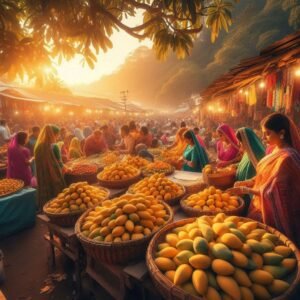
Discover how Konkan’s mango harvest transforms into vibrant festivals filled with tradition, community, and the legendary Alphonso. From temple rituals to bustling Aambabazaars, experience the golden season that connects generations.
The secret behind the Ratnagiri Alphonso’s irreplaceable flavor isn’t tradition, climate, or craftsmanship alone — it’s soil chemistry. With a pH of 4.5–6.5, 94% phosphorus-fixing capacity, 84% sand fraction for unmatched drainage, and organic carbon averaging 1.74%, Ratnagiri’s laterite is not just different from other soils — it is scientifically proven to be the mango world’s most extraordinary growing medium.
Behind the Ratnagiri Alphonso’s five-century survival is a community the world rarely credits — the Brahmin landowners of the Konkan coast. Through Sanskrit agricultural texts, multi-variety ancestral orchards, and a cultural identity rooted in laterite soil, the Chitpavan and Saraswat Brahmins of Konkan became the quiet custodians of the world’s most celebrated mango heritage.
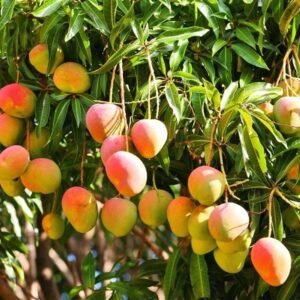
The mango orchards covering the Western Ghats’ Konkan hillsides didn’t grow here naturally — they were engineered, one rock-blasted planting hole at a time. From Portuguese grafting science in the 16th century to British botanical gardens and Konkan farmers who turned barren laterite into 1.8 lakh hectares of Alphonso paradise, this is a colonial legacy still bearing fruit.

The History of Mango Cultivation in the Western Ghats Photo by Abhishek Kirloskar on Unsplash The Western Ghats—stretching majestically along India’s western coastline—are more than just a biodiversity hotspot. They are also home to one of the world’s oldest and most fascinating traditions of fruit cultivation: the mango. Long before

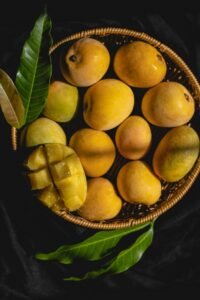
When you hear the name Ratnagiri, one image almost instantly comes to mind—the rich golden Hapus, better known as the Alphonso mango. Revered as the “King of Mangoes,” its journey from a simple fruit to an international delicacy is as fascinating as its flavour. The history of Ratnagiri mangoes is not just about agriculture; it is a story shaped by geography, culture, colonisation, and generations of dedicated farmers
At Kokan Samrat, we bring you hand-picked, naturally ripened organic mangoes from the heart of Ratnagiri—grown sustainably, harvested with care, and delivered with unmatched freshness.