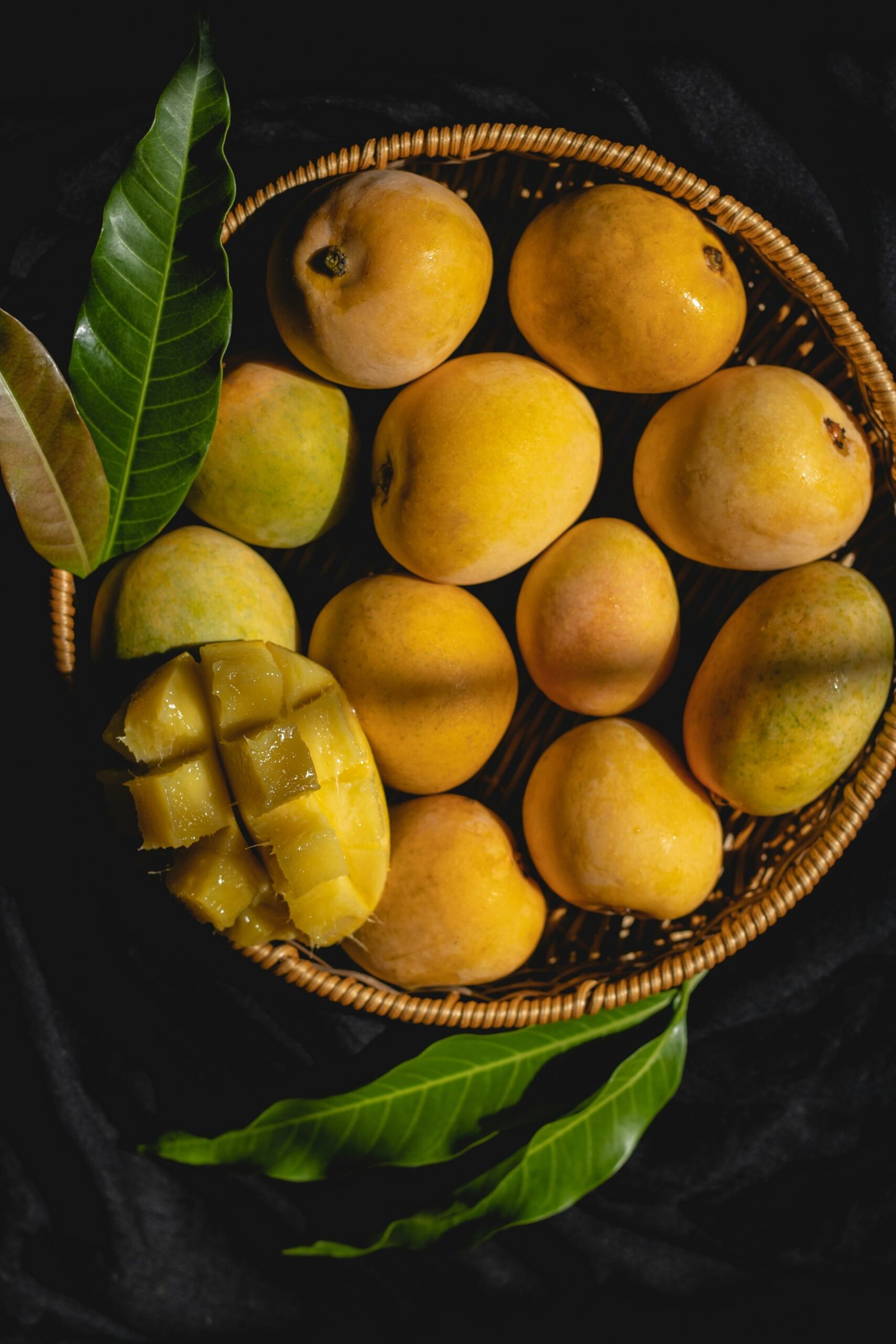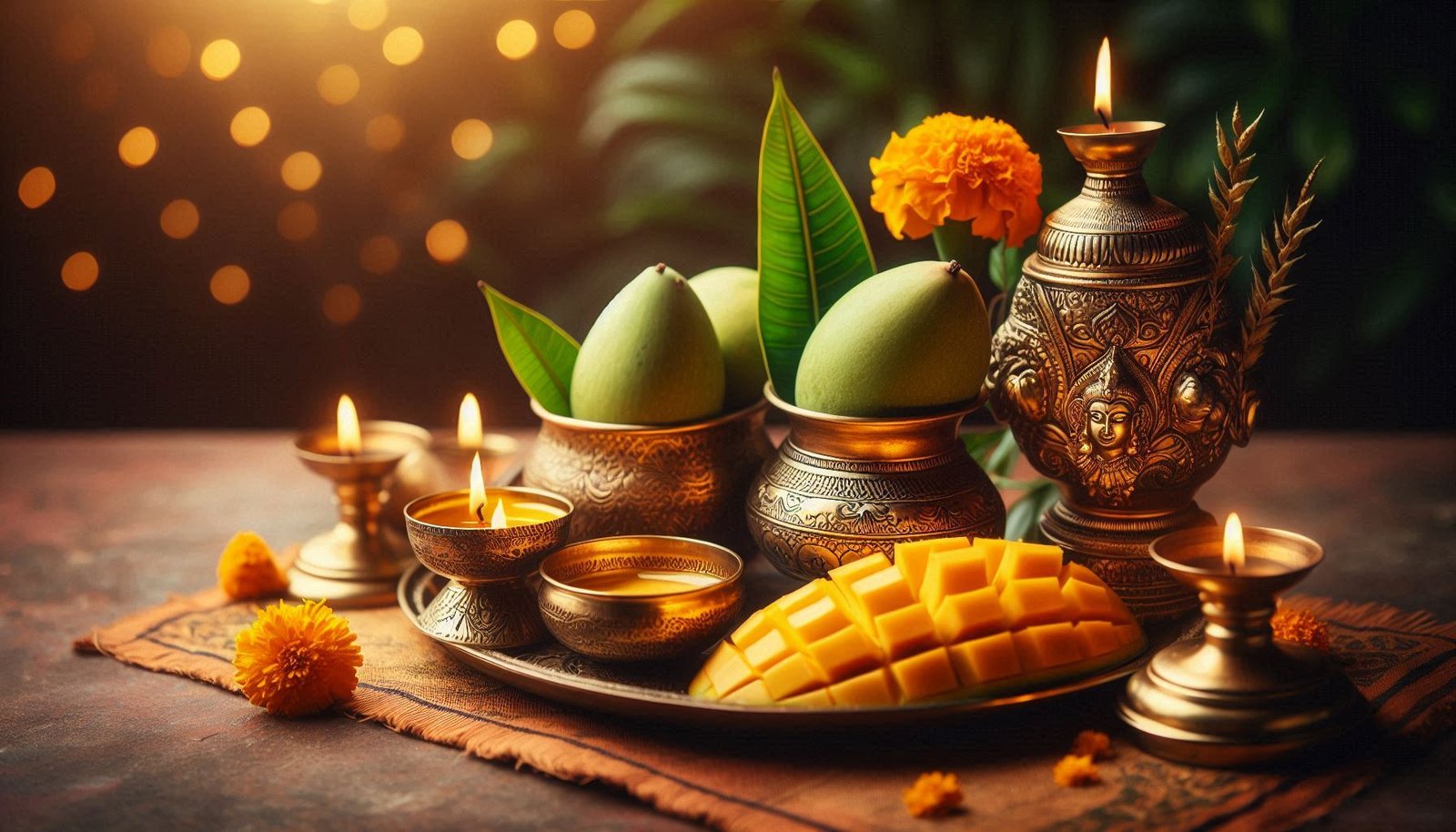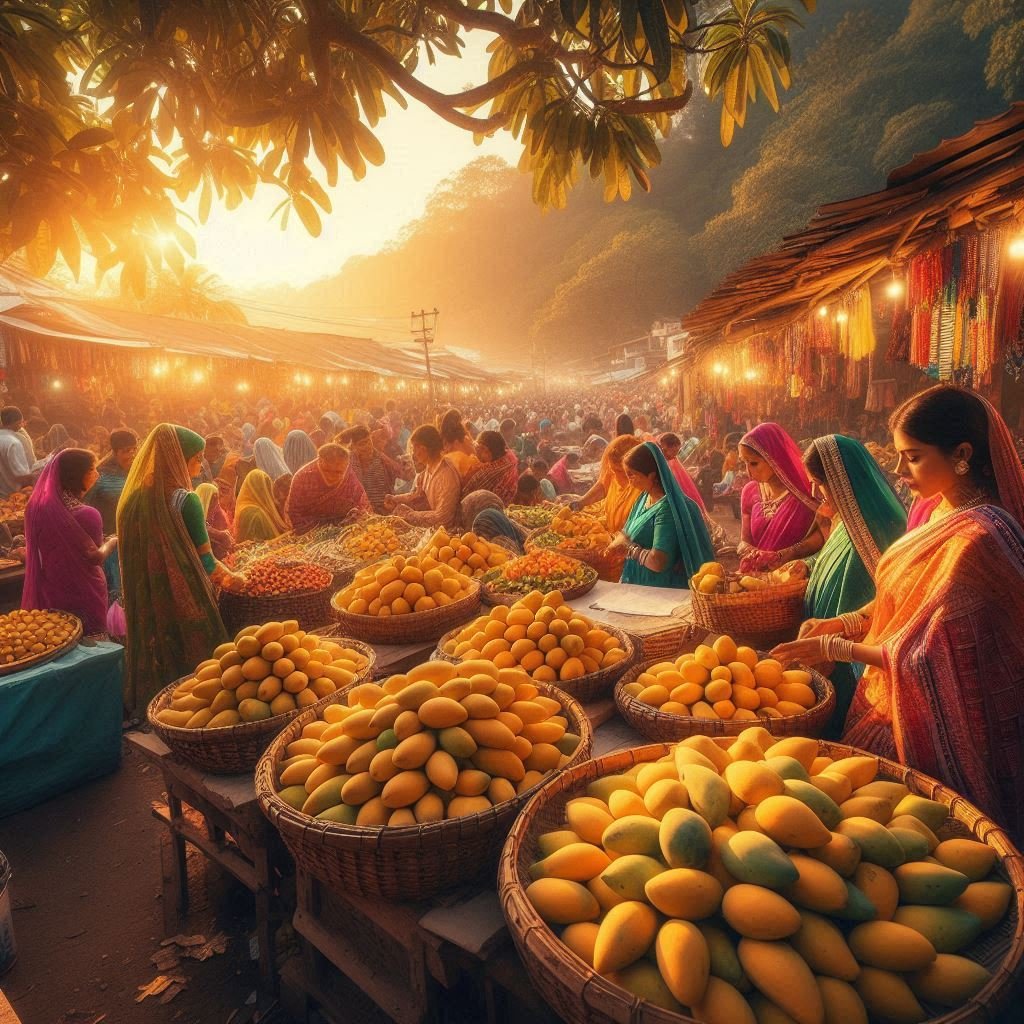
There is a journey that a certain kind of mango lover eventually decides they must make — not to a restaurant, not to a market stall, and not to an online delivery page, but to the place itself. The laterite hillsides of Ratnagiri and Devgad in the Konkan belt of Maharashtra, between March and June, are among the most sensory-rich environments in India: rows of mango trees heavy with golden-yellow fruit, the salt-threaded coastal air carrying fragrance that the Alphonso produces in such concentration it can be detected thirty metres from the nearest tree, and the particular quality of light on a Konkan morning in April that makes the fruit look like it is illuminated from within. If you have ever tasted a genuine Ratnagiri Hapus and wondered where something that extraordinary comes from, the answer is worth visiting in person at least once in a lifetime.
Why March Through June Is the Only Window
The Alphonso mango season in Ratnagiri and Devgad runs from approximately the second week of March through late May, with the Devgad season extending slightly into early June. This is the only window during which orchard visits are worth planning — not because the landscapes are not beautiful at other times (they are spectacular year-round, particularly during the monsoon), but because the orchard experience that defines a mango visit — walking the rows at harvest time, learning to identify ripeness by fragrance, watching the morning pick, eating aamras made from fruit that was on the tree an hour earlier — exists only during these eight to ten weeks.
The peak window for the most abundant fruit and the most active orchard operations is April — when both the Ratnagiri and Devgad crops are at full harvest pace simultaneously, the mornings are warm without being oppressive, and the fragrance across the entire Konkan belt is at its annual maximum. Plan for April if you have any flexibility. Late March works for the earliest varieties and the first Alphonso flush. Early May offers the season’s final harvests and smaller crowds.
Ratnagiri: Where the Alphonso Was Born
Ratnagiri district is the geographic heart of Alphonso mango cultivation — the place most directly associated with the variety’s GI tag, its international reputation, and the laterite soil and coastal microclimate that produce its most celebrated characteristics. The town of Ratnagiri itself is a manageable 350-kilometre drive from Mumbai via the Pune-Goa highway — approximately six to seven hours by road, or a scenic overnight Konkan Railway journey that arrives directly into the coastal landscape at dawn.
The orchard landscape around Ratnagiri is distinctive in a way that photographs do not quite capture. The laterite soil — deep red, mineral-rich, dramatic in color against the green of the mango canopy — gives every orchard a visual character unlike any other fruit-growing region in India. The orchards are not flat: they follow the natural contours of the Sahyadri foothills, rising and falling across hillsides, with occasional views of the Arabian Sea appearing between the tree rows when you crest a ridge. Walking through an active Ratnagiri orchard in April, when the harvest is at its peak, is a multi-sensory experience that no amount of reading about the Alphonso fully prepares you for — the fragrance arrives before the fruit is visible, and when the fruit comes into view, the contrast of golden-yellow against red laterite soil is a visual that stays with you.
Agro-tourism farms in the Ratnagiri area — including Ganesh Ranade’s well-documented 40-acre organic farm in the district — offer overnight farmstay experiences that go well beyond a simple tour. Guests participate in the morning harvest, receive guided lessons on reading ripeness by fragrance and skin color, watch the grading and packing process, eat every meal with mango as the anchor ingredient, and sleep in accommodation built among the trees — some on machans elevated above the orchard floor, looking out over rows of Alphonso trees lit by the morning sun. The experience collapses the distance between the fruit and the person eating it in a way that permanently changes how you understand the mango’s value.
Devgad: The Other Capital
Devgad taluka in Sindhudurg district is Ratnagiri’s equal in Alphonso prestige and its rival in orchard beauty — and for visitors who want a less-trafficked, more intimate orchard experience, it is often the superior choice. The Devgad Alphonso is slightly larger than the Ratnagiri variety, with a thicker skin and a marginally different aromatic profile — some tasters find it more deeply honeyed, while others prefer Ratnagiri’s more sharply defined fragrance — and the regional distinction has sustained a genuinely passionate debate among Konkan mango specialists for decades.
The drive to Devgad from Mumbai (approximately 460 kilometres via the coastal highway) takes you through some of the most beautiful road scenery on the Maharashtra coast — the route passes through Khed, Chiplun, and Ratnagiri before arriving in Sindhudurg through a landscape of creek crossings, casuarina-lined coastal roads, and laterite hillsides increasingly dense with mango canopy. The Devgad town area sits on a narrow peninsula between the Arabian Sea and the Devgad creek, giving it a geographical drama that makes the approach as memorable as the destination.
Orchard visits in the Devgad area are arranged through local farmers and agro-tourism operators with advance notice — the Devgad Taluka Mango Growers’ Cooperative Society can direct visitors to participating farms. The experience is less polished than some Ratnagiri farmstays but more intimate: smaller orchards, longer conversations with the families who have grown Alphonso for generations, and a more direct encounter with the daily rhythms of harvest season that commercial agro-tourism sometimes packages away.
What an Orchard Visit Teaches You That Nothing Else Can
The most valuable thing an orchard visit produces is not the mangoes you eat there — extraordinary as they are — but the sensory calibration it provides for everything you eat afterward. Spending a morning in a Konkan orchard during harvest season teaches your nose to identify genuine Alphonso fragrance with a precision that no description, no photograph, and no market comparison can replicate. You learn what the stem of a tree-ripened fruit smells like before the mango has been cut. You learn how the laterite soil feels underfoot and understand in your body, rather than your head, why this specific geography matters.
You also meet the people who grow the fruit — and that encounter changes the mango from a commodity into something with a face and a story attached to it. The farmer who hands you a mango directly from the tree is the same person who made a specific decision about whether to use carbide or allow natural ripening, whether to harvest a week early to catch the premium price or wait for biological maturity. When you know who they are and what they chose, the mango means something different in your hand.
Planning Your Visit: Practical Notes
The best orchard visits are booked at least two to three weeks in advance — particularly for April, when demand from Mumbai, Pune, and Bengaluru exceeds capacity at the most established farmstays. Pack light, wear closed shoes for orchard walking (the laterite hillsides are uneven), and bring a thin cotton layer for the early mornings when the orchard is cool and fragrant before the day heats. Most farmstay operators include all meals — and at minimum, guarantee aamras every morning pressed from that day’s harvest, which is alone worth the journey.
For those who cannot make the physical trip to Ratnagiri or Devgad this season, Kokan Samrat’s farm-direct delivery brings the orchard experience as close as a same-day dispatch can carry it: mangoes harvested in the morning and packed the same day, arriving at your door carrying the fragrance of the laterite hillside they left that morning. It is not the same as being there. But on a Mumbai evening in April when the box arrives and the fragrance reaches you before you have even opened the lid, it is closer than you might expect.