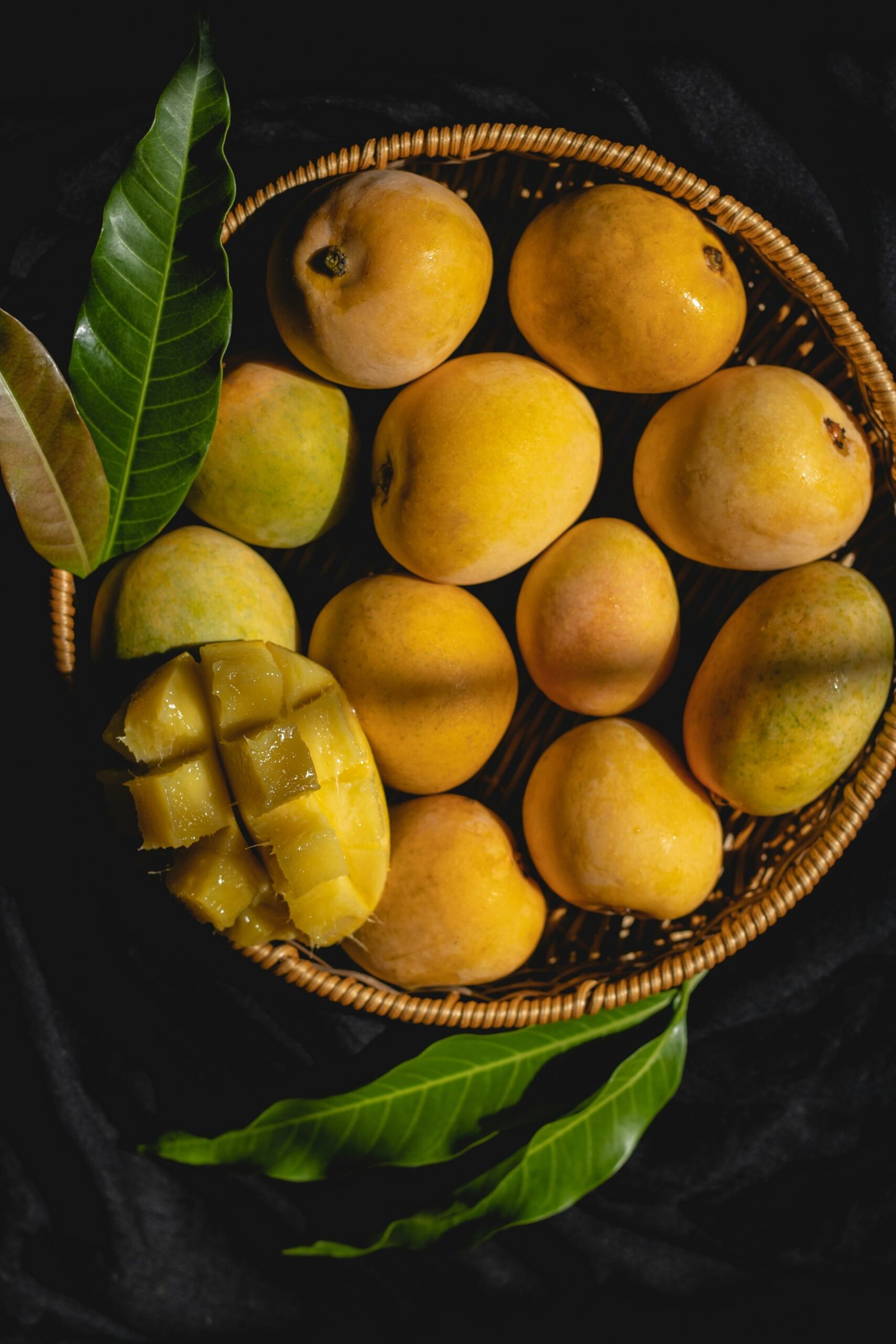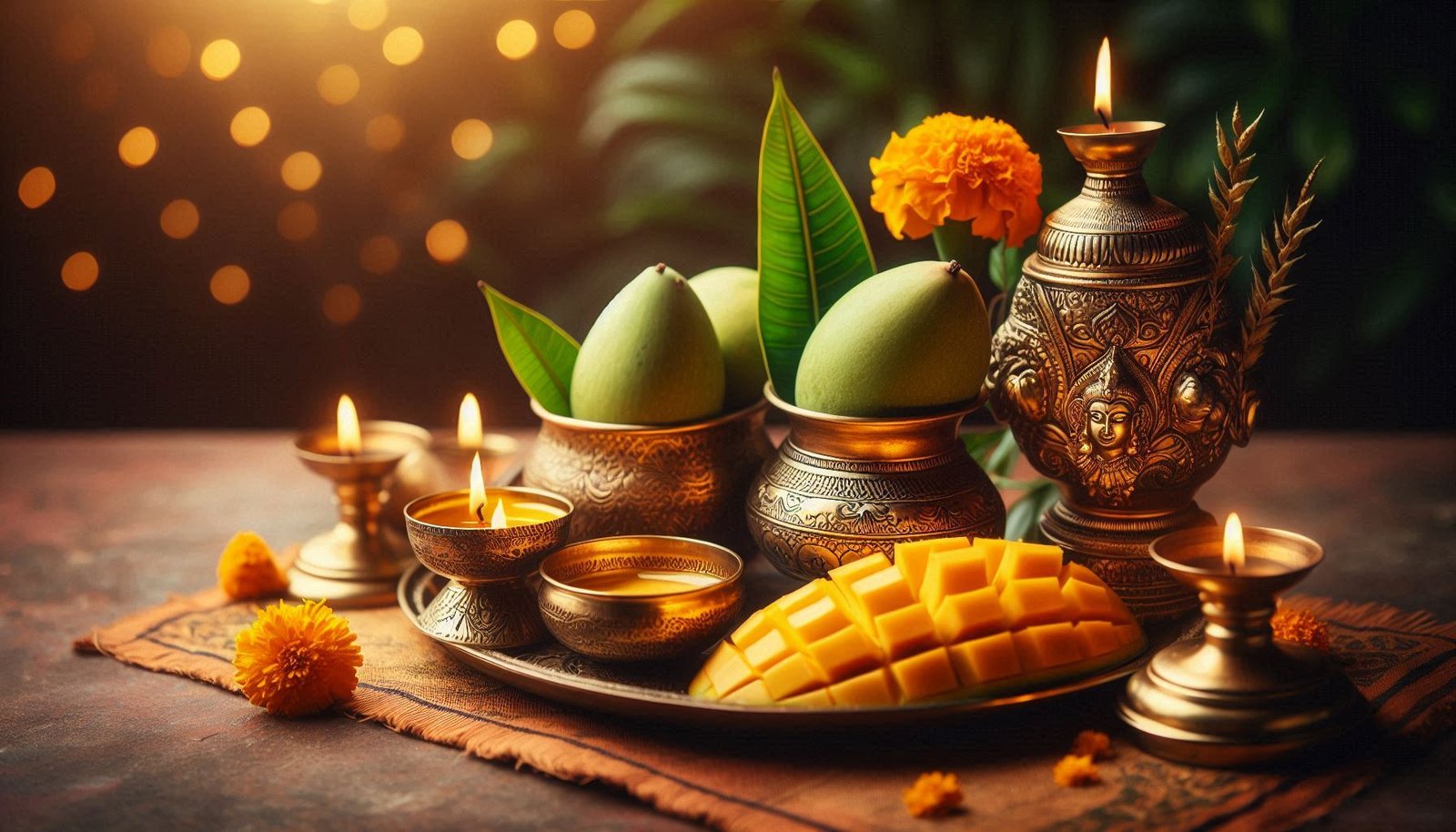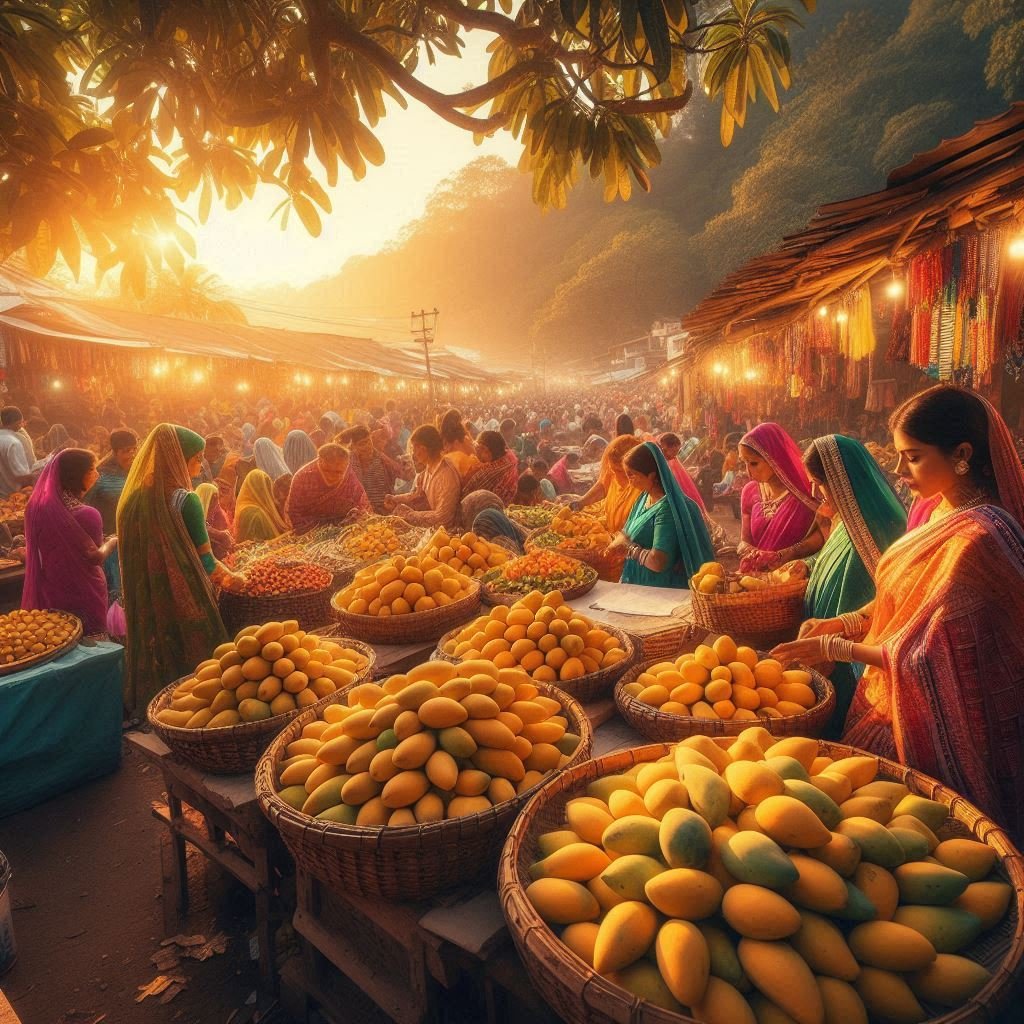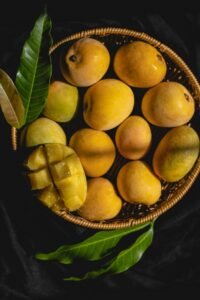
India is the world’s largest producer of mangoes — but what makes this country’s relationship with the fruit truly extraordinary is not just the quantity it grows. It is the sheer culinary imagination that different regions have applied to this one fruit across centuries of cooking tradition. Every state in India has looked at a mango — ripe or raw, sweet or tangy, soft or firm — and created something utterly distinct. From the coconut-laced curries of Kerala to the saffron-infused desserts of Maharashtra and Gujarat, the regional mango dishes of India are a living atlas of the country’s food culture. This is your guide to the most iconic of them.
Maharashtra and the Konkan Coast: Where Mango Is a Way of Life
No region in India has a deeper, more intimate relationship with the mango than the Konkan coast — and Maharashtra’s culinary traditions reflect that connection in every dish.
Aamras is the most celebrated of all Maharashtrian mango preparations — a silky, golden puree of ripe Alphonso or Kesar mangoes, lightly sweetened, scented with cardamom, and served chilled alongside crispy puris. It is simultaneously a dessert, a side dish, and a seasonal event that households across Maharashtra and Gujarat look forward to every April and May. In its purest form, aamras needs nothing more than two or three perfectly ripe Alphonso mangoes and the restraint to not over-sweeten what nature has already perfected.
Ambyaacha Sasav is a lesser-known but equally magnificent Konkan preparation — ripe mangoes simmered in a sweet-sour mustard and coconut gravy, flavored with Byadgi chillies, tamarind, and jaggery. Traditionally made with small Raiwal sucking mangoes, it offers a complex flavor profile that oscillates between sweet, tangy, and gently spiced — a dish that embodies the coastal Konkan palate in a single bowl.
Gujarat: Mango in Its Sweetest, Creamiest Avatar
Gujarat’s vegetarian food culture has produced some of the most refined and indulgent mango preparations in India, built around its love of dairy, sweetness, and balanced spicing.
Aamrakhand (Mango Shrikhand) is Gujarat’s answer to the perfect mango dessert — a thick, lusciously creamy preparation of hung curd blended with fresh mango puree, powdered sugar, cardamom, and a whisper of saffron. Served chilled, it is simultaneously a festival food, a wedding dessert, and an everyday indulgence during mango season. The use of strained yogurt gives it a density and richness that no other base ingredient could achieve, and the interplay between the yogurt’s natural tang and the mango’s sweetness is a masterclass in flavor balancing.
Gujarati Mango Curry — a mildly spiced sweet-sour curry made with ripe mangoes, jaggery, cumin, mustard seeds, and warming spices — is a beautiful example of how Gujarat uses the same fruit in savory territory. Served with hot rotis or rice, it transforms the mango from a seasonal dessert ingredient into a year-round-inspired curry that surprises first-time tasters with its gentle complexity.
Kerala: Mango Meets Coconut in Perfect Harmony
Kerala’s cuisine is defined by its love of coconut, yogurt, and ripe tropical flavors — and its mango dishes are among the most celebrated in all of South India.
Mambazha Pulissery is the crown jewel of Kerala’s mango culinary tradition — a velvety, golden curry made from ripe naadan (local) mangoes simmered in a coconut and yogurt gravy, tempered with mustard seeds, fenugreek, and dried red chillies in fragrant coconut oil. This dish is an essential component of the Onam Sadya — the grand feast served on banana leaves during Kerala’s most significant harvest festival — where it is placed alongside over 20 other dishes as a symbol of the season’s abundance. The balance of sweet mango, sour yogurt, and creamy coconut in a single gravy is something every serious food lover must experience.
Pazhamanga Curry is Pulissery’s bolder sibling — whole ripe mangoes cooked with turmeric and red chilli powder, then finished with a ground coconut paste and a mustard-fenugreek-curry leaf tempering. Less smooth and more rustic than Pulissery, it delivers a deeper, more intensely fruited flavor that pairs beautifully with plain steamed rice and papad.
Andhra Pradesh and Telangana: The Bold, Spicy Mango Palette
The mango cuisine of Andhra Pradesh and Telangana is defined by bold flavors, generous use of chilli heat, and a sophisticated understanding of the raw mango’s tartness as a cooking acid.
Mamidikaya Pappu — raw mango dal — is perhaps the most beloved everyday dish in the region. Unripe green mango pieces are cooked together with toor dal, turmeric, green chillies, and curry leaves, then tempered with mustard seeds, dried red chillies, and asafoetida in ghee. The raw mango replaces tamarind entirely, delivering a fresher, fruitier sourness that makes this dal uniquely vibrant. Served with hot rice, a spoon of ghee, and a side of Avakaya — Andhra’s legendary fiery raw mango pickle — it constitutes one of the most satisfying meals in South Indian cooking.
Avakaya itself deserves separate recognition as one of India’s great preserved condiments — raw mango cut with the seed, packed in mustard powder, red chilli powder, salt, and sesame oil, and left to mature over weeks into a deeply flavored, almost addictive pickle that Andhra households consume year-round alongside virtually every meal.
Karnataka: Tangy Mango Rice That Travels Well
Karnataka’s contribution to India’s mango culinary map centers around the brilliant simplicity of Mavinakayi Chitranna — raw mango rice. Freshly cooked rice is tossed with grated raw mango, grated coconut, green chillies, peanuts, and a fragrant tempering of mustard seeds, urad dal, curry leaves, and turmeric, creating a one-dish meal that is refreshingly tangy, texturally vibrant, and enormously satisfying.
Chitranna is the quintessential Karnataka tiffin box meal — it travels without refrigeration, improves in flavor as it sits, and requires no accompaniment to be completely satisfying. In Udupi-style restaurants across the country, it remains one of the most requested seasonal specials during mango season.
North India: The Pickle, the Cooler, and the Royal Kheer
North India’s mango food culture is anchored by three distinct traditions — preservation, refreshment, and festivity.
Aam ka Achar — raw mango pickle — is the pan-Indian condiment that connects every north Indian household across Uttar Pradesh, Punjab, Rajasthan, and Delhi. Made with raw mango cubes preserved in mustard oil, fenugreek, red chilli powder, and nigella seeds, the best versions of this pickle are made at home in large batches at the start of mango season and consumed through the year — a living connection to the seasons in every spoonful.
Aam Panna is North India’s most treasured summer drink — raw green mango pulp blended with roasted cumin, black salt, jaggery, and mint to create a deeply refreshing, electrolyte-rich cooler that has been protecting people from heatstroke during Indian summers for generations.
And from the rare, refined Sheherwali cuisine of Murshidabad in West Bengal comes Kachche Aam ki Kheer — an extraordinary milk-based dessert made with raw mango, a centuries-old recipe that bridges Bengal’s sweet tradition with a tangy seasonal ingredient in a combination that sounds improbable and tastes revelatory.
A Country United by One Fruit, Expressed in Infinite Ways
India’s regional mango dishes are proof that a single ingredient, in the hands of different culinary traditions, can produce an entirely different emotional experience in every kitchen. From the sweet creaminess of Gujarat’s Aamrakhand to the fiery heat of Andhra’s Avakaya, from the coconut-kissed serenity of Kerala’s Pulissery to the humble everyday perfection of Karnataka’s Chitranna — every dish tells a regional story, shaped by local ingredients, local palates, and centuries of culinary wisdom.
Exploring these dishes is not merely a gastronomic exercise — it is a way of understanding India itself, one mango dish at a time.