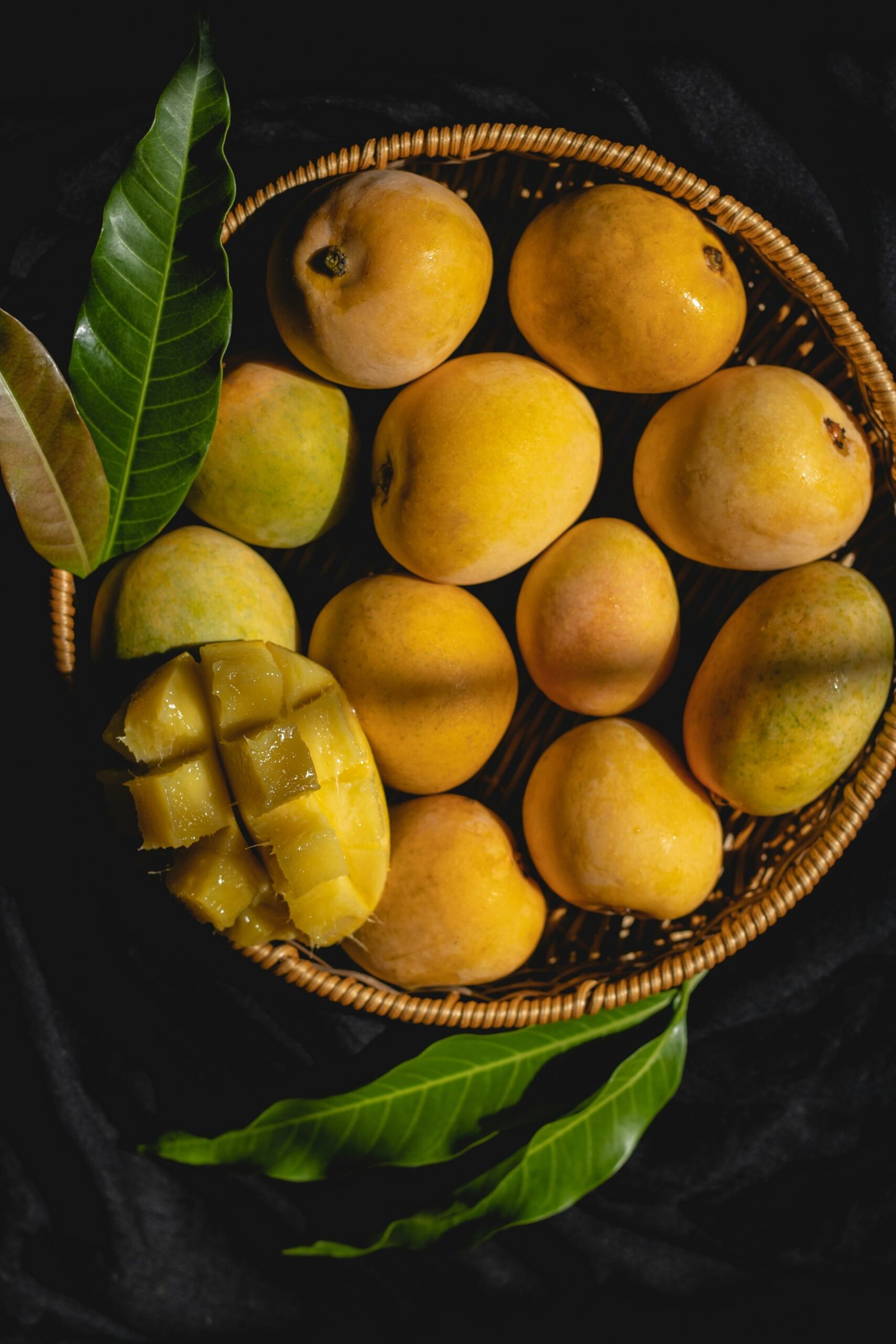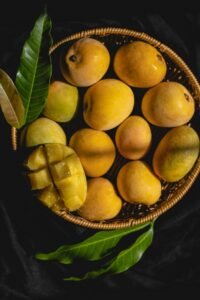
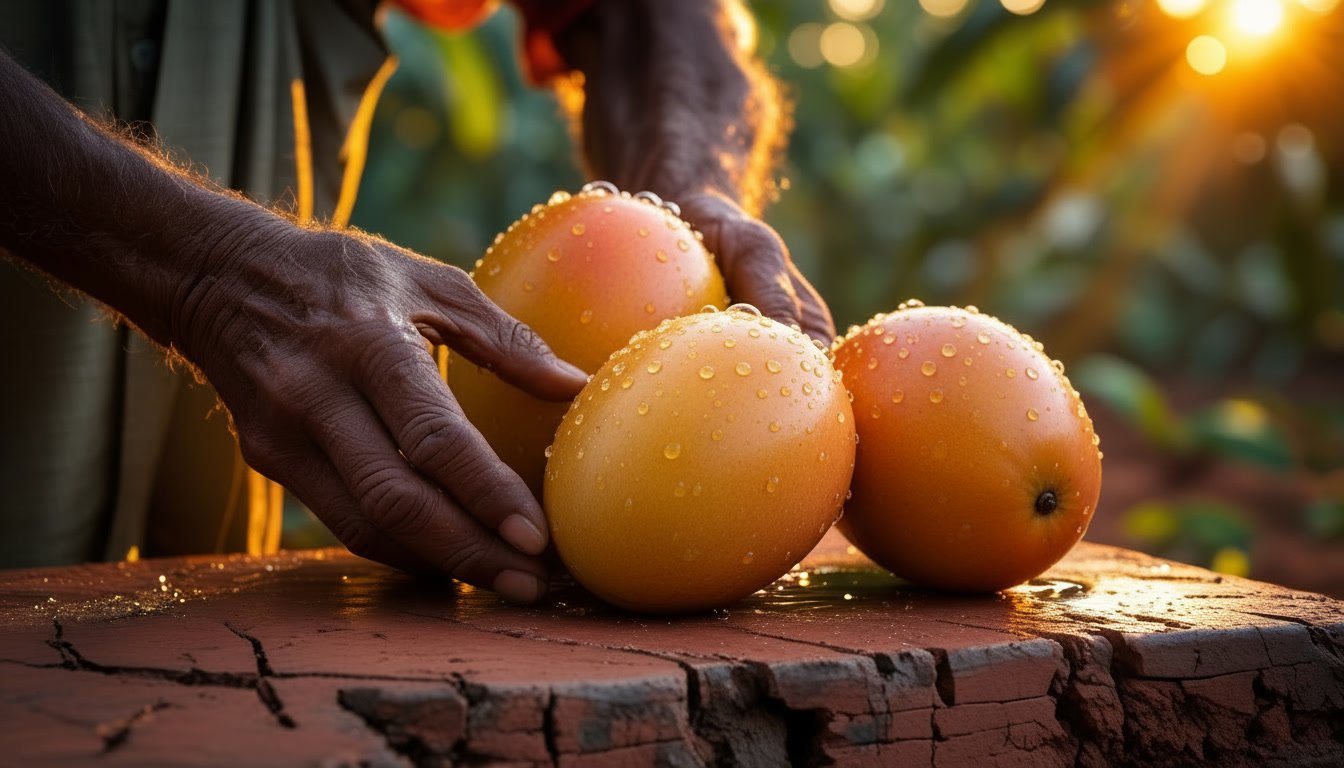
When you bite into a golden Ratnagiri Alphonso, you’re tasting more than fruit—you’re experiencing 500 years of history, Portuguese innovation, and the pride of Konkan farmers. The Ratnagiri mango, locally called Hapus, holds a legacy so rich that it earned India’s coveted Geographical Indication tag and the title “King of Mangoes”.
The Portuguese Connection: How Ratnagiri Got Its Crown
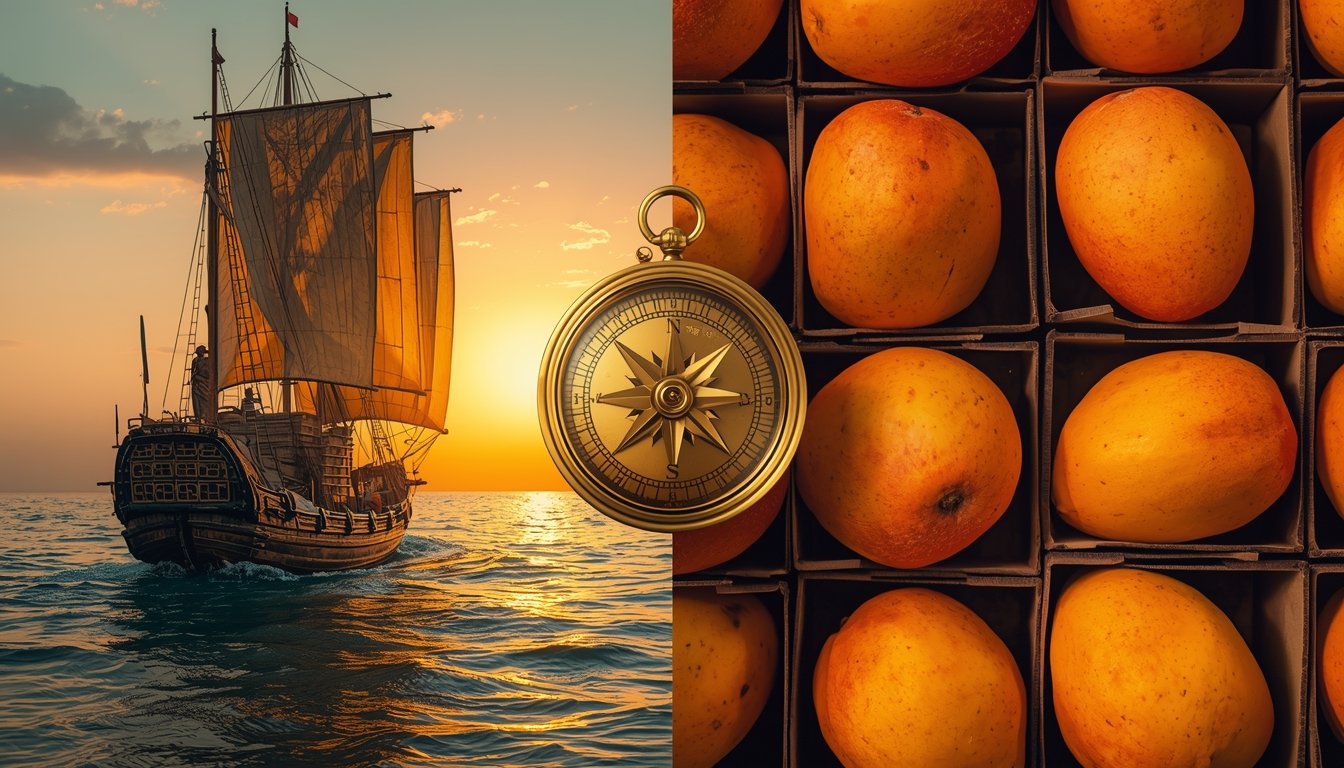
The story of Ratnagiri mangoes begins in the 16th century with Portuguese colonial expansion along India’s western coast. Portuguese General Afonso de Albuquerque, who established colonies in Goa and the Konkan region of Maharashtra, introduced a revolutionary horticultural technique: mango grafting.
Before Portuguese intervention, Indian mangoes were diverse but lacked the consistent quality we associate with Alphonso today. The Portuguese grafting method combined mango varieties with desirable features—size, sweetness, color, and flesh texture—creating a hybrid that possessed all these superior characteristics. This new variety was named “Alphonso” after General Albuquerque himself, and it was introduced to Ratnagiri, Goa, and parts of southern India.
Among all regions where Alphonso cultivation began, Ratnagiri emerged as the undisputed champion. Why? The answer lies in geography.
Why Ratnagiri? The Perfect Terroir
The 200-kilometer-long Konkan coastline creates ideal conditions for Alphonso cultivation. Ratnagiri’s unique red laterite soil provides perfect drainage and mineral content essential for developing the mango’s characteristic sweetness and aroma. The coastal climate delivers ample rainfall during monsoons and abundant sunshine during the fruiting season—a combination that no other region can replicate exactly.
This unique terroir produces mangoes with naturally rich flavor, smooth fleshy pulp, intoxicating aroma, and perfect size. These qualities elevated Ratnagiri Alphonso to become one of the most expensive mangoes in the world.
A Heritage Passed Through Generations
Over centuries, Ratnagiri mango cultivation evolved from Portuguese experiment to cultural heritage. For farming families in villages like Devgad, Guhagar, Lanja, and Ratnagiri town, mango orchards represent generational legacy. Traditional knowledge and cultivation techniques pass from father to son, mother to daughter—preserving not just farming methods but an entire way of life.
Most Ratnagiri farmers favor traditional organic practices over chemical-intensive agriculture, maintaining the fruit’s integrity and authenticity. They follow time-honored methods: planting in red laterite soil, minimal chemical use, natural ripening processes without artificial agents, hand-harvesting with care to avoid damage, and meticulous grading based on size and quality.
This commitment to tradition makes Ratnagiri mangoes more than agricultural produce—they’re living history.
The GI Tag: A 10-Year Battle for Recognition
The most significant milestone in Ratnagiri mango history came in 2018 when farmers received the Geographical Indication (GI) tag after a decade-long legal struggle. Four organizations—including Devgad Amba Utpakad Sangh and Ratnagiri Amba Utpatak Sangh—united to secure this recognition for mangoes grown in five Konkan districts: Sindhudurg, Ratnagiri, Raigad, Thane, and Palghar.
The GI tag ensures that only mangoes grown in this specific region can be legally called “Ratnagiri Alphonso” or “Hapus”. Even if mango orchards in Karnataka or Africa use cuttings from Konkan trees, they cannot use these protected names. This legal protection safeguards farmers from counterfeit sellers and preserves the authentic Ratnagiri identity.
To receive the GI tag, farmers must register their specific orchards through documentation including land records, with registration valid for 10 years. Farmers like Pradip Ambre from Nirool village and Shailendra Shinde Dasurkar from Umbarbadi proudly display their GI tags at mango festivals, using them as quality branding and assurance for consumers.
Economic and Cultural Impact
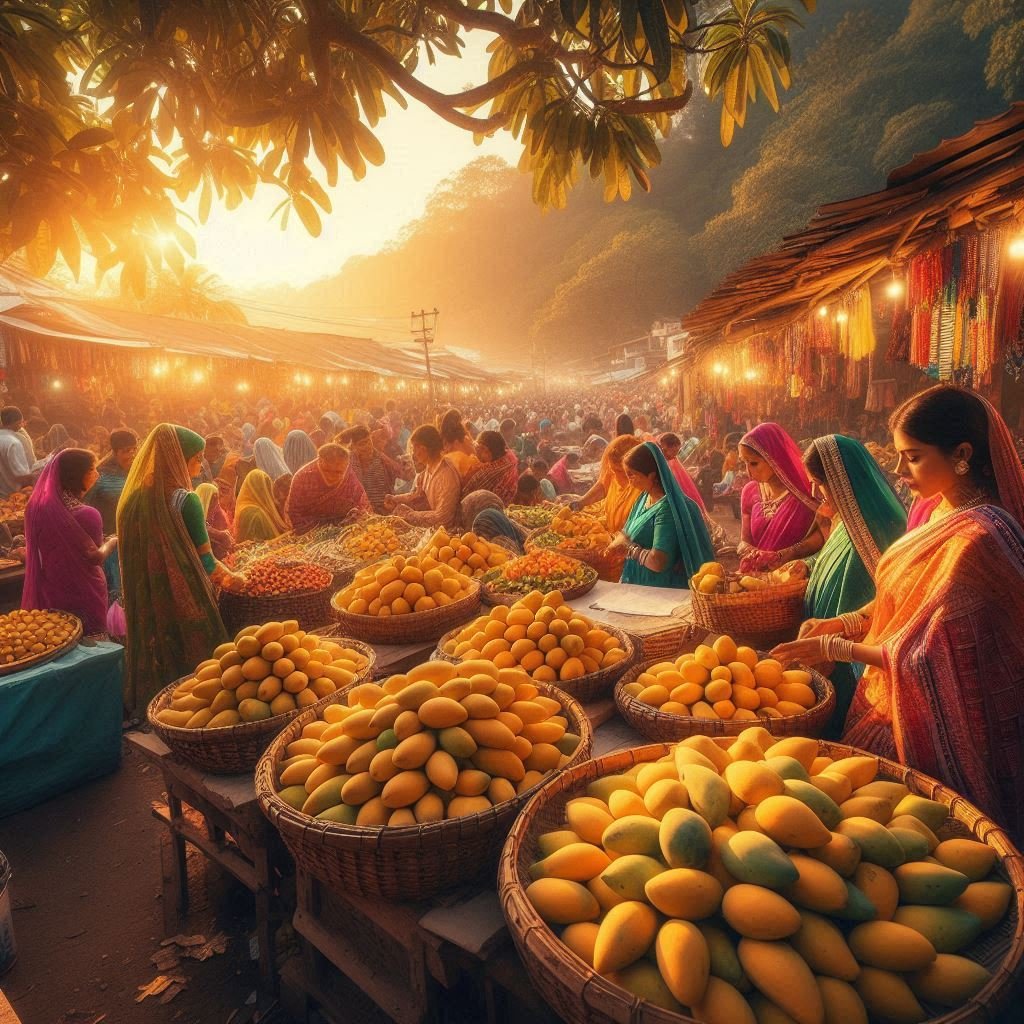
Ratnagiri mangoes drive the regional economy, creating employment from cultivation to packaging, transportation to export. The mango season transforms Ratnagiri into a bustling commercial hub where auctions, festivals, and markets celebrate this golden harvest.
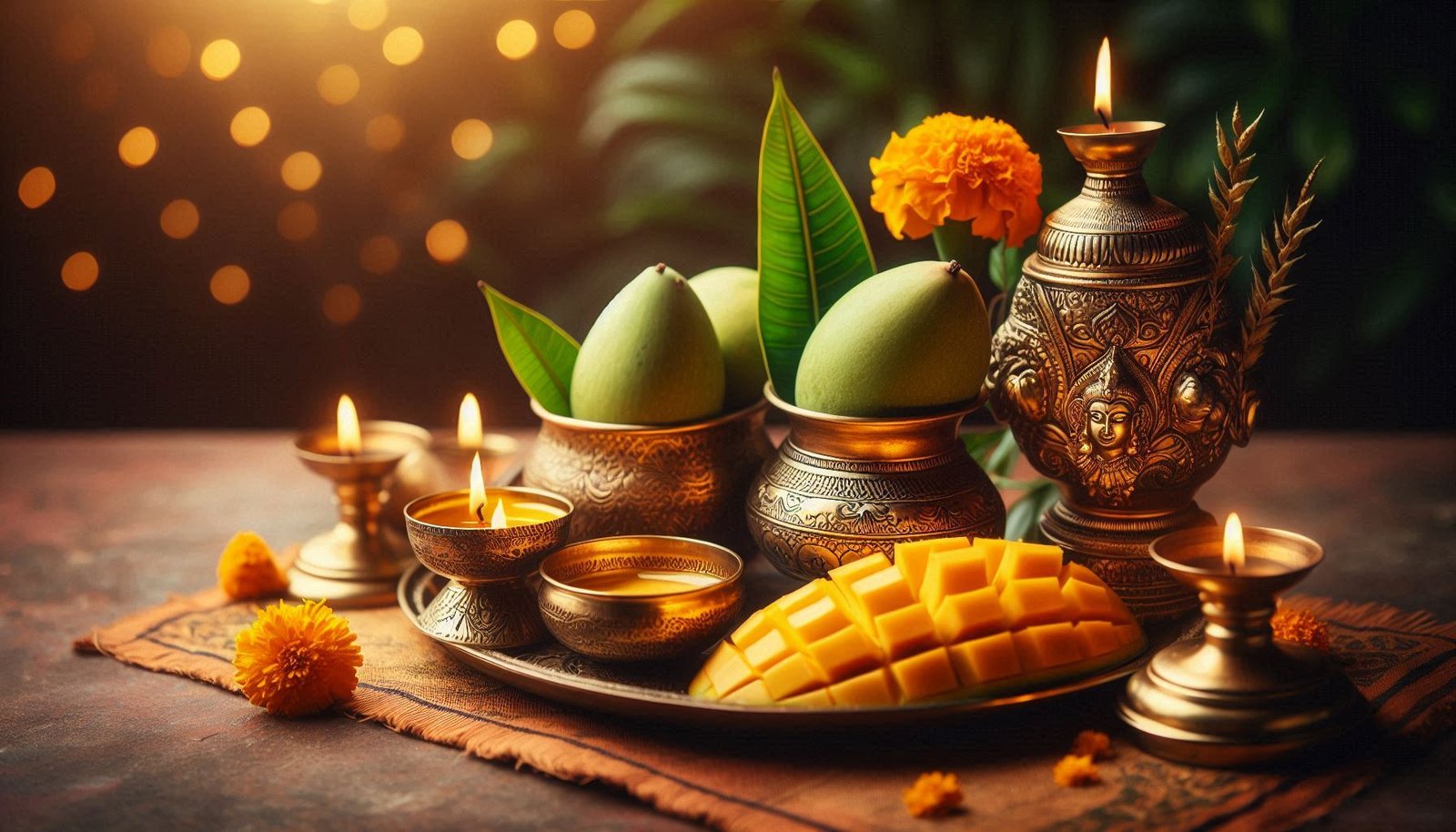
Beyond economics, Alphonso mangoes shape Konkan identity. They appear in local festivals, religious offerings, and family celebrations. The fierce debate between Ratnagiri and Devgad loyalists over which produces superior mangoes mirrors the passion cricket fans show for their teams —it’s not just about fruit; it’s about pride and belonging.
Looking Forward: Preserving a 500-Year Legacy
As Ratnagiri mangoes enter their sixth century in Indian history, farmers face new challenges: climate change, urbanization, and maintaining organic practices amid commercial pressures. Yet the GI tag and growing global demand offer hope that this legacy will continue.
Each summer, when the first Alphonso arrives at markets, it carries with it the story of Portuguese innovation, Konkan geography, generational wisdom, and legal victories. The Ratnagiri mango isn’t just India’s finest fruit—it’s a testament to how nature, culture, and human dedication can create something truly extraordinary.