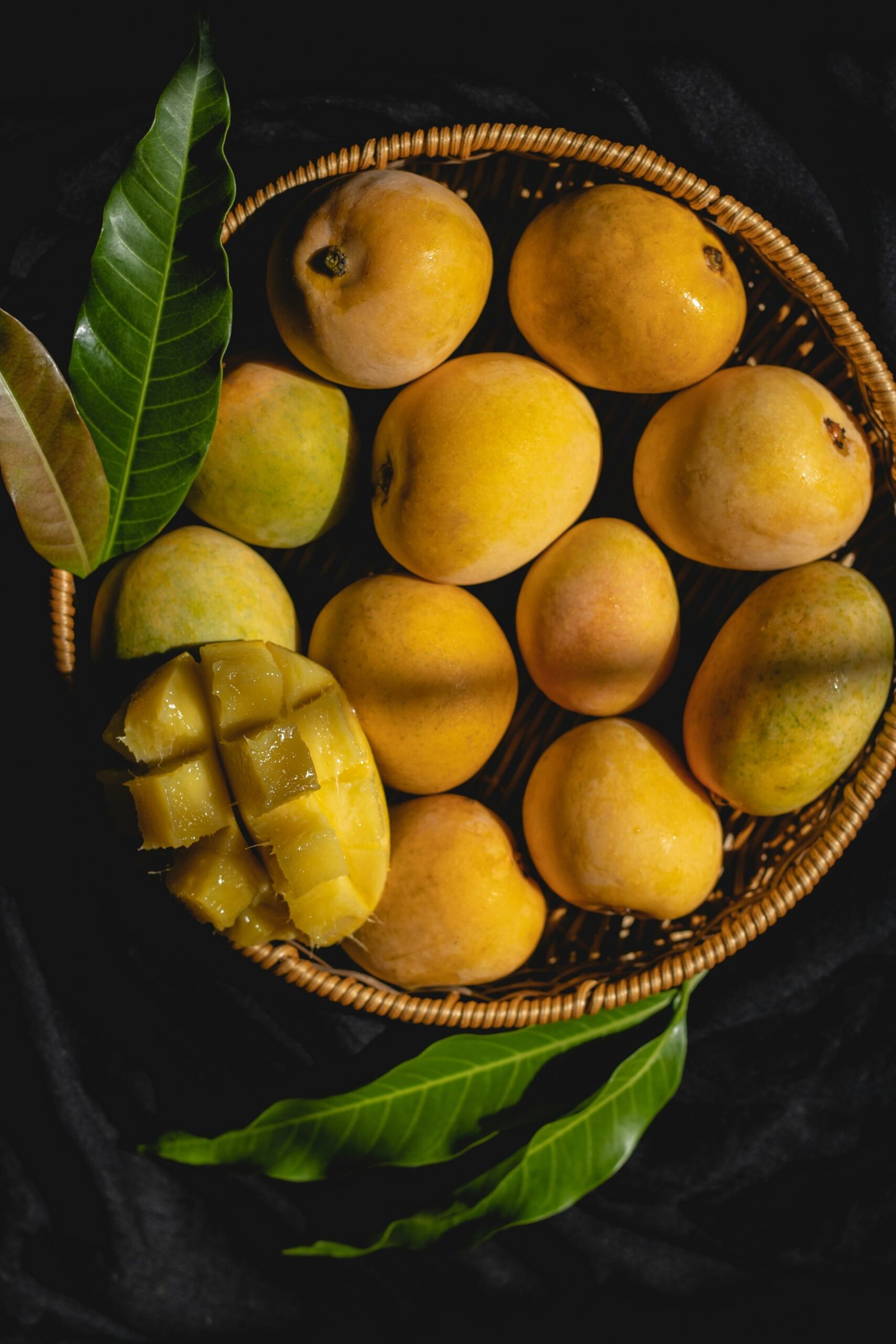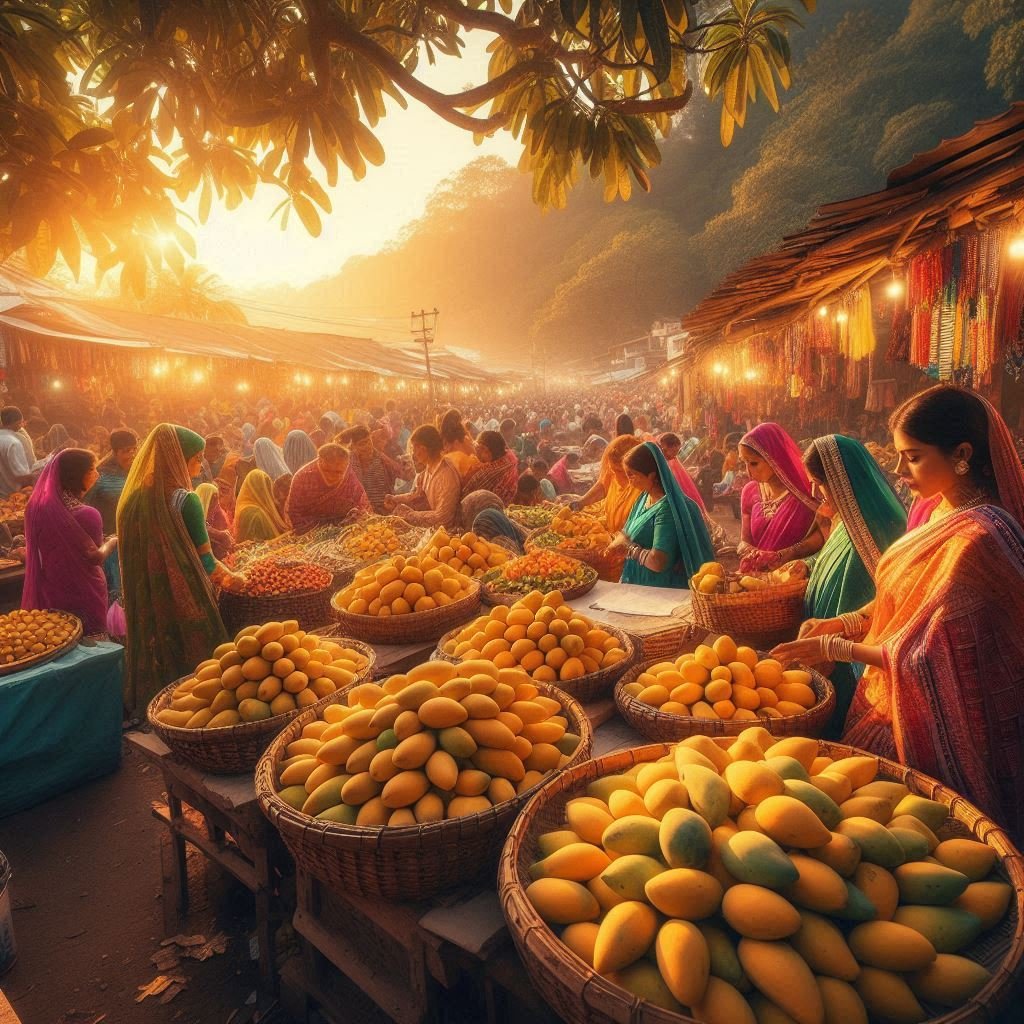
You think you know the mango. You’ve eaten it your whole life — sliced at summer tables, blended into lassis, devoured straight from the skin with juice running down your wrists. But the mango carries secrets far beyond its extraordinary flavour. It has shaped empires, inspired poetry, confused botanists, and travelled across continents in ways that would surprise even the most devoted Alphonso enthusiast. Prepare to fall even more deeply in love with India’s national fruit — because these fascinating mango facts will change the way you think about every bite.
The Mango Is Older Than Most Civilisations
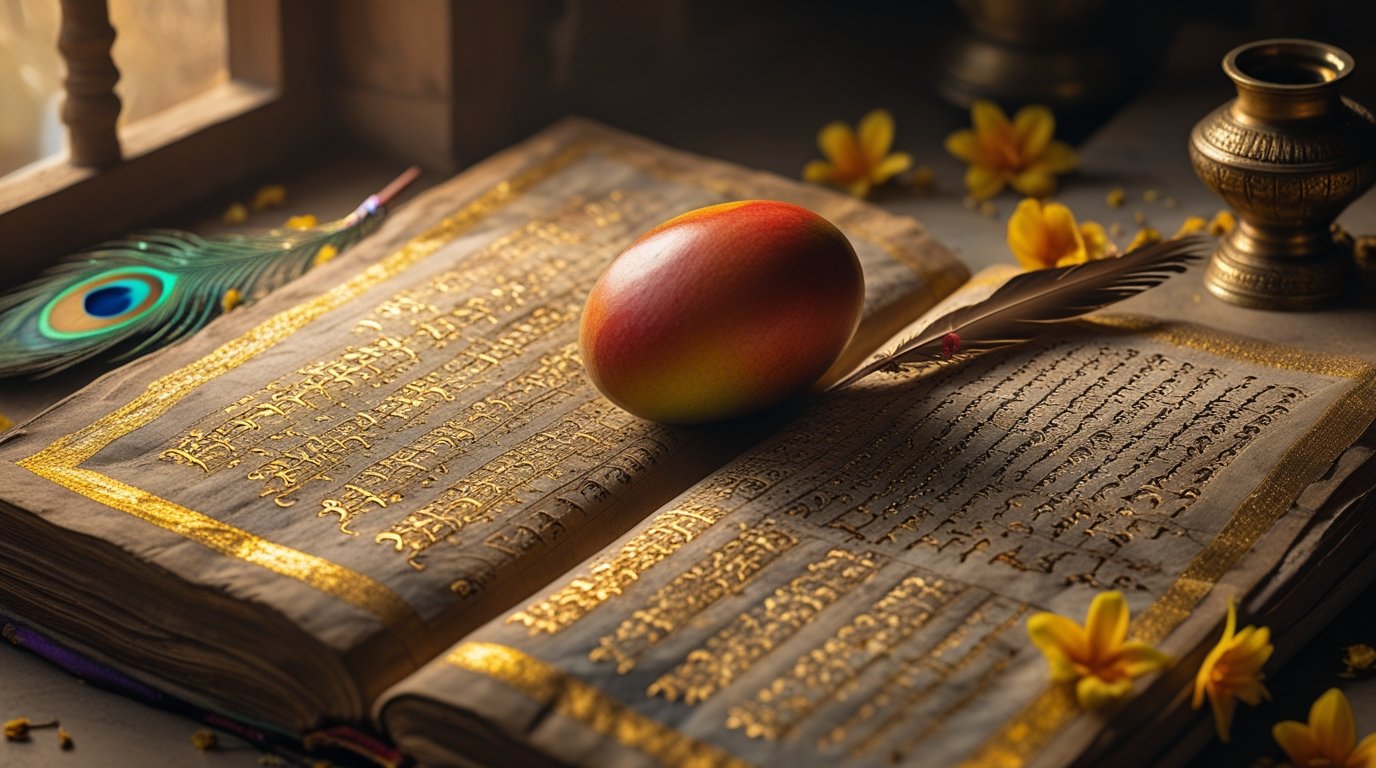
Let that sink in for a moment. Archaeological evidence suggests that mangoes have been cultivated in the Indian subcontinent for over 5,000 years — predating the construction of the Egyptian pyramids, the rise of the Roman Empire, and the invention of writing in Mesopotamia. Ancient Sanskrit texts reference the mango as a symbol of prosperity and love, and the fruit appears in Buddhist iconography connected to the life of Gautama Buddha himself. When you eat a mango today, you are participating in one of humanity’s longest unbroken culinary traditions.
The Mango Belongs to the Same Family as Poison Ivy
This botanical revelation genuinely surprises most people. The mango tree — Mangifera indica — belongs to the family Anacardiaceae, which also includes cashew, pistachio, and — yes — poison ivy and poison sumac. The mango tree’s sap and skin contain urushiol, the same chemical compound responsible for poison ivy’s notorious rash. This is why some people experience skin irritation when handling unpeeled mangoes directly — particularly the stem end where sap concentration is highest. The fruit’s flesh, however, contains no urushiol and is entirely safe for consumption.
India Grows Over 1,500 Varieties of Mango
Most consumers know three or four mango varieties. India grows over 1,500 documented cultivars — ranging from the legendary Alphonso of Ratnagiri to the enormous Mallika, the petite Neelum, the fibre-free Kesar of Gujarat, the supremely fragrant Langra of Varanasi, the export-favourite Totapuri, and hundreds of regional varieties known only within their specific growing districts. Each variety carries its own distinct flavour signature, texture profile, and seasonal window — a biodiversity of taste that represents one of India’s most extraordinary and underappreciated agricultural achievements.
The Mughal Emperor Akbar Planted 100,000 Mango Trees
The Mughal emperors were famously passionate about mangoes — but none more devotedly than Akbar the Great, who reportedly commissioned a mango orchard of 100,000 trees at Lakhi Bagh in Darbhanga, Bihar. Akbar’s obsession was inherited by his descendants — Emperor Jahangir reportedly claimed he could identify mango varieties blindfolded by taste alone, and Bahadur Shah Zafar, the last Mughal emperor, wrote poetry lamenting his separation from mangoes during his exile in Rangoon. The mango’s place in Mughal culture was not incidental — it was political, poetic, and profoundly personal.
A Mango Tree Can Live and Produce Fruit for 300 Years
Modern agriculture often prioritises rapid production cycles and early-bearing varieties — but the traditional Alphonso mango tree operates on an entirely different timescale. Mature mango trees in Konkan’s oldest orchards are documented at over 100 years of age and still producing fruit of exceptional quality. Some specimens in South Asia are recorded at over 300 years old — living witnesses to centuries of history, having outlasted the empires whose farmers first planted them. The oldest trees often produce the most complex, deeply flavoured fruit — a reward for the patience of generations.
Mango Leaves Are Considered Sacred in Hindu Tradition
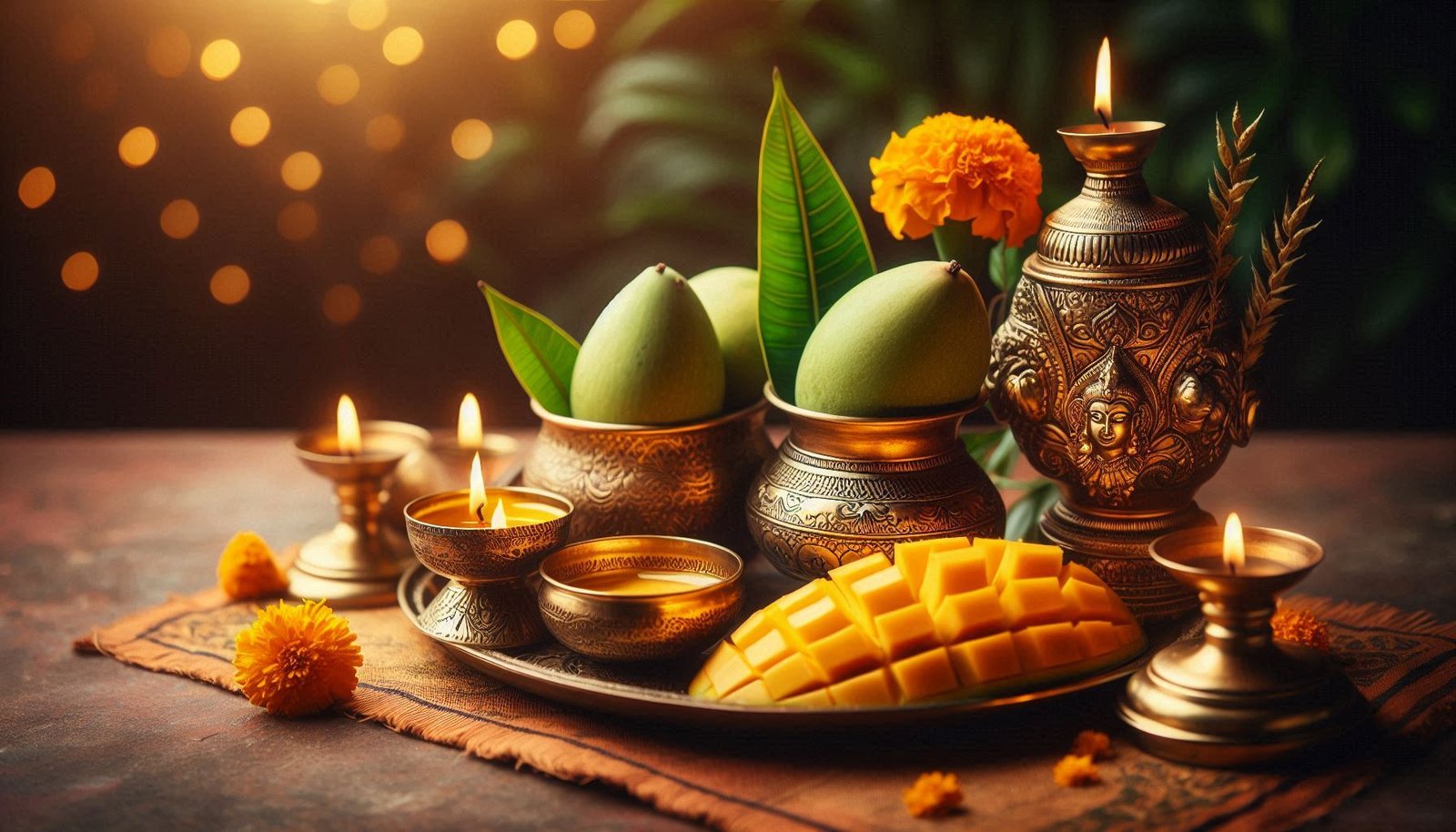
While the fruit attracts most of the attention, the mango tree’s leaves hold profound cultural and religious significance across India. Fresh mango leaves strung together into torans — decorative door garlands — are hung at entrances during festivals, weddings, and religious ceremonies as symbols of prosperity, fertility, and divine blessing. Mango leaves are used in ritual water vessels during Hindu ceremonies, and the tree itself is considered sacred in several regional traditions. In Konkan, a home with a mango tree in the courtyard is considered especially auspicious.
The Word “Mango” Has Portuguese Origins
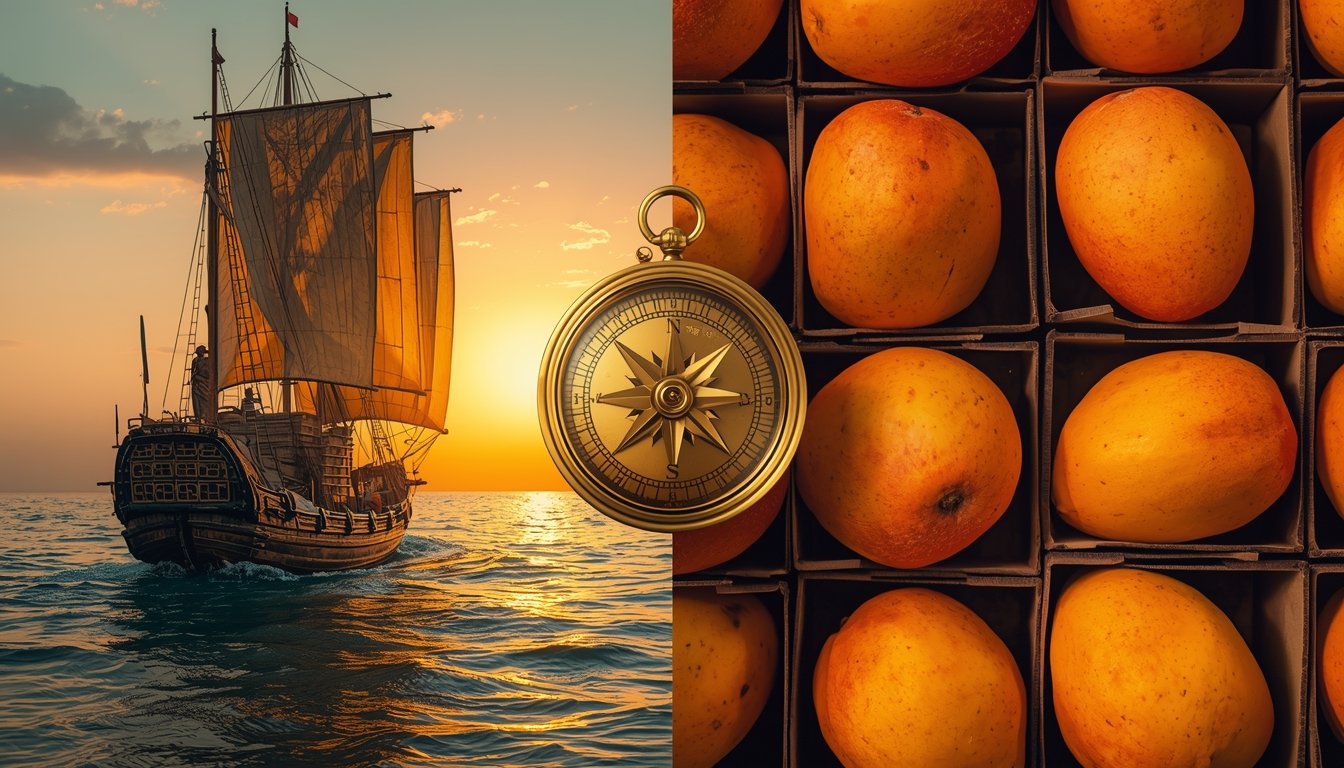
Despite the fruit’s ancient Indian heritage, the English word “mango” arrived through an unexpected linguistic journey. Portuguese traders who encountered the fruit on India’s Malabar coast in the 15th century adopted the Tamil word “māngāy” or “māmkāy”, which became “manga” in Portuguese — and subsequently “mango” in English as the fruit spread through global trade routes. In Hindi and Marathi, the fruit retains its ancient name — “aam” — a word so embedded in Indian language and metaphor that the phrase “aam aadmi” (common person) draws its democratic spirit directly from the fruit’s universal accessibility.
Mangoes Are Related to Cashews — And You Can Eat the Mango Apple
The cashew tree, like the mango, belongs to the Anacardiaceae family — making cashews and mangoes botanical cousins. What fewer people know is that the cashew produces a swollen, juicy false fruit called the cashew apple that is consumed as a fresh fruit and fermented into beverages across Goa and coastal Maharashtra. The mango’s closest architectural equivalent is the mango apple — the fleshy, edible portion we consume — which is botanically not the true fruit at all. The true botanical fruit is the seed — what we call the stone — encased within the flesh we love.
India Exports Alphonso Mangoes to Over 40 Countries
The Alphonso mango’s global reputation is not merely anecdotal — it is commercially documented across international trade. India exports Alphonso mangoes to over 40 countries including the United Kingdom, United States, Canada, UAE, Australia, Japan, and across Europe. The United Kingdom alone imports thousands of tonnes of Alphonso mangoes annually, where they are sold at premium prices in specialist Indian grocery stores and mainstream supermarkets. The Ratnagiri Alphonso and Devgad Alphonso — both holding Geographical Indication tags — are among India’s most recognised agricultural export products globally.
The Mango Is the National Fruit of Three Countries Simultaneously
India is the most famous of the trio, but the mango holds the distinction of being the national fruit of India, Pakistan, and the Philippines simultaneously — a remarkable testament to the fruit’s cross-cultural significance across the Asian world. Each country celebrates a different variety as its finest — India championing the Alphonso, Pakistan celebrating the Chaunsa and Sindhri, and the Philippines honouring the Carabao mango. Three nations, three cultures, one extraordinary fruit — each claiming it as their own with entirely justified pride.
Every Mango Has a Story Worth Knowing
The mango is not simply a fruit. It is a living archive of human history, cultural identity, botanical wonder, and agricultural devotion spanning millennia. From Mughal imperial orchards and ancient Sanskrit poetry to modern export markets and three-century-old trees still bearing fruit in Konkan’s laterite soil — every mango carries within it a story far richer than its extraordinary taste alone suggests.
At Kokan Samrat, we grow Alphonso mangoes in Ratnagiri’s orchards with the full awareness of this remarkable heritage — understanding that every fruit we produce is not just a seasonal product, but a continuation of one of the oldest and most extraordinary agricultural stories humanity has ever grown. The next time you hold an Alphonso mango, hold it with that awareness. It deserves nothing less.