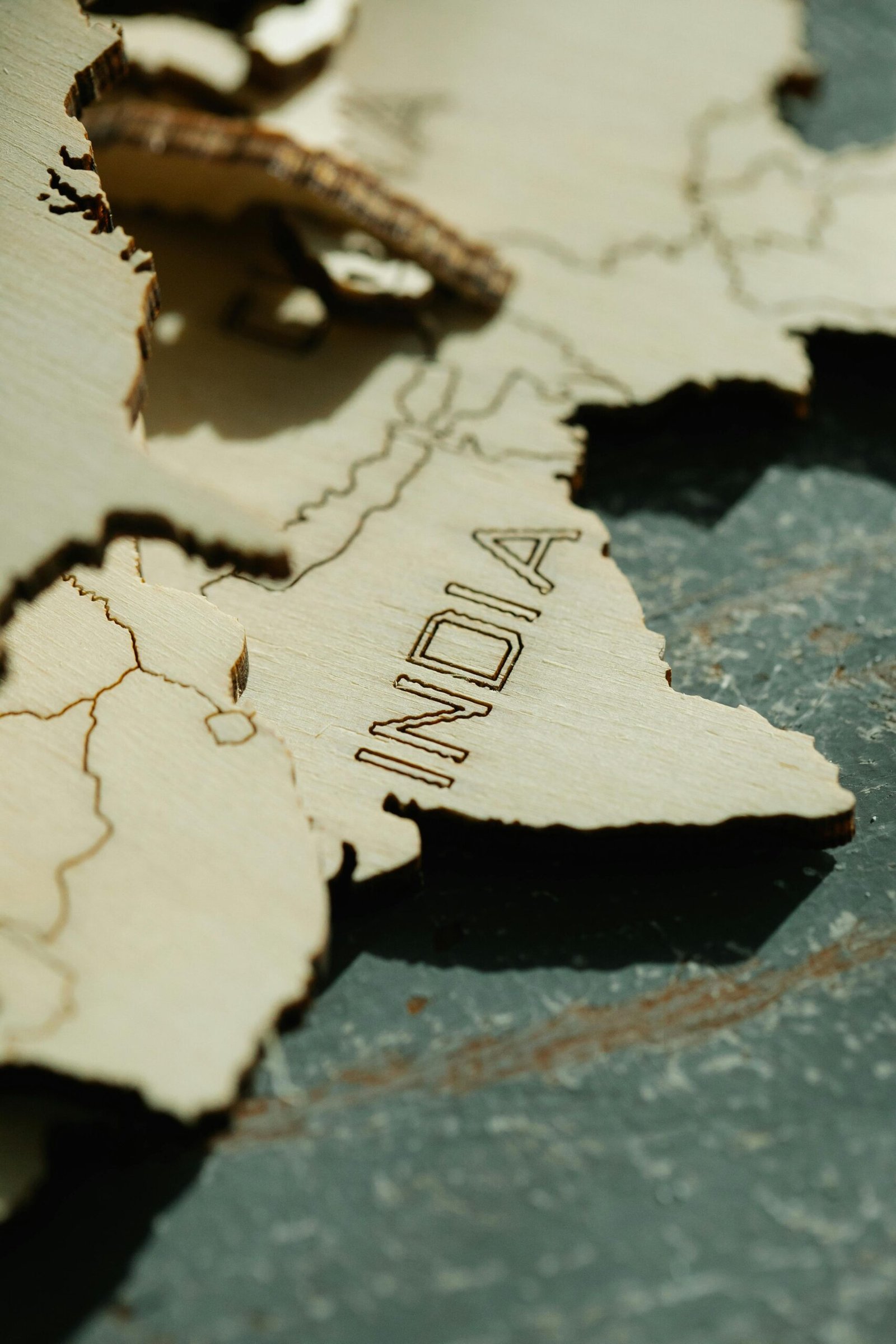
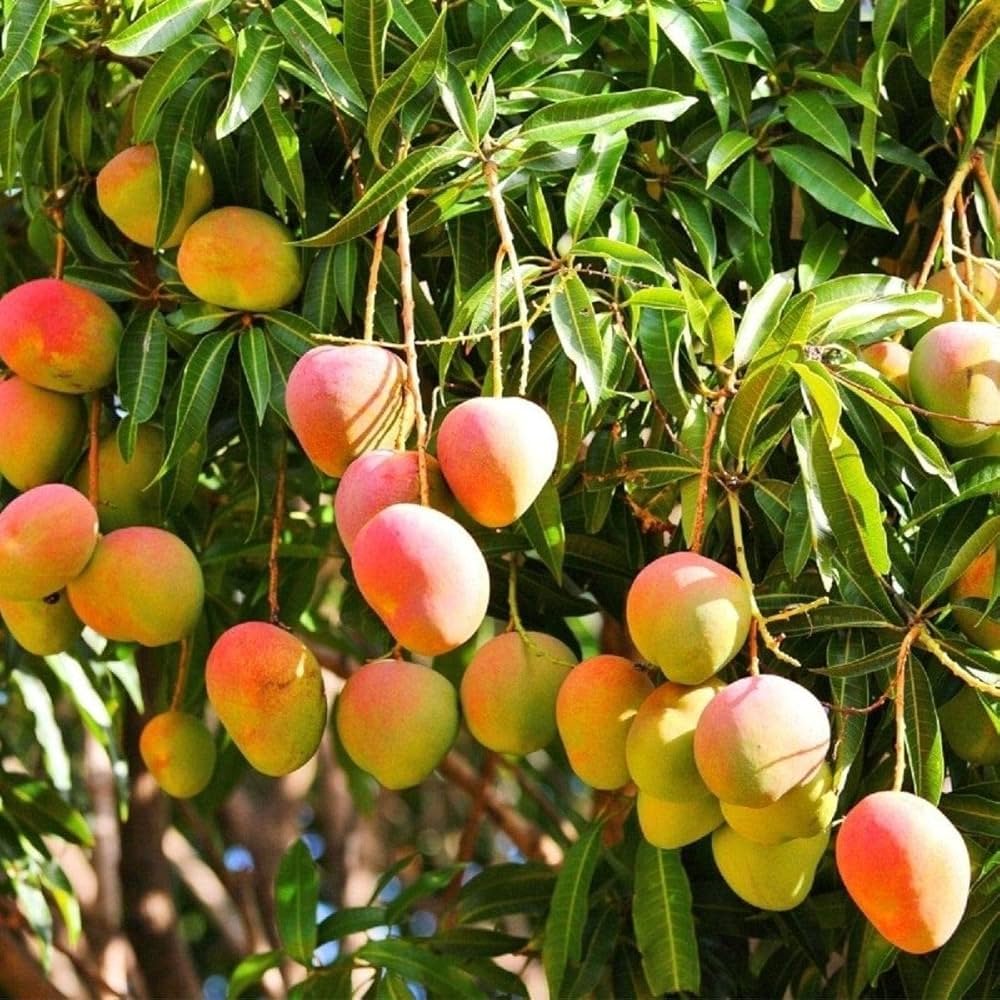
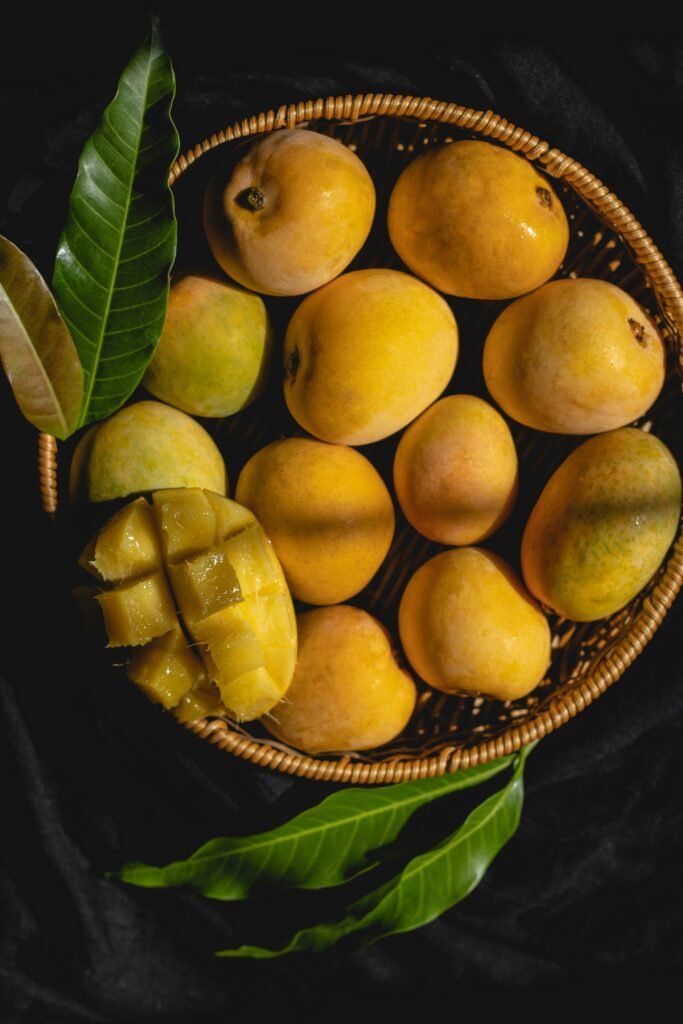
When you hear the name Ratnagiri, one image almost instantly comes to mind—the rich golden Hapus, better known as the Alphonso mango. Revered as the “King of Mangoes,” its journey from a simple fruit to an international delicacy is as fascinating as its flavour. The history of Ratnagiri mangoes is not just about agriculture; it is a story shaped by geography, culture, colonisation, and generations of dedicated farmers.
The Ratnagiri district, perched along the rugged Konkan coast of Maharashtra, has long been blessed with a unique combination of lateritic soil, salty sea breeze, heavy monsoons, and abundant sunshine. For centuries, wild mango varieties grew freely here. But it was during the 17th and 18th centuries that mango cultivation in this region began acquiring a new identity. Local farmers started grafting techniques to improve flavour, texture, and shelf life. These early experiments laid the foundation for what would later become the world-famous Ratnagiri Alphonso.
Interestingly, the turning point came during the Portuguese presence in the Konkan region. The Portuguese were experts in horticulture and introduced advanced grafting methods to local farmers. This exchange of knowledge created a refined, superior variety of mango—smooth, fibreless, aromatic, and with that signature saffron-tinged flesh. According to local legends, the Alphonso mango itself was named after Afonso de Albuquerque, a Portuguese general who played a key role in trade development. Whether this is fact or folklore, one thing is certain: Ratnagiri embraced the fruit like no other region.
By the 19th century, Ratnagiri mangoes had become a prized luxury across royal courts in India. Their aroma filled summer markets in Mumbai, Pune, and Surat, travelling through traditional trade routes carried on bullock carts and boats. But what truly sets Ratnagiri Alphonso apart, even today, is the craftsmanship of the farmers. These are not just cultivators—they are guardians of a legacy. Many orchards are over a century old, maintained using time-tested methods passed down through families.
The evolution of these mangoes continued through India’s independence and into the global marketplace. Modern farmers refined post-harvest techniques, grading systems, and export standards. Soon, Ratnagiri Alphonso became one of India’s most celebrated agricultural exports, especially to the Middle East, Europe, and the United States. The iconic GI (Geographical Indication) tag awarded to Ratnagiri and Devgad Alphonso mangoes only strengthened their reputation, ensuring authenticity and protecting farmers’ heritage.
Today, the story of Ratnagiri mangoes is not frozen in time—it is still evolving. Climate challenges, shifting monsoons, and newer farming technologies are reshaping the future of the beloved Hapus. Yet, despite these changes, every bite of a Ratnagiri Alphonso still carries the essence of its origins—centuries of tradition, coastal winds, craft, and care.
The more one learns about this golden fruit, the more magical it becomes. After all, the Ratnagiri Alphonso is not just a mango; it is history you can taste.