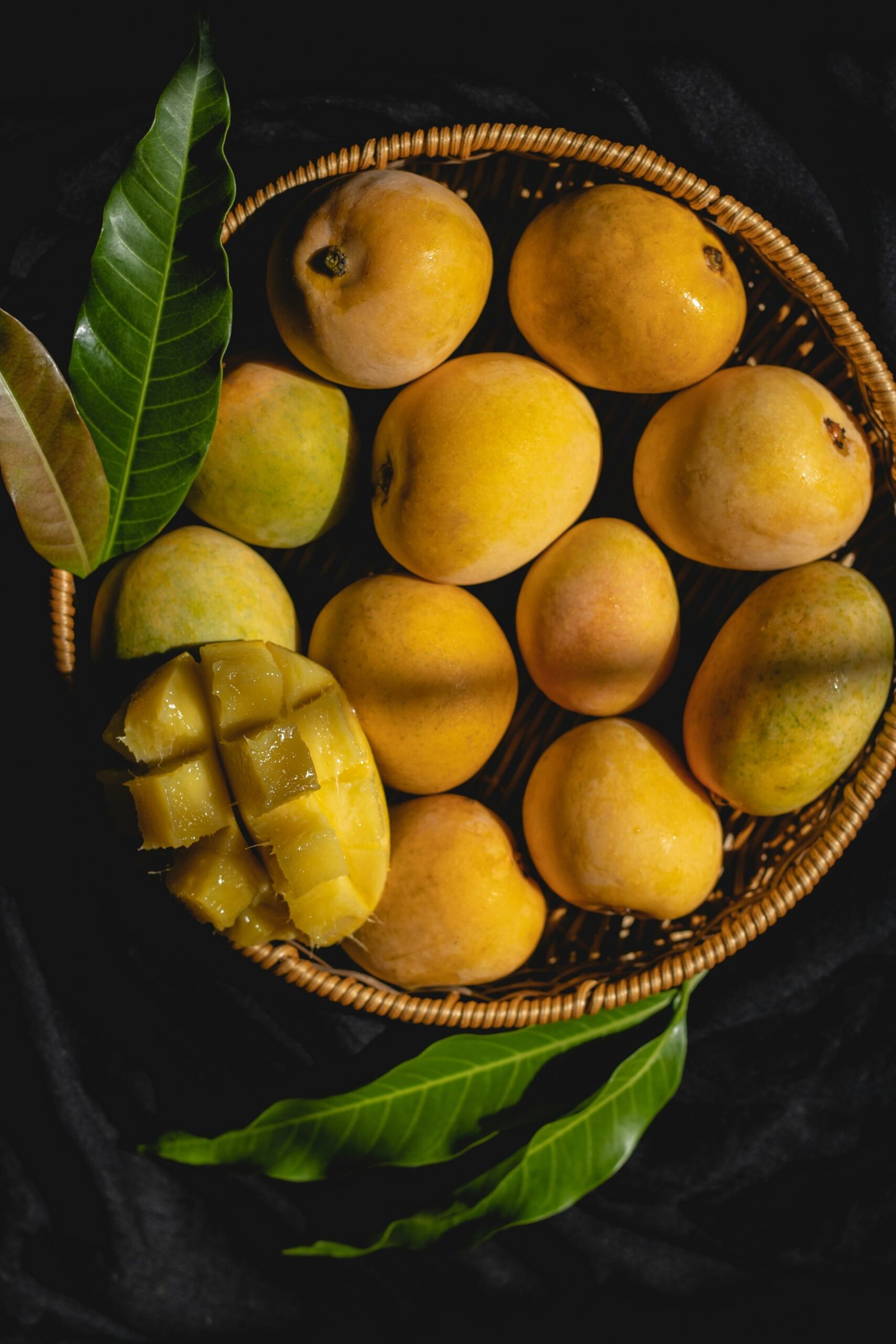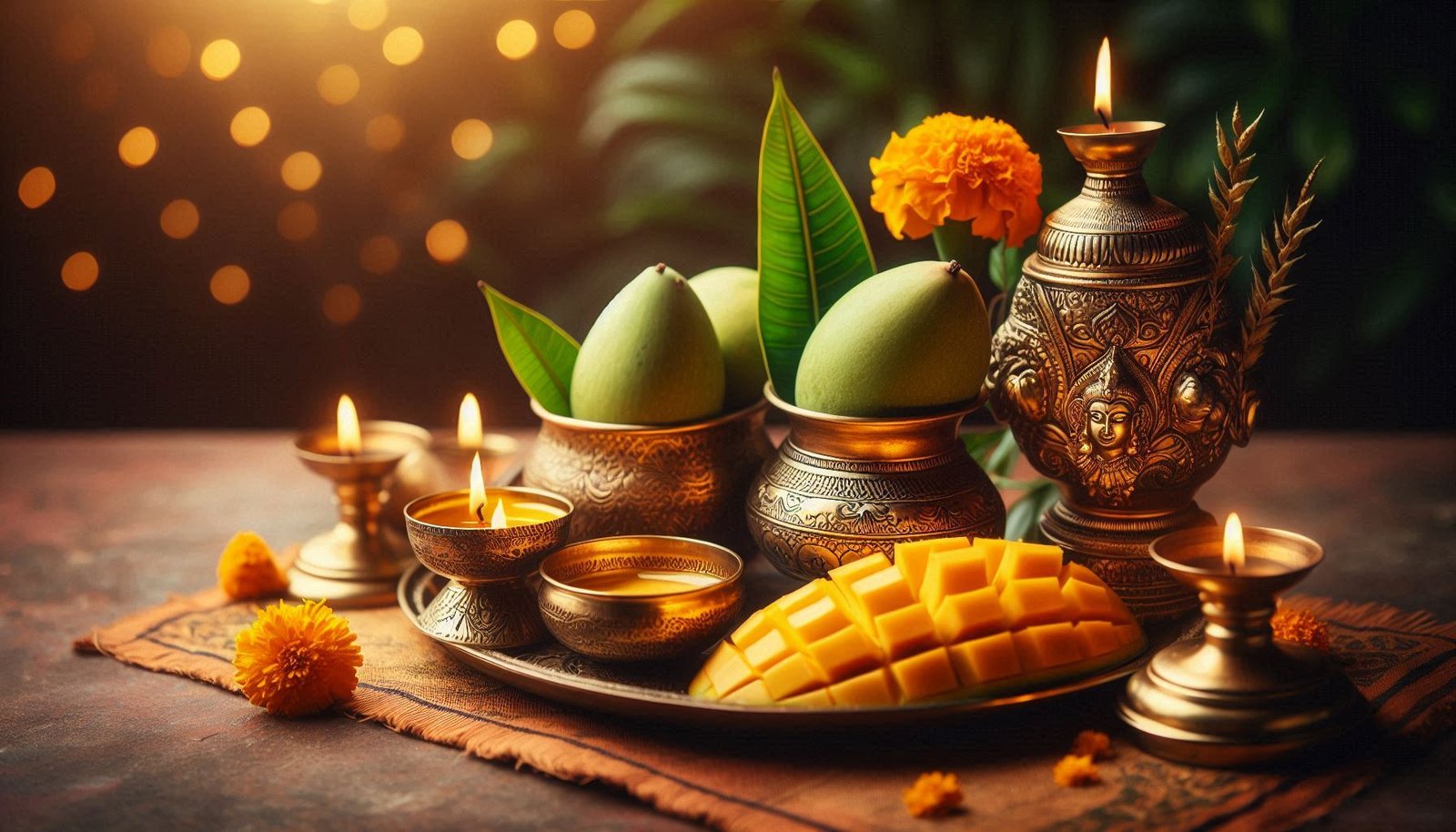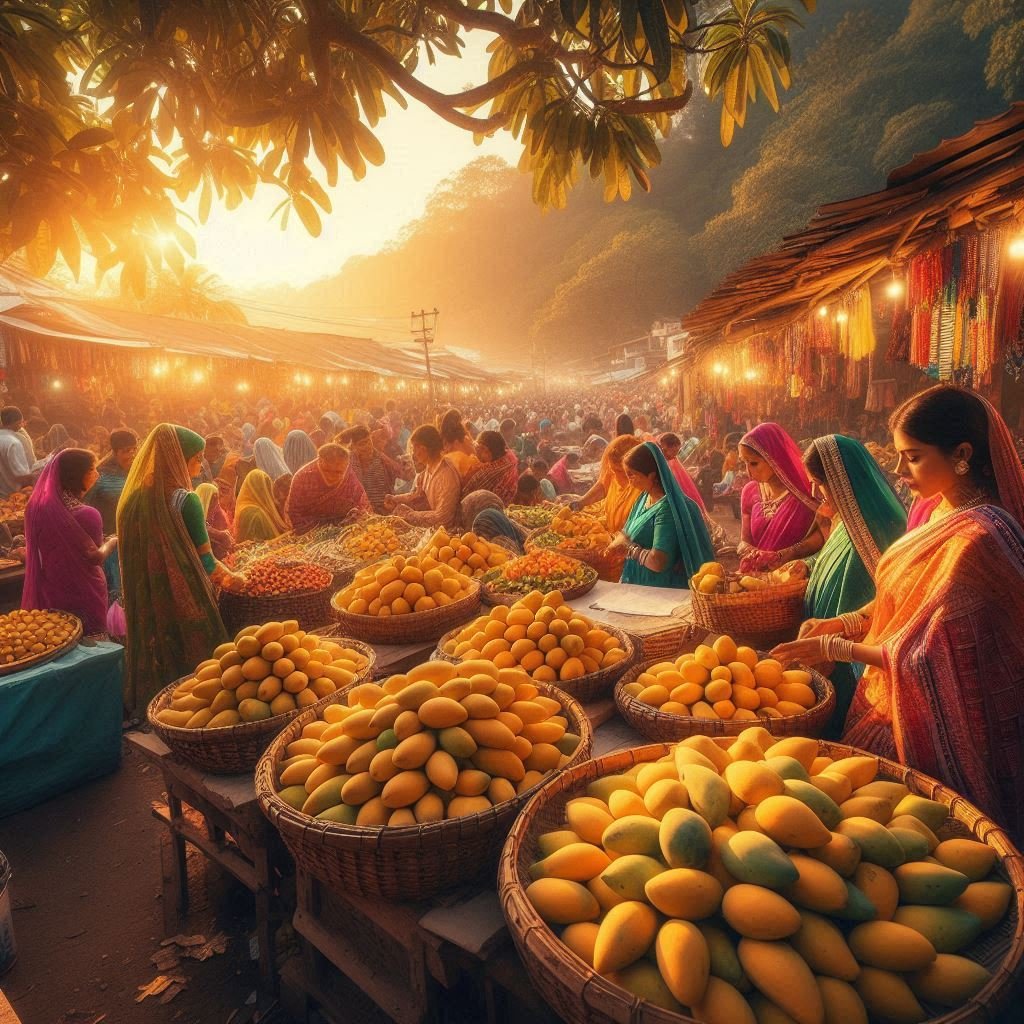
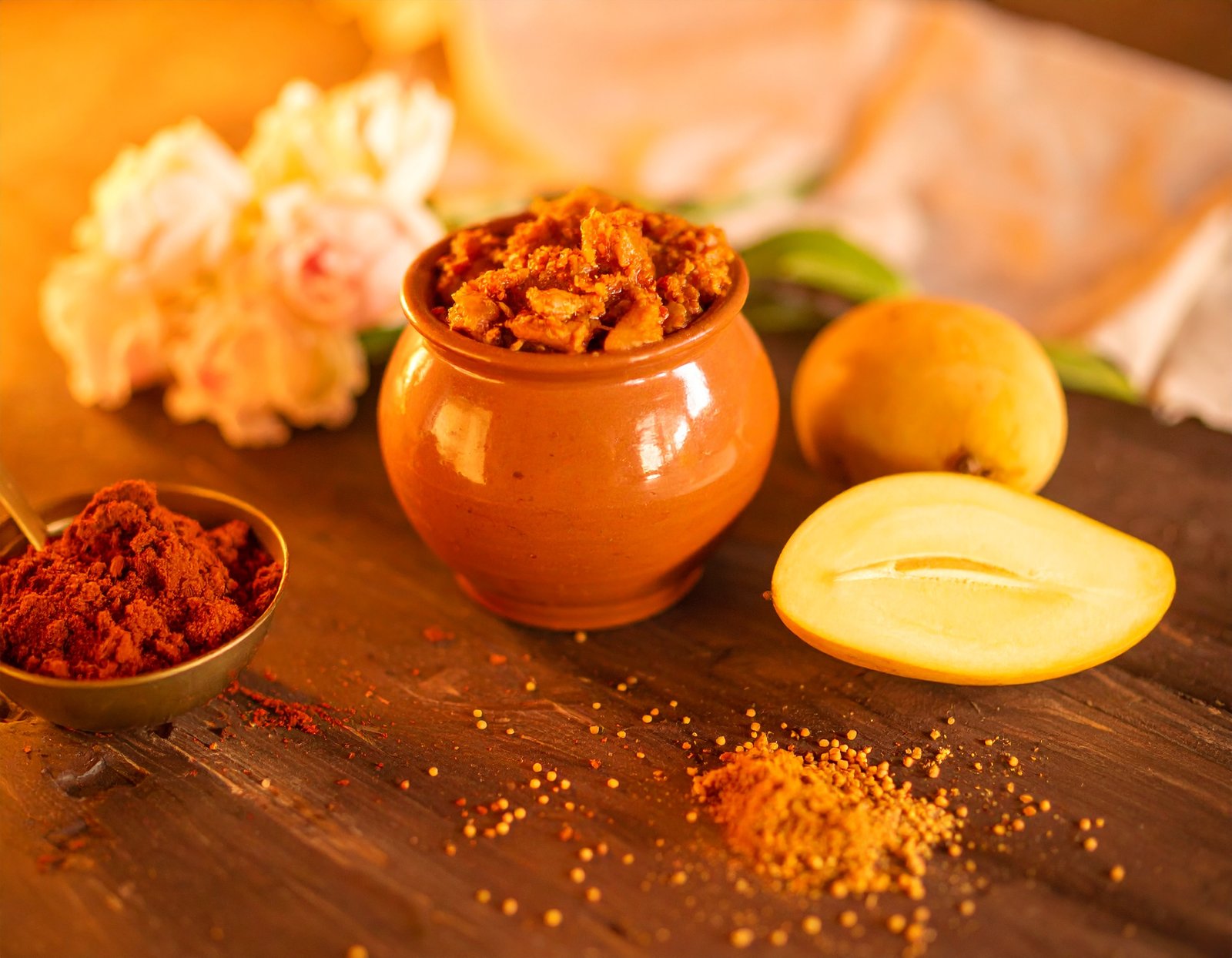
There is a particular kind of anticipation that builds in a Konkan household when the first raw green mangoes appear in January and February — because everyone knows what comes next. Before the Alphonso ripens, before the aamras is made, before the season’s abundance takes center stage, there is the quiet, methodical ritual of making nonche. The Konkani mango pickle — known as ambuli nonche or karmbi nonche — is one of the most ancient and cherished preparations in Konkan cuisine, a recipe that preserves the sharp intensity of the raw mango season in a jar, to be opened and savored across the entire year ahead.
What Makes Konkani Mango Pickle Unique
India has hundreds of mango pickle traditions, from the oil-heavy, fenugreek-rich aam ka achar of North India to the sesame-based pickles of Andhra. The Konkani mango pickle stands distinctly apart from all of them.
The traditional Konkani method is defined by three principles that no other regional pickle shares in combination. First, the use of crystal asafoetida (hing) dissolved in brine rather than asafoetida powder — a technique that produces a deeper, more complex pungency. Second, the process of salting the raw mango pieces first and allowing them to cure and release their natural juices — called aagal in Konkani — before any spice masala is added. This brine is then incorporated into the spice paste itself, creating a self-seasoned pickle masala that is entirely unique to the Konkani tradition. Third, the pickle is made without any additional oil in the karmbi nonche version — relying entirely on the mango’s natural moisture and the brine to carry the flavors — giving it a cleaner, sharper taste than oil-based pickles.
The result is a pickle that is fiercely tangy, deeply spiced, and intensely aromatic — a condiment that can transform the simplest meal of brown rice congee (pyej) or curd rice into something extraordinary.
Ingredients
(Makes one medium glass jar, approximately 500g of pickle)
- 3 to 4 large raw green mangoes — firm, fully mature, intensely sour
- 3 tablespoons rock salt (crystal salt, not iodized table salt)
- ½ teaspoon turmeric powder (haldi)
- 3 tablespoons dried red Byadgi chillies — for deep color and moderate heat
- 2 tablespoons mustard seeds
- ½ teaspoon fenugreek seeds (methi)
- A marble-sized piece of crystal asafoetida (hing), dissolved in 2 tablespoons of the mango brine
- 2 teaspoons red chilli powder (optional, for extra heat)
The Traditional Method — Step by Step
Step 1: Preparing the Raw Mangoes
Wash the raw mangoes thoroughly under running water. Wipe each mango completely dry with a clean cloth — this is not optional, it is essential. Any moisture remaining on the mango skin can introduce fungal contamination that spoils the pickle within days. Once wiped, allow the mangoes to air-dry on a clean dry cloth for 30 minutes.
Do not peel the mangoes. The skin is part of the pickle — it adds pectin, a slight bitterness, and a textural bite that the Konkani pickle is known for. Cut the mangoes into bite-sized cubes approximately 2 cm each, keeping the skin on and discarding only the seed. Transfer to a large dry ceramic or glass bowl.
Step 2: The Salting Process — Making Karmbi
Sprinkle rock salt and turmeric over the mango pieces and toss well to coat evenly. Cover the bowl with a clean dry cloth and set aside at room temperature for 5 to 6 hours — or overnight for a deeper cure. During this time, the salt draws moisture from the mango, creating a natural brine (aagal) that pools at the bottom of the bowl. The mango pieces — now softened, deeply seasoned, and called karmbi in Konkani — are pungently sour and intensely salty at this stage. Reserve the brine carefully — it is the backbone of the spice masala.
Step 3: Making the Spice Masala
Dry roast the mustard seeds and fenugreek seeds separately in a heavy pan over medium heat until aromatic — mustard seeds until they begin to pop, fenugreek until just golden. Do not over-roast, as fenugreek turns bitter quickly. Remove and allow to cool completely before grinding.
Grind the roasted mustard, fenugreek, and dried red Byadgi chillies in a dry grinder into a fine powder. In a separate bowl, dissolve the crystal asafoetida in 2 tablespoons of the reserved mango brine. Add this dissolved asafoetida to the ground spice powder, then add the remaining brine gradually — blending until you reach a thick, semi-smooth paste. The masala should be intensely aromatic, fiery, and sharp-smelling. Add red chilli powder at this stage if additional heat is desired.
Step 4: Combining and Maturing
Add the cured mango pieces (karmbi) to the masala paste and mix thoroughly with a clean, completely dry spoon. Ensure every piece of mango is generously coated with the spice paste. Transfer to a clean, dry glass jar and seal tightly. Keep at room temperature for 48 hours before tasting — this resting period allows the sourness of the mango and the heat of the spices to blend into each other, creating the characteristic flavor depth that makes Konkani pickle so addictive.
Step 5: Storing
The karmbi nonche tastes best between Day 2 and Day 7 and stays good at room temperature for up to 2 weeks when handled with scrupulously dry utensils. For longer storage, refrigerate in a sealed glass jar and use within 3 months. Always use a dry spoon to remove pickle — a single drop of water in the jar can ruin the entire batch.
The Foods That Make It Complete
In Konkan households, karmbi nonche has its most natural home alongside pyej — the traditional brown rice congee that is Konkan’s most comforting everyday meal. The pickle’s sharp, fiery intensity cuts beautifully through the mild, slightly earthy sweetness of the congee, creating a combination that is far more than the sum of its parts. It is equally magnificent with neer dosa, curd rice, plain steamed brown rice, or even as a bold accompaniment to dal and chapati.
Why You Should Make This Instead of Buying It
Every commercially produced mango pickle — regardless of how premium its branding — is a compromise. It is made with standardized spice ratios calibrated for mass palatability, preserved with additives, and manufactured months before it reaches your table. The karmbi nonche you make at home is none of these things. It carries the specific sourness of the mango variety you chose, the freshness of mustard seeds ground that morning, and the satisfaction of a process unchanged since your grandmother’s grandmother first made it in a Konkan kitchen — and that, ultimately, is something that no supermarket shelf can replicate.