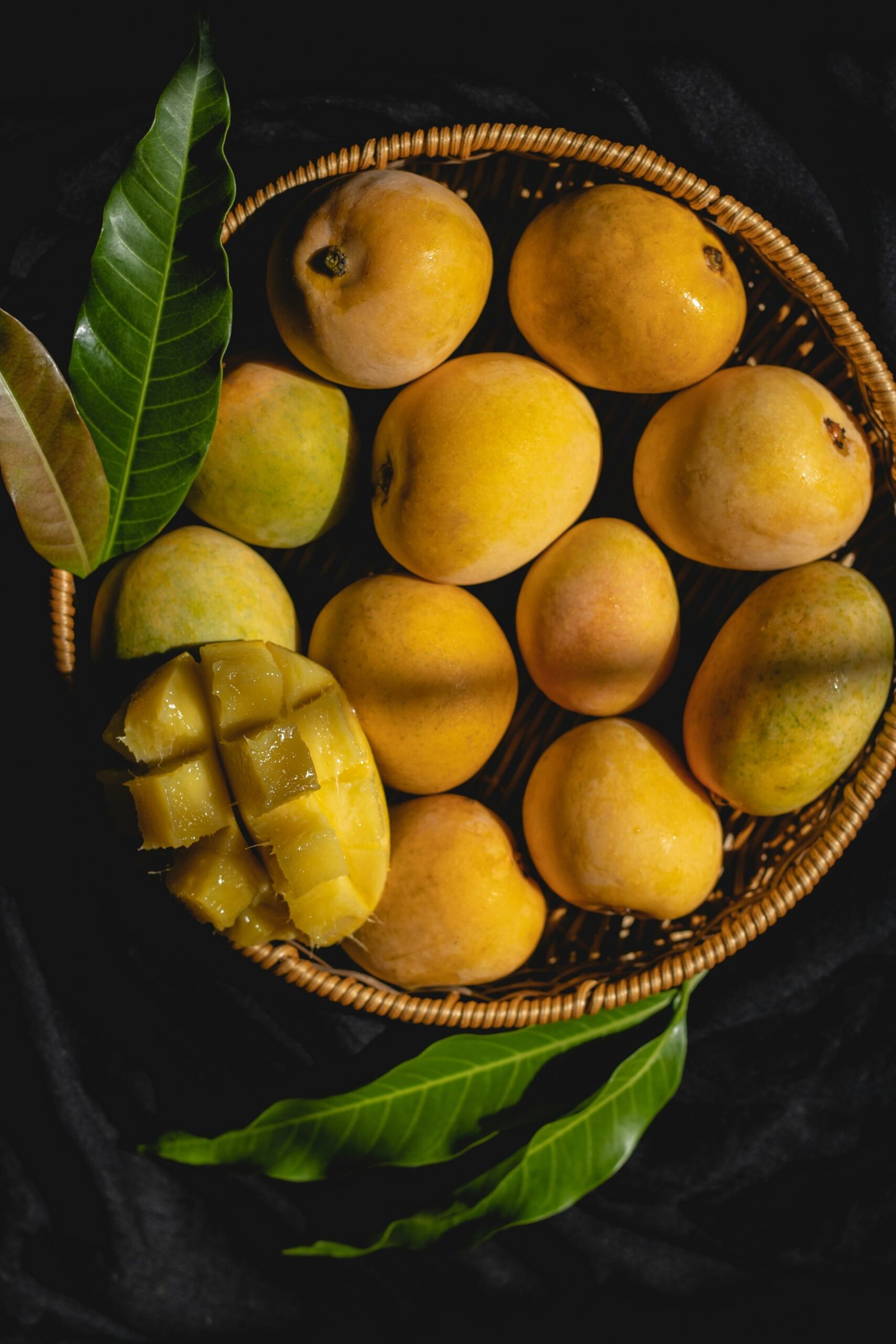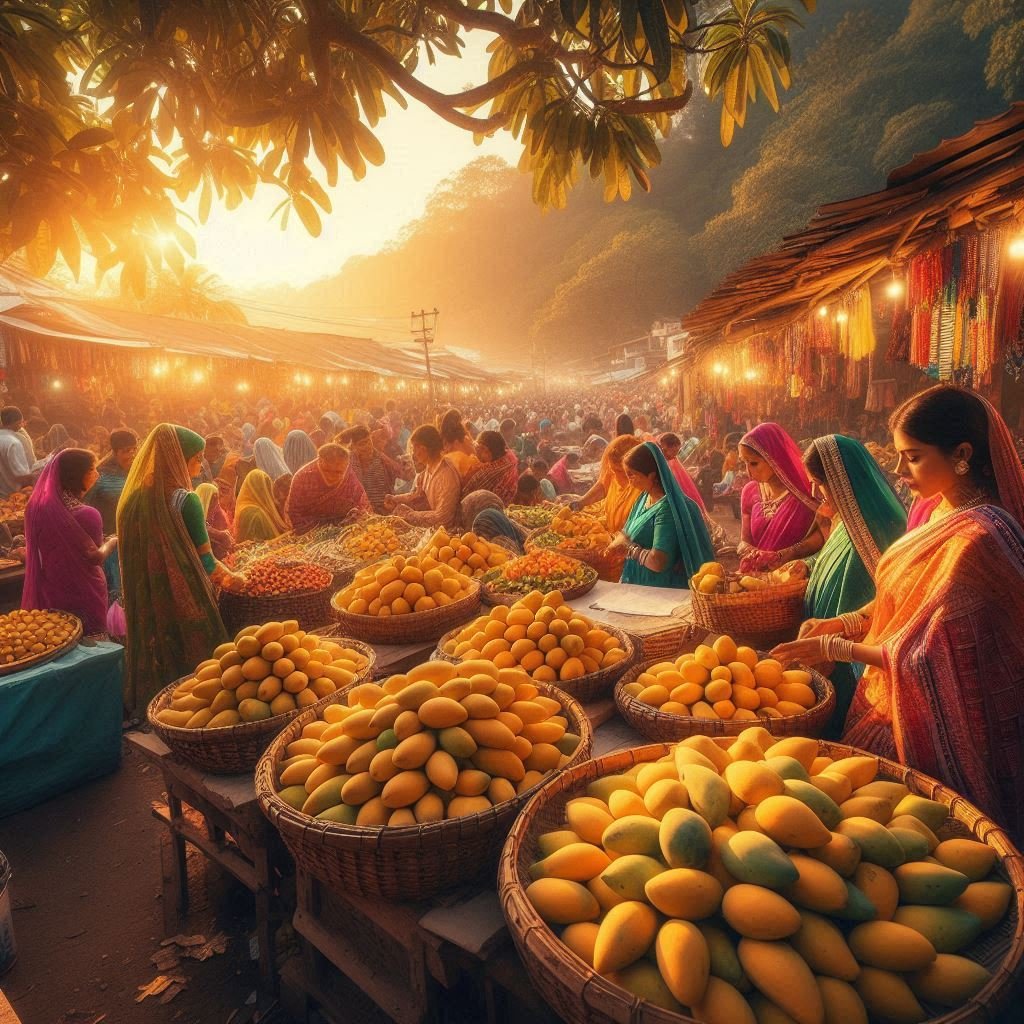
The mango in your hand has a history that most brands prefer not to discuss. It began in soil — laterite red, mineral-rich, irreplaceable — that was either nurtured or mined for short-term yield. It grew on a tree that was either managed with chemical inputs that accumulated in the soil and surrounding water table, or tended through practices that left the land more productive than they found it. It was harvested by hands that were either fairly compensated for their knowledge and labor, or treated as interchangeable seasonal labor in a supply chain optimized for margin. And it reached you either through a cold chain that prioritized speed and volume, or through a direct relationship between farmer and consumer built on the premise that both deserve to know where their food comes from.
At Kokan Samrat, we chose the harder version of every one of those decisions — and this article explains exactly what that means in practice.
The Soil First: Why Laterite Cannot Be Replaced
The Alphonso mango’s extraordinary sensory profile — its fragrance, its fiber-free pulp, its precise sweetness-acid balance — is not primarily the product of the variety. It is the product of the laterite soil of Ratnagiri and Sindhudurg. Laterite is a mineral-complex, well-drained, slightly acidic soil that accumulates over geological timescales. It cannot be manufactured, imported, or substituted. It can only be maintained, or degraded.
Chemical fertilizers applied in excess disrupt the soil’s pH balance, reduce its microbial diversity, and — over successive seasons — progressively diminish the very mineral profile that produces the mango’s distinguishing characteristics. This is the central contradiction of high-input mango farming: the chemicals that boost yield in the short term destroy the soil conditions that make the yield worth producing. At Kokan Samrat, our orchards are managed without synthetic chemical fertilizers. We use farm-produced compost — incorporating mango waste, leaf matter, and organic green material — to build soil organic content season after season, returning to the earth what the harvest takes from it.
Soil health is not a philosophical commitment for us. It is the direct prerequisite of the fruit quality we promise — and we cannot deliver one without protecting the other.
Pest Management: Integration, Not Elimination
Mango orchards in Konkan face a genuine and complex pest pressure across the season — mango hoppers, fruit flies, powdery mildew, and anthracnose are consistent challenges that no responsible grower can ignore. The conventional response is broad-spectrum pesticide application — effective in the short term, economically catastrophic in the long term through soil accumulation, resistance development, beneficial insect destruction, and consumer health risk.
At Kokan Samrat, we follow Integrated Pest Management (IPM) principles — a science-backed approach that addresses pest pressure through the minimum effective intervention, prioritizing biological and cultural controls over chemical ones. IPM for mango includes:
- Pheromone traps for fruit fly population monitoring and targeted disruption — eliminating the need for broad-spectrum insecticide sprays that kill beneficial pollinators alongside pest species
- Neem-based botanical sprays for powdery mildew and hopper management — effective, biodegradable, and residue-free on harvested fruit
- Orchard floor management — maintaining clean inter-row spacing to reduce pest harborage sites and fungal spore carryover between seasons
- Canopy pruning after harvest to improve airflow, reduce disease pressure in the following season, and direct the tree’s energy toward next year’s fruit rather than excessive vegetative growth
Where a specific intervention is unavoidable, we select the narrowest-spectrum product available, applied at the minimum effective rate, with full traceability documentation of what was applied, when, and at what concentration. Nothing is applied in the pre-harvest window that would leave detectable residues on fruit.
No Carbide. No Exceptions.
This requires no elaboration beyond the facts, but the commitment deserves to be stated explicitly: Kokan Samrat has never used calcium carbide or any artificial ripening agent on any fruit we have dispatched, and we never will.
Every mango we dispatch is harvested at the correct firm-ripe biological maturity stage — identified by the orchard’s experienced hands through fragrance, skin color character, and the specific gravity test — and allowed to complete its ripening naturally over 5 to 6 days at ambient temperature. The nutritional case for this is documented: naturally ripened mangoes contain 31 percent more Vitamin C, 54 percent more malic acid, and significantly higher mineral and fiber content than calcium carbide-treated fruit, with twice the shelf life. But the ethical case is simpler: our customers pay for a naturally ripened Alphonso. We are obligated to deliver exactly that.
Fair Treatment of the People Who Grow the Fruit
Ethical farming is not only a relationship between farmer and land. It is equally a relationship between the farming operation and the people whose knowledge and labor make it productive. Mango cultivation in Konkan is intensely skill-dependent — from the pruning decisions that determine next season’s flowering to the pre-dawn harvest windows that protect fruit quality — and the people who hold this knowledge deserve compensation and conditions that reflect its value.
At Kokan Samrat, the family and the farming community around our orchards are not seasonal contractual labor in the conventional sense. The people who tend these trees know them individually — they know which branches bear first, which trees need additional compost support in a dry year, which fruits are ready before the color signals it. This knowledge is irreplaceable. Our farm model treats it as such, through consistent engagement, fair payment for skilled work, and the stability of a direct-to-consumer sales model that removes the intermediary pressures that typically squeeze the farmer’s margin in the mandi system.
The Farm-to-Doorstep Model: Why Directness Is an Ethical Choice
The conventional mango supply chain involves the farmer, a village aggregator, a regional trader, a city wholesaler, a retailer, and finally the consumer — with margin extracted at every step and quality compromised at several of them. At Kokan Samrat, we dispatch directly from orchard to customer. Mangoes are harvested in the morning, graded by hand for fragrance, skin character, and density, packed the same day, and dispatched for delivery within 24 to 48 hours.
This directness is not simply a logistics model. It is an ethical position. It means the farmer receives a fair price because the intermediary chain is eliminated. It means the customer receives a fruit at the correct ripeness stage because the supply chain is short enough to allow it. And it means full traceability — every customer who orders from Kokan Samrat can know exactly which orchard their mangoes came from, which season’s harvest it was, and how it was managed.
Sustainability Beyond the Season
Sustainability, in genuine practice, is not a single-season commitment — it is a multi-generational one. The laterite soil that produces today’s Alphonso harvest was built over centuries. Our responsibility is to return it to the next generation of Konkan farmers in better condition than we received it.
This means accepting the yield limitations that organic management imposes in drought years rather than reaching for synthetic inputs to compensate. It means investing in orchard infrastructure — rainwater harvesting channels, composting systems, windbreak tree cover — that builds resilience against the increasingly unpredictable monsoon patterns that climate change is delivering to the Konkan coast. It means operating a farm that a Konkan child can inherit as a productive asset rather than a degraded, chemically exhausted piece of laterite that can no longer support the tree that made it famous.
The Alphonso mango is not simply a product of Konkan Samrat’s farming operation. It is a product of the Konkan coast’s soil, climate, history, and farming intelligence accumulated over generations. Our obligation is to that entire inheritance — and to the customers who trust us to honor it in every box we dispatch.