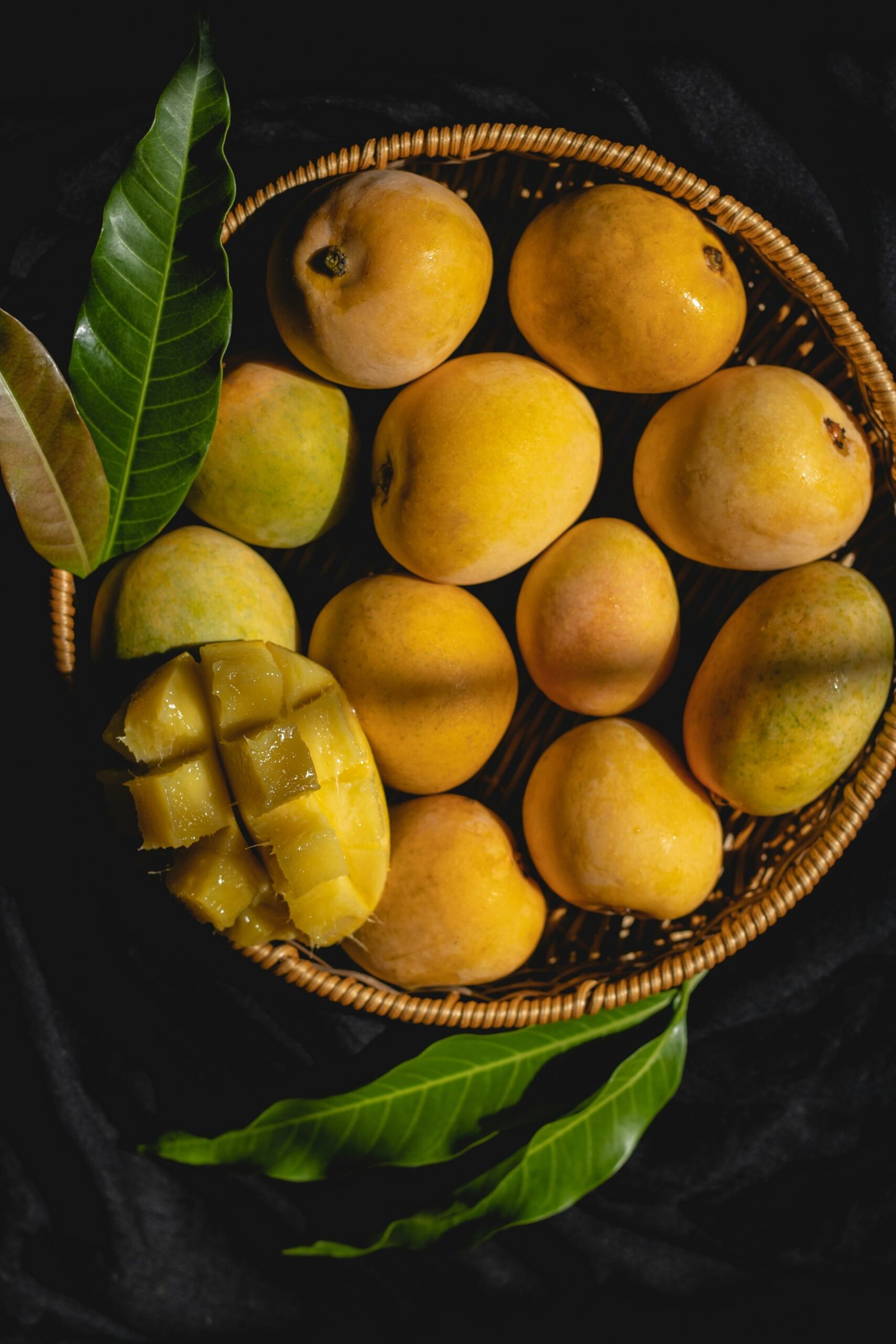
Behind every perfectly ripened Alphonso mango that arrives at a customer’s door is a story that begins not in a warehouse or a distribution centre — but in the hands of a farmer who rose before sunrise to walk through an orchard that his family has tended for generations. At Kokan Samrat, this farmer is not a supplier in a supply chain. He is a partner, a custodian of knowledge, and the living foundation upon which everything the brand represents is built. Supporting local farmers in Ratnagiri and across the Konkan coast is not a corporate social responsibility initiative for Kokan Samrat — it is the very reason the brand exists.
The Reality Facing Konkan’s Mango Farmers Today
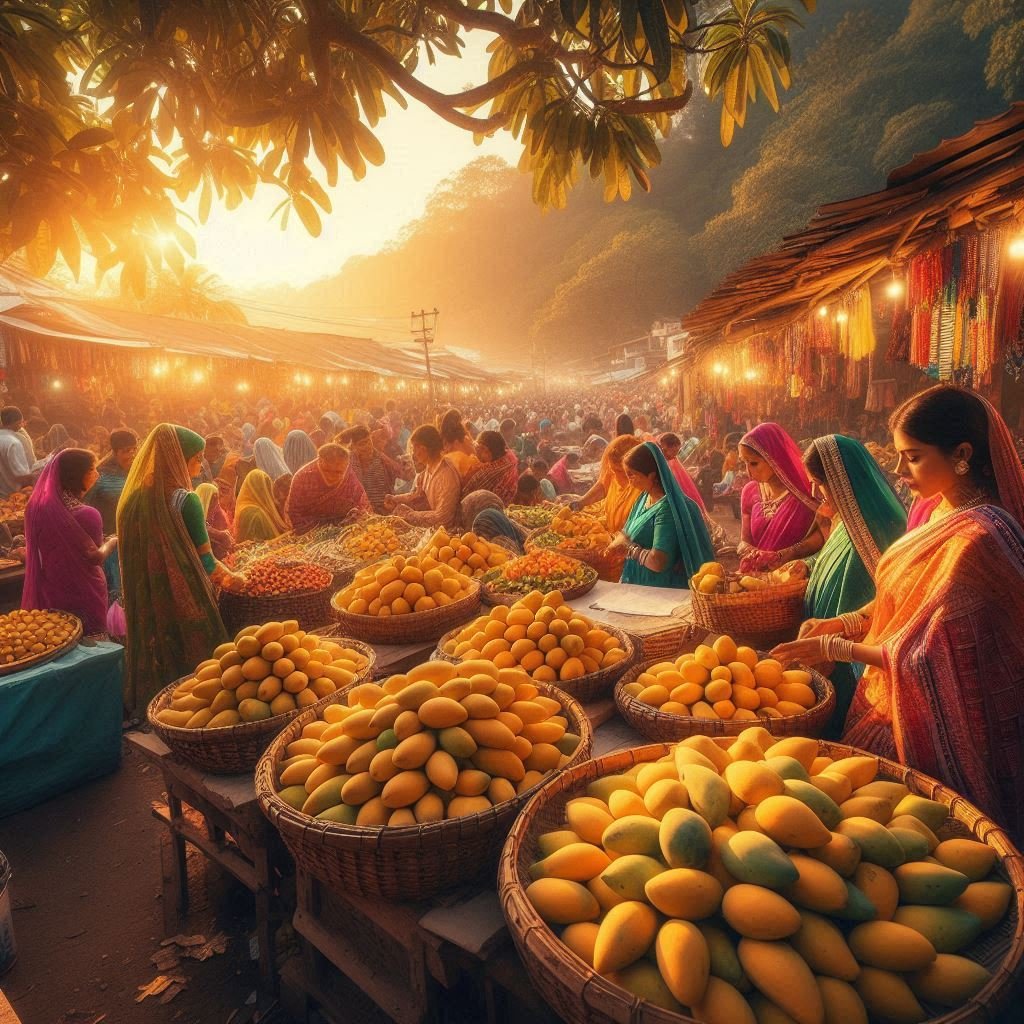
The Alphonso mango is celebrated globally as the world’s finest mango variety — yet the farmers who grow it have historically occupied the most economically vulnerable position in its value chain. Traditional market structures in India’s agricultural sector place small-scale mango farmers at a significant disadvantage. Middlemen and commission agents — positioned between the farmer and the consumer — extract margins that dramatically reduce the income reaching the hands that actually grew the fruit.
A farmer selling through conventional mandi channels may receive ₹300–₹500 per dozen for Grade A Alphonso mangoes that retail in Mumbai or exported markets at three to four times that price. The difference — the lion’s share of the value created by years of cultivation, seasonal risk, and skilled farming — flows to intermediaries rather than the people who earned it.
This structural inequality is the problem Kokan Samrat was built to address.
Fair Pricing: Returning Value to the Farmer
The most direct and meaningful way Kokan Samrat supports local farmers is through a transparent, fair pricing model that eliminates unnecessary intermediary layers and ensures that a substantially greater proportion of the consumer’s payment reaches the farmer directly.
By building direct procurement relationships with Alphonso mango farmers across Ratnagiri and surrounding Konkan villages, Kokan Samrat bypasses the multi-layer middleman system that has historically compressed farmer income. Farmers selling through Kokan Samrat’s direct procurement model receive prices that reflect the genuine quality of their fruit — with Grade A Alphonso mangoes priced to reward the farming standards and ecological care that produce exceptional fruit rather than simply market volumes.
This fair pricing is not charity — it is the economically logical recognition that sustainable farming quality requires sustainable farming income. Farmers who receive fair prices invest in their orchards, their families, and their communities. That investment compounds over seasons into the kind of generational farming excellence that Konkan’s mango heritage demands.
Knowledge Sharing: Empowering Farmers With Skills and Information
Financial support alone does not build a farming community capable of producing world-class Alphonso mangoes season after season. Knowledge — practical, current, and directly applicable — is equally essential. Kokan Samrat actively invests in farmer education through several interconnected initiatives:
Organic Farming Transition Support
Farmers partnering with Kokan Samrat who wish to transition from conventional to organic farming receive hands-on guidance, input support, and patient accompaniment through the three-year certification transition period — a phase that many farmers abandon due to the financial and technical challenges of navigating alone. Kokan Samrat’s commitment to walking this journey alongside its farming partners removes the most significant barriers to organic adoption.
Integrated Pest Management Training
Workshops and field demonstration sessions on IPM practices — biological controls, pheromone trap deployment, neem-based spray preparation, and companion planting strategies — equip farmers with the practical tools to reduce chemical dependency while maintaining effective pest management. This knowledge reduces input costs, improves fruit quality, and strengthens each farmer’s long-term economic resilience.
Post-Harvest Handling Education
A significant proportion of Alphonso mango value is lost at the post-harvest stage through improper handling, inadequate packaging, and premature ripening during transport. Kokan Samrat provides training in careful hand-harvesting techniques, proper maturity assessment, grading standards, and packaging methods that protect fruit integrity from orchard to customer — directly increasing the proportion of each harvest that achieves premium Grade A classification.
Market Access: Opening Doors That Were Previously Closed
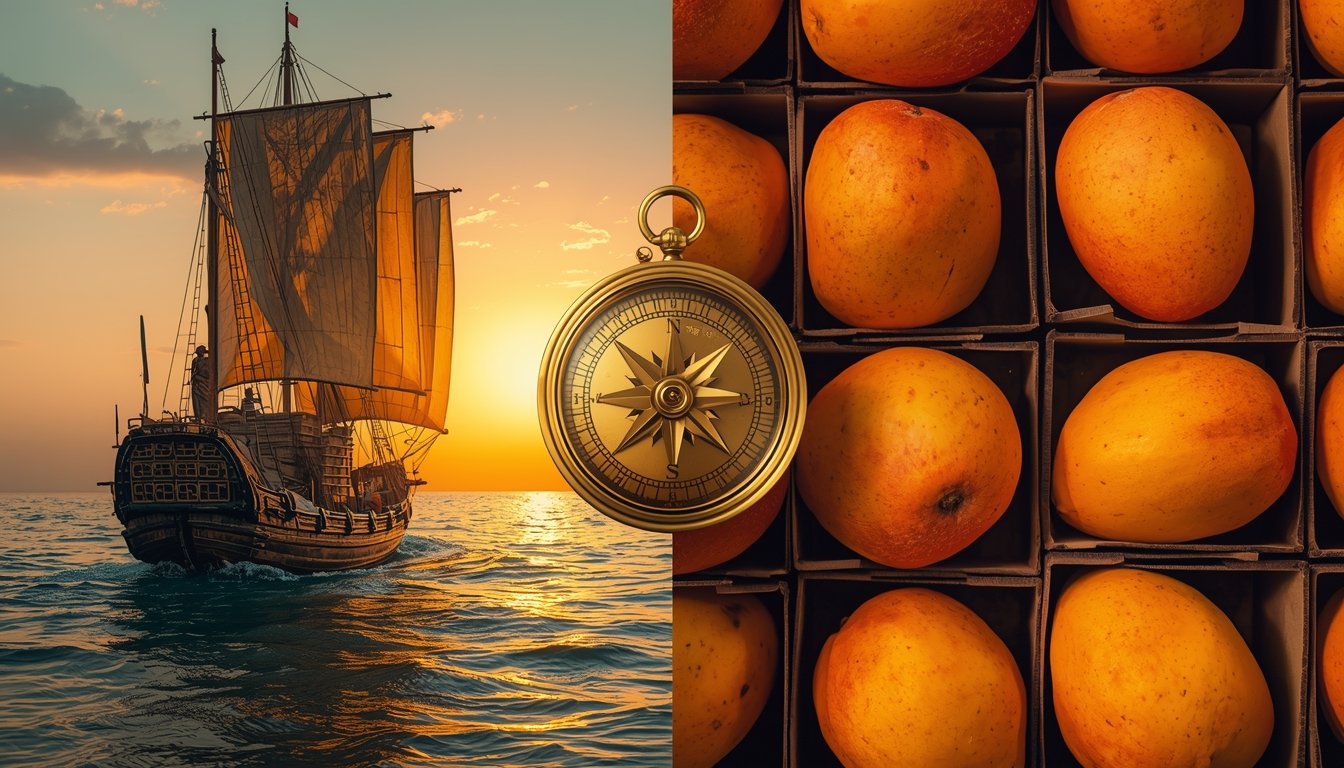
For a small-scale mango farmer in a Ratnagiri village, accessing premium domestic markets in Mumbai, Pune, and Delhi — let alone international export buyers in the United Kingdom, UAE, or the United States — is practically impossible without institutional support. The logistics, documentation, quality certification, and buyer relationships required for premium market access demand scale and infrastructure that individual farmers cannot develop independently.
Kokan Samrat’s market access function is therefore one of its most transformative contributions to local farming communities. By aggregating the production of partner farmers under a unified quality standard and trusted brand identity, Kokan Samrat unlocks premium market channels for fruit that would otherwise enter commodity markets at commodity prices.
A farmer whose Alphonso mangoes meet Kokan Samrat’s quality standards gains access to customers who value and pay for that quality — a direct income uplift that reshapes what is economically possible for farming families who have worked the same land for generations.
Preserving Traditional Farming Knowledge
Konkan’s mango farming heritage carries within it centuries of accumulated wisdom — about pruning timing, flowering management, soil reading, water conservation, and the subtle seasonal signals that tell an experienced farmer what a tree needs before it shows visible symptoms. This knowledge exists not in textbooks but in the hands, eyes, and memory of farmers who learned it from their parents, who learned it from theirs.
Kokan Samrat actively works to document, honour, and perpetuate this traditional agricultural knowledge — integrating it alongside modern sustainable farming practices in a way that strengthens rather than displaces the farming identity that makes Konkan’s orchards unique. Farmer story features, oral history documentation, and the deliberate inclusion of experienced farmer voices in farming decisions ensure that institutional knowledge is preserved and transmitted rather than lost to the pressure of modernisation.
Community Beyond the Orchard
Kokan Samrat’s support for local farmers extends into the fabric of the broader community. Prioritising employment for local farming families — for harvesting, grading, packaging, and farm maintenance work — ensures that mango season income circulates within Ratnagiri’s rural economy rather than flowing outward. Supporting local ancillary businesses, from packaging suppliers to transport operators, further deepens the brand’s economic roots in the community it serves.
When Kokan Samrat grows as a brand, the growth is not extracted from Konkan — it is reinvested into it. This is the only model of agricultural business that the farmers, the land, and the mango itself deserve.
A Brand Built on Partnership, Not Transaction
The relationship between Kokan Samrat and Ratnagiri’s mango farming community is not transactional. It is a genuine, long-term partnership built on shared values — a belief that the finest Alphonso mangoes can only come from the most supported, most respected, and most economically secure farming families. Every fair price paid, every knowledge session delivered, every market door opened, and every farmer story told publicly is an expression of that partnership.
When you choose Kokan Samrat, you are not simply buying a mango. You are participating in a model of food commerce that puts the farmer where they have always deserved to be — at the centre of the value they create, honoured for the work that no one else can do, and supported for the generations of excellence they represent.