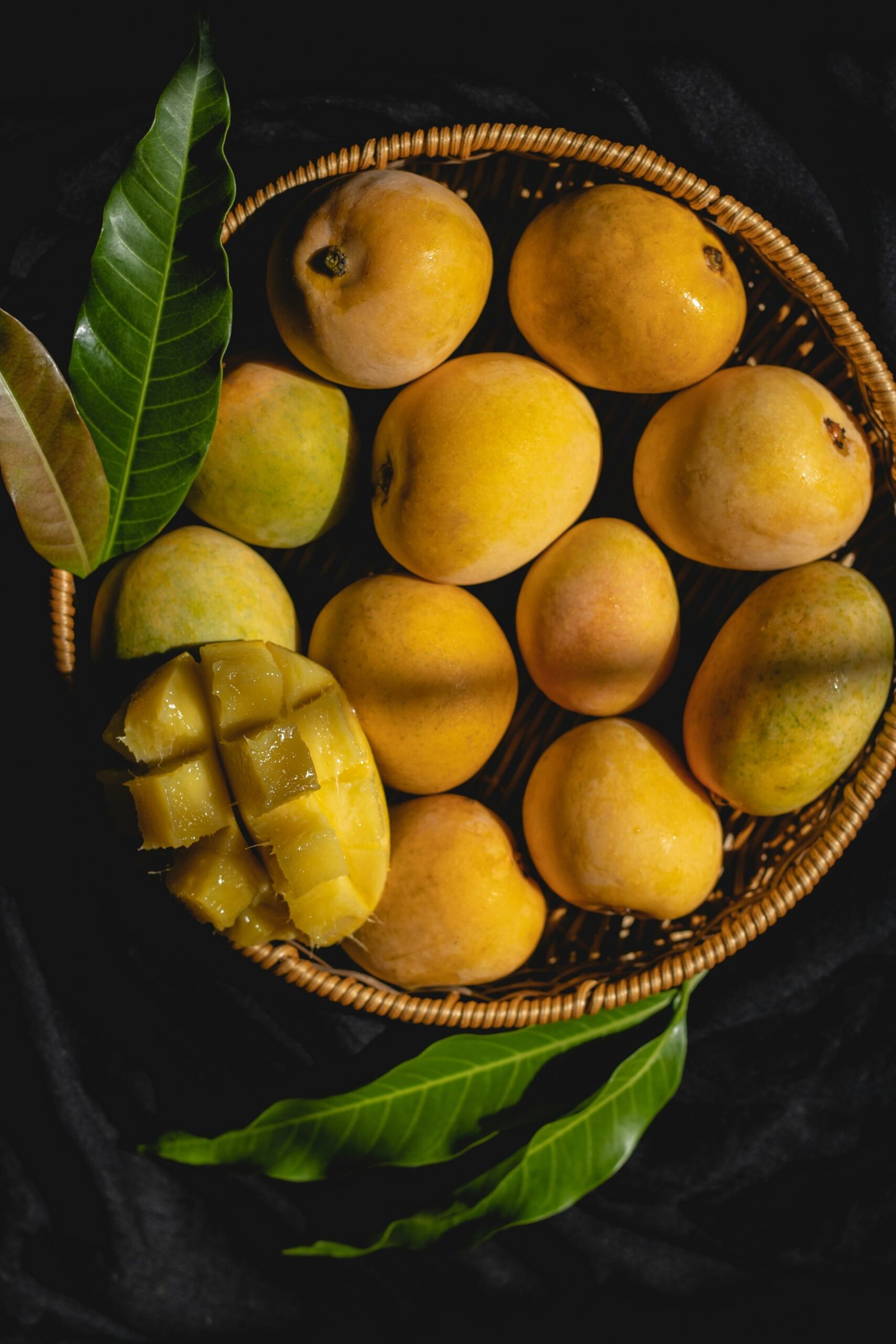
There are condiments that sit quietly in the back of the refrigerator and condiments that transform every meal they touch. Mango chutney belongs firmly in the second category. Sweet, tangy, warmly spiced, and vibrantly golden, a well-made mango chutney elevates everything it accompanies — from grilled paneer and roasted chicken to a simple spread of crackers and cheese. The best part? Making mango chutney at home is far simpler than most people assume, and the homemade result is so superior to anything available in a store that you’ll never look at a jar of commercial chutney the same way again. This complete step-by-step guide covers everything you need — from ingredient selection to perfect consistency and long-term storage.
What Is Mango Chutney and Why Make It at Home?
Mango chutney is a cooked condiment made from mangoes — most traditionally raw or semi-ripe — combined with sugar or jaggery, vinegar or citrus, and a blend of spices that varies beautifully by region and family tradition. Unlike raw mango pickle, which relies on salt and oil for preservation, chutney uses cooking and the combination of sugar and acid to achieve shelf stability and a complex, jammy flavour profile.
Making mango chutney at home gives you complete control over sweetness, spice intensity, consistency, and ingredients — ensuring a product entirely free of preservatives, artificial colour, and the excessive sugar loads that characterise most commercial versions. A homemade chutney made with Alphonso or raw Konkan mango carries a depth of flavour and freshness that factory-produced alternatives simply cannot replicate.
Choosing the Right Mango for Chutney
The mango variety and ripeness stage you choose fundamentally shapes the character of your chutney.
Raw green mango produces a sharper, more intensely tart chutney with firm texture pieces and vivid acidity — ideal for savoury applications alongside grilled meats, dal, and rice dishes.
Semi-ripe mango — just beginning to colour but still firm — delivers a balanced sweet-tart chutney that works brilliantly as a dipping sauce, sandwich spread, or cheese board accompaniment.
Fully ripe Alphonso mango creates a sweeter, more aromatic chutney with a naturally jammy consistency — exceptional as a dessert accompaniment or glaze for baked preparations.
For the most versatile, crowd-pleasing result, semi-ripe Alphonso or Payri mangoes from Konkan orchards are the ideal choice — their natural balance of sweetness and acidity creates a chutney of exceptional character.
Ingredients for Classic Indian Mango Chutney
This recipe produces approximately 2 standard jars of chutney with balanced sweet, sour, and spicy notes:
Core Ingredients:
- 500g raw or semi-ripe mango — peeled and diced into 1cm cubes
- 200g jaggery — grated (or substitute raw sugar for a lighter colour)
- 3 tablespoons apple cider vinegar or white vinegar
- 1 teaspoon salt
Spice Blend:
- 1 teaspoon mustard seeds
- 1 teaspoon cumin seeds
- 1 teaspoon red chilli powder — adjust to preferred heat level
- ½ teaspoon turmeric powder
- ½ teaspoon coriander powder
- ¼ teaspoon garam masala
- ¼ teaspoon asafoetida (hing)
- 1-inch piece fresh ginger — finely grated
- 3 garlic cloves — finely minced
- 2 tablespoons neutral oil — coconut or sunflower
Optional Additions:
- A small handful of raisins — for sweetness and texture depth
- 1 tablespoon fresh lime juice — for brightness
- A pinch of black salt — for Konkan-inspired complexity
Step-by-Step Method
Step 1: Prepare and Salt the Mango
Peel, stone, and dice your mangoes into uniform 1cm cubes — consistency in size ensures even cooking. Place diced mango in a bowl, sprinkle with half the salt, and set aside for 15 minutes. This draws out excess moisture and concentrates the mango’s natural flavour before cooking begins.
Step 2: Build the Spice Base
Heat oil in a heavy-bottomed pan over medium flame. Add mustard seeds and wait for them to splutter — this releases their full aromatic potential. Add cumin seeds, allow them to sizzle for 20 seconds, then add asafoetida, grated ginger, and minced garlic. Stir continuously for 60–90 seconds until the raw garlic smell transforms into a golden, nutty fragrance.
Step 3: Add Dry Spices
Reduce flame to low. Add turmeric, coriander powder, red chilli powder, and the remaining salt. Stir quickly for 30 seconds — this blooms the spices in the hot oil, developing their full flavour before any liquid is added. Do not allow spices to burn at this stage.
Step 4: Add Mango and Cook Down
Add the salted mango pieces to the spiced oil and stir thoroughly to coat every piece. Increase flame to medium and cook uncovered for 8–10 minutes, stirring regularly, until the mango begins to soften and release its juices.
Step 5: Add Jaggery and Vinegar
Add grated jaggery and vinegar to the softened mango. Stir until jaggery dissolves completely — this will take 2–3 minutes. The mixture will immediately become more liquid as jaggery melts. If using raisins or lime juice, add them at this stage.
Step 6: Simmer to Perfect Consistency
Reduce flame to low-medium and simmer uncovered for 20–25 minutes, stirring every few minutes to prevent the bottom from catching. The chutney is ready when:
- It has thickened to a jammy, spoonable consistency
- The mango pieces have softened but retain some texture
- The colour has deepened to a rich amber-gold
- A spoon dragged across the pan base leaves a clear line that holds for 3–4 seconds
Add garam masala in the final two minutes of cooking — adding it earlier causes its delicate aromatic compounds to cook off and lose impact.
Step 7: Jar and Store
While the chutney is still hot, carefully ladle it into sterilised glass jars — washed in hot water, oven-dried at 100°C for 15 minutes, and cooled before filling. Fill to within 1cm of the rim, wipe the jar necks clean, and seal immediately with sterilised lids. Allow to cool completely at room temperature before refrigerating.
Storage and Shelf Life
Properly prepared and jarred mango chutney stores as follows:
- Unopened, refrigerated: Up to 3 months with full flavour retention
- Opened jar, refrigerated: Consume within 4–6 weeks for best quality — always use a clean, dry spoon
- Room temperature storage: Only recommended in cool conditions away from direct sunlight; refrigeration is strongly preferred for homemade chutney without commercial preservatives
The chutney’s flavour develops and deepens noticeably over the first 5–7 days after making — the spices continue melding and the sweet-sour balance settles into its most harmonious form. Resist consuming the entire jar immediately.
Creative Ways to Serve Mango Chutney
Once your chutney is made, its versatility across meals is genuinely impressive:
- Grilled paneer or chicken glaze — brush on during the final minutes of cooking for a sweet, sticky, caramelised finish
- Cheese board centrepiece — pairs magnificently with sharp aged cheddar, brie, and crackers
- Sandwich and wrap spread — replaces mayonnaise with infinitely more character
- Dal and rice accompaniment — a small spoonful alongside simple dal transforms an everyday meal
- Appetiser dipping sauce — serve alongside samosas, pakoras, or spring rolls
- Salad dressing base — whisk with olive oil and lime juice for a vibrant, tropical vinaigrette
A Jar Worth Making
Homemade mango chutney is one of those kitchen projects that delivers satisfaction at every stage — the fragrance of spices blooming in oil, the gradual transformation of raw mango into a glossy, jewel-toned condiment, the first taste test where every element comes together in perfect balance. Made with premium Alphonso or Konkan raw mango — ideally from naturally farmed sources like Kokan Samrat’s Ratnagiri orchards — the result is a chutney of extraordinary quality that carries the full character of the fruit and the season in every spoonful.
Make a batch this mango season. Gift a jar to someone who loves food. And keep one in your refrigerator as a reminder that the finest condiments are always the ones made by hand, with the finest ingredients, at exactly the right time of year.