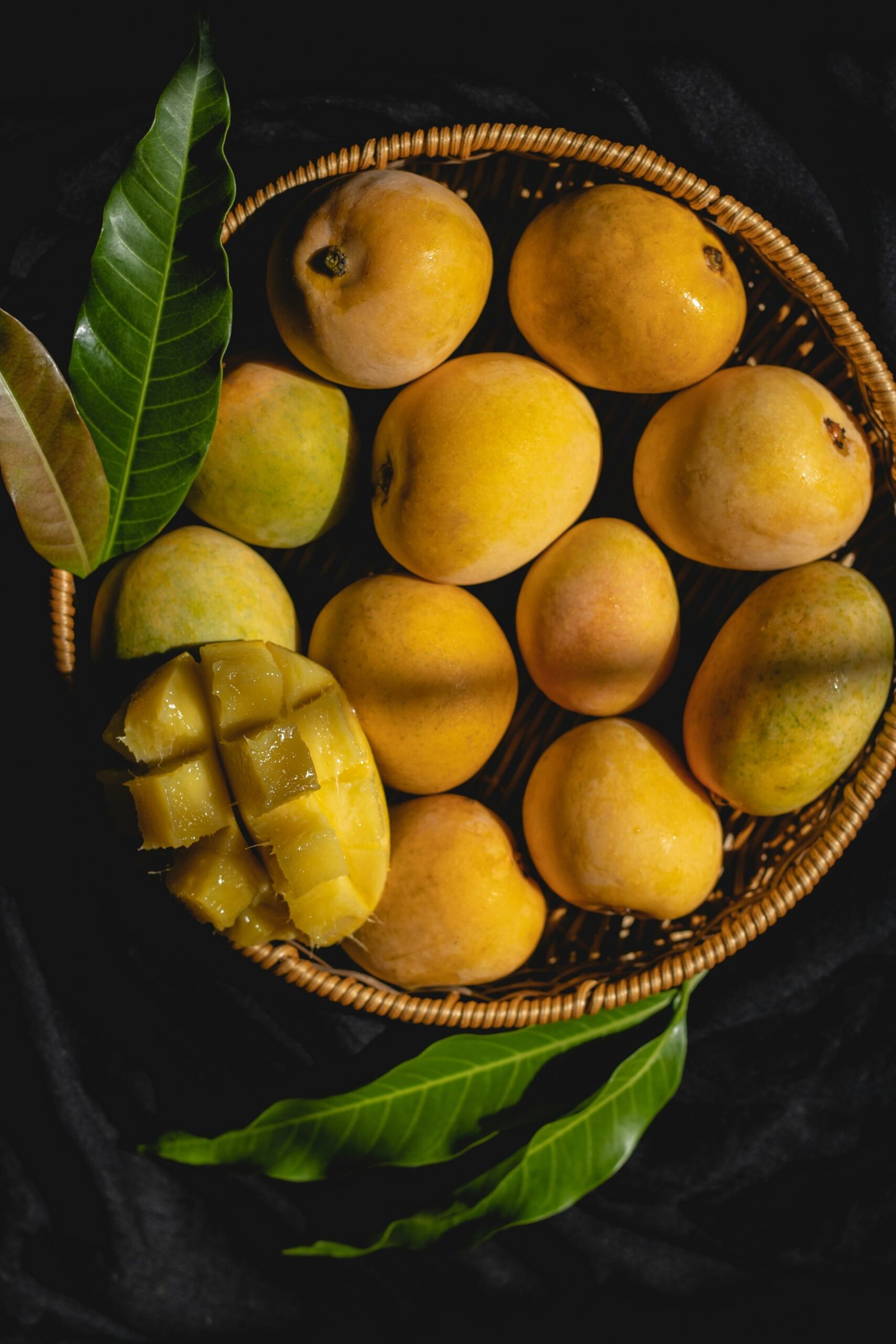
A perfectly ripe Alphonso mango is one of the most fleeting pleasures in the culinary calendar. One day it is fragrant, golden, and yielding — the next, it has slipped past its peak into an overripe softness that no amount of refrigeration can reverse. The difference between experiencing a mango at its absolute best and watching it deteriorate prematurely almost always comes down to one thing: how you store it. This guide covers every storage method — from the simplest room-temperature techniques to cutting-edge preservation science — to help you protect every mango you buy and enjoy maximum freshness from the first crate to the very last fruit.
The Fundamental Rule: Ripeness Decides Everything
Before any storage decision, you must answer one question: is your mango ripe or unripe? This single factor determines the correct storage environment entirely — and confusing the two is the most common mistake mango buyers make.
An unripe mango — firm to the touch, green-shouldered, without fragrance — is a living fruit still undergoing active biochemical ripening. It must be stored at room temperature, away from direct sunlight, in a cool, dry spot with adequate airflow. Placing an unripe mango in the refrigerator is counterproductive and damaging: cold temperatures below 13°C interrupt the enzymatic ripening process, cause chilling injury — a condition characterized by uneven ripening, pitting, grey discoloration, and off-flavors in the flesh — and permanently compromise the fruit’s ability to ripen properly even when removed. The rule is absolute: never refrigerate an unripe mango.
A ripe mango — fragrant, shoulder-soft, yielding gently to thumb pressure — has completed its ripening program and must now be slowed down. Refrigerate it promptly at 8–12°C in the crisper drawer. At this temperature, a ripe Alphonso will remain at peak quality for 5 to 7 days. Remove it from the refrigerator 15–20 minutes before eating to allow the fruit to return to room temperature — cold suppresses aroma compounds, and a truly great Alphonso deserves to be experienced at its full fragrant potential.
Ripening Unripe Mangoes at Home: Control the Process
If you’ve bought firm, unripe mangoes — a smart strategy for bulk buying during peak season at lower prices — you can actively manage the ripening timeline at home with a few simple techniques.
The paper bag method is the most reliable home ripening accelerator. Place unripe mangoes in a brown paper bag with one apple or ripe banana. The apple or banana continuously releases ethylene gas — the same natural plant hormone that triggers the mango’s own internal ripening cascade. Trapped inside the paper bag, this ethylene concentration accelerates the mango’s ripening by one to two days compared to open-air room temperature storage. Check daily and remove fruits as they reach desired softness.
The straw or paddy husk method is the traditional Konkan farming approach — burying unripe mangoes in dry straw, rice husks, or even dry sand creates a warm, moisture-regulated microenvironment that concentrates the fruit’s self-generated ethylene and produces exceptionally uniform, gentle ripening over five to seven days. This method remains the preferred choice for ripening large quantities of Alphonso mangoes in Ratnagiri’s orchards and post-harvest facilities.
For controlled, sequential ripening of a large batch — say, a full box of 12 Alphonso mangoes bought at season’s peak — stagger your storage deliberately: keep half at room temperature to ripen first, refrigerate the other half immediately (only if already ripe or near-ripe), and you’ll have perfectly ripe mangoes available across a ten to fourteen day window rather than all at once.
Storing Cut Mango: The Airtight Imperative
Once a mango is cut and its flesh is exposed to air, the oxidation clock starts immediately. Exposed mango flesh will brown and deteriorate within 2 to 3 hours at room temperature and within 2 to 3 days in the refrigerator if not stored correctly.
The correct protocol is straightforward but non-negotiable:
- Transfer cut mango pieces to an airtight container immediately after cutting — never leave them in an open bowl
- Add a squeeze of fresh lime or lemon juice over the cut surfaces before sealing; the citric acid slows oxidative browning and preserves the fruit’s vibrant color
- Refrigerate immediately at 4–8°C and consume within 2 to 3 days for optimal texture and flavor
- Do not mix cut mango with other fruits in the same container — mangoes release ethylene that will accelerate ripening and spoilage in neighboring fruits
Freezing Mangoes: The Six-Month Strategy
Freezing is the single most effective method for preserving the full flavor and nutrition of Alphonso mangoes well beyond the season — and when done correctly, frozen Ratnagiri mango is extraordinary in smoothies, sorbets, and desserts months after harvest.
The correct freezing process requires one critical step that most people skip: flash freezing before bagging.
- Peel and slice or cube ripe mangoes into uniform pieces
- Spread pieces in a single layer on a parchment-lined baking tray — pieces must not touch each other
- Place the tray in the freezer for 2 to 4 hours until each piece is individually frozen solid
- Transfer the individually frozen pieces to labelled, airtight freezer bags with as much air squeezed out as possible before sealing
- Store at -18°C or below for up to 6 months
The flash-freeze step is essential because it prevents pieces from clumping into an unusable solid mass — allowing you to remove exactly the quantity you need for any recipe without thawing the entire batch. Frozen mango chunks used directly from the freezer in a blender produce a naturally thick, sorbet-like smoothie consistency that fresh mango cannot replicate.
Mango puree ice cubes are an equally brilliant freezing strategy. Blend ripe mango pulp until smooth, pour into ice cube trays, freeze until solid, then transfer cubes to labelled freezer bags. Each cube delivers approximately one tablespoon of concentrated mango flavor — perfect for adding individually to yogurt, milkshakes, cocktails, or mango lassi on demand throughout the year.
The Cutting-Edge Frontier: What Science Is Doing for Mango Storage
Beyond home methods, food science is actively developing new preservation techniques that are already transforming commercial mango storage — and some are beginning to trickle into accessible home use.
Ozonated water treatment — developed by researchers at Edith Cowan University and published in 2025 — involves dipping mangoes in ozone-infused water for just 10 minutes before cold storage. This simple treatment extends mango cold storage life to 28 days — double the conventional 14-day cold storage window — while reducing chilling injury by 40% compared to untreated mangoes stored at the same temperature. The ozonation sanitizes the fruit’s surface, neutralizes ethylene, and dramatically slows microbial activity. While not yet commercially widespread in India, this research signals a near-future in which home ozone water purifiers could extend fresh mango shelf life significantly.
Controlled Atmosphere (CA) storage — already deployed by India’s premium mango exporters — stores mangoes in chambers with precisely regulated oxygen (3–7%), carbon dioxide (5–8%), temperature (13°C), and relative humidity (85–90%). Under CA conditions, Alphonso mangoes achieve a storage life of 3 to 6 weeks — triple the conventional cold storage window — enabling exporters to supply international markets throughout a longer seasonal window. India’s cold storage infrastructure for mangoes expanded by 25% in major exporting states by March 2025, contributing to export volumes of 32,104 MT valued at USD 60.14 million in 2023–24.
Modified Atmosphere Packaging (MAP) — where individual mango fruits or trays are sealed in films that regulate the oxygen, CO₂, and moisture environment around the fruit — is increasingly used by premium supermarket chains and has demonstrated superior performance in maintaining firmness, visual quality, and delayed disease progression compared to standard cold storage.
The Storage Hierarchy: A Quick Reference
| Storage Scenario | Method | Shelf Life |
|---|---|---|
| Unripe mango | Room temperature, paper bag optional | 4–7 days to ripen |
| Ripe whole mango | Refrigerator crisper, 8–12°C | 5–7 days |
| Cut mango with lime juice | Airtight container, refrigerator | 2–3 days |
| Frozen mango cubes | Flash freeze, airtight bag, -18°C | Up to 6 months |
| Frozen mango puree cubes | Ice cube tray, -18°C | Up to 6 months |
| CA commercial storage | 13°C, controlled atmosphere | 3–6 weeks |
| Ozonated water + cold storage | 5°C, ozonated pre-treatment | Up to 28 days |
Every Mango Deserves to Be Eaten at Its Best
Storing mangoes correctly is not a complicated science — but it is a precise one. The right temperature at the right ripeness stage, the right container for cut fruit, and the right technique for long-term preservation are all that stand between a perfectly experienced Alphonso and a wasted one. During the brief, brilliant window of mango season, every fruit you buy represents months of orchard care and a farmer’s entire season of effort.
Handle it with the knowledge it deserves. Store it with intention. And eat it at the exact moment it is perfect — because that moment, once passed, does not come again until next season.