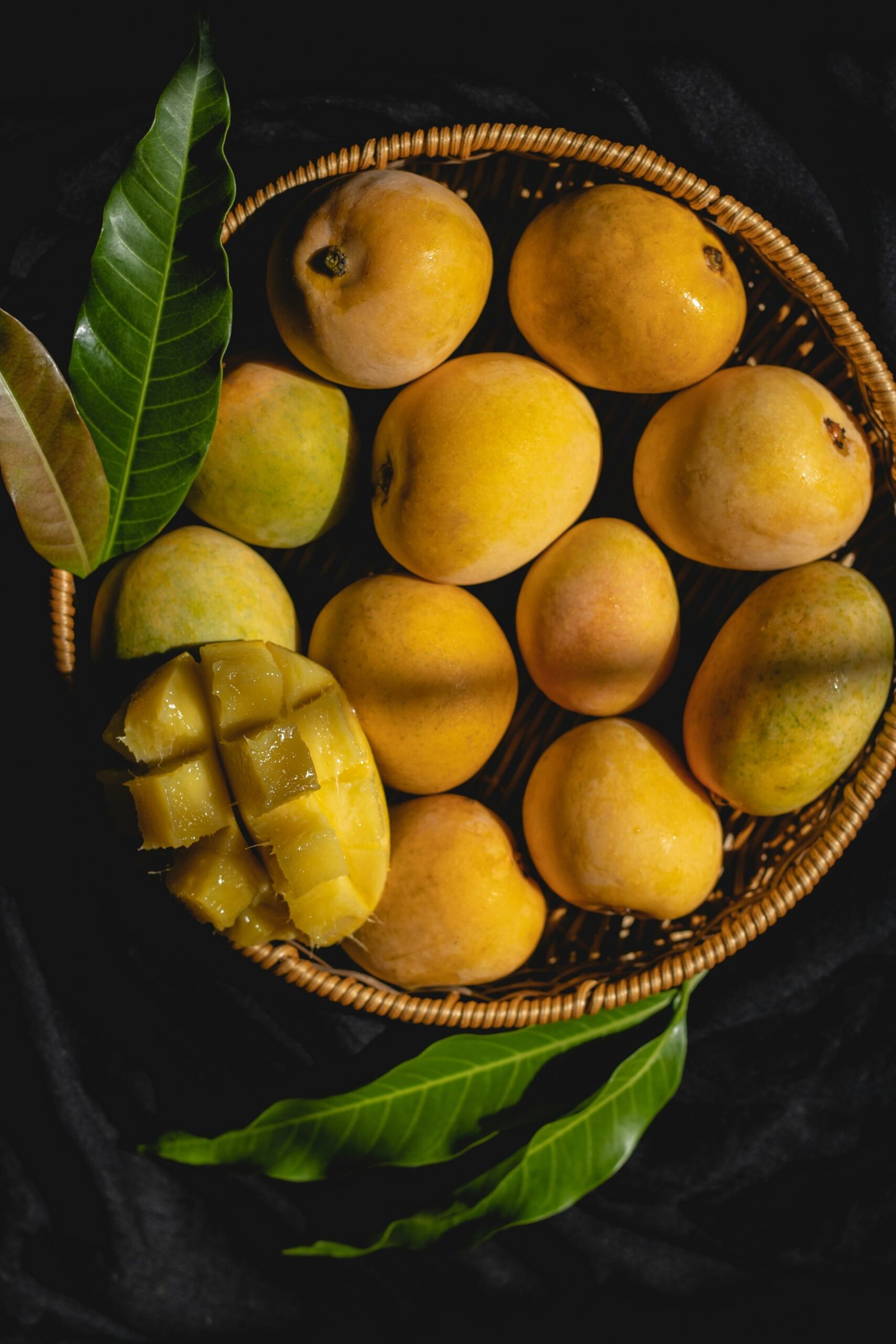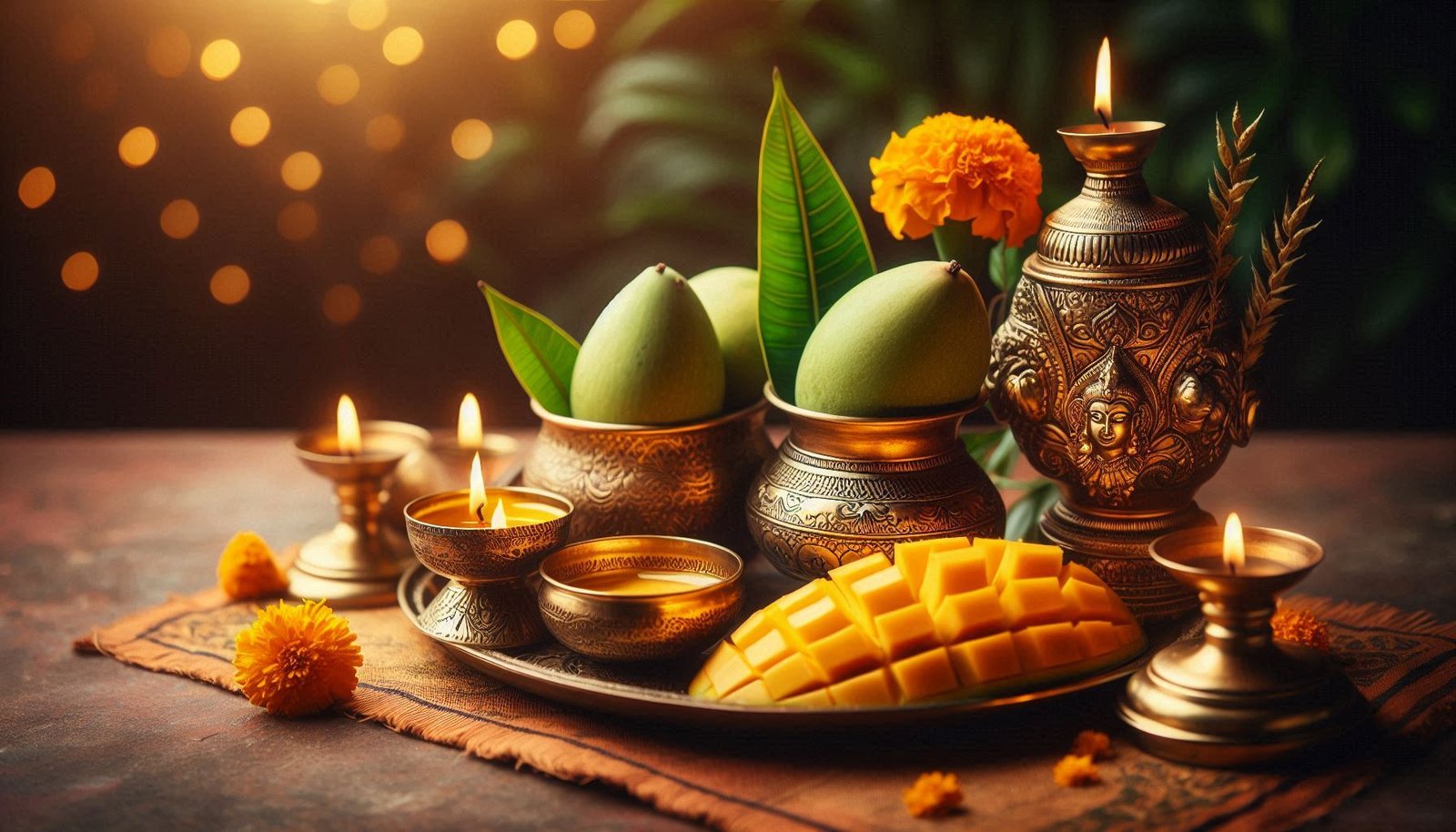
There is a fundamental misunderstanding about the mango that limits most kitchens to using it in only half the ways it deserves. The misunderstanding is this: that the mango is a sweet fruit and therefore belongs in sweet preparations — milkshakes, desserts, sorbets, chutneys beside a meal, aamras at the end of it. This is accurate but incomplete. The mango — particularly in its raw, unripe form as kairi, and in the precise moment of ripe-but-firm that precedes its peak sweetness — is one of the most versatile savory ingredients in the Indian culinary tradition, delivering the acid, brightness, and flavor complexity that good savory cooking depends on.
The Konkan kitchen has always known this. The Mangalorean kitchen has always known it. The Tamil and Andhra kitchens have built entire flavor architectures around it. The rest of India, and certainly the urban consumer who reaches for tamarind or lemon when a dish needs acidity, has been slower to discover what generations of coastal and regional cooks figured out centuries ago: a mango in the right context does not behave like a fruit. It behaves like the most interesting spice you have ever used.
Here are six savory applications — from the foundational to the unexpected — that will permanently expand how you think about the mango’s place in your kitchen.
Mango Dal: The Recipe That Changes Everything
The gateway savory mango preparation for anyone who has not explored this direction before is raw mango dal — and it is the right starting point because the transformation it produces from what should be a familiar dish is so dramatic and so immediate that it resets your understanding of what the mango can do.
How to make it: Cook one cup of toor dal until completely soft. In a separate pan, prepare a standard tadka — mustard seeds, cumin, curry leaves, two dried red chillies, asafoetida, in hot oil. Add one raw mango, peeled and cut into 2 cm chunks, and cook in the tadka for 4 to 5 minutes until the mango begins to soften and release its liquid into the oil. Add turmeric and green chilli, pour in the cooked dal, and simmer together for 8 to 10 minutes until the mango has completely softened and its sour liquid has integrated through the dal. Add salt, adjust water for consistency, and finish with fresh coriander.
The result is a dal with a tartness that tamarind produces with effort and the mango achieves effortlessly — a bright, acidic counterpoint to the dal’s earthiness that is simultaneously more natural and more nuanced than any other souring agent. This is the raw mango’s primary function in savory cooking, and it is extraordinary in it.
Mango Sasav: The Konkani Sweet-Sour Curry
The Mango Sasav — one of the most traditional preparations in the Konkani culinary canon — uses ripe mangoes as the primary ingredient in a savory curry that is simultaneously sweet, sour, and warmly spiced through the counterbalance of coconut, jaggery, mustard, and dried red chilli. It is the clearest demonstration in the Indian tradition that ripe mango, far from being too sweet for savory contexts, achieves its most complex flavor when the sweetness is deliberately placed in tension with heat and salt.
How to make it: Grind together half a cup of fresh grated coconut, two dried red chillies, and quarter teaspoon of methi (fenugreek) seeds into a smooth paste. In a pan, add the coconut paste, 200 ml water, turmeric, salt, and half a teaspoon of grated jaggery. Bring to a simmer and add three to four ripe Alphonso mangoes — unpeeled, whole, or halved — and cook on low heat for 8 to 10 minutes until the mango flesh softens into the curry. Finish with a mustard-seed tadka in coconut oil. Serve with steamed rice.
The Alphonso’s natural sweetness and the coconut paste’s richness create a curry that has no equivalent in non-mango preparations — a flavor experience that explains immediately why the Konkan tradition built an entire curry around the fruit at its ripest.
Raw Mango Rice: The South Indian Classic
Maangai sadam — raw mango rice — is a Tamil Nadu and Karnataka staple that uses grated raw mango as both a souring agent and a flavor base for a seasoned rice preparation that is one of the most complete single-ingredient expressions of the mango’s savory potential.
How to make it: Cook two cups of rice and spread to cool. Grate one medium raw mango — skin removed — to yield approximately half a cup of fine, tart shreds. Prepare a tempering in sesame oil: mustard seeds, chana dal, urad dal, dried red chillies, green chilli, curry leaves, and a pinch of turmeric. Add the grated raw mango to the tempering and cook for two minutes until slightly softened. Add the cooled rice and toss thoroughly, adding salt and a tablespoon of fresh-grated coconut to finish. The grated mango disperses through the rice in bright, tart threads that season every bite differently — a textural and flavor experience that cooked tamarind paste can approximate but never replicate.
Ambuli Pachadi: The Konkani Raw Condiment
The Ambuli Pachadi is not cooked — it requires no fire, no pan, and approximately five minutes of preparation — and it is one of the most immediately useful savory mango applications for a daily cooking context. Finely grated or chopped raw mango is combined with green chilli, coconut oil, salt, and a pinch of asafoetida, mixed thoroughly, and served as an accompaniment to rice, roti, or as a condiment alongside any cooked dish that needs brightness and acid. The raw mango’s acidity in its uncooked form is sharper and more defined than it becomes with heat, and the Ambuli Pachadi uses this directness as its primary virtue — a condiment that wakes up a plate the way lime juice does, but with more body and flavor complexity.
Mango Chutney as a Savory Base, Not a Sweet Condiment
The standard framing of mango chutney as a sweet accompaniment — something spread on a paratha or served with snacks — underuses what is actually a highly versatile savory base when prepared with the right balance. A raw mango chutney made with garlic, green chilli, roasted seeds (chana dal, urad dal, coriander seeds), and no sugar or jaggery is a preparation that functions as a sharp, complex sauce applicable across savory contexts: as a spread in a vegetable wrap, thinned with water as a dressing for a chickpea chaat, used as a marinade base for grilled vegetables, or served as an accompaniment for idli and dosa.
The key differentiation: the savory mango chutney uses raw mango and is coarsely ground with roasted spices and no sweetener — the acid of the raw mango provides all the brightness the preparation needs, and the roasted seeds provide a toasty depth that sweetened chutneys never develop. Grind the roasted spices first, add the peeled raw mango in stages, pulse to a coarse texture (not smooth — texture is the point), and finish with a mustard-seed tadka poured hot over the surface.
Mango as an Acid Substitute: The Foundational Technique
The most broadly applicable savory mango technique is the simplest: using raw mango as a direct substitute for any acidifying ingredient — tamarind, lemon juice, dry mango powder (amchur), vinegar — in any preparation that requires sourness. One medium raw mango, peeled and cubed, provides the equivalent souring power of two tablespoons of tamarind paste in a curry or sambar, with the additional benefit of the mango’s flavor compounds that tamarind’s more one-dimensional sourness cannot contribute.
Mango rasam — raw mango used as the souring agent in place of tamarind — is the South Indian tradition’s clearest expression of this principle: a thin, intensely fragrant soup whose brightness comes entirely from the raw mango’s acidity and whose flavor complexity significantly exceeds tamarind-based rasam because the mango contributes aromatic compounds and natural sugars that tamarind does not.
The Principle That Connects All Six
Every savory mango application in this article operates on the same insight: the mango is an acid source with extraordinary flavor complexity built around and into that acidity. In savory cooking, acid is structure — it balances fat, brightens spice, lifts earthiness, and defines the freshness that separates a well-made dish from a flat one. The mango delivers this function with a flavor identity that no other acid source in the Indian pantry provides. Tamarind is one-dimensional. Lemon is sharp but fleeting. Amchur is useful but dried and compressed. The raw mango is fresh, aromatic, complex, and seasonally available for the very months when the Indian kitchen is at its most active.
Use it. The Konkan, Tamil, and Mangalorean traditions spent centuries working out exactly how — and every recipe in this article is the result.