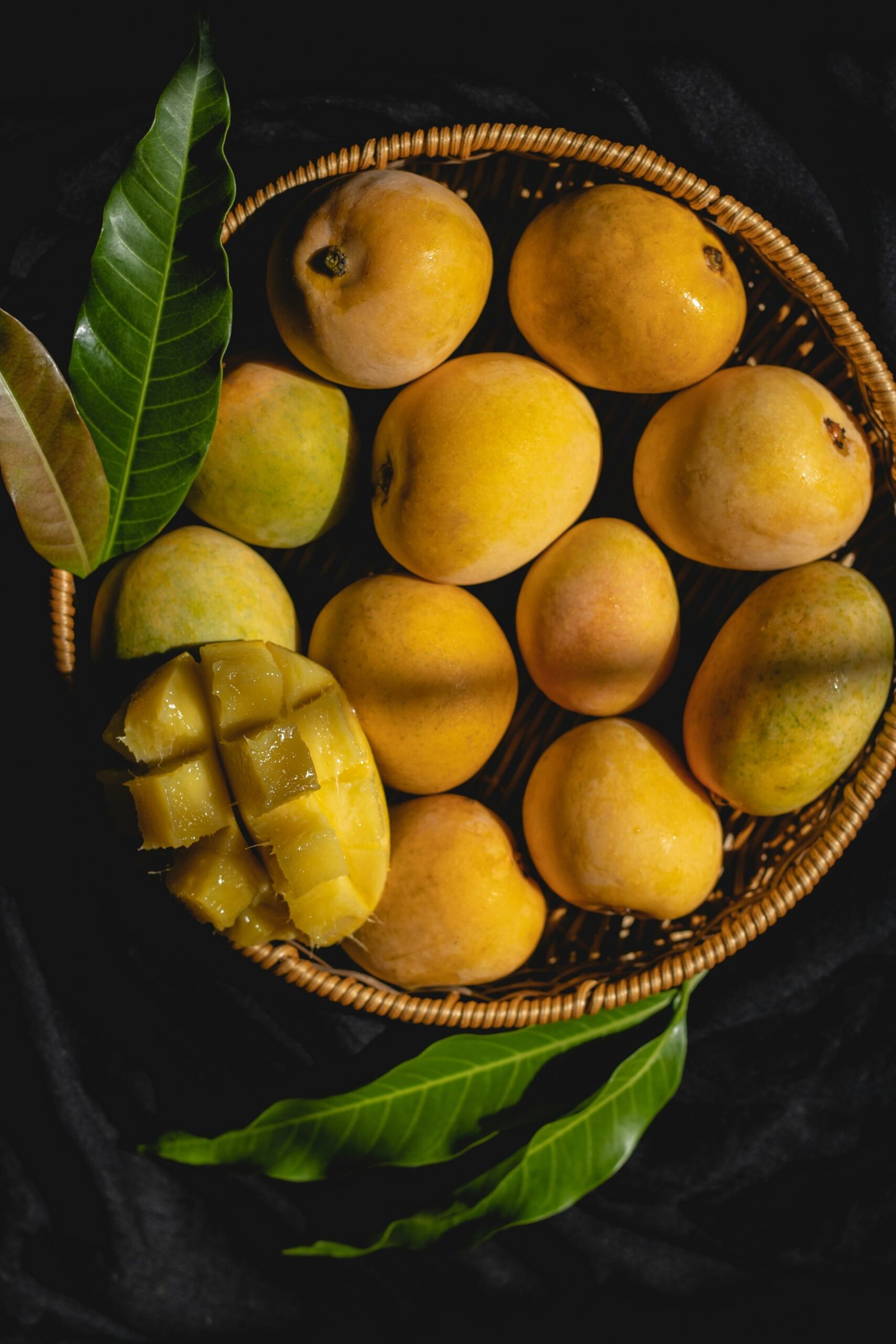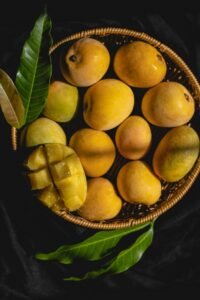
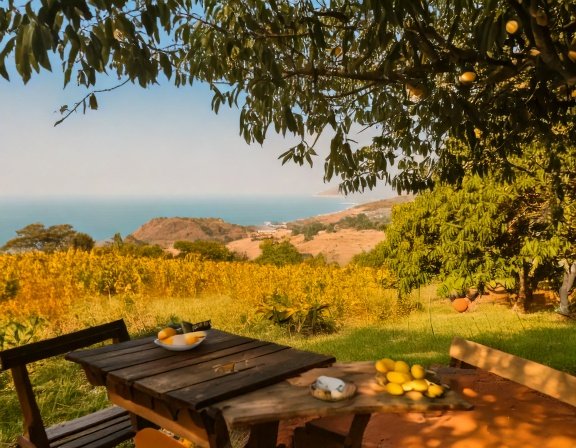
There is no better time to visit Konkan than when the mango trees are heavy with fruit. Between March and June, this narrow coastal strip transforms into something extraordinary — the air smells of ripe Alphonso mangoes, orchard paths turn golden in the afternoon sun, and village life revolves entirely around the harvest. Konkan mango tourism is one of India’s most immersive and underrated travel experiences, combining the pleasures of agro-tourism, coastal beauty, ancient forts, and authentic Konkani cuisine into a single unforgettable season. Here are the best places to visit in Konkan during mango season — and what to do when you get there.
Ratnagiri: The Heartland of the Alphonso
For anyone visiting Konkan during mango season, Ratnagiri is the undisputed first destination. The district produces some of the world’s finest Alphonso mangoes across 67,000+ hectares of orchard land, and during April and May, the entire town celebrates the harvest with a culture that is entirely its own.
Start with a visit to an organic Alphonso mango orchard, where you can walk beneath laden trees, learn to read the ripeness cues that generations of Konkan farmers use, and taste a freshly picked Hapus within minutes of it leaving the branch — an experience that no city market can replicate. The landmark Ratnadurg Fort, perched above the Arabian Sea, offers sweeping views of mango-green hillsides meeting the coast, and is a short drive from most orchard stays in the area. The Ganpatipule Beach and its famous Swayambhu Ganpati Temple make an essential addition to any Ratnagiri itinerary — combining spiritual calm with pristine coastal beauty.
For a structured mango tourism experience, several tour operators now offer full Ratnagiri Mango Festival packages that include farm stays, orchard walks, mango tasting sessions, bonfire evenings, and day trips to Vijaydurg Fort and Ambolgad Beach.
Devgad: Where the Best Alphonso Grows Closest to the Sea
Devgad, in Sindhudurg district, is home to the Devgad Alphonso — a variety so distinct from its Ratnagiri counterpart that it carries its own separate GI tag. The town sits on a rocky peninsula jutting into the Arabian Sea, and its orchards benefit from exceptional sea-air exposure that gives the Devgad Hapus its characteristic deeper aroma and thicker pulp. During the season, local orchard owners welcome visitors for direct farm purchases, orchard tours, and freshly prepared mango meals.
The iconic Devgad Windmill Garden — an unusual coastal attraction set against a backdrop of sea and mango-covered hillsides — is worth the visit for photography alone. The nearby Devgad Fort, accessible from the beach road, offers a quiet, relatively uncrowded historical site that pairs naturally with an orchard morning and a seafood lunch of sol kadhi and Konkani fish curry.
Dapoli: The Academic Home of Konkan’s Mango Science
Dapoli, located in Ratnagiri district, is home to the Dr. Balasaheb Sawant Konkan Krishi Vidyapeeth (BSKKV) — the agricultural university responsible for developing Konkan’s most celebrated hybrid mango varieties including Ratna, Sindhu, Konkan Samrat, and Konkan Ruchi. For the curious traveler who wants to understand what makes Konkan’s mangoes extraordinary, visiting BSKKV’s demonstration orchards and research farms during mango season is a genuinely educational experience unlike anything else in Indian agro-tourism.
Beyond the university, Dapoli is one of Konkan’s most charming small towns — earning its reputation as the Mini Mahabaleshwar of Konkan for its cooler climate, green hills, and panoramic sea views. The Kelshi village near Dapoli, recognized as one of Maharashtra Tourism’s Best Tourism Villages, offers Alphonso mango orchard visits, Olive Ridley turtle nesting site experiences, and authentic Konkani homestay accommodation between April and June.
Malvan and Tarkarli: Forts, Sea, and Mango on the Same Plate
In the southernmost end of Konkan, the twin destinations of Malvan and Tarkarli combine Konkan’s two most compelling attractions — its coastline and its mango culture — in a single visit. Malvan is famous across India for its seafood, its Sindhudurg Fort (built by Chhatrapati Shivaji Maharaj on a sea island), and its warm, transparent waters that make it Maharashtra’s best snorkeling and scuba diving location. Arriving in Malvan during mango season means you eat the freshest Alphonso at breakfast, snorkel in turquoise water before noon, and dine on Malvani fish thali with mango aamras and sol kadhi in the evening — all within the same extraordinary day.
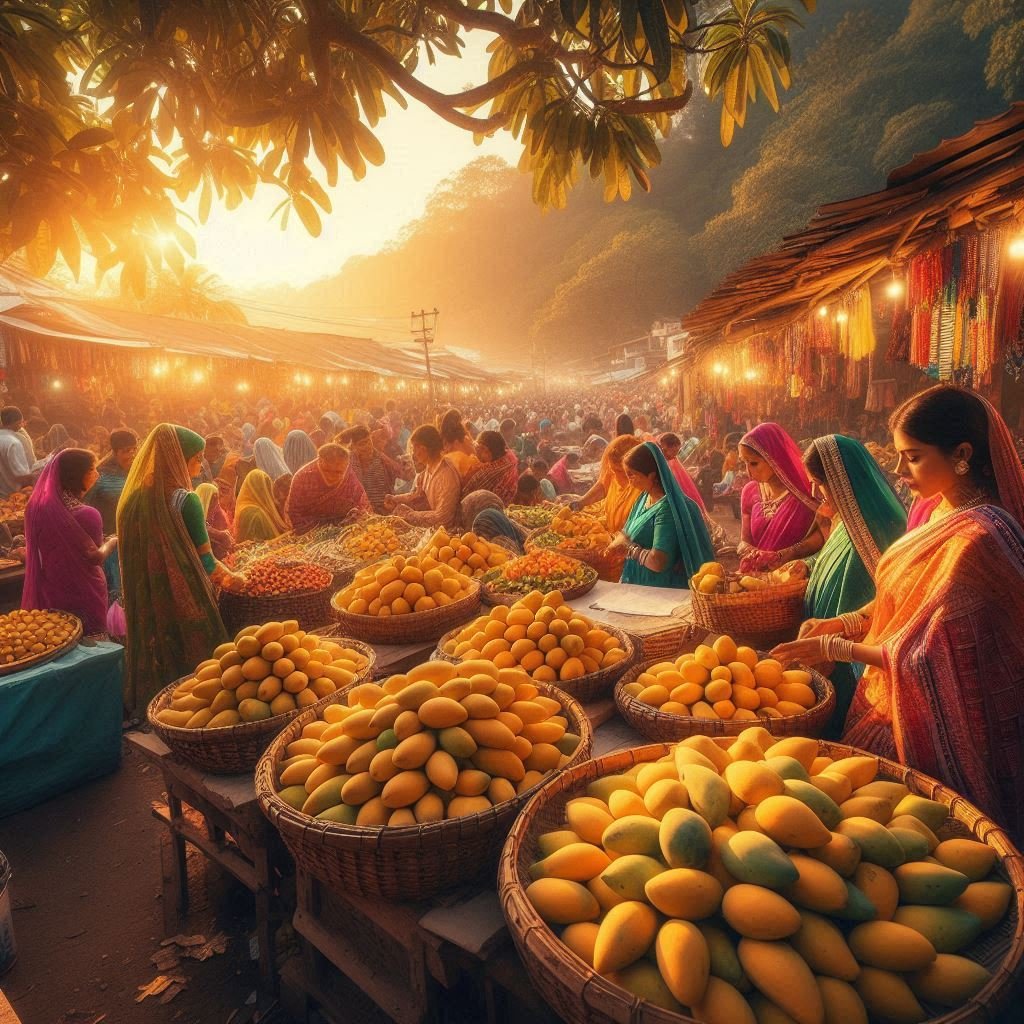
Tarkarli’s backwaters and pristine white sand beach provide a quiet contrast to Malvan’s activity. Houseboat stays on the Karli River — the cleanest river in Maharashtra — are particularly atmospheric during mango season, when the surrounding hills are green and the village markets overflow with fresh fruit.
Kelashi and Harihareshwar: Offbeat Konkan at Its Most Serene
For travelers seeking a quieter, less-visited Konkan experience during mango season, the villages of Kelashi and Harihareshwar offer something the more popular destinations cannot — genuine solitude alongside authentic mango orchard hospitality. Kelashi, recognized by the Maharashtra government for its agro-tourism potential, offers stays in traditional Konkani family homes, orchard walks through centuries-old Alphonso groves, and the rare chance to witness Olive Ridley turtle hatchlings making their way to the sea during the same March-to-April window as the mango harvest.
Harihareshwar, known as the Dakshin Kashi of the Konkan coast, combines a revered ancient temple with an uncrowded seafront and hillside guesthouses. During mango season, the local markets here sell farm-fresh Alphonso at a fraction of city prices — and the unhurried pace of the town makes it the perfect place to slow down, eat well, and genuinely absorb the sensory richness of the Konkan summer.
Planning Your Konkan Mango Season Visit
The peak window for Konkan mango tourism is April and May, when the Alphonso harvest is at maximum productivity and most orchard stays and mango festivals are in full operation. Book farm stays and agro-tourism packages at least four to six weeks in advance — the best orchard homestays fill quickly as the season approaches. Travel by road from Mumbai takes approximately four to five hours to Ratnagiri via the Goa highway, and the Konkan Railway connects the coast’s major destinations with services from Mumbai, Pune, and Goa throughout the season.
Konkan in mango season is not simply a destination — it is a complete sensory experience that no other season and no other region in India can offer. Come for the Alphonso, stay for the coast, and leave with a deeper understanding of why this slender stretch of land between the mountains and the sea produces something the rest of the world has been chasing for centuries.