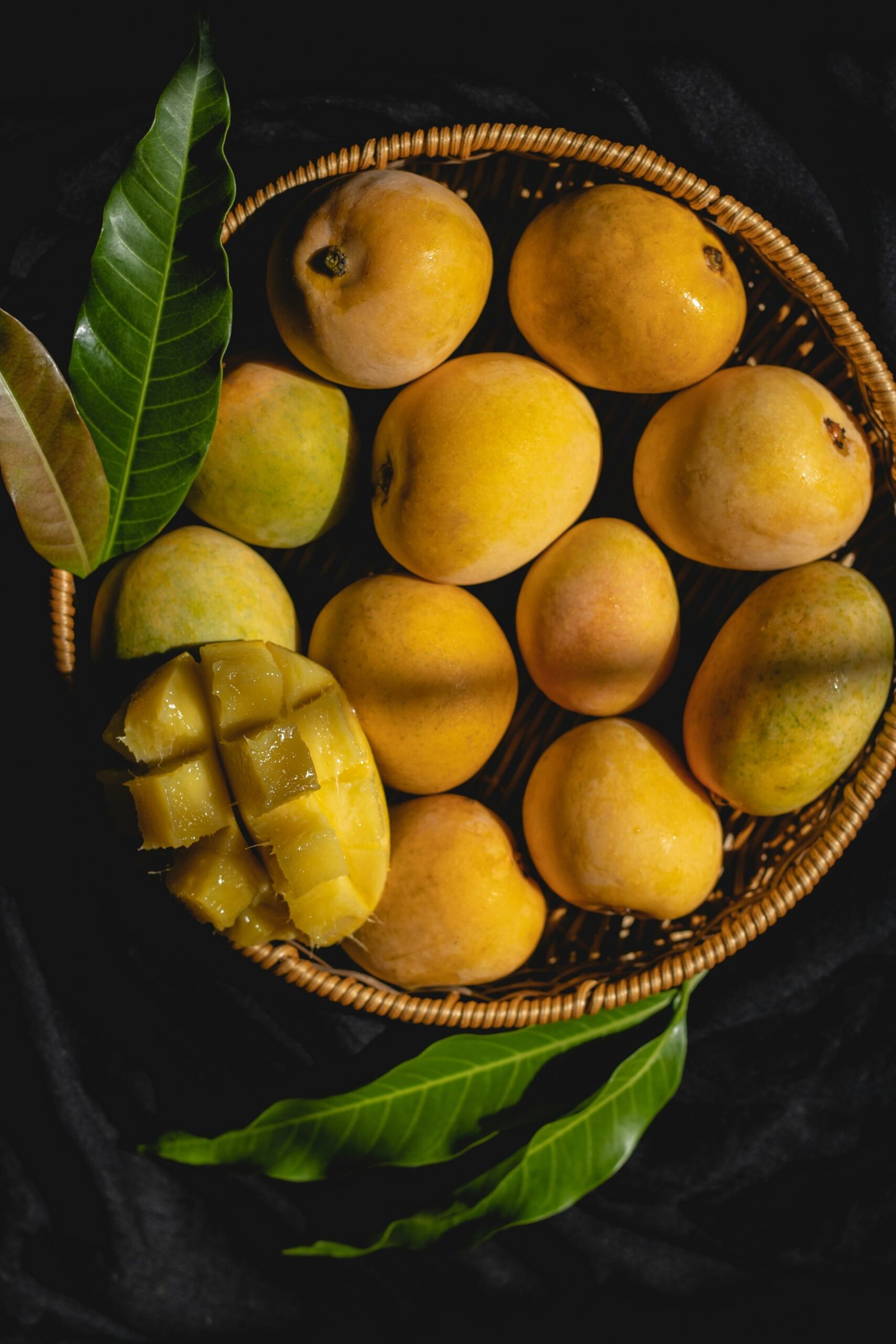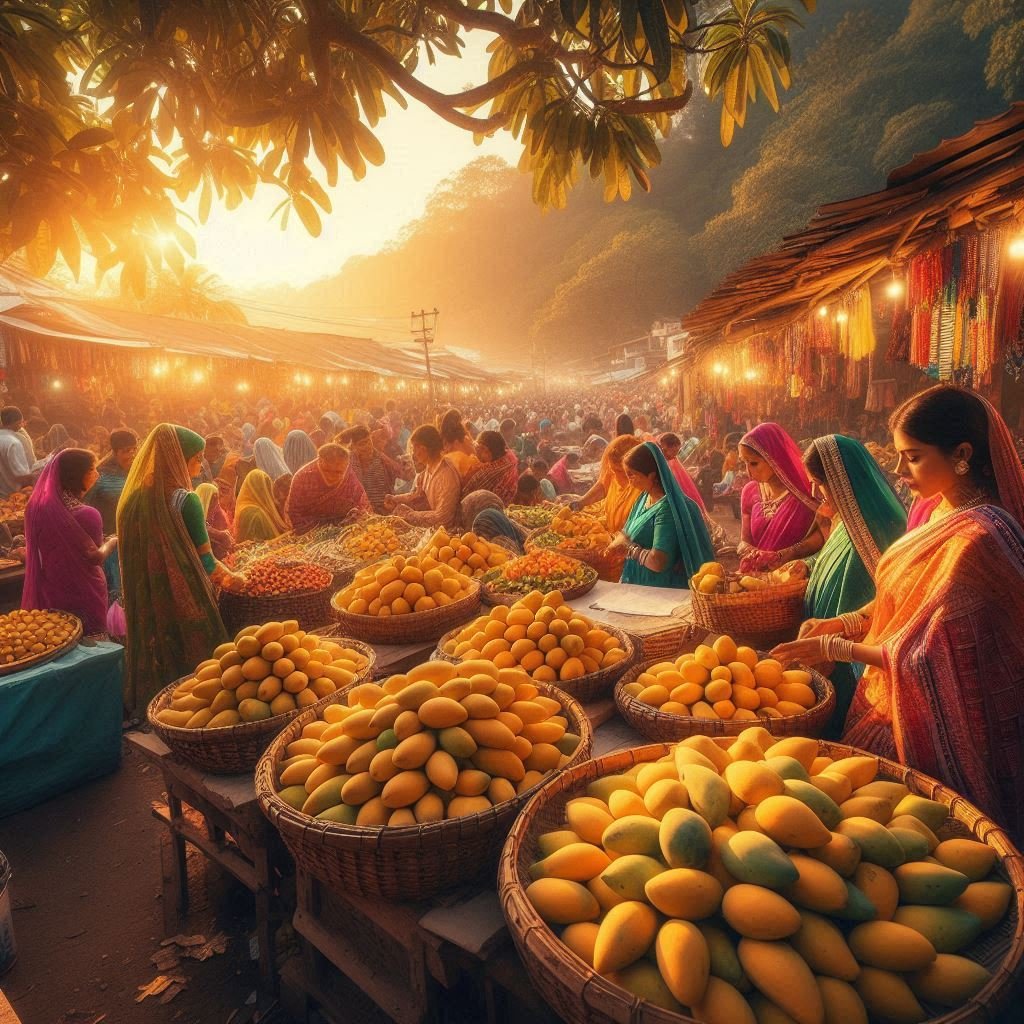
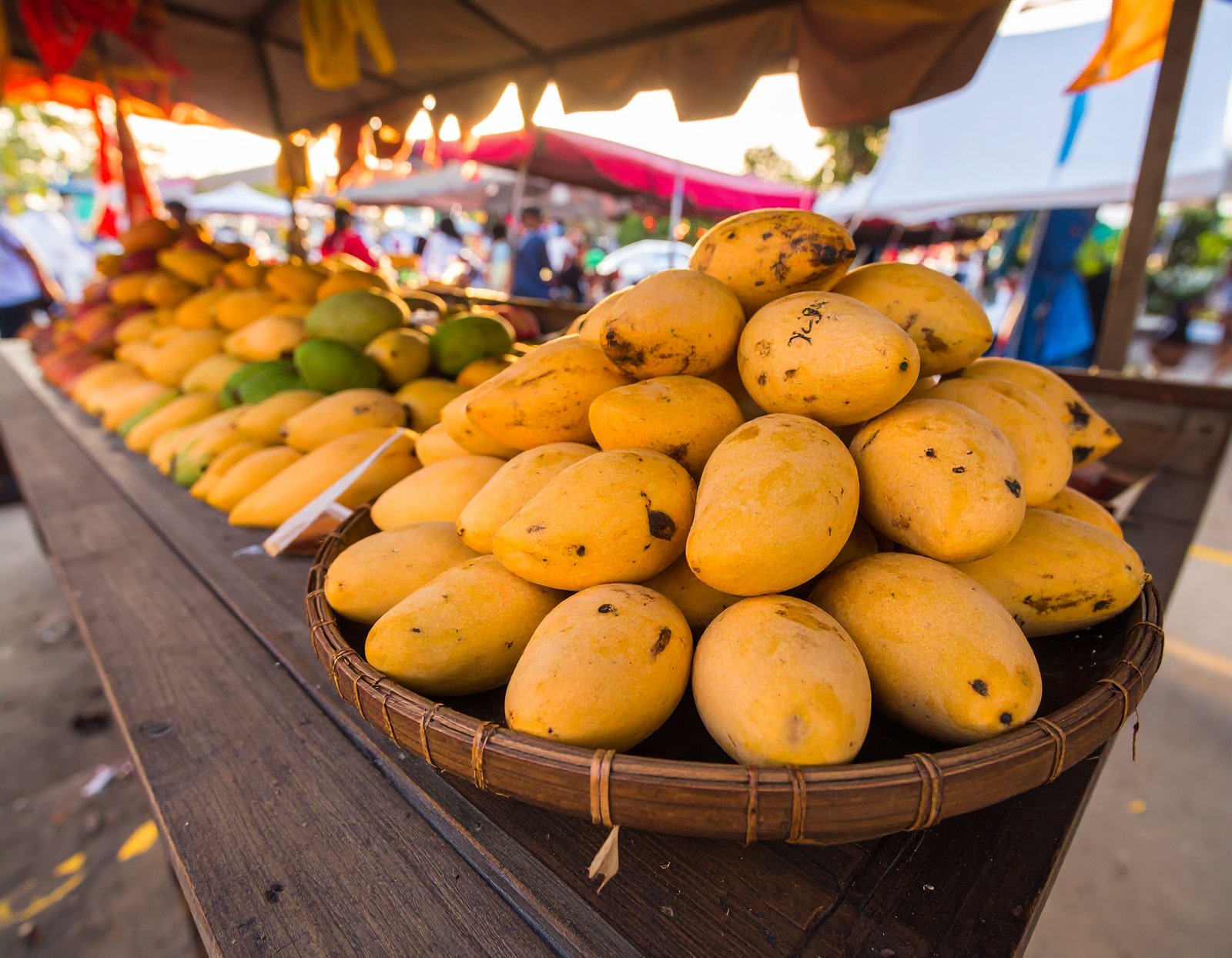
India produces over 1,100 varieties of mango — more than any other country on earth — and every summer, the nation celebrates this extraordinary fruit with a series of festivals that are as varied and vibrant as the mangoes themselves. From Delhi’s iconic International Mango Festival that draws thousands of visitors to taste 500+ varieties under one roof, to intimate Konkan orchard celebrations where a freshly plucked Alphonso defines the entire experience, India’s mango festivals are a cultural institution. They are where science meets celebration, where farmer meets foodie, and where the simple act of eating a mango becomes a shared national joy.
The International Mango Festival, Delhi: The Grand Stage
No mango festival in India commands the scale or prestige of the International Mango Festival held annually in Delhi. Originally launched in 1987, this festival has grown into one of the country’s most anticipated summer events, typically held in June or July at Dilli Haat, Pitampura. In its 34th edition in 2025, the three-day festival ran from June 27 to June 29, showcasing over 400 varieties of mangoes from across India — from the luscious Malda and Sindoori to the celebrated Kesar, Amrapali, Mallika, and Alphonso.
What makes this festival exceptional is its ambition to educate as much as it entertains. Visitors browse stalls of mango varieties they have never seen before, participate in mango-eating competitions with categories for both men and women, and watch their children discover mangoes growing on actual trees inside the festival venue — a working orchard replicated within the stadium space. Slogan writing, mango quizzes, cultural performances, and a mango-products market round out an experience that is genuinely unlike any other food festival in the country. For mango lovers visiting Delhi in summer, it is an unmissable event.
Mango Mahotsav, Lucknow: Where Poetry Meets the Orchard
Uttar Pradesh is home to some of India’s most storied mango varieties — the Dussehri, the Langda, the Safeda — and Lucknow celebrates them with a festival of equal cultural stature. The Mango Mahotsav, organized by the UP Department of Horticulture, is held annually in early July at the Avadh Shilp Gram. In its 2025 edition, the festival showcased over 800 mango varieties from across India, with 2,853 samples exhibited by 1,449 participants from multiple states — making it one of the largest mango biodiversity exhibitions in the world.
What distinguishes the Lucknow Mango Mahotsav from other festivals is its emphasis on trade and knowledge alongside celebration. The event includes buyer-seller conferences, technical sessions on post-harvest management and export practices, seminars for farmers, and an evening of cultural performances. The festival’s 2025 highlight was a special poetry recitation by Kumar Vishwas — a moment that captured Lucknow’s distinctive ability to blend the pleasures of culture, language, and fruit into a single extraordinary evening.
Mango Mela, Pinjore: Haryana’s Heritage Celebration
Held at the historic Yadavindra Gardens in Pinjore, the Mango Mela is one of North India’s oldest mango celebrations — reaching its 32nd edition in 2025. Organized by the Haryana Tourism Department and the Horticulture Department, this three-day July festival features mango exhibitions from farmers across India, school student competitions, a crafts bazaar, a food court, and evening cultural performances that give the festival a community fair atmosphere. The Pinjore garden setting — a restored Mughal-style terraced garden dating back to the 17th century — provides one of the most beautiful festival backdrops in the country, combining heritage architecture with the abundance of India’s mango season.
Goa Mango Festival: Mangoes by the Coast
Goa’s Mango Festival, held every May, reflects the state’s own deep mango heritage — most notably the beloved Mankurad mango, which earned its GI tag in 2023 as Goa’s signature variety. Unlike the grand scale of Delhi or Lucknow’s festivals, Goa’s celebration has a distinctly local, intimate character: farmers bring their best varieties, competitions determine the finest-grown mango of the season, and the event is woven into the texture of daily Goan life rather than staged as a tourism spectacle. Alphonso mangoes from neighbouring Konkan share the stage alongside locally grown varieties, making it a genuinely cross-regional tribute to the western coast’s mango culture.
Mango Mela, Bangalore and Mysore: South India Celebrates
In Karnataka, the Mango Mela organized by the Horticulture Department and the Karnataka State Mango Development and Marketing Corporation is held annually in May or June — split across two venues: Lalbagh Botanical Gardens in Bangalore and Curzon Park in Mysore. Karnataka produces several celebrated varieties of its own — Totapuri, Malgova, Raspuri, and Badami — and the Mango Mela gives these regional varieties the recognition they deserve alongside their more famous northern and western counterparts. Local farmers sell organically grown, naturally ripened mangoes directly at the festival, giving urban consumers a rare chance to taste the difference between fruit grown with patience and care and the artificially ripened mangoes that dominate city supermarkets.
Ratnagiri Mango Festival: The Orchard is the Festival
Unlike the urban exhibitions of Delhi, Lucknow, and Chandigarh, the Ratnagiri Mango Festival is an experience rooted entirely in the orchard itself. Held every April across private Alphonso mango farms in the Ratnagiri district, this festival invites visitors to stay in traditional Konkan farm homestays, walk through working orchards at peak harvest, taste freshly plucked Hapus mangoes at the source, and explore the coastal geography — beaches, forts, and Konkani cuisine — that gives the Alphonso its unique cultural context.
Activities include treasure hunts through orchard paths, campfire evenings under mango trees, visits to Vijaydurg Fort and Ganpatipule Beach, and guided orchard tours where farmers explain the entire journey from flowering to harvest. For anyone who has ever bought a Ratnagiri Alphonso from a Mumbai market and wondered about the hand that picked it, the farm that grew it, and the land it came from — the Ratnagiri Mango Festival is where that question finds its most complete and delicious answer.
Why Mango Festivals Matter
India’s mango festivals do something that no supermarket, no export box, and no food delivery platform can replicate — they restore the human relationship between a fruit, its grower, and the person who eats it. They create spaces where a child from Delhi can stand inside a mango orchard for the first time, where a Lucknow farmer can sell directly to a buyer who appreciates the variety’s name, and where an urban food lover can taste 50 kinds of mango in a single afternoon and emerge from the experience understanding why India considers the mango not just a fruit, but a national identity.
Whether you attend the grand spectacle of the Delhi International Mango Festival or spend a quiet weekend in a Ratnagiri orchard homestay, every Indian mango festival offers the same essential gift: the reminder that behind every golden, fragrant, extraordinary mango, there is a place, a season, and a person who made it possible.