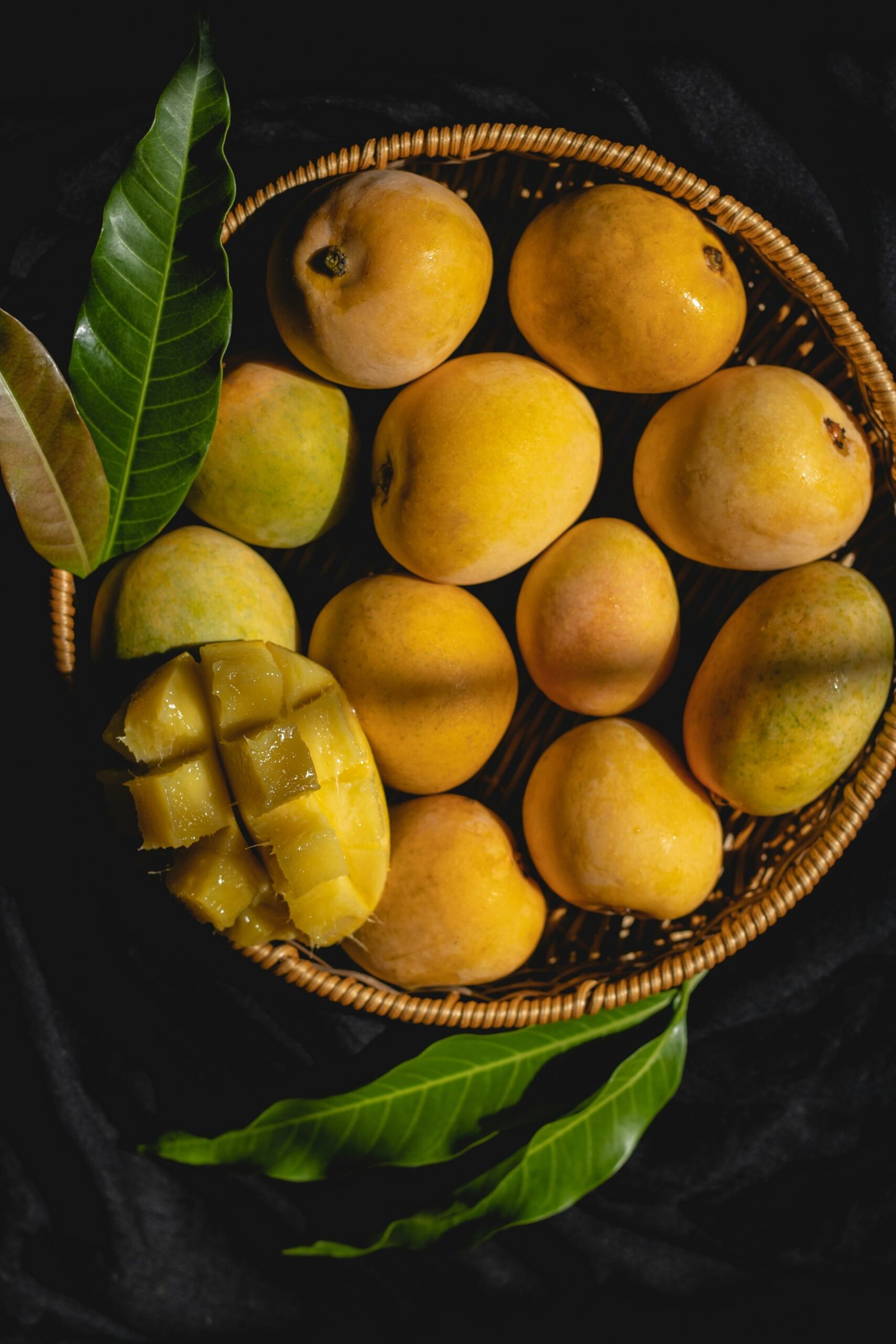
Every April morning in a Konkan village smells like something no perfumer has ever managed to bottle. It is the scent of ripening Alphonso mangoes, drifting from orchard to orchard across the laterite hillsides, announcing that the most important weeks of the year have arrived. In Konkan, mango-picking is not a chore — it is a ceremony. And like all true ceremonies, it has rules, rhythms, and rituals that have been observed for generations.
When the Season Speaks: Reading the Signs of Ripeness
In Konkan’s Alphonso orchards, the harvest season runs from March through May — a precise, non-negotiable window shaped by the region’s weather. The mango tree itself signals when it is ready. Experienced farmers do not rely on calendars alone. They watch the fruit. A slight blush of yellow creeping upward from the tip of the mango, the deepening of its fragrance on warm afternoons, and the gentle drop of the first few mature fruits to the ground are all signs that picking must begin.
This reading of the tree is a skill passed from father to son, grandmother to granddaughter. No instrument measures it. No algorithm replicates it. A Konkan farmer who has tended an orchard for thirty years develops an almost intuitive relationship with each tree — knowing which one fruits early, which yields the sweetest batch, and which must be left untouched for another week. This intimate knowledge is as much a part of the harvest tradition as the act of picking itself.
The Shikari: A Tool Born from Tradition
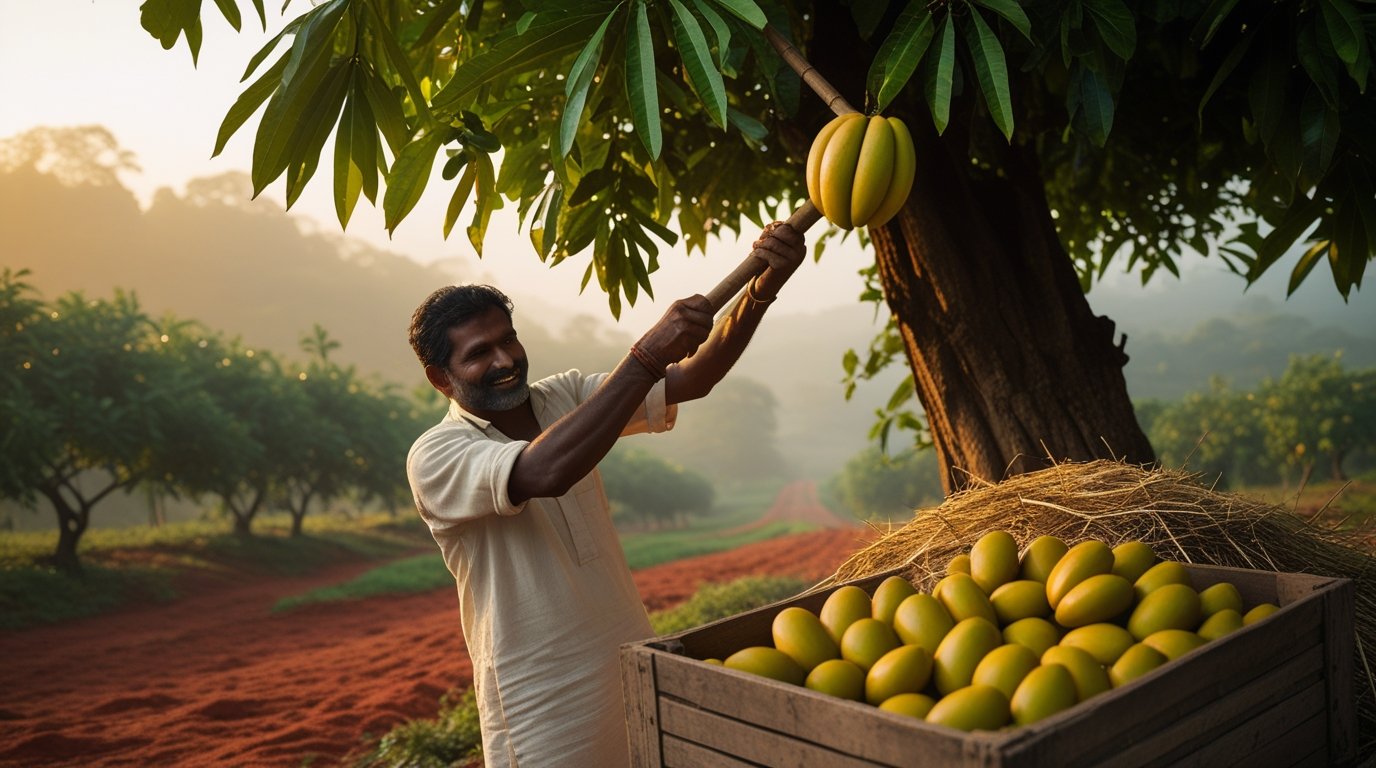
The most iconic instrument of Konkan mango harvesting is the shikari — a long bamboo pole fitted at the top with a cloth or wire pouch and a curved blade. The shikari allows farmers to reach fruit high in the canopy without climbing the tree or shaking the branches — both of which would damage the delicate fruit or cause it to drop and bruise. The farmer angles the shikari carefully beneath a chosen mango, positions the blade against the stem, and pulls — the mango dropping softly into the cloth pouch rather than falling to the ground.
This simple, elegant tool represents generations of problem-solving. Rather than building ladders or mechanical lifts, Konkan farmers crafted a lightweight, portable instrument that protects both the picker and the picked. In orchards across Ratnagiri, Devgad, Guhagar, and Malvan, the sight of a shikari rising above a mango canopy on a bright April morning is one of the most defining images of the Konkan summer.
Stem-Intact Harvesting: The Art of the Right Cut
One of the most strictly observed rules of traditional Konkan mango picking is that every fruit must be harvested with 10–20 cm of stem attached. This is not aesthetic preference — it is agricultural wisdom. When a mango is detached without a stem, sap from the cut flows over the skin of the fruit, leaving black scorch-like marks called sap burn that ruin the appearance and eventually compromise the fruit’s shelf life and taste.
By leaving a generous length of stem, the farmer ensures the sap flows away from the fruit’s skin, keeping the golden surface pristine and market-ready. This small act of precision — a careful cut at exactly the right point — is what separates a Konkan-harvested mango from a carelessly plucked one. It is practiced uniformly across all traditional orchards and remains a non-negotiable standard for premium Alphonso mangoes destined for both domestic and export markets.
The Ritual First Pick: A Sacred Beginning
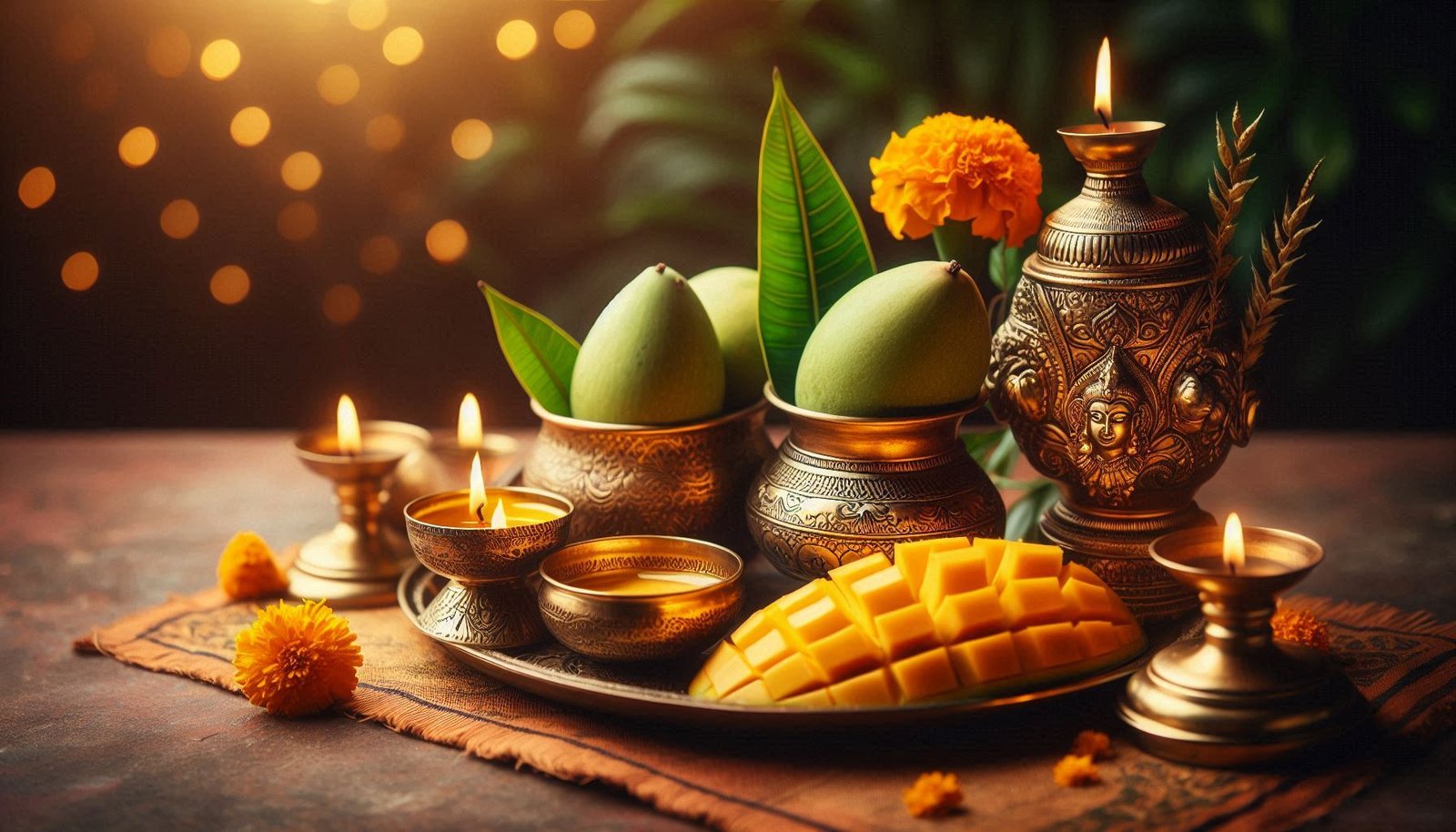
Before commercial picking begins in many Konkan villages, the first mango of the season holds ritual significance. Families traditionally offer the inaugural fruit from the orchard to their kuladevata — the household or clan deity — as a gesture of gratitude for the season’s bounty. The mango is placed before the deity with flowers, incense, and prayer before the family tastes it themselves.
This practice transforms the act of picking from a commercial activity into a spiritual acknowledgment — a reminder that the orchard’s abundance is not taken for granted but received with reverence. In villages where multiple family members work the orchard together, the first-pick ritual often becomes a small family gathering, marking the season’s opening with shared prayer and the collective joy of eating the year’s first Hapus.
Packing in the Orchard: Paddy Straw and Patience
The work of mango-picking in Konkan does not end at the moment of plucking. Traditional orchard packing is an art form in itself. Freshly picked Alphonso mangoes are laid gently in wooden crates lined with dry paddy straw — penda in the local Marathi dialect. The straw cushions the fruit, prevents contact bruising between individual mangoes, and maintains a steady airflow that facilitates even, natural ripening during transport.
Each layer of mangoes is separated by a sheet of paper and then padded again with straw before the next layer is arranged. A standard crate holds three layers of five mangoes each — fifteen mangoes per layer, totaling approximately forty-five fruits per box — packed with a care and precision that reflects both commercial necessity and deep personal pride. In Konkan villages, a well-packed mango crate is a point of honor. The packer’s reputation follows the box all the way to the market.
The Community Rhythm of Harvest Season
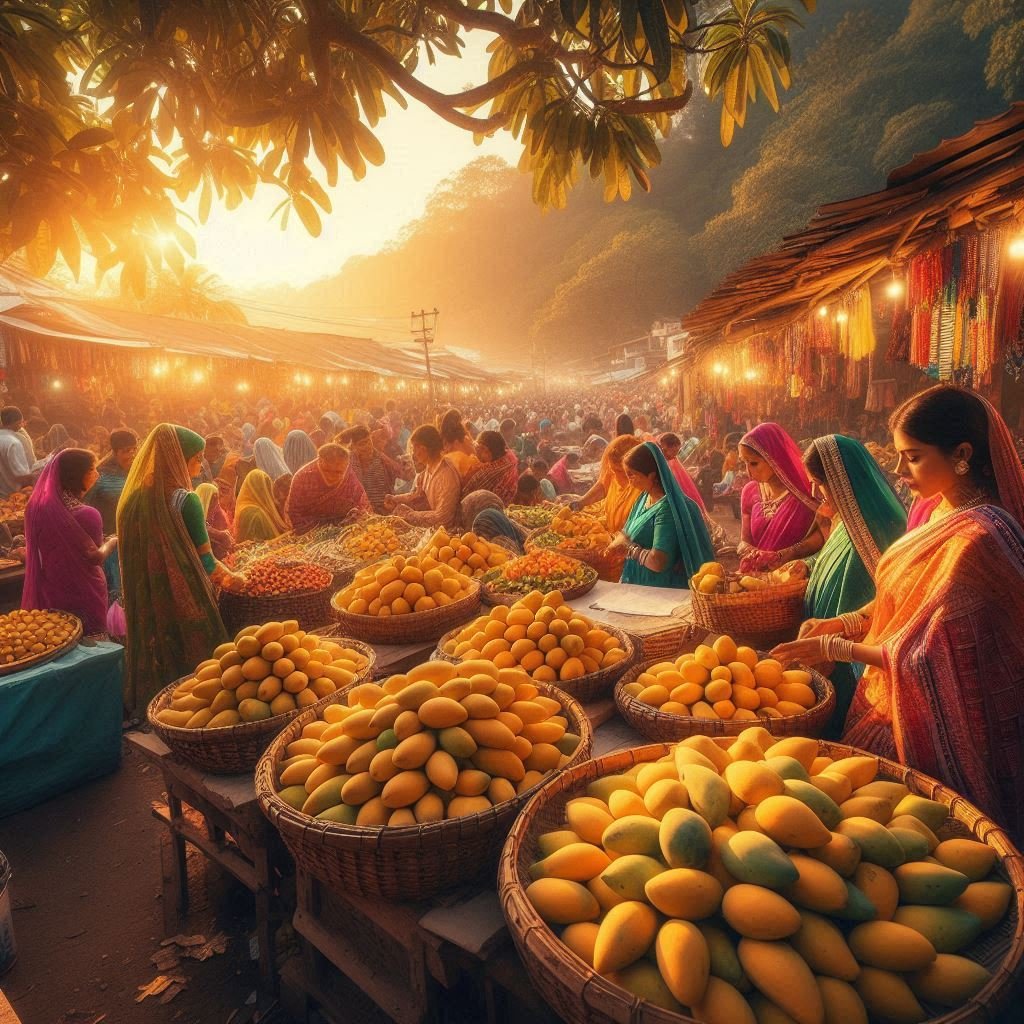
Mango picking in Konkan has always been a collective activity. During peak harvest weeks, entire families — along with seasonal laborers hired from neighboring villages — work the orchards from early morning until the afternoon heat becomes intense. Children carry baskets, elders sort and grade the fruit by size and maturity, and experienced pickers work the canopy with their shikaris. The orchard during harvest season hums with a social energy that is impossible to replicate outside this specific time and place.
This communal rhythm is what gives the Konkan mango harvest its unique cultural texture. It is not simply the production of a premium fruit — it is a village coming together in its most purposeful, joyful season. The Alphonso mango picking tradition of Konkan is, at its heart, a celebration of collective labor, ancestral knowledge, and the irreplaceable relationship between a people and their land.