Role of Mangoes in the Historical Coastal Trade of Maharashtra
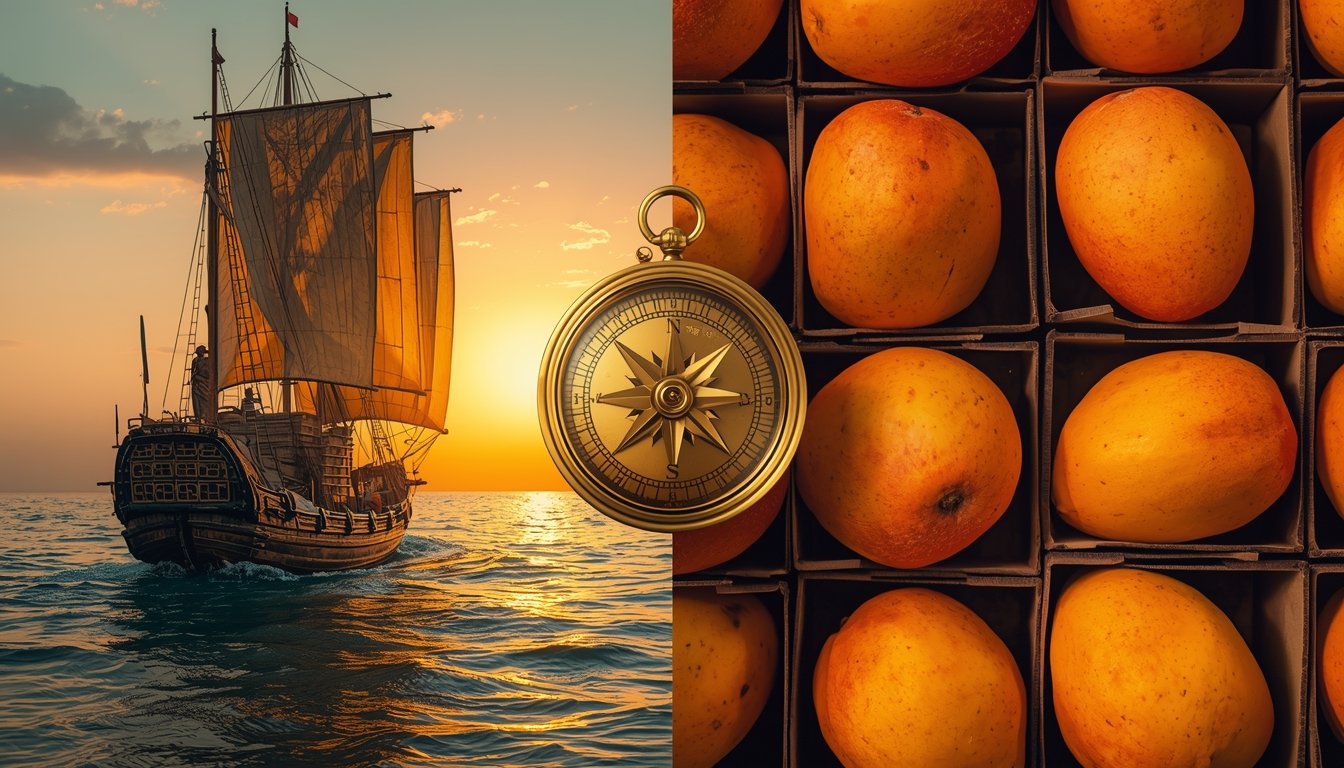
In 1720, a Portuguese merchant’s ship left Rajapur port carrying precious cargo—not gold, silk, or spices, but perfectly ripened mangoes destined for Arabian royalty. This single voyage captured the essence of what Maharashtra’s Konkan coastline had become: a thriving hub where the humble mango transformed into liquid gold, shaping centuries of maritime commerce and cultural exchange.
The coastline of Maharashtra has always been more than scenic beaches and palm-fringed villages. For over 500 years, this belt—especially the Konkan region—has been a centre of maritime commerce where mangoes held a unique and prestigious place in the mango trade in Maharashtra.
Ancient Coastal Routes and the Birth of Mango Trade
The history of ancient mango trade routes traces back to when merchants used the Arabian Sea as the primary link between India, Africa, and the Middle East. Ships sailed from ports such as Suvarnadurg, Dabhol, Rajapur, and Guhagar—key hubs among the historical ports of Maharashtra.
These ports weren’t just trading points. They were vibrant communities where agriculture, maritime skills, and artisanal crafts merged seamlessly.
Even during these early centuries, the Konkan belt was renowned for its lush orchards. The hot sun, laterite-rich soil, and coastal humidity created ideal conditions for premium mango varieties. This environment laid the foundation for what would eventually become a major part of Konkan coastline agriculture.
By the 15th century, mango cultivation had become so integral to the region that entire villages depended on seasonal harvests for their livelihoods.
The Maratha Era: When Mangoes Became Royal Currency
The rise of Maratha power in the 17th century accelerated the region’s agricultural and maritime activity. During this period, the Maratha mango economy flourished as rulers and local chieftains invested in orchard cultivation to support both trade and diplomacy.
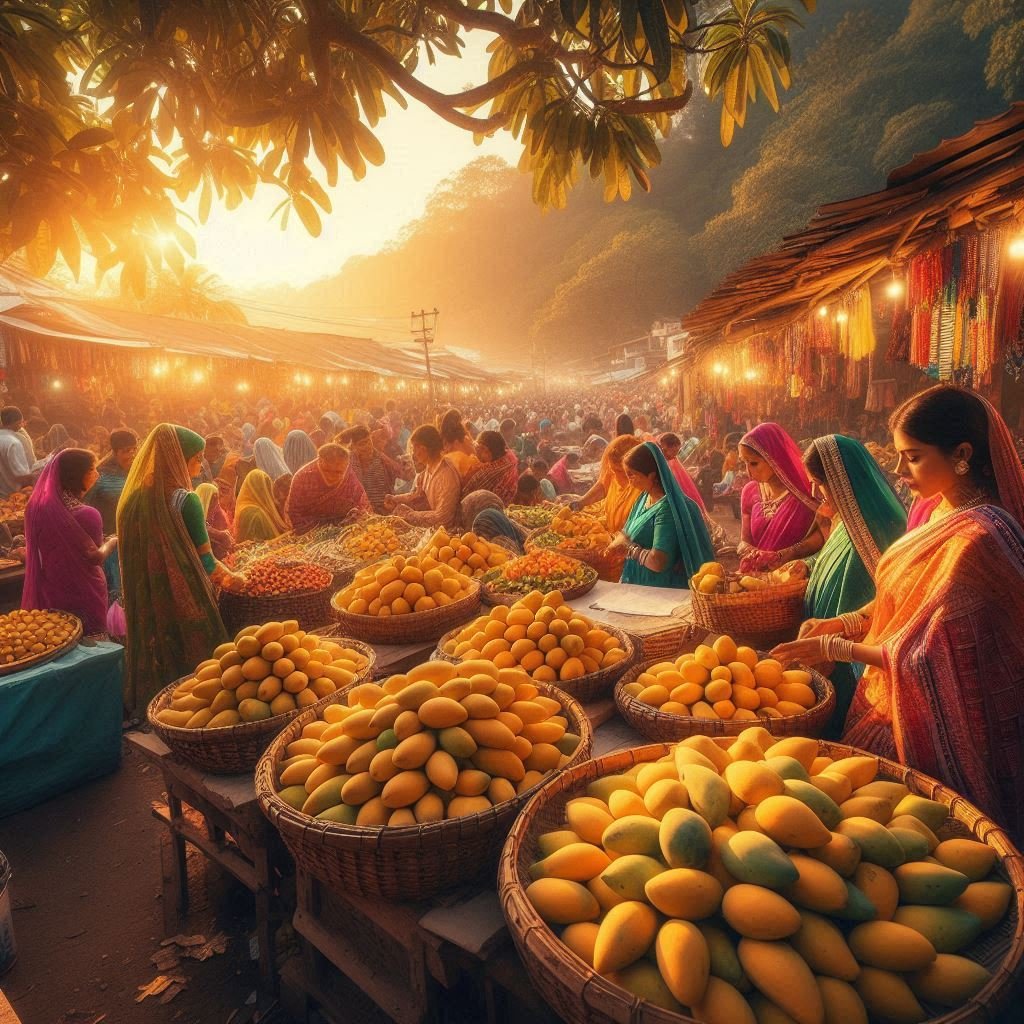
Mangoes were exchanged as gifts in royal courts. Semi-ripe mangoes packed in hay were sent to foreign merchants as symbols of goodwill, travelling aboard ships bound for Persia, Arabia, and East Africa.
This period witnessed the strengthening of maritime trade in Maharashtra, where mangoes travelled alongside spices, coconuts, rice, and handcrafted goods. The fruit had evolved from a local delicacy to an economic asset that commanded respect in international markets.
Chhatrapati Shivaji Maharaj himself recognized the strategic importance of coastal trade and established naval outposts that protected merchant vessels carrying agricultural produce, including mangoes.
Portuguese Influence and the Rise of Alphonso
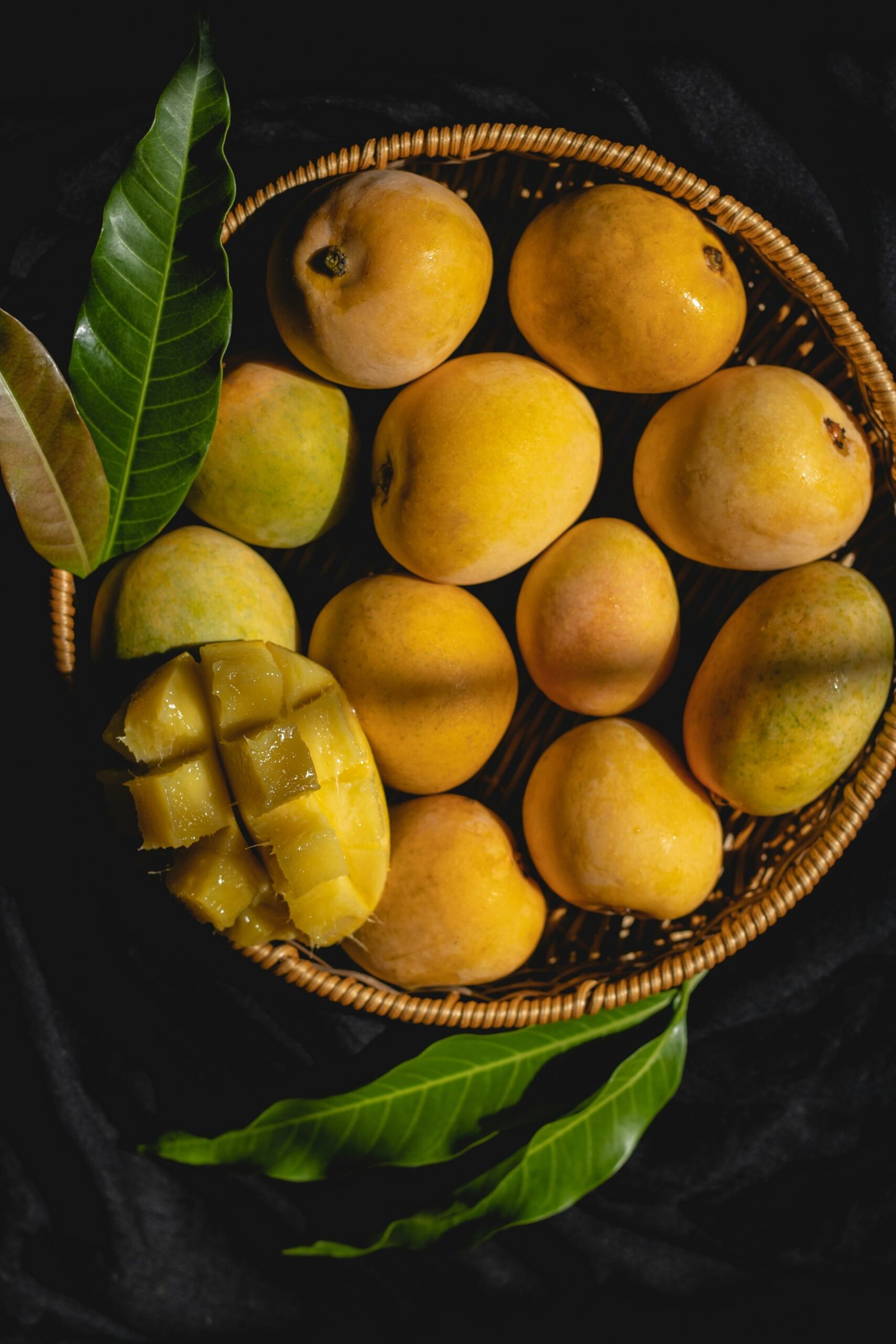
A true turning point arrived when the Portuguese introduced grafting techniques to the region in the 16th century. This agricultural innovation led to the birth of the legendary Alphonso mango—now synonymous with Ratnagiri and Devgad.
These coastal districts soon became the heart of the Ratnagiri Devgad mango trade, producing fruit with exceptional aroma, sweetness, and shelf life. The Alphonso’s superior quality was no accident—it was the result of careful cultivation techniques combined with the region’s unique microclimate.
By the 18th century, Alphonso became prized cargo in Konkan mango exports. Arab, Persian, and later British traders recognized its superior quality and began transporting it to elite markets. The mango’s fame spread far beyond India’s shores, earning the region international recognition.
Trade routes expanded, and infrastructure grew with them. Wharf towns developed customs houses, storage godowns, and bustling bazaar streets. This ecosystem cemented the importance of the mango trade in Maharashtra as a major contributor to regional prosperity.
Building a Global Export Heritage
The mango export heritage of the Konkan coast carried cultural influence along with economic benefits. As sailors travelled with crates of mangoes, they also carried stories, recipes, and agricultural practices.
This exchange helped strengthen relationships with Middle Eastern traders, who became lifelong patrons of Alphonso mangoes. Historical records from the British colonial period show that by the 1800s, mangoes from Ratnagiri commanded premium prices in London’s Covent Garden market.
The fruit became a bridge between cultures. It introduced Indian flavours to foreign palates while bringing back new trade opportunities to coastal communities.
Even during challenging monsoon seasons when other crops failed, mango orchards provided reliable income. This economic stability allowed generations of families to thrive and pass down cultivation knowledge through centuries.
Modern Legacy: From Tradition to International Markets
In contemporary coastal communities, mango cultivation is more than business—it is an emotion and generational heritage. Today, the Konkan region exports over 25,000 metric tonnes of Alphonso mangoes annually to countries including UAE, UK, USA, and Singapore, generating revenues exceeding ₹500 crores.
Families nurture their orchards with dedication, contributing each year to the thriving Konkan mango exports that reach global markets. Despite modern transport and cold storage logistics, many farmers still rely on traditional cultivation methods passed down through generations.
As a fourth-generation mango cultivator from the Konkan region, I’ve witnessed how this deeply rooted culture demonstrates the long-term importance of mango cultivation history in shaping Maharashtra’s identity. Our family orchard, like thousands of others, continues practices that would be recognizable to our ancestors who supplied those early merchant ships.
What began centuries ago as local trade from humble ports has evolved into a world-recognized symbol of purity and flavour. This journey shows how one fruit—cultivated by the people and shaped by the sea—played a transformative role in the economic and cultural story of Maharashtra.
Frequently Asked Questions
When did mango exports begin from Maharashtra’s coast?
Mango exports from Maharashtra’s Konkan coast began in earnest during the 15th-16th centuries, with organized maritime trade routes connecting Indian ports to Middle Eastern and African markets through the Arabian Sea.
Why is Alphonso mango from Ratnagiri and Devgad so famous?
Alphonso gained global fame due to Portuguese grafting techniques introduced in the 16th century, combined with Konkan’s unique laterite soil, coastal humidity, and ideal climate. This creates the fruit’s distinctive sweetness, aroma, and texture that cannot be replicated elsewhere.
Which ancient ports were central to the mango trade?
Key historical ports included Suvarnadurg, Dabhol, Rajapur, and Guhagar. These served as major hubs where mangoes were loaded onto ships bound for international destinations during the Maratha and Portuguese periods.
How did the Maratha empire influence mango trade?
The Maratha empire invested in orchard cultivation, used mangoes as diplomatic gifts in royal courts, and established naval protection for merchant vessels. This governmental support transformed mangoes from a local crop into an internationally traded commodity.
Have your ancestors been part of this rich mango legacy? We’d love to hear your family stories and traditions connected to Konkan’s mango heritage. Share your experiences in the comments below.