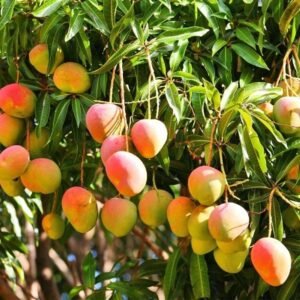
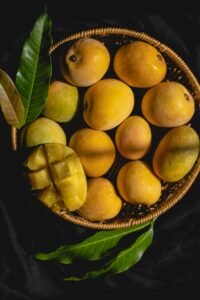
What Makes Ratnagiri Mangoes India’s Undisputed Champions? The Science Behind the Sweetness
Discover why Ratnagiri Alphonso mangoes reign supreme in India. From unique terrain to superior flavor, texture, and aroma—the science behind perfection

Discover why Ratnagiri Alphonso mangoes reign supreme in India. From unique terrain to superior flavor, texture, and aroma—the science behind perfection
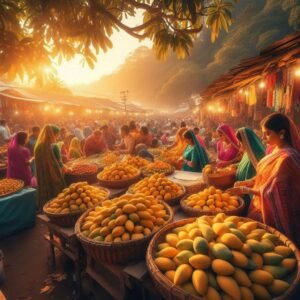
Discover how Maharashtra’s Konkan coast built a legendary mango trade empire. From ancient ports to Alphonso’s global fame—a 500-year journey of commerce and culture.

Discover how mangoes transcend taste in India—from sacred Hindu rituals and wedding traditions to Mughal courts and folk art. Explore 4,000 years of cultural heritage

Discover how Konkan’s mango harvest transforms into vibrant festivals filled with tradition, community, and the legendary Alphonso. From temple rituals to bustling Aambabazaars, experience the golden season that connects generations.
The mango orchards covering the Western Ghats’ Konkan hillsides didn’t grow here naturally — they were engineered, one rock-blasted planting hole at a time. From Portuguese grafting science in the 16th century to British botanical gardens and Konkan farmers who turned barren laterite into 1.8 lakh hectares of Alphonso paradise, this is a colonial legacy still bearing fruit.

Long before refrigerated trucks, export-quality packaging, and modern ports, the Konkan coastline was already a thriving hub of mango exchange. Its reputation wasn’t built overnight—it grew through centuries of ancient trade routes that carried the fragrance of Konkan mangoes far beyond the Western Ghats. To understand the region’s deep connection with mangoes, we must travel back in time to the bustling world of old Konkan, where traders, sailors, and farmers shaped a legacy that still influences the mango industry today.

When you hear the name Ratnagiri, one image almost instantly comes to mind—the rich golden Hapus, better known as the Alphonso mango. Revered as the “King of Mangoes,” its journey from a simple fruit to an international delicacy is as fascinating as its flavour. The history of Ratnagiri mangoes is not just about agriculture; it is a story shaped by geography, culture, colonisation, and generations of dedicated farmers
The British East India Company didn’t arrive in India looking for a mango — but it found one it couldn’t ignore. From James Forbes’ 1765 botanical journals to the legendary 1838 shipment for Queen Victoria, the story of how Britain encountered the Alphonso is a colonial chapter that changed the fruit’s global destiny forever.
In Konkan villages, mango trees are not grown — they are inherited. From the sacred Purnakumbha that cannot be complete without a mango branch, to the ghost of the Munjya who guards the tree at midnight, to mango wood on the funeral pyre — this fruit accompanies human life from its very first ceremony to its last.
The Peshwas didn’t just eat the Alphonso — they built empires around it. By planting millions of mango grafts across Konkan, restricting Portuguese supply, and gifting mangoes as diplomatic currency to rival courts, the Maratha rulers transformed a colonial fruit introduction into India’s most celebrated agricultural and cultural legacy.
At Kokan Samrat, we bring you hand-picked, naturally ripened organic mangoes from the heart of Ratnagiri—grown sustainably, harvested with care, and delivered with unmatched freshness.