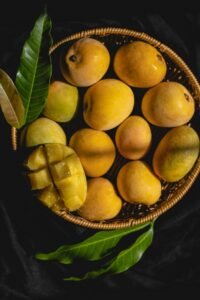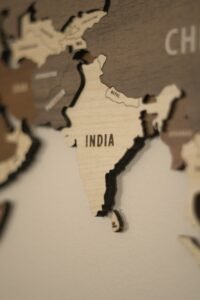
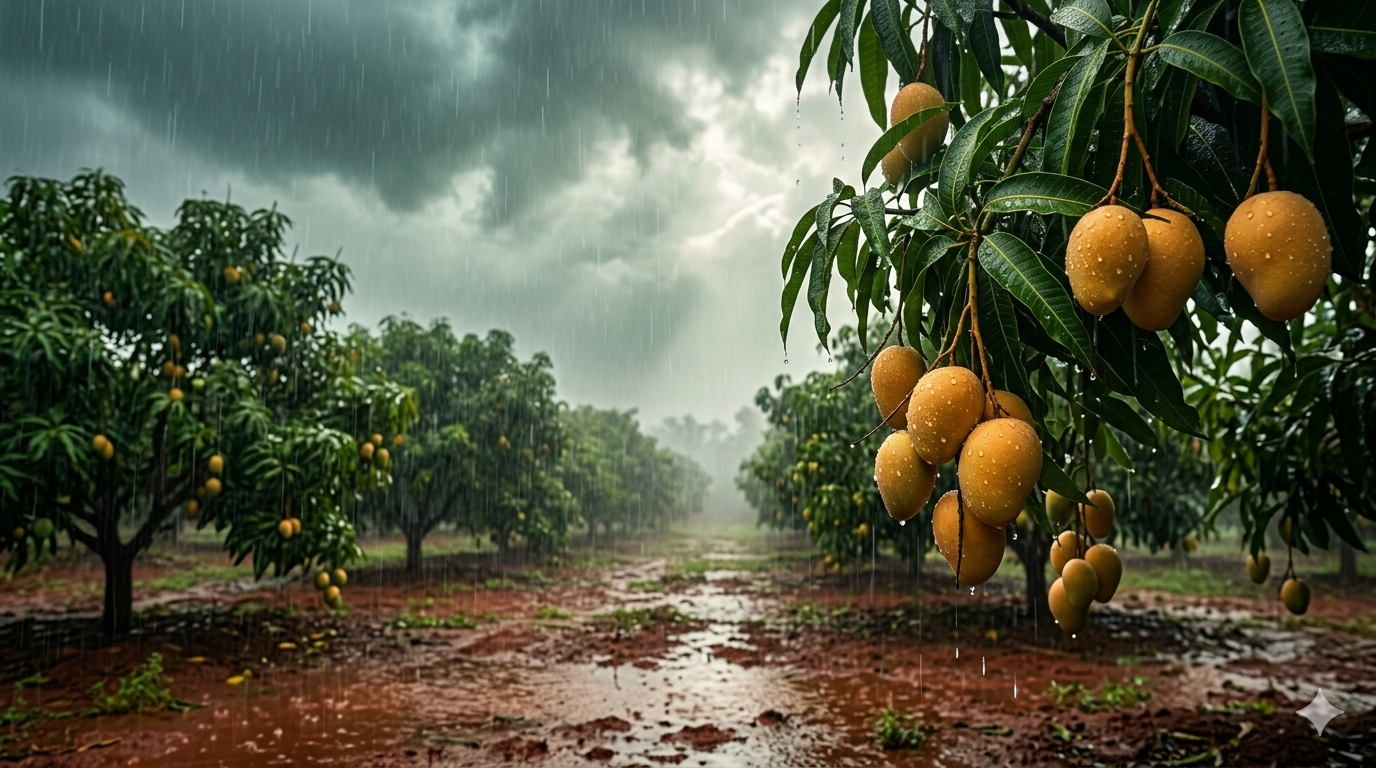
India’s two most defining natural events — the mango season and the monsoon — share a relationship so precise and so ancient that the language of the subcontinent captures it in a single phrase: mango showers. These are the brief, electric pre-monsoon rain bursts that arrive in April and May across Kerala, Karnataka, and coastal Maharashtra — named not after the monsoon they precede, but after the fruit they help ripen. The mango and the monsoon are bound to each other not by coincidence or poetry, but by one of nature’s most precise biological arrangements — a seasonal rhythm so finely calibrated that any disruption to the monsoon’s timing, duration, or intensity sends an immediate, measurable shockwave through every mango orchard in the country.
The Mango Tree’s Seasonal Clock
To understand why the monsoon matters so deeply to the mango, you first need to understand the mango tree’s biological calendar. The Alphonso and other Indian mango varieties are not evergreen in their behavior — they live through clearly defined seasonal phases, each one triggered by specific weather conditions.
During the monsoon months of June through September, the mango tree enters its most vigorous vegetative growth phase — drawing on abundant rainfall to push new shoots, develop canopy density, and build the carbohydrate and starch reserves it will need for the following fruiting season. This is when the tree invests entirely in its own structural growth. Roots deepen, branches extend, and every cell in the tree works toward one future goal: the energy required to produce flowers and fruit.
Then, as the monsoon retreats and October brings drier, cooler air, a biological switch is thrown. The reduction in water availability and the drop in temperature signal the tree to stop vegetative growth and begin the slow, internal preparation for flowering. A dry period of three to four months — from October through January — is not a hardship for the mango tree. It is the essential biological trigger that tells the tree to redirect its resources from growth into reproduction.
Why Dry Weather Before Flowering Is Non-Negotiable
The most counterintuitive truth about mango cultivation is this: rain before flowering actively harms the crop. When rainfall arrives during October, November, or December — the critical window in which the mango tree is preparing its flower buds — it stimulates a second flush of vegetative growth instead of allowing flower bud differentiation to proceed. The tree, receiving an unexpected water signal, reverts to leaf production at the expense of flowering. The result is sparse, erratic, or completely absent flowering — and therefore, no fruit.
This is precisely what happened in 2022, when the monsoon extended into November across Konkan — well beyond its normal September retreat. The extended rainfall prevented the cool, dry conditions that Alphonso trees required for flower bud initiation, and the 2023 season recorded a 40 percent drop in Alphonso mango production across Maharashtra as a direct consequence. The monsoon had overstayed its welcome by a matter of weeks — and the mango season paid the price for an entire year.
Rain During Flowering: A Critical Vulnerability
The mango’s relationship with rain reaches its most delicate and precarious point during the January-to-February flowering window, when the tree produces its iconic white-cream panicles that will eventually become fruit. Rain during this three-to-six-week period is devastating. Wet conditions prevent pollinators — primarily hoverflies and small bees — from accessing and transferring pollen between flowers, causing widespread pollination failure. The moisture also creates ideal conditions for powdery mildew and anthracnose fungi, both of which can destroy an entire flowering in a matter of days.
Farmers across the Konkan coast describe the anxiety of the flowering season with a language rooted in years of bitter experience. A single unseasonal December rain in 2022 caused mango flowers in Chiplun and Sawantwadi to turn black and decay, with farmers estimating immediate losses of 10 percent of their crop before the season had even properly begun. The flowers that survive determine the harvest. The harvest that arrives at your table in April and May was won or lost, silently, in February’s weather.
Mango Showers: The Rain That Helps Ripening
Not all rain during the mango season is destructive. The famous mango showers — short, intense pre-monsoon rain bursts that sweep across the southern and western coasts of India between April and June — are genuinely beneficial to the ripening fruit. These showers lower ambient temperatures temporarily during the hottest part of the day, reducing the heat stress on ripening fruit that can cause premature drop, skin burns, and internal drying. In Kerala, Karnataka, and coastal Maharashtra, experienced farmers have always read the timing and intensity of mango showers as a guide to how the final stage of ripening will progress and when the optimal harvest window will arrive.
The mango shower is also the seasonal marker that tells Konkan farmers that the harvest is approaching its end. As mango showers intensify and the true monsoon approaches, the remaining fruit must be picked quickly — because the full monsoon, when it arrives, ends the mango season definitively. Pre-monsoon rains in May 2025 forced Ratnagiri farmers to harvest their Alphonso crop 10 days earlier than usual, sending higher volumes of semi-ripe fruit to canning rather than fresh sales and contributing to a 50 percent reduction in market supply for that month.
When the Balance Breaks
The mango’s extraordinary sensitivity to rainfall timing is precisely what makes the accelerating disruption of India’s monsoon patterns so alarming for the country’s fruit sector. An extended monsoon — arriving too late in the season or retreating too slowly — removes the dry window the tree needs for flowering. An unseasonal rain event during December or January destroys flower buds. A heatwave during the critical fruit development period causes mass fruit drop. And pre-monsoon showers arriving too early or too intensely compress the harvest window, degrading quality and forcing premature picking.
Taken together, these disruptions represent a systematic assault on the seasonal rhythm that the Indian mango — and particularly the Ratnagiri Alphonso — has evolved over centuries to depend upon. The mango does not need the monsoon to be absent. It needs the monsoon to be on time — arriving in June, retreating in September, staying away through winter, and brushing gently through April in the form of those brief, life-giving showers that the subcontinent has always called by the fruit’s own name.