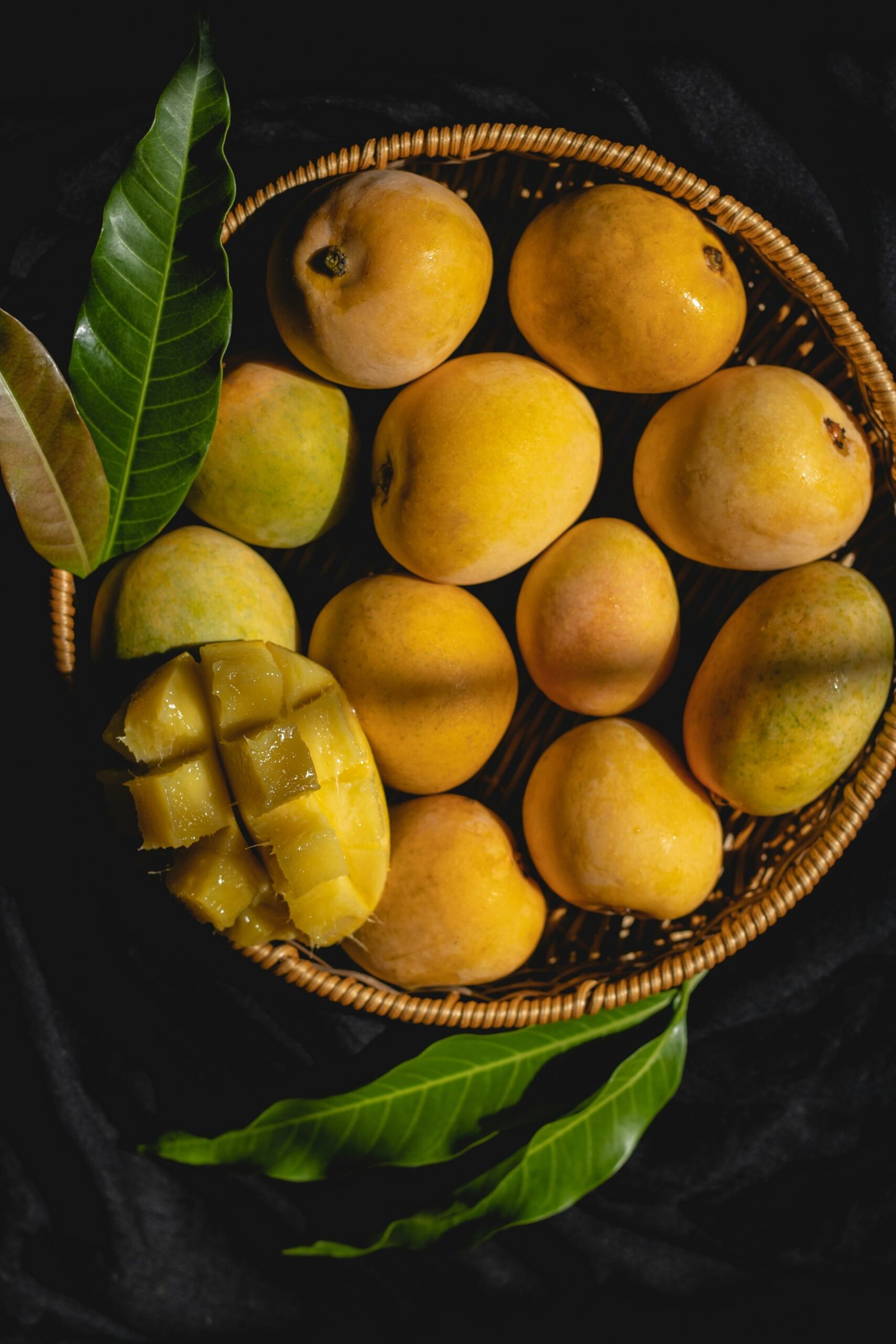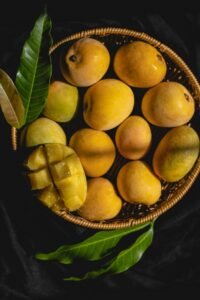
Plant a mango seed in the ground today, water it faithfully for the next seven years, and you might — might — get fruit. It might taste like the Alphonso you ate the seed from, or it might taste like something unrecognizably different. It might never fruit at all. This is the fundamental and poorly understood reality of growing mango from seed: the outcome is genuinely unpredictable, and the wait is genuinely long. It is also the single most important reason why every commercial mango orchard in India — and every farm that produces Alphonso, Kesar, Dasheri, or any other premium variety consistently — uses grafted plants instead.
The difference between a grafted mango tree and a seed-grown one is not simply a horticultural technicality. It is the difference between certainty and chance — in fruiting time, in fruit quality, in commercial viability, and in the long-term health and productivity of the orchard. Understanding this difference matters whether you are a mango farmer, a home gardener considering your first tree, or simply someone who wants to understand what makes a premium mango consistently premium.
What Grafting Actually Means
Grafting is the process of joining a shoot or branch from a desired parent plant — called the scion — onto the rooted base of a separate plant — called the rootstock. The two are cut to fit and bound together until their vascular tissues fuse, creating a single plant that draws water and nutrients through the rootstock’s established root system while producing fruit and leaves that are genetically identical to the scion’s parent tree.
The most common methods used for mango propagation in India are veneer grafting, stone grafting, and epicotyl grafting — each suited to different conditions and production scales. Inarching — the traditional method in which the scion remains attached to its parent plant throughout the grafting process — was once the dominant technique in Konkan mango cultivation and is still practiced for high-value, difficult-to-root varieties. In all methods, the fundamental principle is identical: the fruiting part of the new tree is not grown from seed but taken directly from a mature, proven, producing parent tree.
The Genetics Problem: Why Seed-Grown Mangoes Are Unpredictable
Most premium commercial mango varieties — including the Alphonso — are monoembryonic, meaning each seed contains a single embryo that carries a genetic mix from both the mother tree and the pollen parent that fertilized it. Mangoes are also highly heterozygous — their genetic makeup is extraordinarily diverse — meaning the offspring of a seed almost never matches the flavor, texture, color, or yield characteristics of the parent fruit.
This is not a minor variation. Plant an Alphonso seed and the resulting tree might produce fruit that is smaller, more fibrous, more acidic, differently colored, differently aromatic — or simply inferior in every measured quality parameter compared to the parent. Commercial orchards cannot absorb this level of genetic uncertainty. A fruit brand built on the Alphonso’s specific flavor profile cannot deliver that profile consistently if its trees are grown from seed. The only way to guarantee that a tree produces Alphonso mangoes — with the specific aroma, texture, pulp color, and Brix level that define the variety — is to propagate it vegetatively through grafting, creating a genetic clone of a proven parent.
Time to First Fruit: The Most Visible Difference
The most immediately practical difference between grafted and seed-grown mango trees is the time it takes to produce the first harvest. A seed-grown mango tree, under good growing conditions, typically takes 5 to 8 years before it begins to flower and fruit — and in many cases significantly longer, with some seedling trees taking up to 12 years. During this entire waiting period, the tree is occupying space, consuming water and nutrients, and generating zero commercial return.
A grafted mango tree, because its scion wood carries the genetic maturity of the parent tree it was taken from, begins fruiting within 3 to 4 years of planting — and often produces its first small crop within 2 years under ideal conditions. The grafted tree is, in biological terms, not starting from zero: it is a cutting of an already mature plant, simply given a new root system. This earlier fruiting translates directly into earlier revenue for commercial growers and earlier satisfaction for home gardeners.
Fruit Quality: Consistency vs. Lottery
Beyond timing, grafted trees deliver something that seed-grown trees fundamentally cannot: guaranteed, consistent fruit quality. Every grafted Ratnagiri Alphonso tree grown from a verified parent scion produces fruit of the same size, shape, color, flavor profile, Brix level, and aromatic intensity as the parent tree — year after year, generation after generation.
Seed-grown trees, as discussed, produce fruit that may bear a superficial resemblance to the parent variety but will differ — sometimes marginally, sometimes dramatically — in the quality characteristics that define value. For Kokan Samrat and every other serious Konkan mango producer, grafted propagation is not a preference. It is the only method compatible with the quality standard the brand commits to.
The Rootstock Advantage: Strength from Below
While the scion determines what the tree produces, the rootstock determines how well it survives and thrives. This is one of grafting’s least appreciated advantages — the ability to choose a rootstock that brings specific strengths to the composite plant.
Seed-grown rootstocks selected for mango grafting are typically chosen for their vigorous deep root systems, disease resistance, and soil adaptability. Certain rootstocks confer better tolerance to waterlogged or drought conditions, resistance to soil-borne fungal diseases, and improved nutrient uptake efficiency — all of which enhance the composite grafted tree’s productivity beyond what either the scion or rootstock could achieve independently.
Seed-grown trees, while they develop the same deep root systems and are generally more vigorous, longer-lived, and more frost-hardy than grafted trees, carry none of the fruit quality predictability or fruiting timeline advantages that make grafted trees commercially essential. A seed-grown mango tree may outlive a grafted one by decades — but in those extra decades, it may never produce a single mango worth selling.
What This Means for the Mango in Your Hand
Every Alphonso mango from a verified Konkan producer — including every mango from Kokan Samrat — grew on a grafted tree whose scion wood traces back to a proven, high-performing parent in the Ratnagiri or Devgad growing region. That traceable lineage is precisely why the fruit is consistent: same fragrance, same color, same fiber-free pulp, same Brix level, season after season.
When you choose a farm-direct mango from a producer who maintains grafted orchards of documented origin, you are not just buying a fruit. You are buying the accumulated horticultural intelligence of generations of Konkan farmers who understood — long before the science caught up with the practice — that the best mango is never a lottery. It is a certainty, carefully engineered from the first cut on the graft.