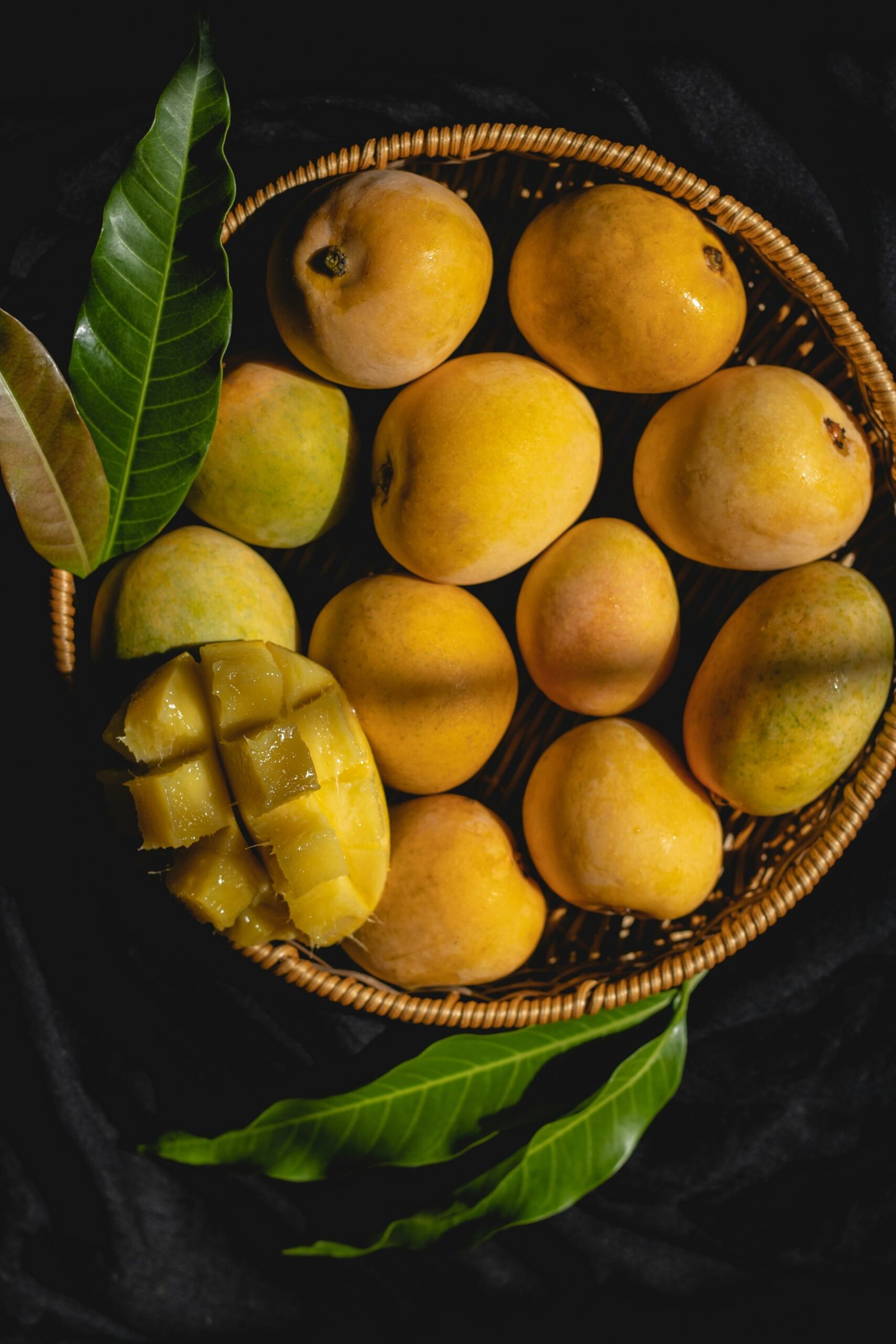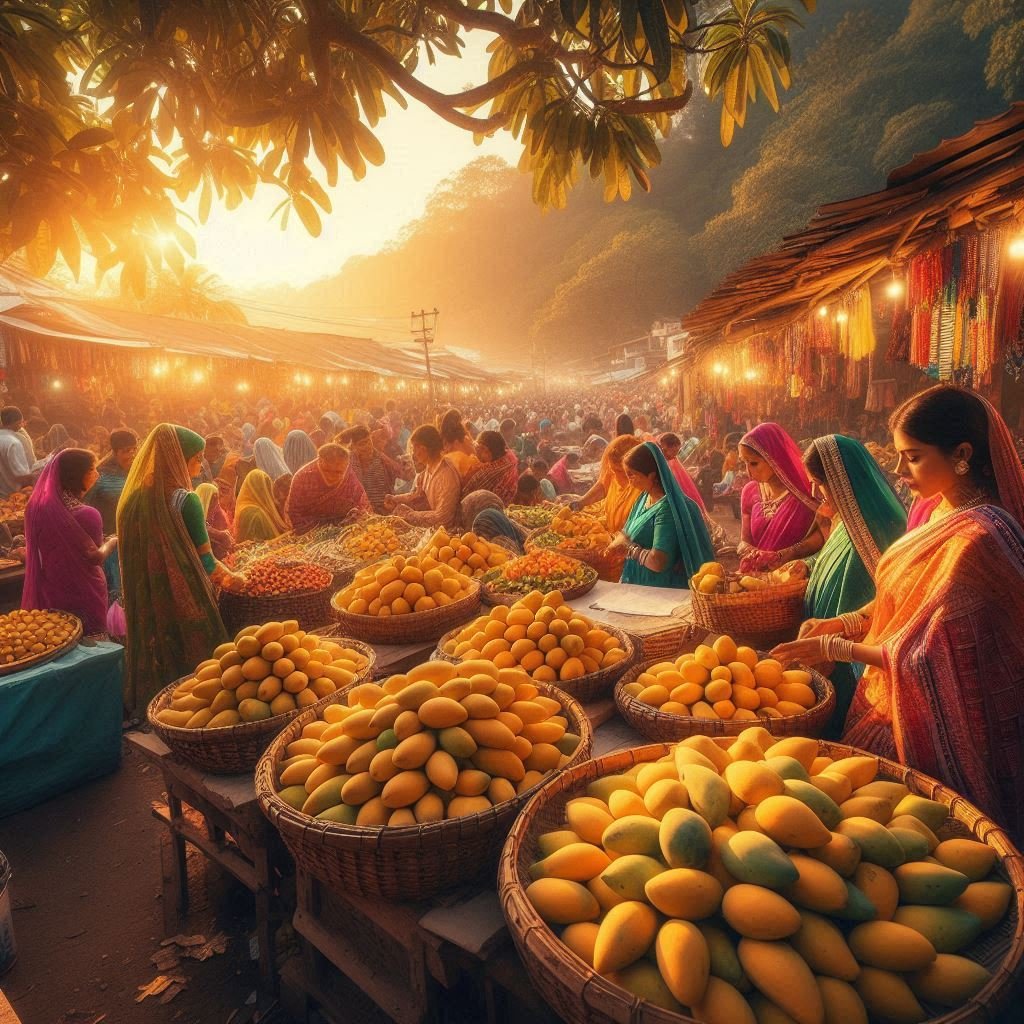
There is a quiet revolution happening in the mango orchards of Ratnagiri. It doesn’t announce itself with loud machinery or chemical clouds drifting over tree canopies. It announces itself in the deep green of healthy leaves, the rich saffron of perfectly ripened Alphonso fruit, and the living, breathing soil beneath every tree that has been carefully restored to what it was always meant to be. At Kokan Samrat, the future of mango farming is organic — and that future is already taking root.
Why Organic Mango Farming Is No Longer Optional
Consumer awareness around food quality, chemical residues, and environmental sustainability has shifted dramatically over the last decade. Today’s mango buyer — whether in Mumbai, Delhi, London, or Dubai — is increasingly asking not just how does it taste, but how was it grown. Demand for certified organic Alphonso mangoes has surged both domestically and in international export markets, with premium organic produce commanding prices 30–50% higher than conventionally grown equivalents.
For Konkan’s mango farmers, this shift represents an extraordinary opportunity. The Alphonso mango — already the world’s most celebrated mango variety — becomes an even more compelling product when grown without synthetic pesticides, chemical fertilisers, or artificial ripening agents. Organic certification transforms a premium fruit into a world-class, consciously grown product that speaks directly to the values of today’s most discerning consumers.
Where Kokan Samrat Stands Today
Kokan Samrat’s journey toward fully organic mango farming is not a sudden pivot — it is the natural evolution of farming values that have always prioritised the health of the land over short-term chemical-driven yields. The farm has progressively reduced synthetic inputs over successive seasons, replacing them with:
- Vermicompost and farm-made compost that rebuild soil microbial communities
- Jeevamrut and panchagavya — traditional Indian bio-inputs that stimulate plant immunity and soil biology
- Neem oil and botanical sprays for pest management that leave no harmful residues on fruit
- Companion planting strategies using marigold, basil, turmeric, and neem to create natural pest barriers
- Drip irrigation and rainwater harvesting to manage water sustainably through dry seasons
Each of these practices moves the orchard closer to a self-regulating, chemical-free ecosystem — one that produces exceptional fruit not despite the absence of synthetic inputs, but because of it.
The Road to Organic Certification
Achieving formal organic certification is a rigorous, multi-year process that requires documented proof of chemical-free farming practices over a minimum transition period — typically three years under Indian and international organic standards. This transition period, sometimes called the conversion phase, demands patience and financial discipline from farmers, as yields may fluctuate while the soil ecosystem rebuilds its natural balance.
Kokan Samrat is committed to navigating this process with transparency and integrity. The certification pathway involves:
- Soil and water testing at accredited laboratories to document the absence of chemical residues
- Detailed farm management records covering every input applied, every intervention made, and every harvest recorded
- Third-party inspection by accredited organic certification bodies recognised under India’s National Programme for Organic Production (NPOP) and internationally under EU Organic and USDA NOP standards for export eligibility
- Traceability systems that allow every box of Kokan Samrat Alphonso mangoes to be traced back to a specific orchard, harvest date, and farming record
This level of documentation and accountability doesn’t just satisfy certification requirements — it builds the kind of consumer trust that no marketing campaign can replicate.
Technology Meets Tradition: The Smart Organic Orchard
The future of organic mango farming at Kokan Samrat is not about rejecting modern technology — it’s about deploying the right technology in service of ecological farming values.
Emerging tools being explored and adopted include:
- Soil health sensors that provide real-time data on moisture levels, pH, and nutrient availability — enabling precision organic input application rather than guesswork
- Drone-assisted orchard monitoring for early detection of pest pressure, disease symptoms, and irrigation gaps across large orchard areas
- Mobile-based farm management apps that digitise input records, harvest logs, and weather data for seamless certification documentation
- Bio-control laboratories producing on-site batches of beneficial microorganisms like Trichoderma and Pseudomonas fluorescens for natural disease suppression
These technologies don’t replace the farmer’s wisdom and seasonal instinct — they amplify it, enabling faster, smarter decisions that protect organic integrity at every stage of the growing cycle.
Organic Farming as a Community Movement
The future Kokan Samrat envisions is not limited to its own orchards. Sustainable, organic mango farming across Ratnagiri requires a community-wide shift — one where neighbouring farmers, local cooperatives, and regional agricultural institutions work together toward shared organic standards and collective market access.
Kokan Samrat actively participates in farmer knowledge-sharing sessions, supports younger growers transitioning away from chemical dependency, and advocates for stronger government support for organic mango certification subsidies in Maharashtra. When one orchard in Ratnagiri goes organic, the surrounding ecosystem benefits. When a cluster of farms makes the transition together, the entire region’s produce reputation is elevated.
This is how Devgad and Ratnagiri protect the Alphonso mango’s global reputation for generations to come — not through marketing alone, but through the uncompromising quality that only genuinely organic farming delivers.
A Harvest Worth Believing In
The future of organic mango farming at Kokan Samrat is built on a simple but powerful conviction — that the best mango is one grown in the healthiest soil, by the most respectful hands, with the deepest commitment to leaving the land better than it was found. Every season of chemical-free farming is a deposit into the long-term ecological account of Konkan’s mango heritage.
When you hold a Kokan Samrat Alphonso mango — feel its weight, breathe its fragrance, taste its extraordinary sweetness — you are holding the result of that commitment. Not just a fruit. A promise. A future. A harvest worth believing in.