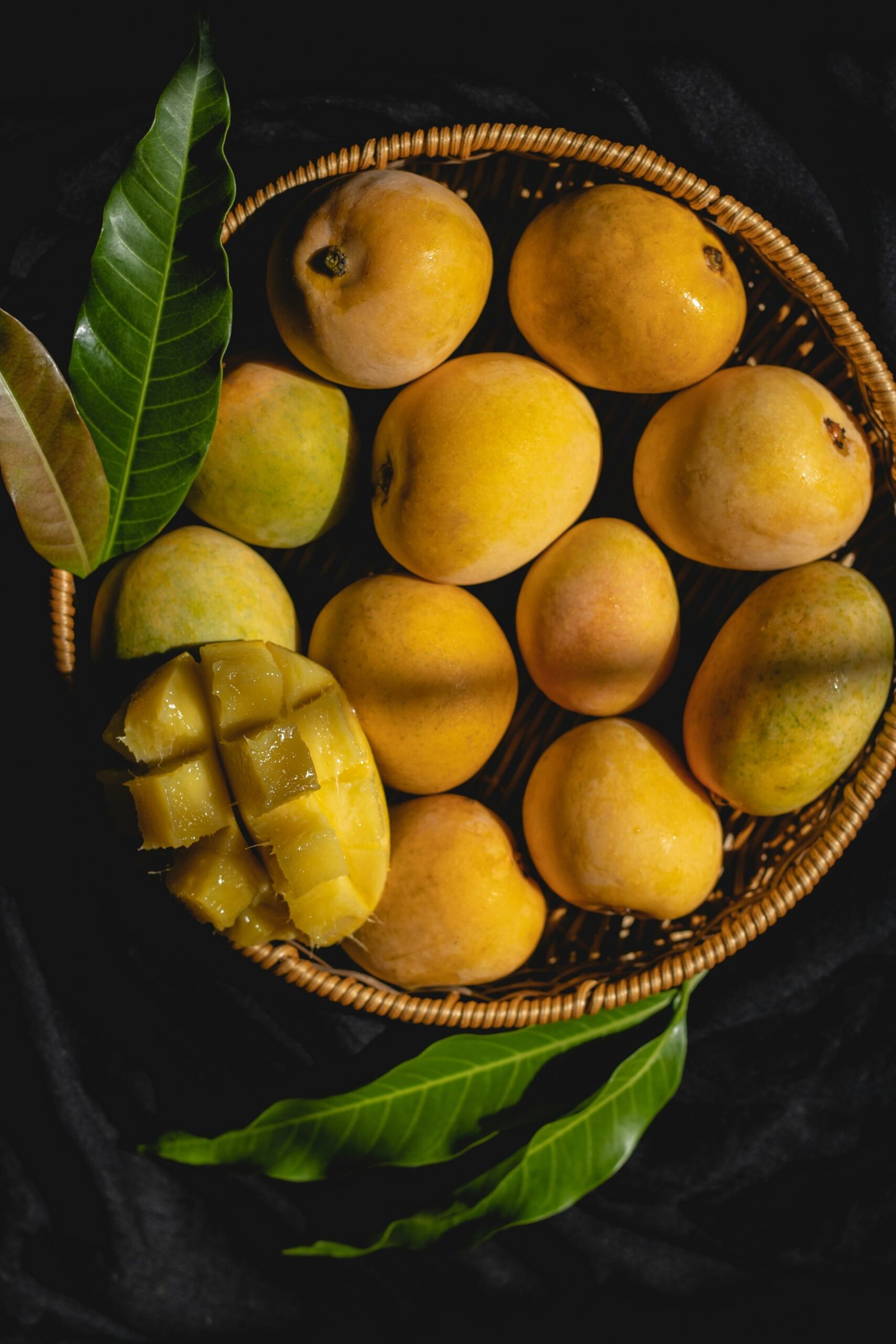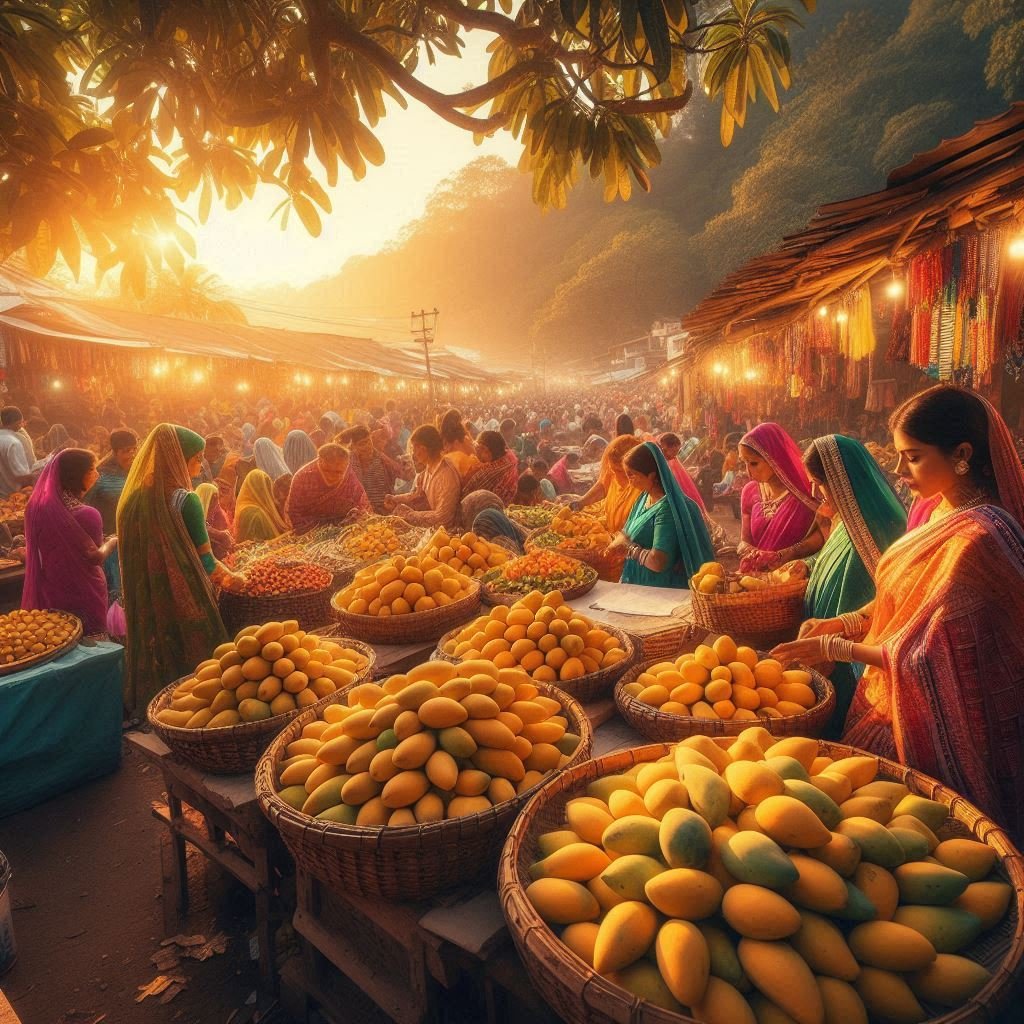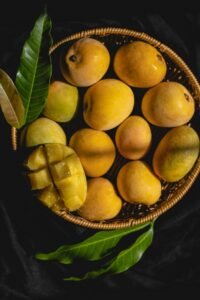
In the summer of 2025, mango farmers in Ratnagiri watched helplessly as their orchards produced their lowest yields in two decades. A farmer who once harvested 500 dozen Alphonso mangoes per day was picking barely 200. In some orchards, the second flowering — the harvest phase that typically floods Indian markets with Hapus from April to June — simply did not happen. The culprit was not a pest, not a disease, and not poor farming. It was the weather — specifically, the accelerating unpredictability of a climate that the Alphonso mango’s biology was never designed to survive.
The Alphonso’s Vulnerability: A Flower That Needs Winter
To understand why climate change threatens Ratnagiri’s mango orchards so severely, it is essential to understand one biological fact: the Alphonso mango flowers in winter, and it needs the cold to do so. The physiology of the mango plant requires a clearly defined cool, dry period between November and February to initiate the hormonal cascade that triggers flower bud development. Without sufficient winter chill, the plant’s reproductive buds convert into vegetative buds instead — producing leaves rather than flowers, and therefore no fruit.
Rising temperatures in Ratnagiri are directly compressing and shortening the winter season. Farmers across the district now report that the pronounced cold period they once depended upon for reliable flowering has become shorter, warmer, and increasingly inconsistent year on year. In 2025, the first flowering failed almost entirely across large parts of Ratnagiri — and the second flowering yielded fruit that many observers described as the worst mango season in living memory, with production estimated at only 25 to 35 percent of normal capacity.
Unseasonal Heatwaves: Burning the Harvest Mid-Season
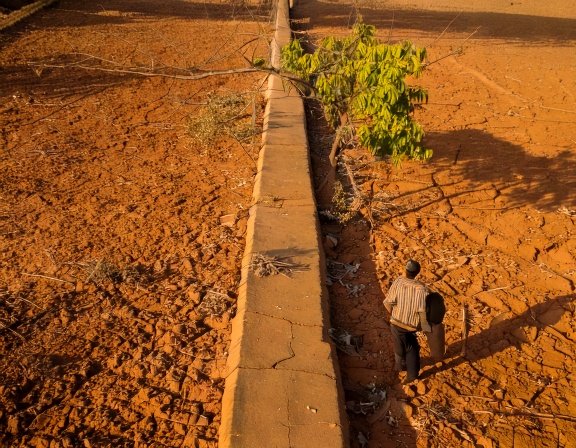
Even when flowering succeeds, the developing fruit faces a new and devastating threat — unseasonal heatwaves arriving precisely during the critical fruit development window. In February and March 2023, Konkan experienced temperatures between 37 and 39 degrees Celsius — above the 35-degree threshold that Alphonso trees can sustain without severe physiological stress. The result was catastrophic: flowers wilted, unripe mangoes dropped from the trees, and farmers estimated that up to 75% of the second harvest — the larger, more commercially significant phase of the season — was lost in a single two-week weather event.
The economic consequences were immediate and severe. Alphonso mango prices in Pune’s markets climbed from ₹500–700 per dozen in 2022 to ₹700–1,000 per dozen in 2023, as reduced supply collided with unchanged urban demand. For farmers, the price increase brought no comfort — higher market rates are meaningless when the trees themselves have nothing to sell. The heatwave that compressed the 2023 harvest and the climate failure that defined 2025 are not isolated events. They are the new pattern.
Unseasonal Rainfall: When Water Becomes the Enemy
The mango’s relationship with water is precise and seasonal. Ratnagiri’s Alphonso thrives on a clearly defined dry period between October and May — covering the entire flowering and fruiting window — and depends on the monsoon arriving only in June to begin the tree’s recovery and vegetative growth. Unseasonal rainfall during the dry season disrupts this balance in multiple, compounding ways.
Rain during the flowering phase washes away pollen, reduces pollinator activity, and triggers fungal infections — particularly powdery mildew and anthracnose — that destroy developing flowers and young fruit. Research published in peer-reviewed journals confirms that the excessive water content in mangoes from rain-affected seasons directly lowers Brix levels — the measure of sugar concentration in the pulp — producing fruit that is watery, less aromatic, and commercially substandard. When unseasonal rain strikes in February, as it increasingly does across Konkan, the entire flowering season can be functionally wiped out by fungal disease within days.
The Long-Term Warning: Alphonso May Leave Ratnagiri
The most alarming forecast comes not from a farmer’s estimate but from an official government document. Maharashtra’s State Action Plan on Climate Change 2030 projects that if temperature rise continues on its current trajectory, mango output in Ratnagiri could fall by 80 to 90 percent — and the report explicitly raises the possibility of shifting Alphonso mango cultivation out of Ratnagiri entirely as the district’s climate becomes physiologically incompatible with the variety. The report anticipates daytime temperatures rising by up to 1.56 degrees Celsius and nighttime temperatures by up to 1.83 degrees Celsius in Maharashtra by the 2030s — changes that, for a crop as climatically sensitive as the Alphonso, represent an existential threat.
This is not a distant projection. The data from 2023 and 2025 harvests suggests that the climate conditions described in these forecasts are already partially arriving, ahead of schedule.
How Ratnagiri’s Farmers Are Responding
Despite the severity of the challenge, Ratnagiri’s farming community is not passive. Agricultural researchers at BSKKV Dapoli have developed climate-resilient practices — including canopy management, intercropping strategies, improved irrigation scheduling, and the promotion of climate-adapted varieties like Konkan Samrat and Ratna — specifically designed to buffer orchards against temperature extremes and erratic rainfall. Farmers are increasingly adopting soil moisture conservation techniques and protective nets over young plants during heatwave periods to reduce direct heat stress on developing fruit.
The adoption of organic farming practices in older orchards is also proving beneficial — organically managed trees develop stronger root systems and more resilient microbial soil ecosystems that buffer against climate stress more effectively than chemically dependent orchards. And critically, there is growing awareness among Ratnagiri farmers that documenting yield losses, reporting climate-linked damage to agricultural authorities, and participating in government advisory programs are no longer optional activities but urgent necessities.
A Fruit Worth Fighting For
The Ratnagiri Alphonso mango is not just a commodity. It is a cultural identity, a geographic legacy, and the livelihood of tens of thousands of farming families across one of Maharashtra’s most economically dependent agricultural regions. Climate change is threatening all of that — not gradually, but visibly and rapidly, season by season.
Protecting the Alphonso mango from climate disruption is not simply an agricultural challenge. It is a conservation imperative — one that demands investment in research, policy, and community action at every level. The orchards of Ratnagiri have survived a hundred monsoons. Whether they survive the next fifty will depend on what decisions are made today.