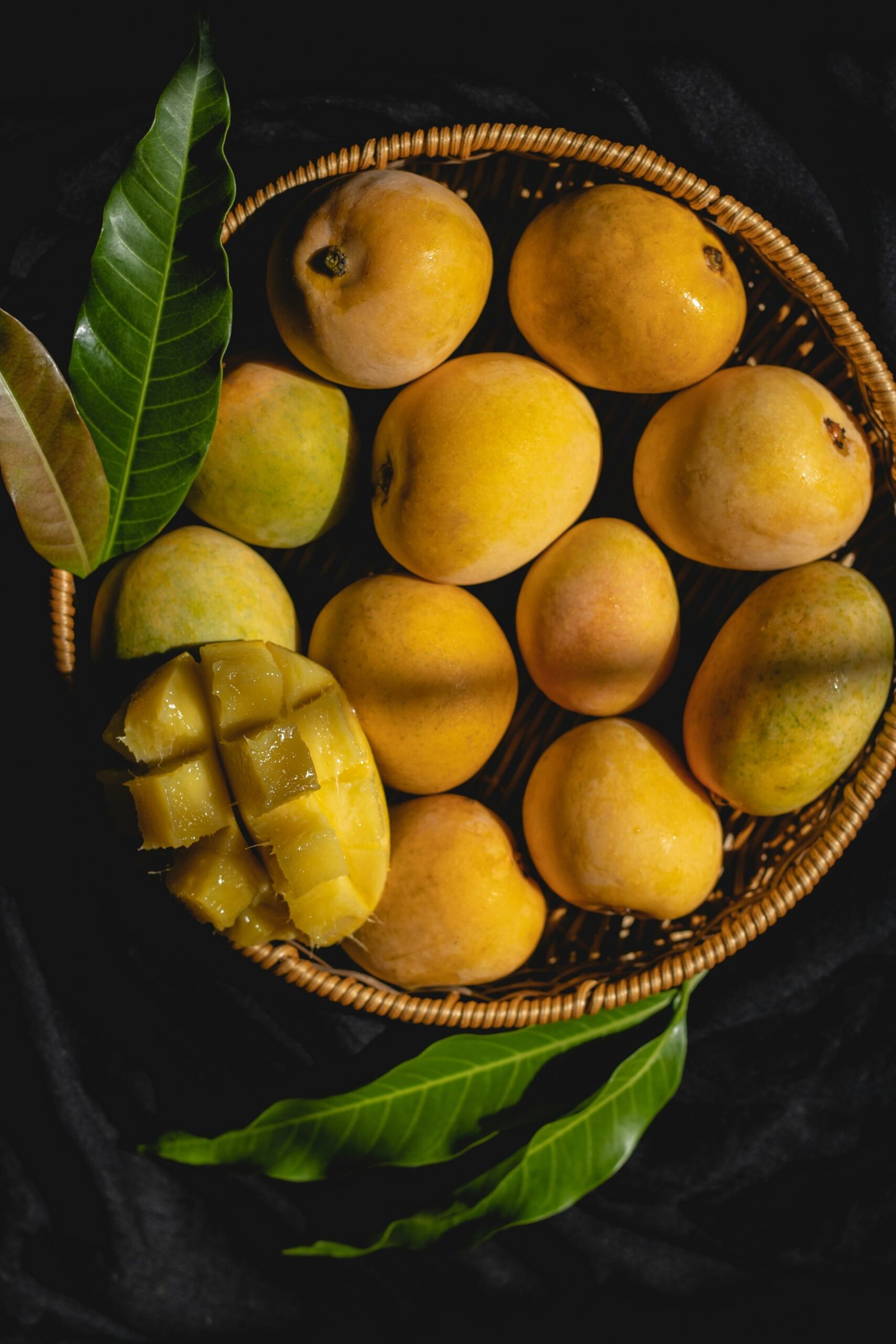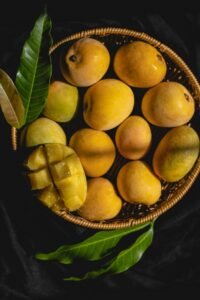
Picture a mango orchard where every tree is the same variety, grown in identical rows, dependent on the same chemical inputs year after year. It looks efficient — but beneath the surface, it’s fragile. One new pest, one drought season, one fungal outbreak, and the entire harvest is at risk. Now picture an orchard buzzing with pollinators, rich with companion plants, and home to multiple mango varieties. That orchard doesn’t just survive — it thrives. This is the power of biodiversity in mango farming, and it’s a principle every grower needs to understand deeply.
What Is Biodiversity in the Context of Mango Farming?
Biodiversity in mango farming refers to the variety of life present within and around a mango orchard — from the different mango cultivars grown, to the insects, birds, soil microorganisms, and plant species that coexist in that environment. It operates on three levels:
- Genetic diversity — growing multiple mango varieties such as Alphonso, Kesar, Dasheri, Langra, and Totapuri rather than depending on a single cultivar
- Species diversity — encouraging a range of organisms including pollinators, pest predators, earthworms, and companion plants
- Ecosystem diversity — maintaining varied habitats like hedgerows, ground cover, and water bodies within or around the farm
Together, these layers create a resilient, self-regulating farming system that reduces dependency on external inputs and increases long-term productivity.
Why Monoculture Mango Farming Is a Hidden Risk
Many commercial mango farms today rely on monoculture — growing a single high-demand variety like Alphonso across large areas. While this simplifies harvesting and marketing, it creates serious vulnerabilities.
When genetic diversity is absent, all trees share identical susceptibilities. A single strain of powdery mildew, anthracnose, or mango hopper can sweep through the entire orchard within days. Monoculture farming also exhausts soil nutrients faster, since every tree draws on the same minerals simultaneously. Over time, this leads to declining yields, heavier fertiliser dependence, and compromised fruit quality.
India loses millions worth of mango produce annually to preventable pest and disease outbreaks — many of which are amplified by the lack of biodiversity on farms.
How Biodiversity Strengthens Mango Orchards
Natural Pest Control
A biodiverse orchard naturally hosts predators of common mango pests. Spiders, parasitic wasps, birds, and ladybugs feed on mango hoppers, fruit flies, and scale insects. When farmers encourage these natural allies by reducing pesticide use and planting flowering companion plants, pest populations stay in balance without costly chemical intervention.
Improved Pollination
Mango trees are primarily pollinated by insects, particularly flies, bees, and wasps. A diverse orchard environment that supports pollinator populations — through companion flowering plants like marigold, basil, and wildflowers — leads to significantly better fruit set and higher yields. Research consistently shows that orchards near natural vegetation produce more consistent crops than those in isolated, chemically managed environments.
Soil Health and Fertility
Biodiversity lives underground too. A healthy mango orchard soil contains billions of microorganisms — bacteria, fungi, nematodes, and earthworms — that break down organic matter, fix nitrogen, and improve water retention. Monoculture and excessive tilling destroy these communities. Incorporating cover crops, green manure, and organic mulching rebuilds microbial diversity, reduces erosion, and keeps the soil productive for decades.
Disease Resistance Through Genetic Diversity
Growing multiple mango varieties is one of the smartest risk management strategies a farmer can adopt. Different cultivars carry different disease resistance profiles. If a fungal disease attacks Alphonso trees, Kesar or Dasheri trees on the same farm may remain unaffected, protecting partial yield. This genetic insurance is invaluable during unpredictable monsoon seasons or disease outbreaks.
Biodiversity and Climate Resilience in Mango Farming
Climate change is reshaping agriculture across India. Irregular rainfall, unseasonal heat waves, and shifting flowering seasons are already disrupting mango yields in regions like Konkan, Ratnagiri, and Devgad. Biodiverse farming systems are inherently more climate-resilient. Mixed-variety orchards with healthy soil ecosystems retain moisture better, withstand temperature fluctuations more effectively, and recover faster after extreme weather events.
Farmers who invest in biodiversity today are essentially building a buffer against tomorrow’s climate uncertainty.
Practical Steps to Promote Biodiversity on Your Mango Farm
Transitioning toward a biodiverse orchard doesn’t require abandoning productivity. Here are actionable steps any mango farmer can begin with:
- Plant multiple mango varieties across your orchard to diversify genetic risk
- Introduce companion plants like neem, turmeric, or flowering herbs that attract pollinators and repel pests
- Maintain natural vegetation along orchard borders to support bird and insect habitats
- Reduce or eliminate synthetic pesticides in favour of neem-based or biological pest management
- Practice mulching and composting to restore soil microbial diversity
- Avoid burning crop residue — let it decompose and return nutrients to the soil
- Create small water bodies or ponds nearby to attract beneficial amphibians and birds
Even adopting two or three of these practices can meaningfully shift an orchard’s ecological balance within a single growing season.
Growing Smarter, Not Just Harder
Biodiversity in mango farming is not a luxury or an idealistic concept — it’s a practical, proven strategy for long-term farm health and profitability. The mango orchards that will flourish twenty years from now are the ones being farmed with ecological intelligence today. By working with nature rather than against it, mango growers can protect their harvests, reduce input costs, improve fruit quality, and contribute to a healthier environment for generations to come.
The mango is one of India’s most treasured fruits. It deserves to be grown in orchards as rich and diverse as the culture that celebrates it.