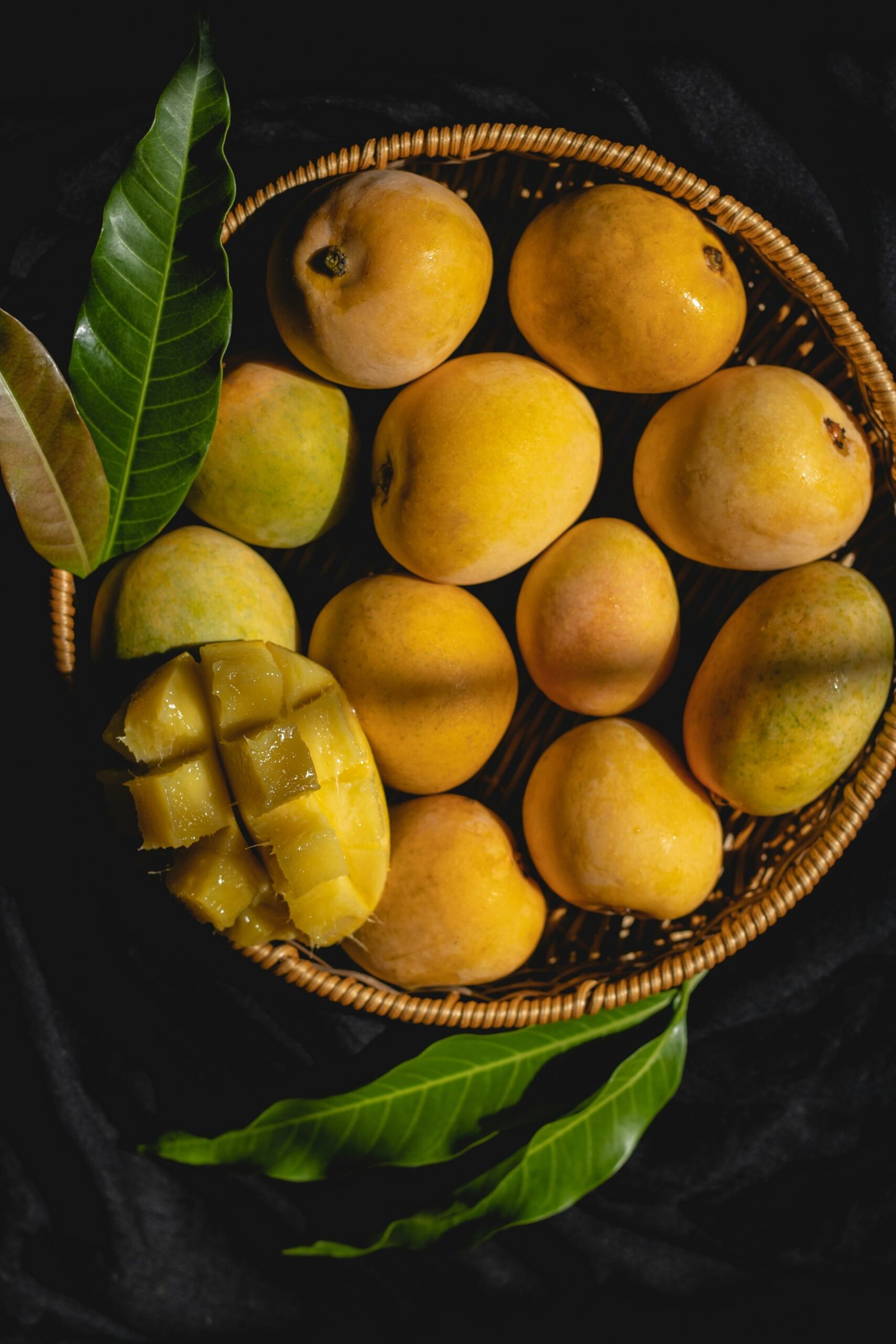
The word “superfood” is used so liberally today that it has almost lost its meaning — attached to exotic powders, imported berries, and expensive supplements that most people can’t afford or access consistently. Yet one of the most genuinely super foods in existence grows abundantly across India every season, costs a fraction of imported health products, and tastes extraordinary enough that children eat it without persuasion and adults crave it year-round. The mango is not a superfood by marketing — it is a superfood by composition. And understanding its full nutritional profile reveals why this fruit deserves a place at every table, in every household, at every stage of life.
What Makes a Food Truly “Super”?
A food earns superfood status not from a single impressive nutrient but from the density, diversity, and bioavailability of its nutritional components working together. By this standard, the Alphonso mango from Konkan’s laterite-rich orchards is among the most qualified candidates in the entire fruit kingdom. It delivers vitamins, minerals, antioxidants, enzymes, dietary fibre, and beneficial phytocompounds in a single serving — all wrapped in a flavour so compelling that eating it never feels like a health obligation.
The Complete Nutritional Breakdown
A standard serving of fresh Alphonso mango pulp — approximately 150 grams or one medium cup — provides:
- Calories: 99 kcal — substantial energy without excessive caloric load
- Carbohydrates: 24.7g — primarily natural fruit sugars with a moderate glycaemic index moderated by fibre content
- Dietary Fibre: 2.6g — supporting digestive health, gut microbiome diversity, and blood sugar regulation
- Vitamin C: 57mg — approximately 63% of the adult recommended daily intake, making mango one of the richest accessible Vitamin C sources in Indian diets
- Vitamin A: 1082 IU — essential for eye health, immune function, and skin integrity
- Folate (Vitamin B9): 43mcg — critical for DNA synthesis, cell division, and foetal neural development
- Vitamin B6: 0.19mg — supporting brain chemistry, mood regulation, and energy metabolism
- Potassium: 277mg — a key electrolyte for heart rhythm, blood pressure regulation, and muscle function
- Magnesium: 19mg — contributing to nerve function, bone density, and over 300 enzymatic reactions in the body
- Copper: 0.19mg — supporting red blood cell formation and immune system health
- Vitamin K: 6.9mcg — essential for blood clotting and bone mineralisation
- Vitamin E: 1.12mg — a fat-soluble antioxidant that protects cell membranes from oxidative damage
This is not a partial list of highlights — this is the comprehensive reality of what a single serving of fresh, naturally ripened mango delivers. Few foods, at any price point, offer comparable nutritional breadth.
Mangoes for Children: Building Healthy Foundations
For growing children, the mango’s nutritional profile addresses some of the most critical developmental requirements simultaneously. Vitamin A supports healthy vision development and maintains the integrity of mucous membranes that protect against respiratory and digestive infections — particularly important for children in school environments with high pathogen exposure.
Folate supports rapid cell division during growth phases, while Vitamin C enhances iron absorption from plant-based foods — addressing one of the most common childhood nutritional deficiencies in India. The natural sugars in mango provide clean, fast-releasing energy ideal for active children, while fibre ensures that energy release is balanced rather than spiked.
Perhaps most practically — children eat mangoes enthusiastically. In a world where getting children to consume nutritious food is a daily parenting challenge, the mango is the rare exception that requires no persuasion, no disguise, and no negotiation.
Mangoes for Adults: Daily Wellness Support
For working adults managing the physical and cognitive demands of modern life, mango delivers targeted nutritional support across multiple health dimensions:
Immune Resilience
The combination of Vitamin C, Vitamin A, and the powerful antioxidant mangiferin — a polyphenol unique to the mango family — creates a multi-layered immune defence that supports both immediate pathogen response and long-term cellular protection against oxidative stress.
Cognitive and Mental Health
Vitamin B6 in mango is a direct precursor to serotonin and dopamine — the neurotransmitters governing mood, motivation, and emotional regulation. Regular consumption of Vitamin B6-rich foods like mango contributes meaningfully to mental well-being, particularly during high-stress periods.
Skin Health and Anti-Ageing
Vitamin C drives collagen synthesis — the structural protein responsible for skin elasticity and wound healing. Vitamin E protects skin cell membranes from UV-induced free radical damage. Beta-carotene, converted to Vitamin A in the body, accelerates skin cell turnover and reduces hyperpigmentation. Together, these nutrients make mango one of the most effective dietary contributors to healthy, youthful skin available.
Digestive Health
Mango contains amylase enzymes that break down complex carbohydrates into absorbable sugars, actively supporting digestion rather than merely providing passive nutrition. Combined with dietary fibre that feeds beneficial gut bacteria, mango genuinely improves the digestive environment — a benefit confirmed by both traditional Ayurvedic knowledge and contemporary nutritional science.
Mangoes for Seniors: Targeted Nutritional Support
For older adults, the mango’s nutritional profile addresses several age-specific health concerns with particular relevance:
- Bone health: Vitamin K and magnesium contribute to bone mineralisation and density maintenance — increasingly critical as natural bone loss accelerates after age 50
- Heart health: Potassium and mangiferin support healthy blood pressure and reduce arterial inflammation — two of the most important factors in cardiovascular health management for seniors
- Eye health: Beta-carotene and the carotenoids lutein and zeaxanthin present in mango pulp protect against age-related macular degeneration and cataracts — the leading causes of vision impairment in older adults
- Immune maintenance: The immune system naturally weakens with age; the Vitamin C and Vitamin A density in fresh mango provides meaningful natural immune support for older adults who may struggle to maintain adequate nutrient intake
The Quality Factor: Why Source Matters for Nutritional Value
The nutritional composition described throughout this article assumes one critical condition — that the mango is naturally ripened, freshly harvested, and grown in genuinely healthy soil without excessive synthetic chemical inputs.
Artificially ripened mangoes — treated with calcium carbide or ethylene gas before physiological maturity — develop colour and softness without completing the natural biochemical processes that produce Vitamin C, carotenoids, and enzymatic activity at full potency. A chemically accelerated mango may look nutritionally identical to a naturally ripened one — but its actual nutrient delivery is measurably diminished.
This is why sourcing matters as much as variety. Alphonso mangoes from certified, consciously farmed orchards like those at Kokan Samrat in Ratnagiri — grown in mineral-rich laterite soil, harvested at natural maturity, and delivered without chemical intervention — provide the complete nutritional profile that makes this fruit genuinely extraordinary. The soil feeds the tree. The tree feeds the fruit. The fruit feeds you. That chain of quality is unbroken only when every link is treated with integrity.
Eat the Season With Purpose
The mango season in Konkan — brief, brilliant, and breathlessly anticipated — is one of nature’s most generous annual gifts. For the six to eight weeks that naturally ripened Alphonso mangoes are at their peak, eating them daily is not indulgence. It is intelligent, pleasurable, and nutritionally purposeful self-care.
For children building growing bodies, adults managing demanding lives, and seniors protecting long-term health — the mango is not merely a seasonal treat. It is a nutritional investment that pays dividends in immunity, energy, digestion, skin health, heart function, and cognitive well-being. Eat it fresh, eat it whole, and eat it from a source you trust.
The superfood you’ve been looking for has been growing in Konkan’s orchards for four thousand years.