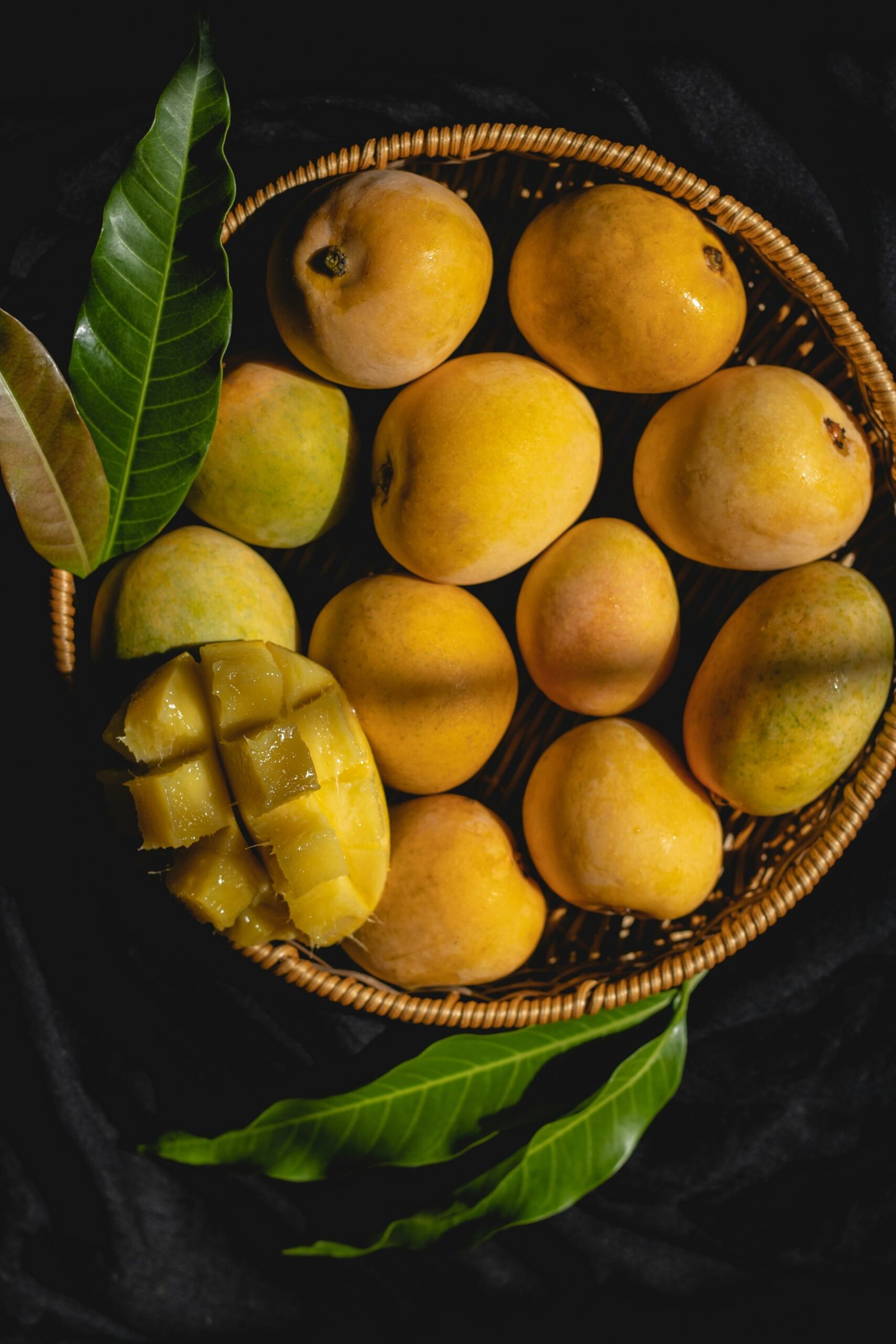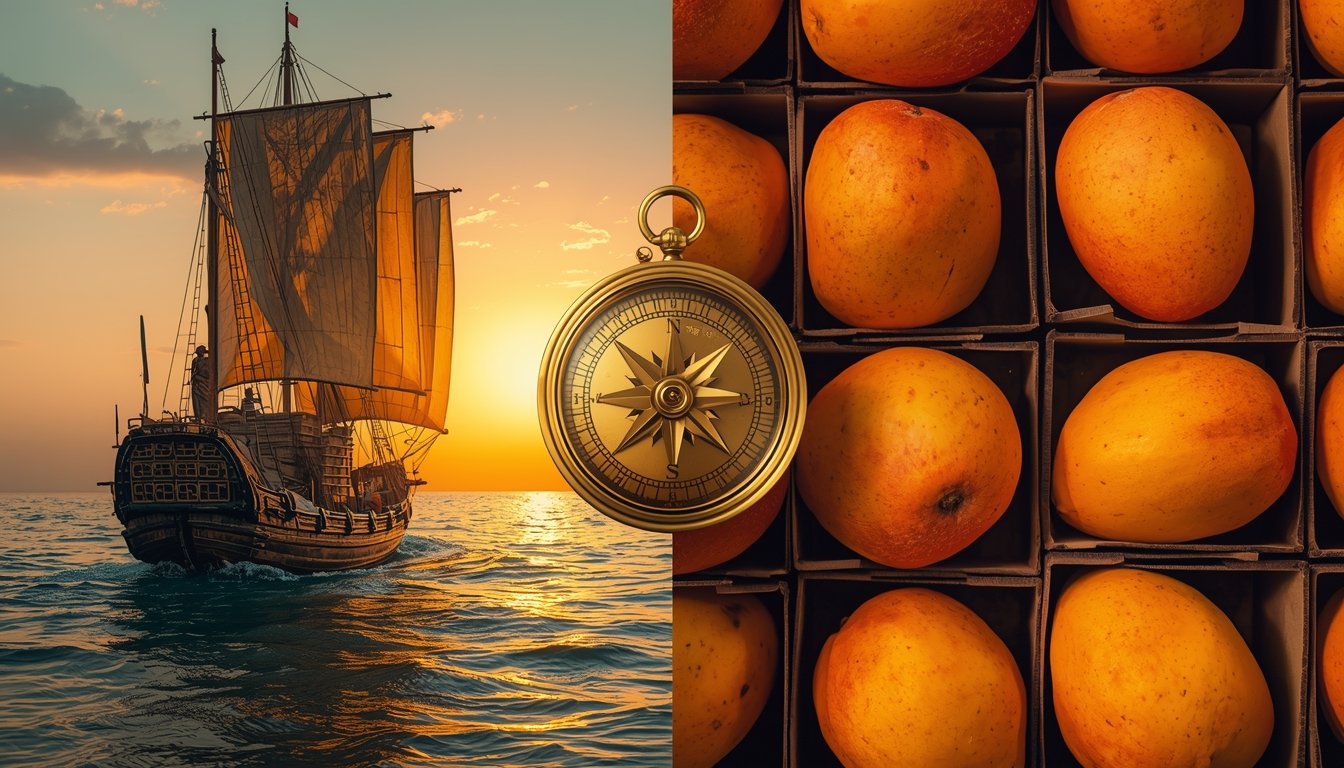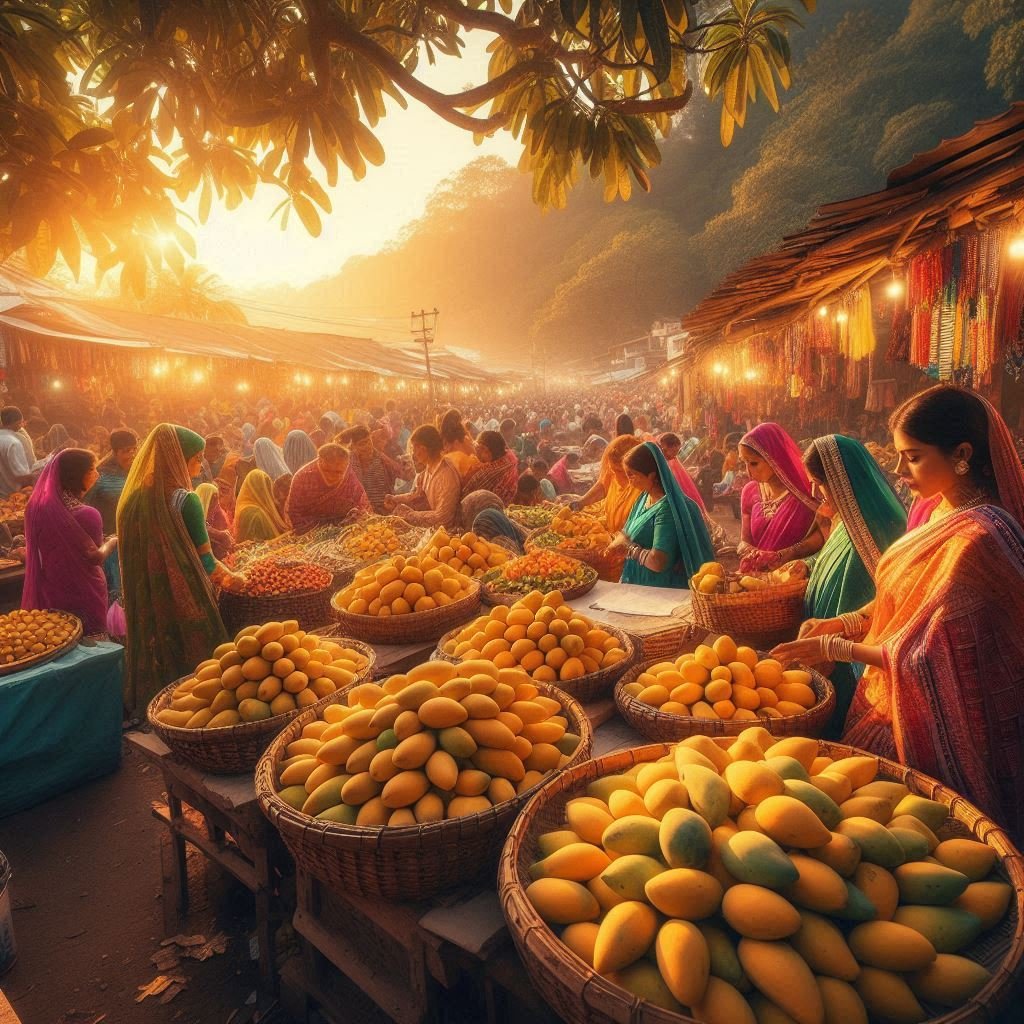
Every ripe Alphonso mango that reaches your hands has traveled an extraordinary distance — not just in kilometers, but in care, knowledge, and precision. From the moment a farmer climbs into the canopy of a laterite-rooted mango tree in Ratnagiri to the moment that golden fruit is placed in a refrigerated box headed for London, New York, or a premium Mumbai market, the mango harvesting process is a meticulous chain of decisions, techniques, and expertise that determines whether the world receives the King of Fruits at its magnificent best — or not at all. This is that story.
Knowing When to Harvest: The Art and Science of Maturity
The single most critical decision in the entire mango supply chain is one that happens before a single fruit is touched: knowing when to harvest. Pick too early, and the mango will never develop its full flavor profile, no matter how long it is ripened. Pick too late, and the fruit is vulnerable to rapid deterioration, spongy tissue, and rejection at export quality checks.
In Ratnagiri, experienced Alphonso farmers rely on a combination of physical, biochemical, and computational harvest maturity indices to make this judgment. The primary physical indicators include the shoulder development of the fruit — when the area of the mango above its widest point protrudes beyond the stem end, the fruit has reached structural maturity. The natural falling of one or two fully ripe fruits from the tree — known locally as “tapka” or “pad” — is one of the most trusted traditional signals that the orchard’s crop is ready for harvest.
Biochemically, ripe-ready Alphonso mangoes reach a Total Soluble Solids (Brix) level of 15–18°, accompanied by a fall in titratable acidity and an increasing SSC-to-TTA ratio — measurable indicators of internal sugar accumulation and flavor maturity that exporters and quality processors verify before accepting produce. Computationally, Indian mangoes are typically harvested 120 to 140 days after fruit set, giving farmers a reliable seasonal window tied to the original flowering dates.
Getting this decision right protects against both the enormous waste of premature harvesting — unreliable harvest maturity indices are responsible for 40–50% of post-harvest losses in the mango supply chain — and the equally costly damage of over-maturity during transport.
The Harvest Itself: Hand-Picked, One Fruit at a Time
Alphonso mango harvesting in Ratnagiri is entirely manual — and this is not a limitation but a deliberate quality imperative. The Alphonso’s thin, delicate skin bruises easily under mechanical contact, and a single bruise creates a brown soft patch during ripening that compromises both appearance and market value. Every fruit is hand-picked by trained harvesters using long-handled picking poles with attached cloth net cups or bamboo baskets — tools that allow fruits to be detached from the canopy with precision, without dropping or impact.
Each fruit is harvested with a 2 to 3 centimetre stalk left intact. This is not arbitrary — the intact stalk serves two critical functions. First, it allows the latex that flows immediately from the cut stalk to drip away from the fruit’s skin, preventing the caustic sap from causing black burn marks that destroy the Alphonso’s prized golden appearance. Second, it provides a natural protective barrier against microbial entry at the point of severance. Fruits are immediately placed stalk-down in padded baskets or cloth-lined crates after picking to allow latex drainage without skin contact.
A single mango tree is never harvested in one pass. Because individual fruits on the same tree reach maturity at different times — depending on their position in the canopy, their exposure to sunlight, and the timing of their respective flower set — each tree is visited multiple times during the harvest season, with each pass selecting only the fruits that have reached the correct maturity window on that specific day.
Sorting and Grading: Separating Excellence from the Ordinary
Once harvested fruits arrive at the packing area — typically a shaded facility near the orchard or at a central grading center — the sorting and grading process begins. This stage determines which mangoes will command premium export prices, which will serve domestic premium markets, and which will be directed toward processing.
Initial sorting removes damaged, bruised, overripe, underdeveloped, or pest-affected fruits with zero tolerance — these cannot be corrected and must be separated immediately to prevent ethylene-triggered accelerated deterioration in adjacent sound fruits.
Grading then categorizes the remaining sound fruit into three tiers based on a combination of weight, size, color uniformity, and surface defect assessment:
- Grade A (Premium/Export): Uniform size (typically 200–300g), bright saffron-yellow color at ripeness, zero surface defects, destined for international export and premium Indian retailers
- Grade B (Domestic Market): Slightly smaller or with minor cosmetic imperfections, fully sound internally, sold through domestic wholesale and retail channels
- Grade C (Processing Grade): Lower cosmetic quality but sound pulp, directed to mango pulp extraction, juice production, and preserved product manufacturing
For export-bound Alphonso mangoes destined for the United States, an additional mandatory step is required: phytosanitary irradiation treatment using USDA-approved food-grade irradiation facilities at Mumbai’s BARC (Bhabha Atomic Research Centre) or designated ports. Mangoes for the European Union undergo vapor heat treatment instead. Both processes eliminate pest risk without compromising the fruit’s internal quality, and both are required before a single export carton can be cleared for international shipping.
Ripening: Ancient Wisdom Meets Modern Science
The ripening phase transforms a firm, green-mature Alphonso into the golden, fragrant, yielding fruit that the market demands. Traditionally, Ratnagiri farmers ripened harvested Alphonso mangoes by burying them in beds of paddy straw or wheat straw — a method that creates a warm, humid microenvironment that naturally concentrates the ethylene produced by the fruit itself, allowing uniform, gentle ripening over five to seven days.
Modern commercial ripening has refined this process through the use of controlled-atmosphere ripening rooms where temperature (20–22°C), humidity (85–95%), and ethylene concentration (100–150 ppm) are precisely managed to achieve consistent, batch-uniform ripening across thousands of fruits simultaneously. This technology — particularly important for the export supply chain, where consistent ripening timing must align with precise delivery windows in international markets — has significantly reduced variability and rejection rates at destination ports.
Pre-harvest contractors who take bulk delivery of orchard produce also manage ripening during road and rail transport, where the warmth of enclosed vehicles and the ethylene produced by the fruit itself creates a natural in-transit ripening effect — particularly relevant for fruits shipped from Ratnagiri to Pune, Mumbai, Delhi, or Kolkata by road.
Packaging and Cold Chain: Protecting the Investment
Once fruits reach optimal ripeness — or just before, for long-distance shipments — they are packed for transport and retail. Export-grade Alphonso mangoes are packed in single-layer corrugated fibreboard (CFB) boxes with individual foam net covers on each fruit, preventing skin-to-skin friction during handling. Each box is clearly labelled with variety, grade, origin (GI-certified Ratnagiri or Devgad), weight, and traceability codes required by EU and US import regulations.
Cold chain management is critical from this point forward. Export mangoes are pre-cooled to 10°C before loading and maintained at this temperature throughout the air freight journey, extending transit shelf life to approximately 14–21 days depending on maturity at packing. Domestic premium shipments via road or rail use insulated vehicles or refrigerated containers with optimal temperatures maintained between 8–12°C.
Post-harvest losses across the supply chain remain a significant challenge — pre-harvest factors account for 30–40% of mango loss, while post-harvest handling contributes an additional 15–20% loss — figures that underscore the critical importance of every careful step from tree to transport.
The Distance Between Tree and Table
The journey from an Alphonso mango orchard in Ratnagiri to a consumer’s table — whether that table is in Mumbai, London, or New York — traverses an extraordinary distance of technical knowledge, physical care, and seasonal precision. Every hand that touches the fruit along this chain carries the responsibility of preserving what the tree, the soil, the climate, and the farmer spent an entire year creating.
When you hold a ripe Ratnagiri Alphonso, you are not holding a product. You are holding the culmination of a harvest process that is simultaneously ancient in its wisdom and sophisticated in its science — and that deserves every moment of the attention it receives.