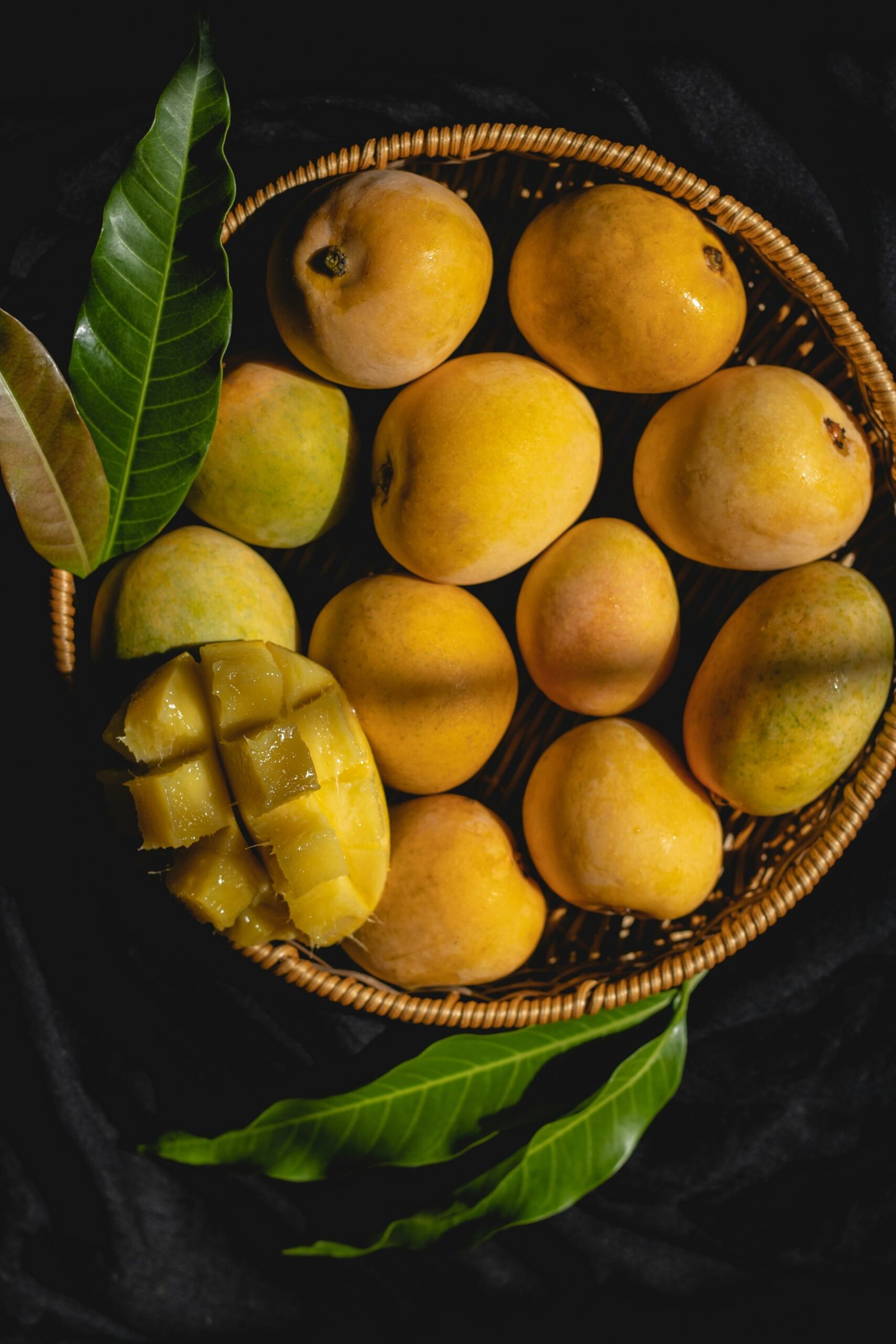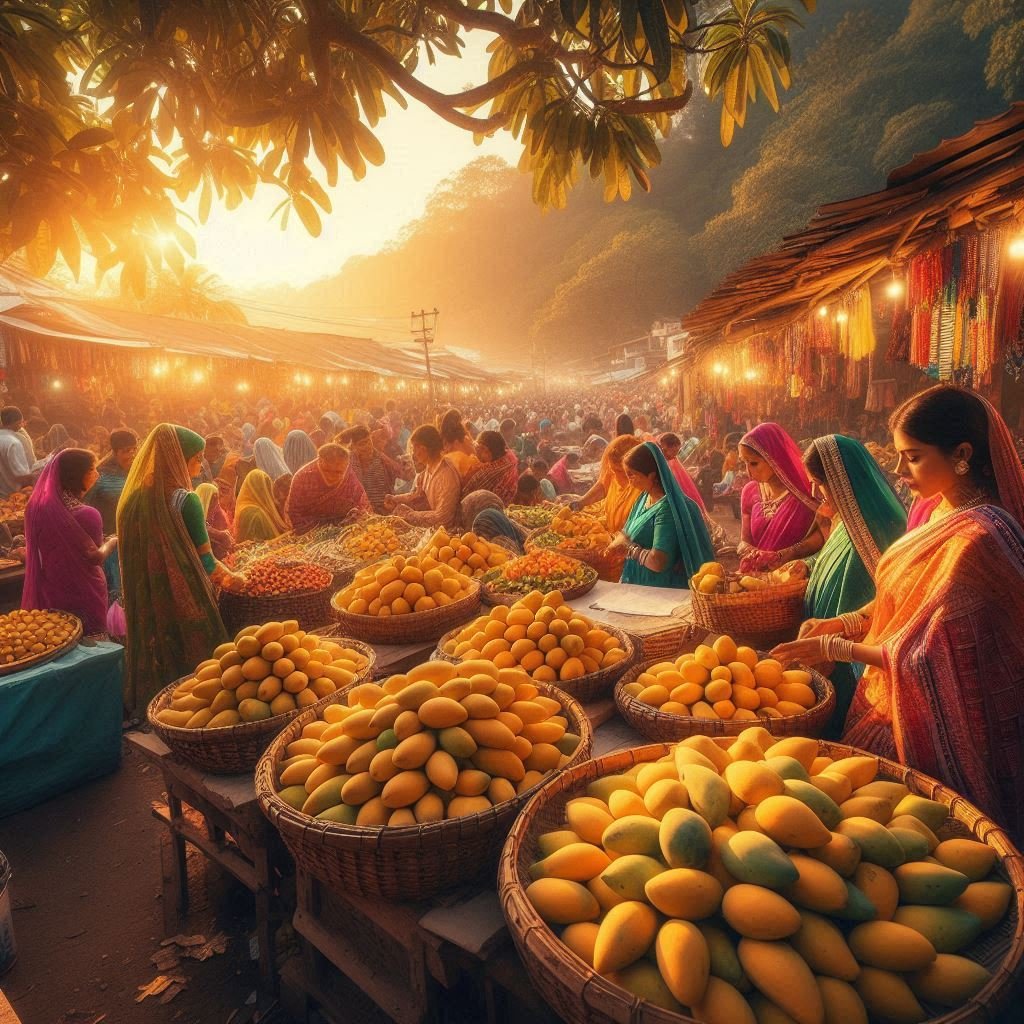
There was a time when the mango’s role in the kitchen was relatively straightforward — a seasonal fruit eaten fresh, blended into lassis, or preserved into achars and chutneys. That time is over. In the kitchens of Michelin-starred restaurants, in the laboratories of molecular gastronomists, in the test kitchens of global fast-food chains, and across the menus of fine dining institutions from Mumbai to Melbourne, the mango has undergone a complete culinary reinvention. Today, it occupies a unique position in modern gastronomy — a fruit that bridges tradition and innovation, regional identity and global ambition, humble street-side carts and plated haute cuisine. This is the story of how the King of Fruits became one of the most strategically important ingredients in contemporary cooking.
A Global Menu Presence That Numbers Don’t Lie About
The mango’s rising dominance on global menus is no longer a matter of culinary opinion — it is a documented market reality. Mangoes now appear on 44% of all U.S. restaurant menus, with usage growing by 11% between 2021 and 2024 across every foodservice segment — from fine dining and casual restaurants to fast casual and quick service outlets. That kind of sustained, category-wide growth signals far more than a trend — it signals a permanent repositioning of the mango as a mainstream culinary staple in global kitchens.
This expansion is being driven by a convergence of factors: growing consumer appetite for bold tropical flavors, the global rise of Indian and South-East Asian cuisine, the clean-label movement’s preference for natural sweetness over refined sugar, and the increasing sophistication of food professionals who recognize the mango’s exceptional technical properties as a cooking ingredient. The fruit that once occupied a niche seasonal corner of the produce aisle is now, by data, one of the most versatile and widely deployed flavors in contemporary foodservice.
Why Professional Chefs Are Choosing Alphonso: The Technical Argument
In the world of fine dining and precision pastry, ingredients are evaluated not just by flavor but by technical performance — and the Alphonso mango from Ratnagiri, Maharashtra delivers on both counts with rare distinction.
Alphonso mangoes are documented for their exceptionally high Brix levels — a measurement of dissolved sugar content — combined with balanced natural acidity and dense, low-fiber pulp. This technical profile makes Alphonso an extraordinarily precise ingredient for sorbet production, mousse construction, and glaze formulation — applications where flavor intensity, color vibrancy, and sugar-to-acid balance must all be calibrated with precision. In sorbets, its naturally high sugar content reduces the need for added sucrose adjustment. In plated desserts, its vivid golden color and concentrated aroma create instant visual and sensory impact.
Premium pastry studios and dessert houses across global cities with strong Indian diaspora communities now position GI-certified Alphonso mango as a seasonal luxury ingredient — marketing it not just for its flavor but for its geographic authenticity and the cultural narrative it carries. At the intersection of technical functionality and compelling origin story, the Alphonso sits precisely where modern gastronomy rewards ingredients most generously.
Molecular Gastronomy: When Science Meets the Mango
Nowhere is the mango’s contemporary reinvention more dramatic than in the world of molecular gastronomy — the application of scientific techniques to transform familiar ingredients into unexpected forms, textures, and experiences.
Mango spherification — using sodium alginate and calcium lactate to create delicate mango-filled spheres that burst with liquid pulp on contact with the palate — has become one of the most celebrated applications of modernist cooking with fruit. The technique, pioneered by chefs like Ferran Adrià at El Bulli, transforms ripe mango puree into caviar-like pearls or larger, gel-membraned spheres that deliver concentrated mango flavor in an entirely unexpected physical format — transforming a familiar taste into a surprising textural revelation.
Mango coconut foam soup — a molecular gastronomy preparation combining mango puree, coconut milk, and curry in an aerated foam — offers diners the flavor architecture of a traditional South Indian curry in a completely reimagined sensory form, where texture, temperature, and visual presentation are all deliberately subverted to create a sense of discovery. Similarly, modernist mango custard with carbonated calamansi gel — a plated dessert combining freeze-dried mango, kappa carrageenan-set custard, and carbonated citrus gel — exemplifies how the mango’s flavor profile, when deconstructed and rebuilt with precision, can anchor an entire avant-garde dessert composition.
Fusion Cuisine: The Mango as a Cultural Bridge
Beyond molecular technique, the mango plays an increasingly central role in the rapidly growing world of global fusion cuisine — cooking that deliberately bridges culinary traditions to create new hybrid experiences.
Mango lassi affogato — ripe Alphonso pulp blended with curd and frozen into a gelato base, then finished tableside with a hot shot of single-origin espresso — is a precise example of how the mango enables meaningful East-West culinary dialogue. The interaction between the espresso’s bitter intensity and the lassi gelato’s sweet-sour tropical richness creates a dessert that is simultaneously familiar and completely novel — a cultural conversation in a single bowl.
Mango seafood tacos — ripe mango salsa paired with grilled fish, fresh lime, and habanero on corn tortillas — represent a Latin-Asian-Indian flavor convergence that has become one of the most reproduced dishes in contemporary casual dining. The mango’s natural acidity and sweetness perform the functional role of a vinaigrette, a relish, and a garnish simultaneously — a textbook demonstration of why professional chefs prize its versatility.
In savory fine dining, mangoes are appearing in grain bowls, protein glazes, herb-based vinaigrettes, and fermented condiments — moving steadily beyond their traditional dessert and drink associations into the full spectrum of the modern tasting menu.
The Street Food Foundation That Fine Dining Built On
It would be a mistake to discuss the mango’s modern gastronomic ascent without acknowledging the street food tradition that always understood this fruit’s power. Long before any Michelin-starred chef discovered the Alphonso, street vendors in Mumbai, Delhi, and Kolkata were demonstrating the mango’s extraordinary culinary range — raw mango with chaat masala, aamras with crispy puris, chilled mango kulfi on a stick, Aam Panna in clay cups.
Modern gastronomy has not invented the mango’s versatility — it has merely formalized, elevated, and globalized what Indian culinary culture has always known. The finest restaurants are, in a profound sense, catching up with the street. And the global consumer is the ultimate beneficiary.
The Most Strategic Fruit in Modern Kitchens
The mango’s role in modern gastronomy is ultimately a story about a fruit that has grown to meet the full ambition of contemporary culinary culture. It satisfies the technical chef who needs a precise, high-performance ingredient. It satisfies the modernist cook who wants a canvas for scientific transformation. It satisfies the fusion creator who needs a culturally resonant bridge between cuisines. And it satisfies the consumer who wants something bold, natural, tropical, and deeply satisfying — all at once.
The mango is no longer just a seasonal fruit or a regional specialty. It is a culinary language — one that every serious modern kitchen is learning to speak with increasing fluency and creativity.